




Wedding Cake Strain: Expert Grow Tips & Guide
You’ve probably been there. Jar supply is getting low, the tent is finally empty, and you’re staring at seed listings trying to decide what’s worth your next few months. You want a cultivar that looks great, smells even better, and doesn’t make the whole run feel like babysitting a drama queen.
Ready to grow it yourself? Shop Wedding Cake seeds at Botanist Seeds.
Wedding Cake keeps landing on that short list for a reason. It has the kind of bag appeal home growers love, a rich dessert-leaning aroma, and a reputation for putting out dense, frosty flowers when the environment is dialed in. It’s popular enough that there’s also plenty of noise around it, especially once different breeders start selling their own version.
This guide keeps it practical. No chest-thumping, no mystery grow voodoo, no fake hero stories. Just the stuff that matters if you’re growing wedding cake seeds at home and want a harvest you’ll be proud to trim, cure, and stash.
Your Next Favorite Grow Wedding Cake
Your jars are running low, the tent is finally free, and now the main question shows up. Do you start another run that turns into weeks of chasing stretch, fixing a messy canopy, and trimming buds that look better in photos than they do in the grinder?
Wedding Cake is a strong pick for the home grower who wants feminized or autoflower seeds that feel rewarding from seed to cure. It has the looks, the smell, and the kind of finish that makes you want to keep a spot open for it in the next cycle too. That matters when a home grow is competing for your time, power bill, and tent space.

What makes it stand out is the balance. Wedding Cake usually gives hobby growers enough bag appeal and aroma to feel special, without forcing you into some high-maintenance circus just to get a decent harvest. It still wants a clean environment, steady feeding, and good airflow once buds start stacking. Give it that, and it tends to pay you back.
I like cultivars that reward solid basics. Keep the canopy even. Go easy on nitrogen early. Watch humidity in flower. Wedding Cake responds well to that kind of steady, boring discipline, which is exactly what most home setups need.
Practical rule: If you want a cultivar that earns its tent space and makes sense for a personal stash grow, Wedding Cake is one of the safer picks.
That is also why it fits the modern hobbyist so well. You are not growing for a trophy case or trying to decode breeder mythology. You are growing to keep your own jars full with flower you enjoy, and feminized or auto Wedding Cake seeds can do that without turning the process into nonsense.
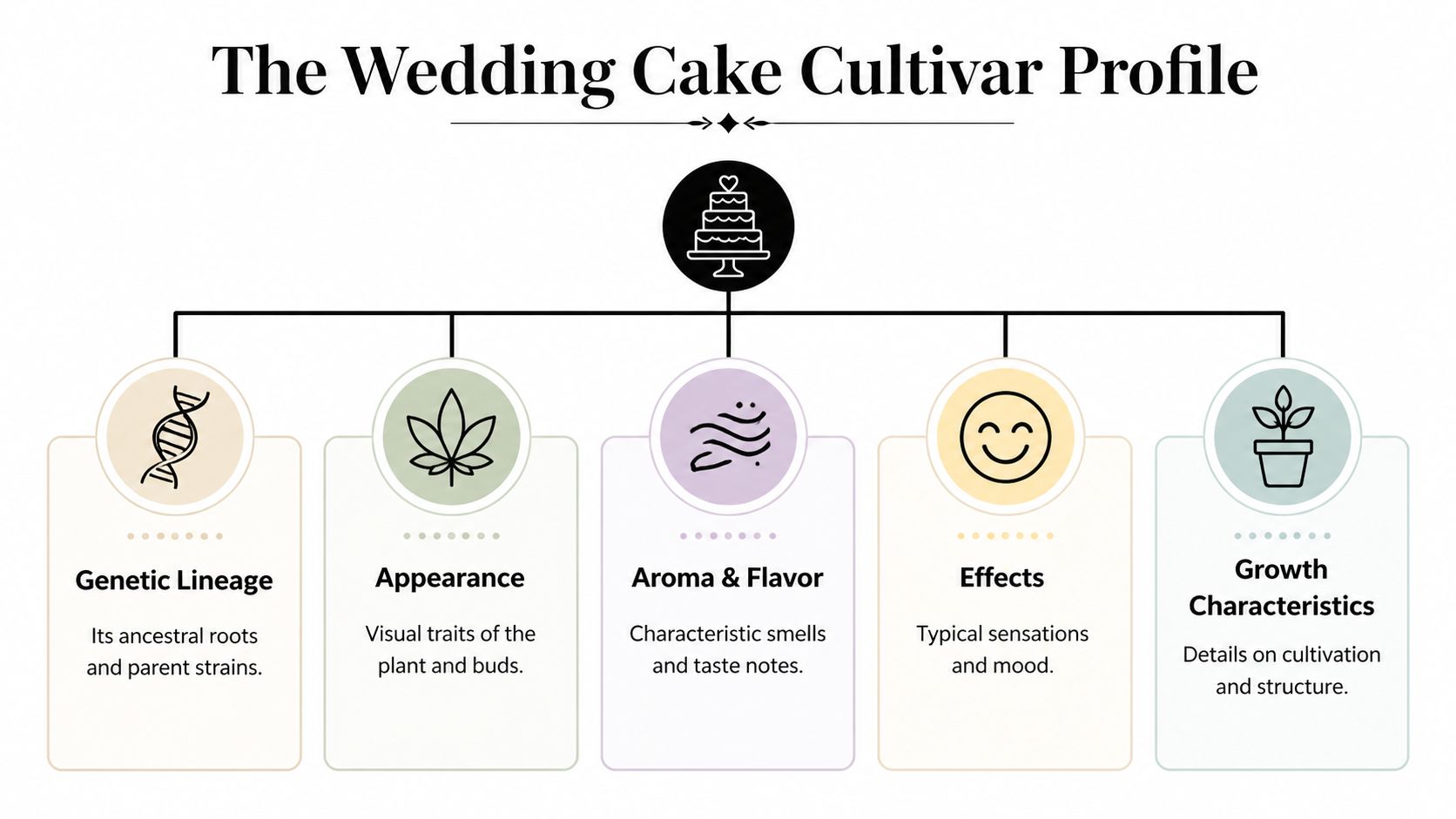
The Wedding Cake Cultivar Profile
Before you germinate anything, it helps to know what Wedding Cake is supposed to be. That sounds obvious, but with this cultivar, background matters because the name has spread far beyond the original cut.
Wedding Cake is primarily recognized as a cross between Triangle Kush and Animal Mints, and it’s generally described as an indica-dominant hybrid with a 60/40 split in the SeedFinder Wedding Cake profile. That same source also notes its underground origins with Seed Junky Genetics, plus the fact that different versions now exist.
What it tends to smell and taste like
The classic profile gives Wedding Cake its name. It leans sweet, vanilla, and earthy, with a little skunky edge underneath. SeedFinder ties that aromatic profile to caryophyllene and limonene, which show up as key terpenes in many versions of the cultivar.
That combo usually comes across as richer than fruity. If you like candy-heavy cultivars, Wedding Cake can feel more baked-goods than bright-sweets. Think dessert shop, not fruit stand.
What it looks like in the room and in the jar
Good Wedding Cake usually carries itself like it knows it’s being watched. Buds tend to be dense and heavily frosted, with a lot of visual texture from resin and pistils. That “cakey” frost is part of why so many growers keep circling back to it.
When you’re growing from seed, expect some variation in structure and finish. One plant might stay tighter and stockier, another may branch a bit harder or show slightly different coloration late in flower. That’s normal with seed-grown plants, especially a cultivar with a muddy public family tree.
The vibe people chase
Wedding Cake has an overall vibe often described as happy, relaxing, and settled without feeling flat right away. It usually starts with a brighter mental lift and then eases into a heavier, more laid-back finish.
Some cultivars impress you once. Wedding Cake is the one a lot of growers want to keep around because the smell, look, and overall experience all line up.
Why the name can get confusing
A lot of the confusion around wedding cake seeds comes from the fact that not every breeder is working from the same exact starting point. SeedFinder notes alternate lineage claims in the broader community, and aliases like Triangle Mints #23 and Pink Cookies add another layer.
That doesn’t make the cultivar bad. It just means you should think of “Wedding Cake” as a family of related expressions, not a perfectly uniform commodity. If you buy a pack from one source and your friend buys a pack from another, you may both end up with good plants, but not identical ones.
Choosing Your Wedding Cake Seeds
Most home growers make the important decision. Not whether Wedding Cake is a good cultivar, but which version fits their setup and patience level.
For a home grow, the cleanest choice is usually between feminized photoperiod seeds and autoflower seeds. One gives you more control over plant size and training. The other trims down the hassle and keeps the schedule simpler.
Feminized or autoflower
If you want the deeper breakdown, this guide on what a feminized seed is covers the basics well. In practical terms, feminized photoperiod seeds are the pick for growers who want to shape the plant, extend veg when needed, and push the canopy toward a fuller tent.
Autoflowers fit a different lifestyle. They’re better for growers who want less decision-making around light cycles and a faster, more compact routine. You trade some control for convenience.
| Feature | Feminized Seeds | Autoflower Seeds |
|---|---|---|
| Light schedule | You control veg and flowering by changing the light cycle | Flowers automatically without needing a schedule change |
| Plant size | Usually easier to shape and size for the space | Usually easier to keep compact |
| Training window | More forgiving for topping, shaping, and recovery | Less forgiving if you stall the plant early |
| Best for | Growers who want control | Growers who want convenience |
| Wedding Cake fit | Great if you want to explore the cultivar more deeply | Great if you want a simpler run |
Why the breeder matters more than people admit
Wedding Cake is one of those cultivars where the label alone doesn’t tell the full story. According to this seed bank’s overview of Wedding Cake genetics, the original from Seed Junky Genetics is sometimes called Triangle Mints #23, and other breeders may use different parent lines under the same Wedding Cake name.
That matters in the grow room. Different sources can produce different plant shapes, aromas, and finishing behavior. If one breeder’s version runs squat and dense while another stretches more and expresses a sharper aroma, neither is necessarily wrong. They’re just not the same cut translated into seed with perfect consistency.
What I’d choose in each setup
- Small tent, limited time: Autoflower makes life easier.
- Training-focused indoor grow: Feminized photoperiod gives you more room to steer the plant.
- You care about consistency: Buy from a source that’s transparent and established.
- You enjoy phenotype hunting: Feminized photoperiod is usually the more satisfying path.
The smart move is matching the seed type to your habits, not your ambitions. A cultivar only shines if your setup supports it.
A Simple Start Germinating Your Seeds
Germination is one of those steps people overcomplicate. Wedding Cake seeds don’t need a ritual. They need stable conditions and a little patience.
For quality Wedding Cake seeds, germination rates can exceed 95% when you use a proper method like rockwool cubes or the paper towel method at a steady 75 to 80°F, according to this seed bank’s Wedding Cake profile. That’s a nice reminder that good seeds usually want to grow. Your job is mostly not to mess up the start.
The easiest method for most home growers
The paper towel method still works well because it’s simple and easy to monitor.
- Moisten the towel: Damp, not dripping. If water pools, it’s too wet.
- Place the seeds carefully: Give each one a little space so roots don’t tangle.
- Keep them warm and dark: Stable warmth matters more than checking on them every hour.
- Transplant once the taproot shows: Don’t wait too long or you risk damaging the root.
If you want a more detailed walkthrough, this guide on how long it takes to germinate weed seeds is worth bookmarking.
Clean hands, clean tools, and a stable environment beat fancy germination gadgets every time.
What usually goes wrong
Most failed starts come from one of three issues:
- Too much water: Seeds need moisture, not swamp conditions.
- Cold conditions: Warmth helps the process move along.
- Too much handling: Every extra check increases the chance of damage.
Once that taproot appears, plant it root-down into your starter medium and leave it alone. At that stage, restraint is a skill.
Your Wedding Cake Grow Timeline and Tips
You pop your seeds, everything looks clean for the first ten days, and then the usual home-grow mistakes start creeping in. Pots stay wet too long. The canopy gets crowded. Humidity drifts up right when the buds start stacking. Wedding Cake can still turn out great, but it rewards growers who stay a step ahead of those little problems instead of reacting late.
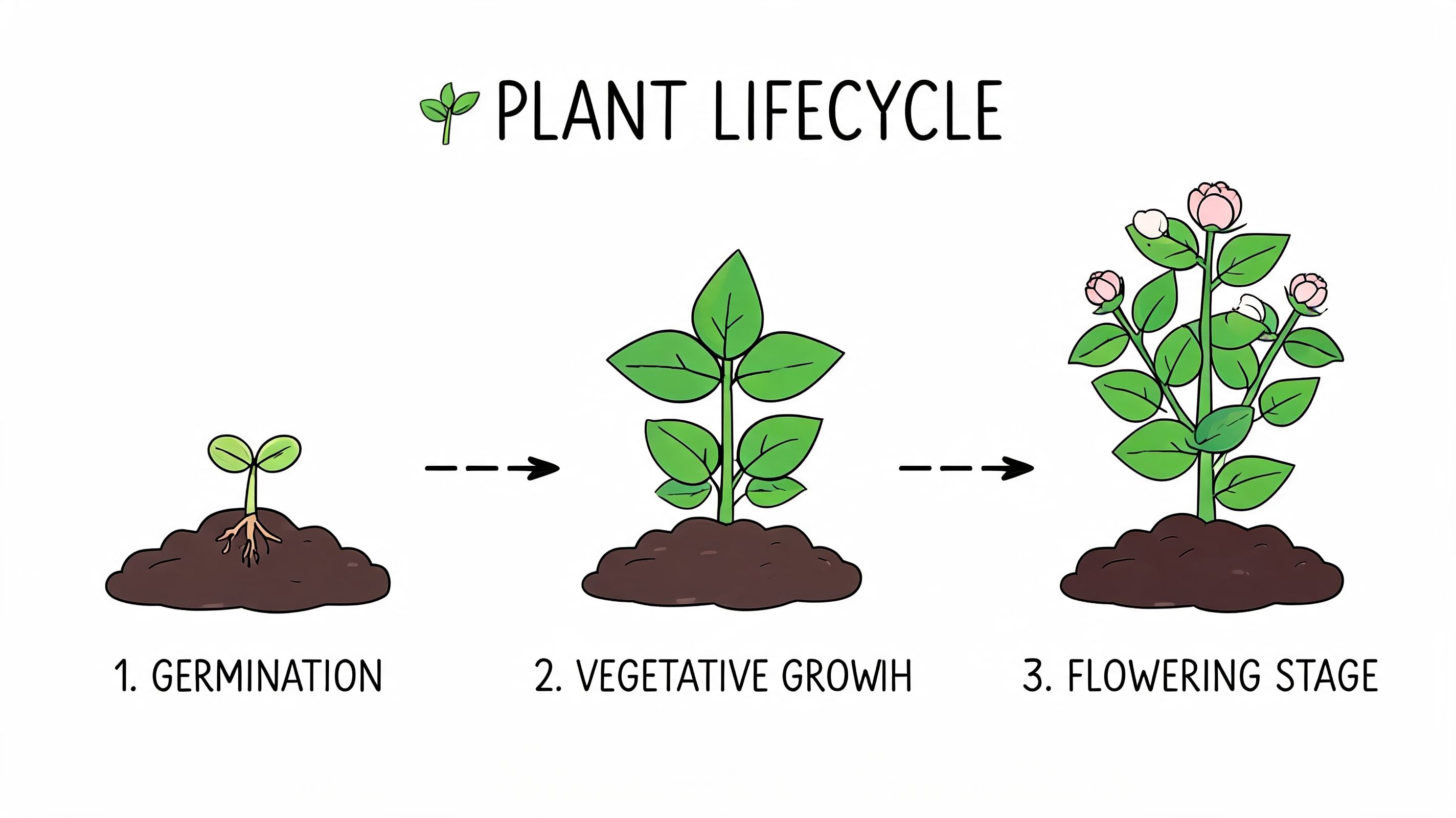
For the home hobbyist, the timeline depends a lot on whether you chose feminized photoperiod seeds or autoflowers. Feminized plants give you more control over plant size, recovery time, and training. Autoflowers move faster and fit a simpler routine, but they leave less room to correct mistakes. That trade-off matters with Wedding Cake, because this cultivar tends to perform best when the structure is set up early and the flower room stays clean and dry.
Early growth
The first couple of weeks are all about restraint. Wedding Cake seedlings usually do better with a light touch than a crowded feeding schedule. Keep the medium evenly moist, keep airflow gentle, and give them enough light to stay compact.
A few habits pay off fast:
- Start in an appropriately sized container: Oversized pots stay wet too long for small roots.
- Let the root zone breathe: Fabric pots help, especially if you tend to overwater.
- Feed lightly at first: Young plants rarely need much beyond a mild start.
- Watch leaf posture: Perky leaves usually mean your basics are dialed in. Droop often means watering is off, not that the plant wants more nutrients.
Autoflowers need an even lighter hand here. I do not train or transplant them aggressively unless they are growing hard and healthy, because lost time on an auto is lost yield.
Vegetative growth and training
Wedding Cake's progress at this point reveals whether your setup makes sense. If the plant is healthy, it usually responds well to basic canopy work. If it is already stressed, more training just adds another problem.
Feminized photoperiod plants give you options. Top once the plant is established, spread the branches with low stress training, and build a flat, even canopy before flower. That setup makes a real difference later because Wedding Cake can stack dense buds, and dense buds need airflow and light penetration.
Autoflowers are less forgiving. Gentle bending works. Heavy topping is a judgment call and often not worth the risk for newer growers.
If you want a broader view of the full cycle, this breakdown of the stages of growing cannabis is a useful reference.
A clean, level canopy fixes more future problems than any bottle on the shelf.
Flowering and finish
Once flowering starts, control matters more than intervention. Wedding Cake tends to reward growers who keep humidity in check, move air through the canopy, and avoid stuffing the plant with nitrogen late in the run.
Focus on the basics:
- Keep airflow moving through and under the canopy: Dense interiors hold moisture.
- Defoliate with purpose: Remove leaves that block bud sites or trap damp air. Do not strip the plant for no reason.
- Support heavy branches early: Stakes or netting are easier to add before colas start leaning.
- Stay disciplined on feed strength: Overfed plants often finish leafier and take longer to clean up.
This video gives a useful visual sense of plant development and grow rhythm:
Indoor and outdoor trade-offs
Wedding Cake makes the most sense indoors for a lot of modern home growers. You can run feminized seeds, control the shape, and keep the room in the safe zone during late flower. That usually means denser buds, cleaner finish, and fewer surprises.
Outdoor grows can still produce excellent results, but the trade-off is exposure. If late season air stays damp or still, thick Wedding Cake flowers can become more work than they are worth. Prune for airflow, give each plant space, and avoid hiding it in a crowded corner of the yard where moisture hangs around after sunrise.
Common timeline mistakes
Most bad Wedding Cake runs do not fail because the cultivar is difficult. They fail because small issues stack up over time.
- Overwatering early: Slow roots lead to slow everything.
- Too much veg feed: Dark, swollen foliage often turns into messy flower structure.
- Weak training plan indoors: Crowded tops and shaded lowers make trimming frustrating.
- Poor humidity control in flower: Dense buds and stale air are a bad mix.
- Trying to “fix” autos too late: With autoflowers, early mistakes usually stay visible all the way to harvest.
Handled well, Wedding Cake is a rewarding home grow. Feminized seeds give you more room to shape the plant and maximize quality. Autoflowers give you speed and simplicity if your environment is already steady. Pick the lane that fits your setup, then stay consistent.
Understanding Phenotypes and Common Problems
One of the fun parts of growing wedding cake seeds is that not every plant reads from the same script. You’re growing a cultivar, not cloning a machine. That means each seed can express the family traits a little differently.
A phenotype is just the version of the cultivar that shows up in that specific plant. One Wedding Cake might lean heavier into the vanilla side. Another might stack tighter flowers. A third may have slightly different structure or color late in bloom. With a cultivar known for genetic ambiguity across breeders, this is part of the deal, not a defect.
What to pay attention to during a hunt
If you pop a few seeds, keep notes. Nothing fancy. Just enough to remember what each plant did.
- Structure: Did it stay compact or branch hard?
- Aroma: More vanilla, more earth, or a sharper edge?
- Flower density: Tight and chunky, or a bit airier?
- Finish: Which plant looked easiest to trim and cure well?
Those notes matter more than memory once you’re staring at jars and trying to remember which plant impressed you in week six.
Common beginner issues
Most problems with Wedding Cake are standard cannabis issues, not some weird cultivar curse.
Stretching seedlings usually means the light is too weak or too far away. Fix the distance and improve light intensity before the stem gets flimsy.
Yellowing lower leaves in veg often points to a feeding or watering imbalance. Don’t knee-jerk into adding more of everything. Check your watering rhythm first, then adjust feeding gradually.
Dense, crowded interiors happen fast if the plant isn’t opened up. Remove a bit of interior clutter and improve airflow before flower gets deep.
Don’t panic at the first ugly leaf. Look for a pattern, not a single symptom.
What not to do
The fastest way to make a small issue bigger is stacking fixes. Growers see one yellow leaf, then change feed strength, move the light, soak the medium, and add a supplement all in the same day.
Instead, make one correction at a time and watch the new growth. Old damage won’t magically reverse. A key signal is whether the plant settles down after you stop fighting it.
Buying Seeds and Enjoying Your Harvest
Buying wedding cake seeds online is easier than it used to be, but it still pays to shop like an adult and not like someone grabbing the first flashy listing. Look for clear cultivar info, solid payment options, and realistic descriptions instead of hype copy that promises perfection.
It also helps to remember that local laws can change, and they don’t change equally everywhere. Know the rules where you live before you order, germinate, or grow. That part isn’t glamorous, but it matters.
Once the seeds are in and the run is underway, the upside of home growing becomes obvious fast:
- You skip dispensary lines: Your supply is where you live.
- You avoid retail markups and taxes: That adds up over time.
- You control the process: Drying, curing, and storage are in your hands.
- You get the hobby payoff: Few things beat opening a jar you grew yourself.
Wedding Cake is a strong pick for that whole experience. It has enough personality to stay interesting, enough grower appeal to justify the tent space, and enough payoff at harvest to make the work feel worth it.
If you’re comparing wedding cake seeds and want a cleaner way to sort through your options, Botanist Seeds is worth a look. Their site makes it easier to compare cultivars by setup, experience level, and grow goals, which is exactly what most home growers need before starting the next run.