Phenotype Explained: Why Your Cannabis Seeds Differ
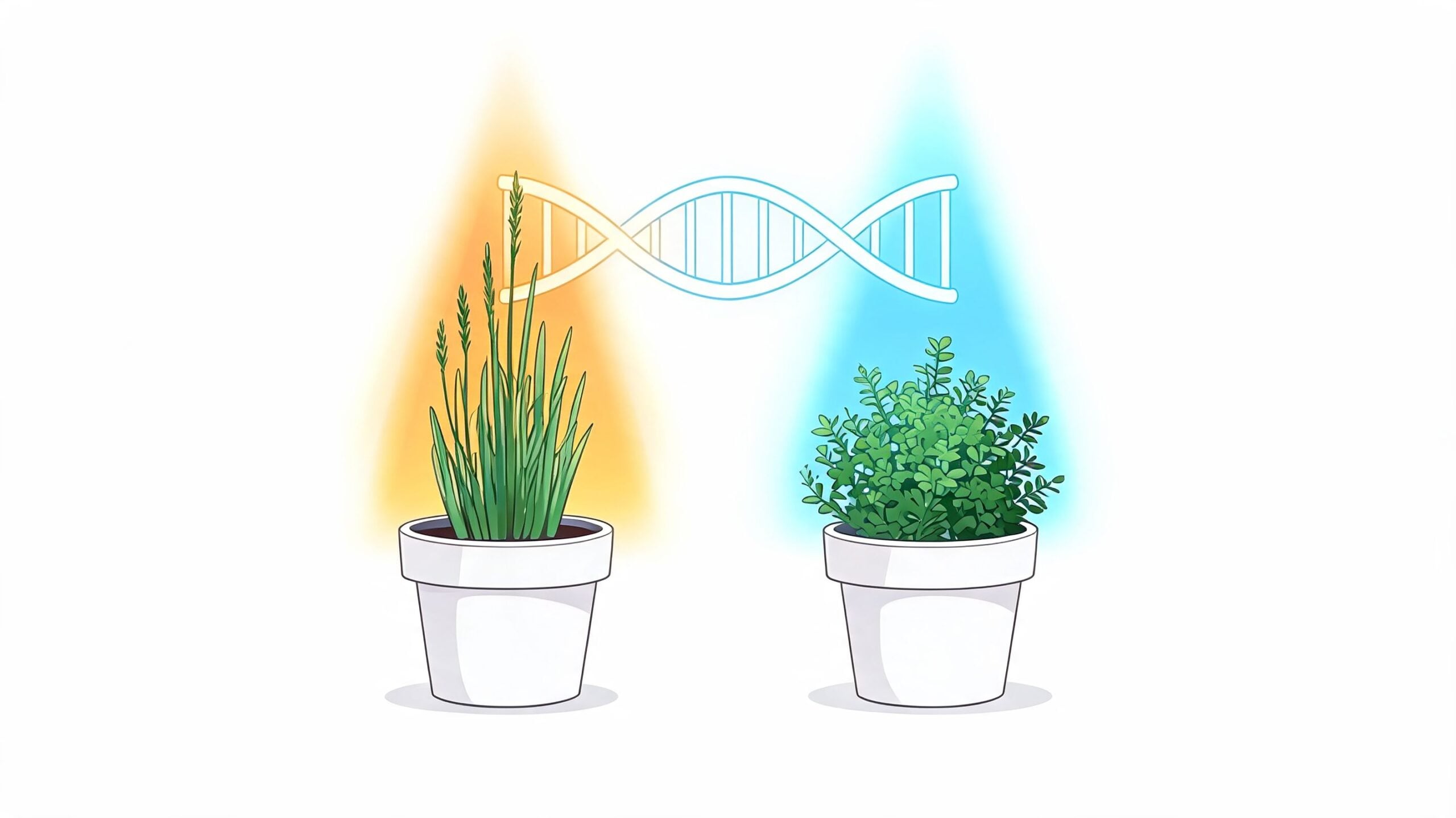
You pop two seeds from the same pack, give them the same light, the same feed, the same tent, and they still don't grow like twins. One stretches more. One stays squat. One throws a bright citrus nose early, the other leans earthy and loud later in flower.
That's the moment most growers first run into phenotype, even if they don't know the word yet.
A lot of people assume that kind of variation means something went wrong. Usually, it doesn't. It's just how plants work. And once you understand it, a lot of home growing starts to make more sense. You stop expecting every plant to be a copy pasted version of the picture on the pack, and you start seeing each run as a chance to find the expression that fits your space, your taste, and your style.
What Is a Cannabis Phenotype Anyway
A phenotype is the version of the plant you can observe.
It's the stuff you can see, smell, and track in real life. Plant shape. Internode spacing. Flowering speed. Aroma. Bud structure. Resin coverage. Color. Vigor. That whole visible and usable package is the phenotype.
The easiest way to think about it is this. A seed carries potential, but the plant in front of you is the outcome of that potential meeting real growing conditions.
What growers usually notice first
Most home growers spot phenotype differences in a few obvious ways:
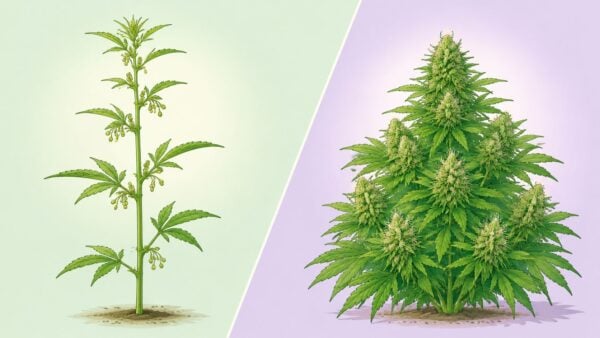
- Plant shape: One plant grows broad and branchy, another grows taller with more spacing between nodes.
- Aroma: One leans toward fruit, gas, pine, or sweetness faster than the others.
- Flower structure: Some stack tight, others build a more open shape.
- Timing: A few plants seem eager from the jump, while others take their time to settle in.
None of that is strange. It's normal.
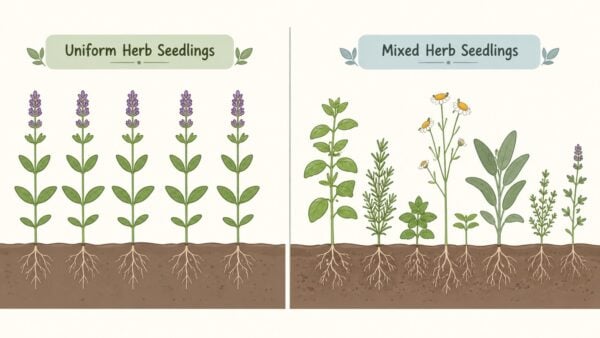
A good pack gives you a family resemblance, not always identical twins.
That's why two plants from the same cultivar can feel related without being exact copies. They may share the same general vibe, but one might suit your tent better, while another might win on smell or bag appeal.
Why this matters to home growers
For a small scale grower, phenotype isn't just plant science talk. It's practical.
If you're growing at home, you care about things like:
- whether a plant fits your ceiling height
- whether it handles your environment well
- whether the aroma matches what you enjoy
- whether the final flower looks and feels like something you want to grow again
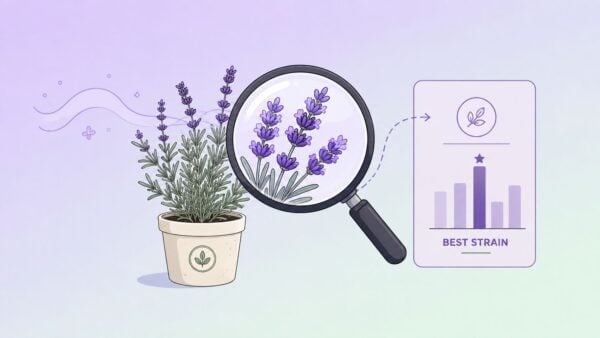
That's where the fun starts. Instead of seeing variation as a problem, you can treat it like selection. You're not just growing a cultivar. You're finding your favorite expression of that cultivar.
Genotype vs Phenotype A Simple Analogy
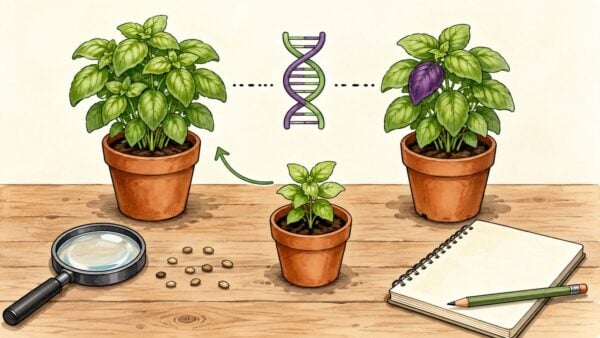
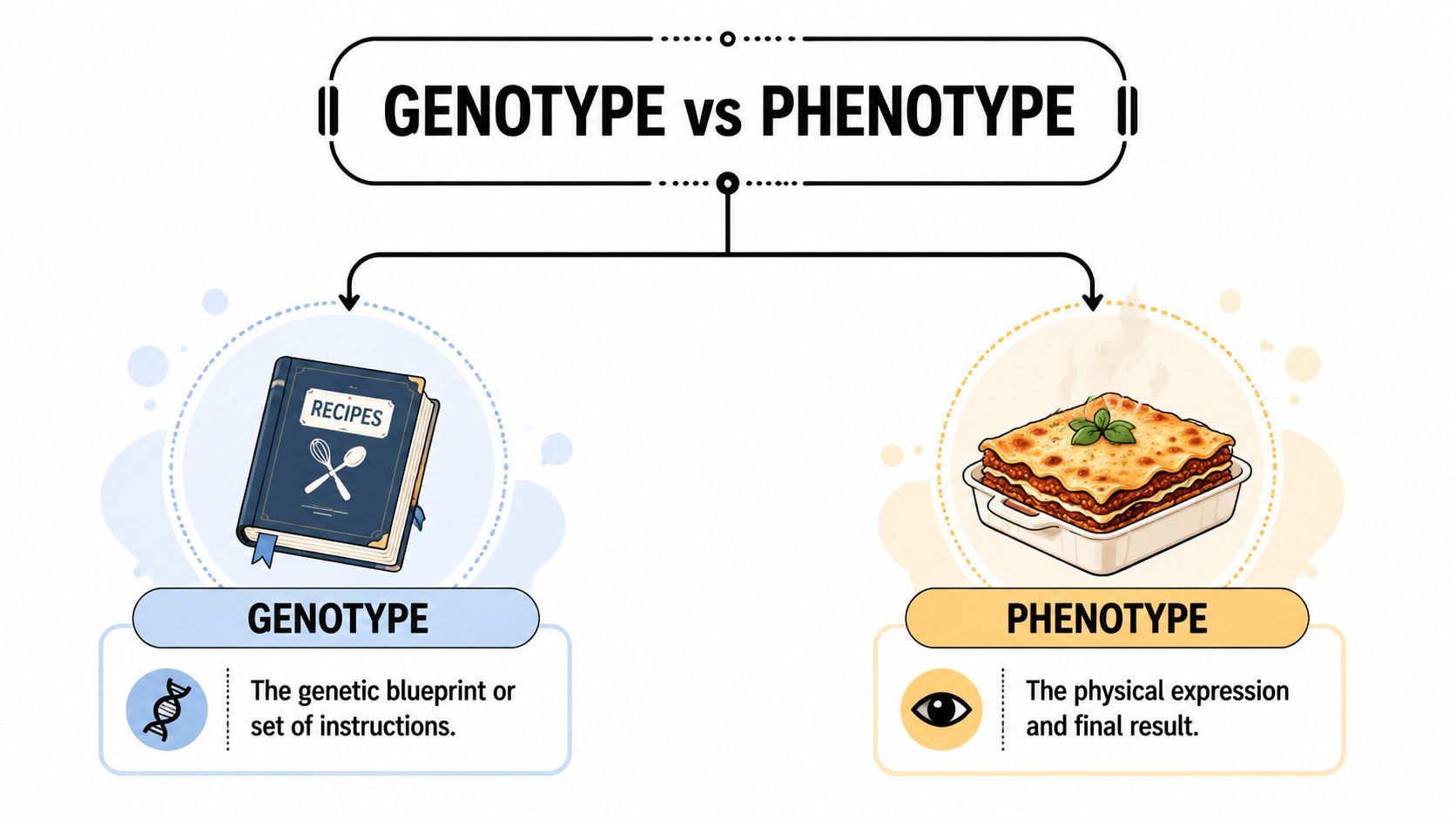
The cleanest analogy I know is this: genotype is the recipe, phenotype is the finished dish.
The genotype is the plant's built in genetic blueprint. It's the set of instructions inside the seed. The phenotype is what those instructions look like after the plant grows in a real environment.
The recipe part
If you buy a lasagna recipe and cook it at home, the recipe gives you the framework. It tells you what can happen if things go right. But the final tray still depends on ingredients, oven temperature, timing, and the person cooking it.
That's genotype.
A cannabis seed contains the genetic potential for traits like growth pattern, aroma direction, bud structure, resin output, and overall character. But the seed doesn't guarantee one single exact result in every setup.
The finished dish part
Phenotype is what you end up with after the plant grows under your specific conditions.
Two growers can start with the same cultivar and finish with plants that feel pretty different. Even in the same room, two plants from the same pack can express slightly different strengths.
That's why a plant can have a recognizable family identity while still showing its own personality.
Where people get mixed up
A lot of confusion comes from expecting genotype to act like a promise. It's better to think of it as a range of likely expressions.
The genetics matter a lot. Strong, stable genetics give you better odds of seeing desirable traits consistently. But phenotype is still the observable manifestation, not the instruction sheet alone.
Here's another layer that makes this more interesting. In cannabis genetics, a single gene can influence multiple traits, a concept called pleiotropy. That means one genetic locus can affect more than one trait, like resin production and bud density at the same time, as described in this review of pleiotropy methods and trait relationships.
Why this matters in plain English
That explains why certain traits often show up together.
You might notice a plant with heavier resin also tends to build denser flowers. Or a plant with a certain structure keeps showing a related aroma pattern. Genetics are connected in clusters more often than people think.
The useful takeaway: you're not selecting isolated traits one by one. You're often selecting bundles of traits that travel together.
That's part of why phenotype hunting feels so rewarding. You aren't just finding a plant that smells great. You may be finding a whole package of traits that fit your goals.
How Your Grow Room Shapes Your Plants
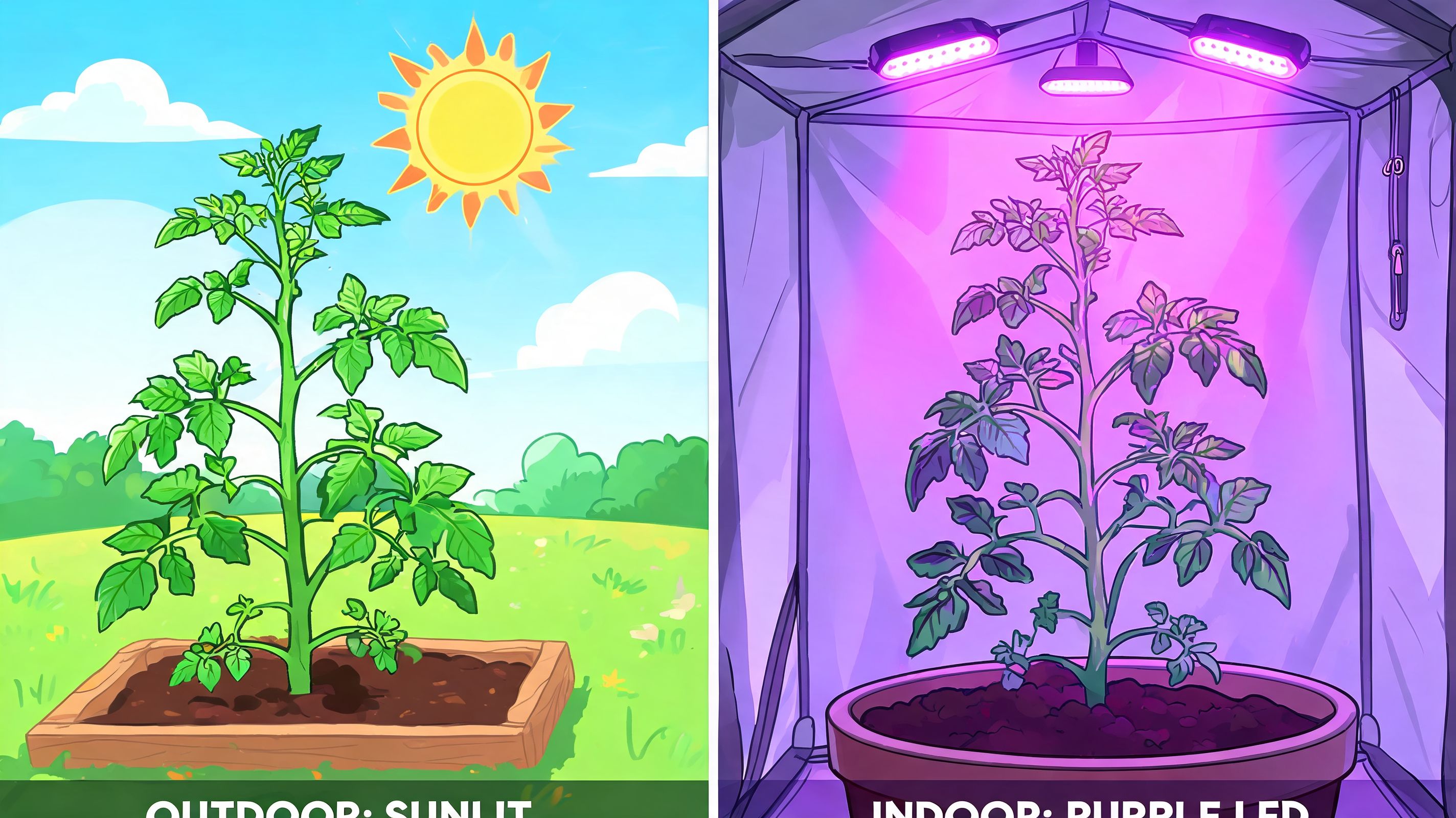
If genotype is the recipe, your grow room is the kitchen. Same recipe, different kitchen, different result.
That's not just grower folklore. The interaction between genetics and environment can explain a large share of the differences you see in traits. In cannabis, that interaction can account for 40 to 60% of trait differences, and identical genetics can still show up to 30% yield differences depending on conditions like temperature, pH, and nutrients, as outlined in this phenotype overview.
The room changes the expression
Phenotype ceases to be an abstract concept and begins to demonstrate its utility.
You've probably seen it already:
- Light intensity changes structure: Plants under stronger, well managed light often stay more compact, while weaker or poorly distributed light can lead to stretchier growth.
- Temperature affects appearance: Some cultivars show richer color when temperatures shift cooler late in flower.
- Nutrients influence vigor: A plant that looks average in one feeding program can look fantastic in another.
- Root zone and watering habits matter: Even a solid cultivar can look off if the roots are stressed.
The key point is that your environment doesn't rewrite the genetics. It changes how those genetics show up.
Why one grower loves a cultivar and another doesn't
This happens all the time. One person runs a cultivar in a dialed in tent and gets dense, aromatic flowers. Another person grows the same cultivar in a room with weak airflow, inconsistent temperatures, or uneven lighting and gets a very different result.
Neither grower is making it up. They're just seeing different phenotype expression.
That's also why setup matters so much when comparing cultivars. Room size, light style, training habits, and climate all influence what traits come forward. If you're still building your setup, it helps to think through the basics of grow rooms for weed before judging a cultivar too quickly.
What to do with that knowledge
You don't need a lab coat for this. You just need to pay attention.
Try asking simple questions during a run:
- Did this plant stay compact because of genetics, or because my light placement encouraged it?
- Did the aroma really change, or did I only notice it once the room warmed up?
- Did one plant lag because it was weaker, or because that corner of the tent ran cooler?
Your grow room is always part of the phenotype story.
That's good news, because it means you have influence. You can shape outcomes by improving conditions, keeping things more consistent, and learning how a cultivar responds in your particular space.
A Practical Guide to Phenotype Hunting
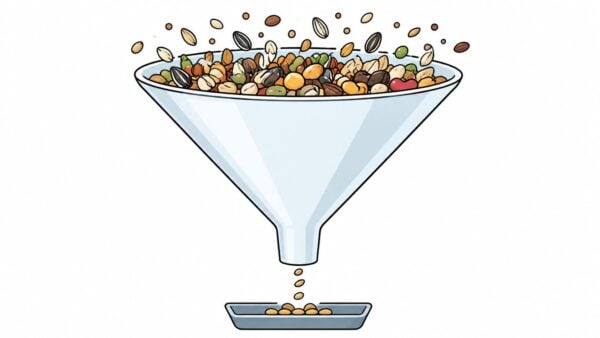
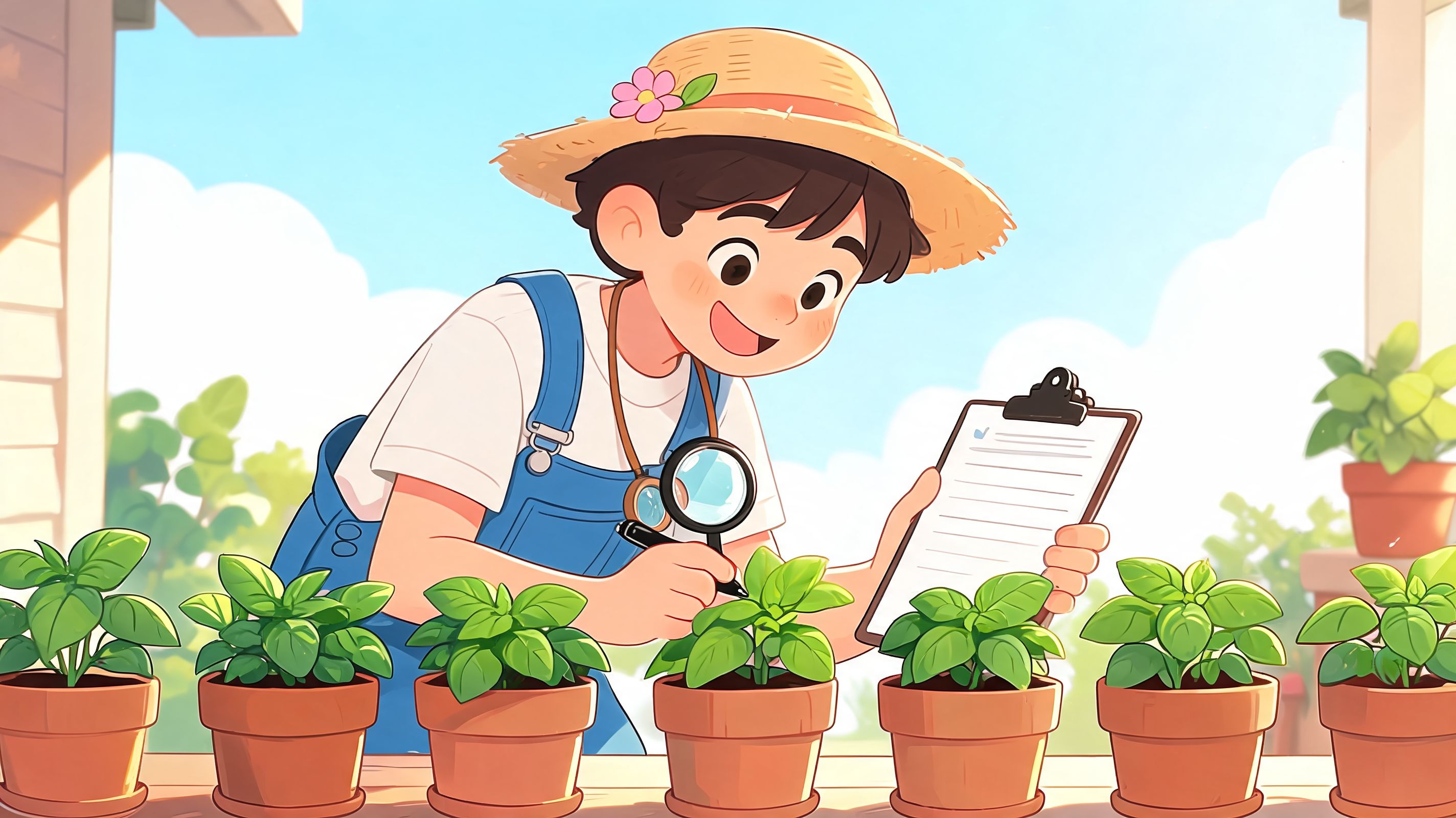
“Phenotype hunting” sounds like something that requires a warehouse, a team, and a clipboard army. At home, it's much simpler. You're basically growing a small group from the same pack and paying close attention to which one stands out.
That's it.
What home phenotype hunting really looks like
For a home grower, the goal isn't to run a giant breeding project. The goal is to compare a few plants fairly and learn what you like.
A simple home pheno hunt works best when you keep as many variables steady as possible. Same medium, same feeding schedule, same light pattern, same pot size if you can manage it.
If you're deciding between seed types for this kind of side by side comparison, it helps to understand autoflowering vs photoperiod before you start, because each style changes how you observe and compare plants.
What to look for
When hunting for phenotypes, look at both measurable and sensory traits. You can track things like plant height and flowering time, and you can also rate traits on a simple scale, including bud density and aroma intensity, as described in this phenotype data guide from JAX.
That matters because the “best” phenotype isn't universal. It depends on what you want.
Some growers want:
- A compact plant: Better for small tents and stealthier setups.
- The loudest aroma: Great if smell is your favorite part of the experience.
- Easy structure: Helpful if you don't want to wrestle with training every week.
- Strong resin coverage: A big visual plus for people who love frosty flowers.
Others want a balanced all around plant that behaves well and doesn't ask for constant correction.
A small scale method that works
Here's a realistic home approach:
- Start a few seeds from the same pack: Keep the number manageable for your space.
- Label every plant early: Don't trust your memory once they take off.
- Grow them under matched conditions: The more consistent you are, the easier it is to compare.
- Observe all the way through the cycle: Early vigor matters, but so does finish quality.
- Pick based on your own priorities: The tallest plant isn't always the keeper. The loudest one isn't always either.
A lot of growers rush this part. They fall for one flashy trait and ignore the rest. The better move is to look at the plant as a complete package.
Here's a solid visual walkthrough to pair with your own notes:
Keep it honest: if one plant smells amazing but grows like a headache in your setup, it may not be your keeper.
That's the home grower advantage. You don't have to choose what a market wants. You can choose what fits your room and your taste.
Tracking Traits and Selecting Your Keepers
The growers who get the most out of phenotype hunting usually aren't the ones with the fanciest gear. They're the ones who take clean notes.
You don't need software, lab tests, or a color coded binder. A basic notebook or spreadsheet is enough. What matters is consistency. If you write observations down at the same points each week, patterns become obvious fast.
What to track during the run
Start in veg. That's where structure shows itself early.
Pay attention to:
- Vigor: Does the plant get moving fast after transplant, or does it stall?
- Shape: Is it bushy, upright, lanky, or naturally even?
- Leaf style: Some plants throw broader leaves, others look narrower and lighter.
- Branch behavior: Strong side branching can make training easier.
Later in flower, your notes shift a bit:
- Budding pace: Which plant starts stacking first?
- Aroma development: Does the smell show early, or only later?
- Trichome coverage: Which one starts looking frosty sooner?
- Bud character: Tight and chunky, or more open and airy?
Use simple scores, not perfect language
You don't need to become a poet to describe flower.
A simple rating system works well. If one plant has a stronger gas note, mark it. If another leans sweet, citrus, or earthy, write that down in plain language. If one feels much stickier, note that too.
Here's a basic format you can use.
| Plant ID | Structure | Aroma Profile (Flower) | Trichome Density (1-5) | Notes |
|---|---|---|---|---|
| A | Short, bushy | Citrus, sweet | 4 | Easy canopy, strong early vigor |
| B | Medium, even | Gas, earthy | 5 | Frostiest plant, slower start |
| C | Tall, stretchy | Pine, sharp | 3 | Needed more support in flower |
How to choose a keeper
A keeper is the plant you'd happily grow again because the total package makes sense for you.
That decision usually comes from a mix of factors:
- Fit for your space: If your tent is short, a wildly stretchy plant may not be worth the hassle.
- Aroma and vibe: Home growers often care most about the cultivar's sensory personality.
- Ease of growth: A plant that behaves well can beat a fussy one with one standout trait.
- Finish quality: Density, resin, and visual appeal all matter.
Some of the best keeper plants aren't the flashiest on day one. They're the ones that stay consistent and finish strong.
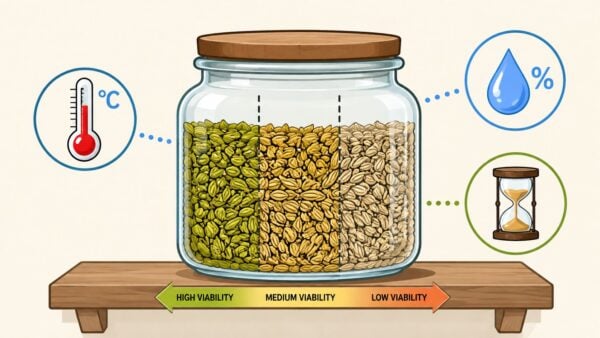
If you do find a phenotype you love and want to plan ahead for future runs, storing extra genetics well matters. Good seed handling basics from guides on how to preserve weed seeds can help you stay organized while you build out your own favorite cultivar list.
Don't let memory pick for you
After harvest, a lot of plants blur together in your head. Notes fix that.
Without notes, you'll remember the loudest smell or prettiest top. With notes, you'll remember that the same plant also had strong vigor, manageable structure, and a finish you enjoyed. That's how you make a smarter selection instead of a sentimental one.
Why Phenotypes Matter for Your Home Grow
Phenotype knowledge changes how you shop, how you grow, and how you judge your results.
Instead of asking, “Why didn't every plant come out exactly the same?” you start asking better questions. Which expression fits my tent? Which one matches the aroma profile I enjoy most? Which cultivar gives me the kind of structure I like working with?
It makes home growing more rewarding
This is one of the best parts of growing your own. You're not stuck with whatever happens to be on a shelf that week. You get to curate your own supply around the traits you care about.
That can mean:
- Saving money over time: Growing at home can cut out dispensary taxes and all those repeated store runs.
- Skipping the line: Your favorite flower is already in your space, not waiting behind a counter.
- Building confidence: Each run teaches you more about what works in your environment.
- Finding your favorite expression: You're not just buying a cultivar name, you're learning which phenotype you prefer.
It also makes you a smarter buyer
Once you understand phenotype, seed selection gets easier.
You stop chasing hype and start matching cultivars to your setup. A grower in a small tent will value different traits than someone with more vertical room. A beginner may want a forgiving plant with straightforward structure. A flavor chaser may care more about aroma expression than raw size.
That mindset gives you more value from every pack. You're not expecting a miracle. You're working with real plant variation in a way that helps you get more consistent, more satisfying results.
Phenotype awareness turns growing from guesswork into observation.
And that's where a lot of the pride comes from. Not just harvesting your own flower, but understanding why one plant became your favorite and knowing how to spot that again.
Frequently Asked Phenotype Questions
Can clones show different phenotypes
A clone is a genetic copy of the plant it came from, so it keeps the same genotype as that mother plant. In practical growing, clones are used because growers want to preserve the same expression they already selected.
The environment can still change how that clone performs or looks in small ways, but the clone is not a brand new seed phenotype.
Do autoflowers have phenotypes too
Yes, they do.
Autoflower cultivars are bred for convenience and consistency, but you can still notice differences in size, aroma, structure, and finish from plant to plant. Usually, home growers see these as subtle variations rather than a completely different personality.
That's one reason it still helps to observe each auto carefully instead of assuming every plant will be identical.
How do I keep a favorite phenotype
If your favorite plant came from a feminized photoperiod seed, you can preserve that keeper by taking cuttings and keeping the plant going as a mother. That lets you rerun the same selected plant instead of starting the search over.
With autoflowers, that approach isn't used the same way, so your best move is usually to take careful notes and revisit cultivars that matched your preferences.
If you want a better shot at finding a phenotype that fits your setup, start with dependable genetics and a clear shortlist. Botanist Seeds makes that easier with a clean catalog, beginner friendly comparisons, and feminized and autoflower cultivars built for real home growers who want solid results without the noise.