What Is Genetic Bottleneck: A Grower’s Guide
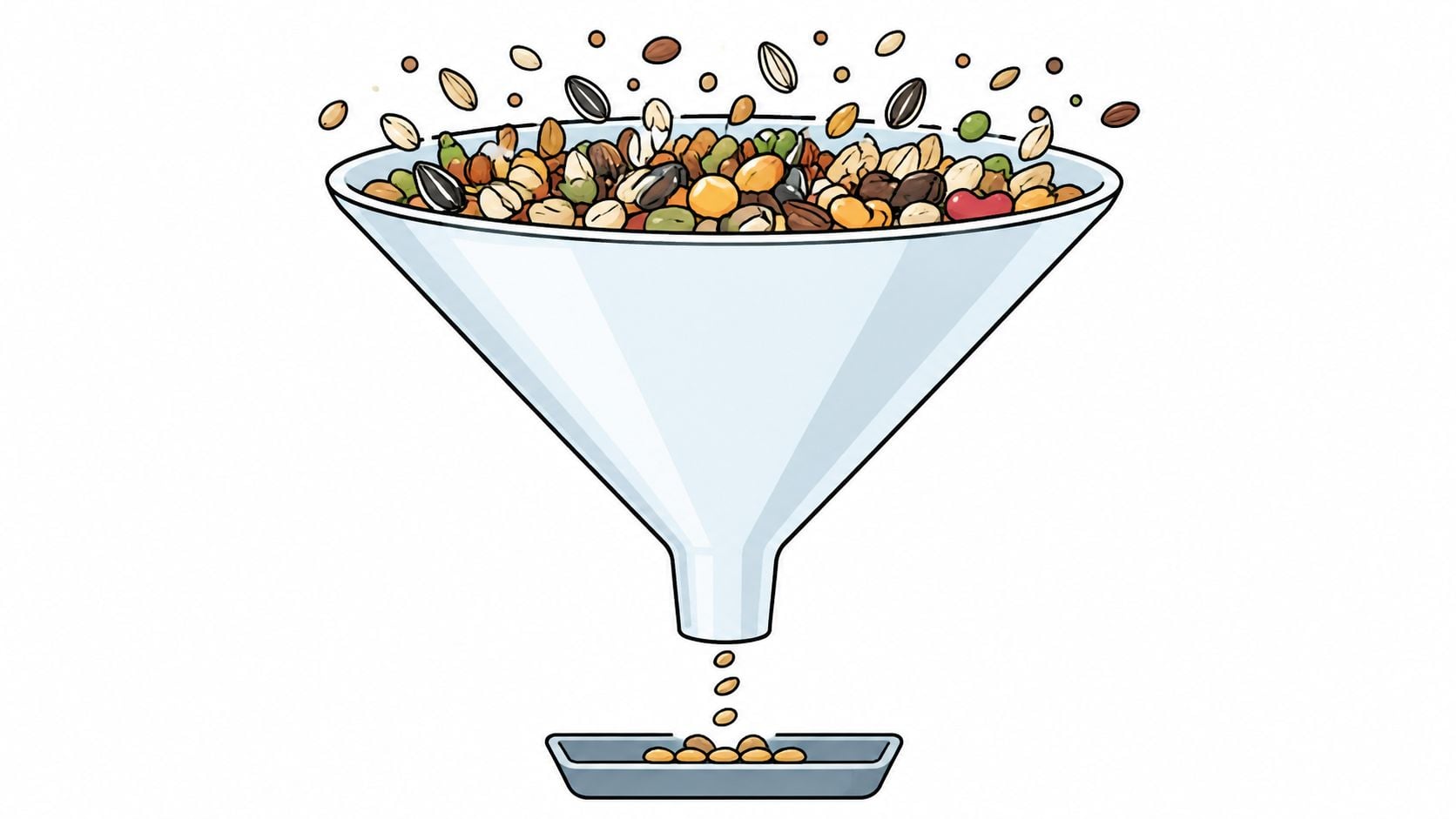
A genetic bottleneck is a sharp drop in population size that wipes out a big chunk of genetic variation. In human ancestors, one major bottleneck is estimated to have left about 1,280 breeding individuals between roughly 930,000 and 813,000 years ago, a collapse that lasted about 117,000 years and cut the lineage to about 1.3% of its ancestral effective population size (Science study).
You can feel that idea in a seed drawer, too. A favorite cultivar runs great for a while, then the aroma shifts, the growth pattern gets a little less predictable, and you start wondering whether the line you trusted got narrowed somewhere along the way.
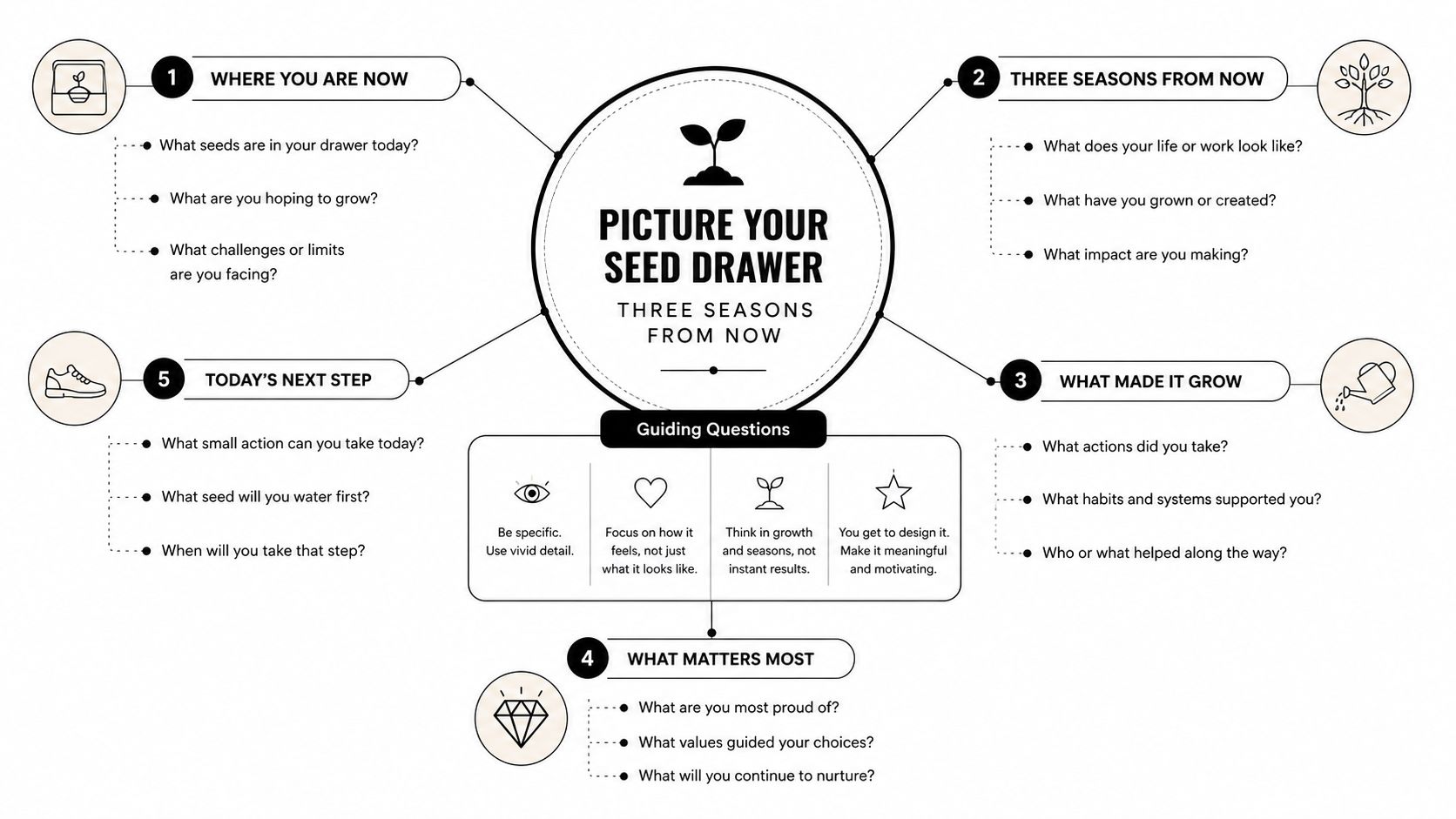
Picture Your Seed Drawer Three Seasons From Now
You pull out the same packet or the same cultivar again, because the first run was exactly what you wanted. The next run is close, but not quite, and by the third you're noticing a flatter scent, a different stretch pattern, or a plant that just doesn't feel as consistent as the catalog write-up sounded.
That's the moment most growers bump into the idea behind what is genetic bottleneck. A genetic bottleneck is a sharp reduction in population size that causes a major loss of genetic diversity, because only a small random slice of the original gene pool makes it through and keeps reproducing (Wheaton College Open Press).
Why this isn't just “weak genetics”
A bottleneck isn't the same thing as a plant looking unimpressive or a line being imperfect. It's a specific event, a population squeeze that removes variation fast, then leaves that narrowed base in place for later generations.
That matters because the “missing” variation is often the stuff growers notice over time, aroma range, growth behavior, and how much a cultivar can absorb stress without getting weird. If you want the plain version of the science, a bottleneck is less like a single bad plant and more like a whole drawer of options getting reduced to a few survivors.
Practical rule: when a line feels less diverse than it used to, don't assume the problem is one grow. Ask whether the genetic base got narrowed upstream.
The rest of the picture is simple. A population crash, a small founding group, or a breeder working from too few parents can leave a lasting mark, even after the line looks healthy again. That's why bottlenecks matter to home growers who care about dependable feminized or autoflower cultivars, not just to scientists who study ancient populations.
How a Bottleneck Happens
At the simplest level, a bottleneck is a survivor pool problem. A disaster, a hard selection pass, or a deliberate breeding shortcut leaves only a few individuals to pass on the next generation, so the new population is built from what happened to survive, not from the full original range of alleles.
A good way to picture it is a seed drawer with many labels, then only a few of those packets get used to restock the whole drawer. The result can still look organized and healthy, yet the range underneath is narrower than it was before.
The same squeeze can happen in breeding without anyone meaning to cause it. If only a handful of mothers feed an entire line, the next generation inherits whatever was in that tiny group, and every round after that starts from the narrower base.
A bottleneck can come from several places.
- Catastrophe: A population crash leaves only a few survivors to rebuild.
- Habitat loss: Fewer plants or animals can reproduce, so the mating pool shrinks.
- Domestication pressure: Humans keep selecting for a few visible traits, which narrows the gene pool over time.
- Small founder sets: A breeder starts with too few parents, then keeps working inside that tight circle.
The reason bottlenecks echo for so long is that the event can be short, while the genetic consequence lasts. Once a rare allele is gone from the survivor pool, later recovery does not automatically bring it back.
A line can also be narrowed by the choices a buyer makes at checkout. If you keep returning to the same narrow family of feminized or autoflower parents, the next generation may carry a tighter genetic base than the label suggests, which is why a phenotype guide can help you ask better lineage questions before you buy.
Scientists use different tools to detect bottlenecks, and those tools do not always agree on timing, size, or intensity. So when you hear a line or a species described as “bottlenecked,” that is usually an estimate built from a model, not a tidy historical snapshot.
A small founding group can rebuild a population that looks healthy on paper, while still carrying a much narrower genetic base underneath.
What Gets Lost and Why It Matters
A bottleneck does not just trim diversity in a vague way. It tends to hit the rarest alleles first, and rare alleles are lost faster than heterozygosity, so a line can look fine on the surface while losing useful variation underneath (Berkeley Evolution). That is why a narrowed population may seem steady at first, then surprise you later when certain traits stop appearing.
Chance also starts calling more of the shots. Berkeley's evolution resource notes that bottlenecks happen when population size is reduced for at least one generation, and genomic reviews show that diversity falls more sharply when the bottleneck is more intense and lasts longer, because genetic drift has more weight in small groups (Berkeley Evolution, genomic work on uneven bottleneck effects). In plain terms, the gene pool becomes easier for randomness to steer.
The part many explainers skip
The loss is not spread evenly across the genome. Recent genomic work shows that bottlenecked populations can build up more potentially deleterious alleles in functionally constrained regions such as coding sequences and untranslated regions, even when the most obvious change is lower overall diversity (genomic work on uneven bottleneck effects).
That matters in the seed drawer. Different traits are carried and expressed in different ways, so a tight line can still look familiar while becoming less interesting in the details, less layered in aroma, less consistent from run to run, or less forgiving when the environment is not ideal.
For instance, a broad pool gives you more room for a phenotype hunt to reveal surprises, while a narrowed pool tends to repeat the same few outcomes. If you are trying to judge how much variation a cultivar can still show, a phenotype guide helps you read that spread in real plants and ask better questions about what the label may not tell you.
Three Real World Bottleneck Stories
Cheetahs are the story everyone knows because the visual is so strong. They look uniform enough that unrelated individuals can seem oddly similar, which is exactly what people expect when a species has been pushed through a tight genetic squeeze. The point isn't that every cheetah is identical, it's that repeated bottlenecks can leave a species with much less room to vary than commonly assumed.
Domestication tells a quieter version of the same story. Humans picked for size, sweetness, yield, flavor, storage, or a specific shape, and every round of selection narrowed the range of what survived into the next generation. That's not a mistake, it's the tradeoff built into choosing a few traits over a full wild palette.
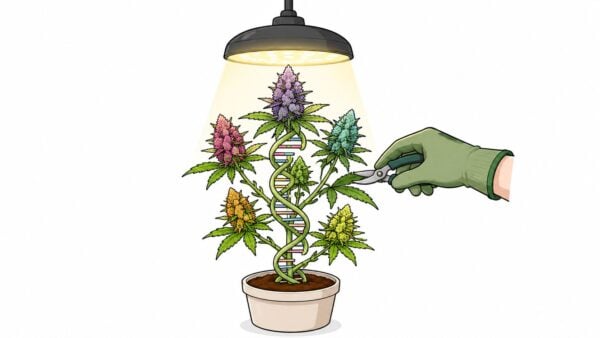
Cannabis lineages can carry the same pattern. Breeder selection, clone-only histories, and repeated use of a small founding set can leave modern cultivars standing on a much narrower base than their name alone suggests. That's why two plants with the same label can still feel different in scent, structure, and finish, especially when their histories came through different hands.
Why the cannabis example hits home
For a home grower, the bottleneck story matters because it explains why a catalog name is only part of the picture. A cultivar can be popular, stable-looking, and still come from a lineage that was squeezed hard somewhere in its history.
The bigger lesson is that bottlenecks aren't exotic. They show up whenever selection gets tight and the breeding pool shrinks. That's true in wildlife, in food crops, and in the feminized and autoflower lines many growers buy for convenience and consistency.
What This Means for Home Breeders and Growers
If you've ever had a line that started with a rich aroma profile and then settled into something flatter, you've already seen why bottlenecks matter. In a grow tent, the signs aren't dramatic at first. They show up as less range in smell, less tolerance when conditions drift, and cultivars that don't seem to hold their character as evenly from one run to the next.
That doesn't mean a narrow line is useless. It means you should read it like a lineage, not like a promise carved in stone. A cultivar sits somewhere on a spectrum of diversity, and the tighter the base, the more carefully you need to think about what's inside the packet.
Feminized and autoflower lines need lineage questions
Feminized and autoflower seed lines are especially worth asking about because the buyer is often depending on a small, curated genetic pipeline. If that pipeline starts from too few parents, the line can look clean and convenient on the surface while still carrying a narrow foundation underneath.
That's why “stable” and “diverse” aren't the same thing. A line can be stable in the sense that it grows predictably, while still being genetically narrow enough that future runs don't offer much room for useful variation.
A few practical patterns make the difference.
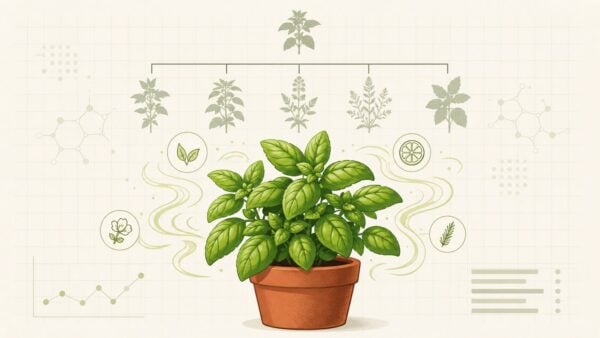
- Broad-base lines: More room for layered aroma, structure, and expression.
- Narrow-base lines: More risk that the same traits repeat, while hidden weaknesses stay hidden too.
- Mixed-source growing: Different breeders can carry different versions of the same named cultivar, which can widen your options.
Grower mindset: don't chase perfection in a single label. Chase the strongest lineage story you can verify.
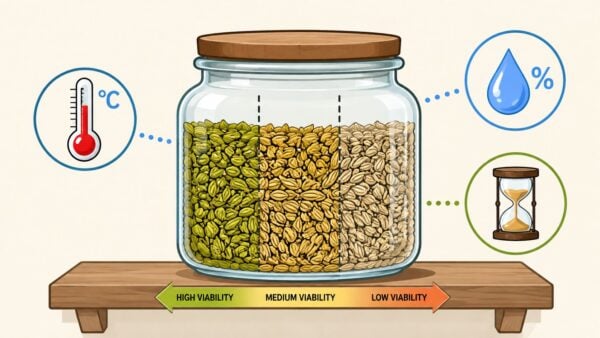
If you want a deeper look at how preserved genetics help keep a line from shrinking over time, the guide to preserving weed seeds is a useful companion read.
Practical Steps to Avoid or Mitigate a Bottleneck
Start with the questions that tell you whether a breeder has kept the gene pool open or narrowed it down too far. Ask how many parent plants contributed to a feminized or autoflower line, whether the breeder refreshes the genetic base, and whether the cultivar has been worked from more than one source.
Then use your own buying habits to avoid locking yourself into one narrow lane. If you like a cultivar, compare it across more than one breeder. If you're building a home garden, keep multiple cultivars in rotation so your personal seed drawer isn't dependent on one line doing everything.
A simple checklist for the product page
- Ask about parent count: More than a vague “selected line” description tells you a lot.
- Look for lineage notes: Clear background beats mystery cut language.
- Check for refreshes: A breeder who reintroduces diversity is doing real work.
- Compare breeders: The same cultivar name can mean different genetic histories.
- Keep options open at home: A wider mix of cultivars reduces your dependence on any one narrow line.
If you're breeding at home, the rule is the same. Keep enough parent plants in each generation that you're not repeating the same squeeze on a smaller scale. A tiny breeding pool can feel manageable, but it's exactly how bottlenecks get recreated indoors.
Red flags are simple. Thin product descriptions, no lineage context, and a one-note selection story usually mean you're buying on faith. Green flags are better, clear provenance, multiple sources for the same cultivar, and a breeder who can explain how the line was maintained without sounding slippery.
Keeping Genetics Strong for the Long Run
A genetic bottleneck is a sharp population squeeze that removes more variation than expected, and the effects can last for generations. That's not destiny, though. It just means a curious grower who asks lineage questions, compares a few reputable sources, and thinks in terms of diversity is already making smarter decisions.
The best habit is simple, keep looking for the broader story behind the cultivar name. A good starting point is understanding what counts as a true background line, and the landrace guide helps frame that bigger picture before you choose what goes in the cart.
Botanist Seeds makes it easier to compare cultivars by lineage, structure, and the kind of consistency that matters when you're planning a real home run. If you're trying to avoid narrow genetics and want a clearer read on your options, visit Botanist Seeds and use the comparison tool to line up cultivars that fit your space and your goals.