Bop Gun Strain Profile and Home Grower Guide
You're scrolling through cultivar listings after work, trying to find something more interesting than another generic indica. The name Bop Gun catches your eye, partly because it sounds like a record-store deep cut and partly because the profile promises fruit, funk, and a properly heavy finish. For a home grower, that combination raises practical questions: will the plant behave in a manageable space, will the aroma justify the effort, and can the finished flower deliver more character than a convenient dispensary purchase?
Bop Gun makes sense for hobbyists who care about the whole process, from selecting feminized or autoflower seeds to watching resin build and opening the first cured jar. It's a small-batch-minded cultivar with a distinct sensory identity, not a blank canvas. The notes below cover its lineage, likely growth habits, phenotype selection, harvest timing, and the trade-offs that matter when your garden space and time are limited.
Why Bop Gun Deserves a Spot in Your Garden
A small grow space rewards cultivars with a clear identity. You want manageable structure, an aroma worth opening the tent for, and flower that justifies months of attention. Bop Gun fits that brief as a craft-minded, mostly indica cultivar from Oni Seed Co., bred from Do-Si-Dos and Papaya. Independent coverage places the genetics at about 80% indica and 20% sativa (Illicit Brand's Bop Gun strain review).
That balance points toward a body-led finish, while the fruit and funk keep the sensory profile lively. The result suits hobbyists who want more character than a convenient dispensary purchase. Its indica-leaning direction may also appeal to growers planning a compact garden project, though the final plant and flower can still vary by phenotype and care.
Boutique character over uniform convenience
Bop Gun has had commercial visibility since 2018, yet coverage continues to frame it as a rotating, small-batch hybrid rather than a permanent mass-market staple (Joint Commerce's Bop Gun strain guide). That limited, cultivar-focused character is part of its appeal. Home growers can select a plant for aroma, resin, and structure, then preserve a personal expression that may be harder to find in a standardized menu product.
The name references Parliament's 1977 track “Bop Gun (Endangered Species)” and Ice Cube's 1993 homage “Bop Gun (One Nation).” That history gives the cultivar a clear funk and hip-hop identity (Joint Commerce's history of the Bop Gun name).
Home cultivation also offers practical control. You set the harvest schedule, manage your supply, and decide how patiently the flower cures. The trade-off is responsibility: stable light, measured feeding, airflow, and careful drying still determine whether the aroma reaches its potential. Bop Gun rewards growers who enjoy those details and take pride in a small-batch harvest shaped by their own choices.
Understanding the Genetic Lineage and Heritage
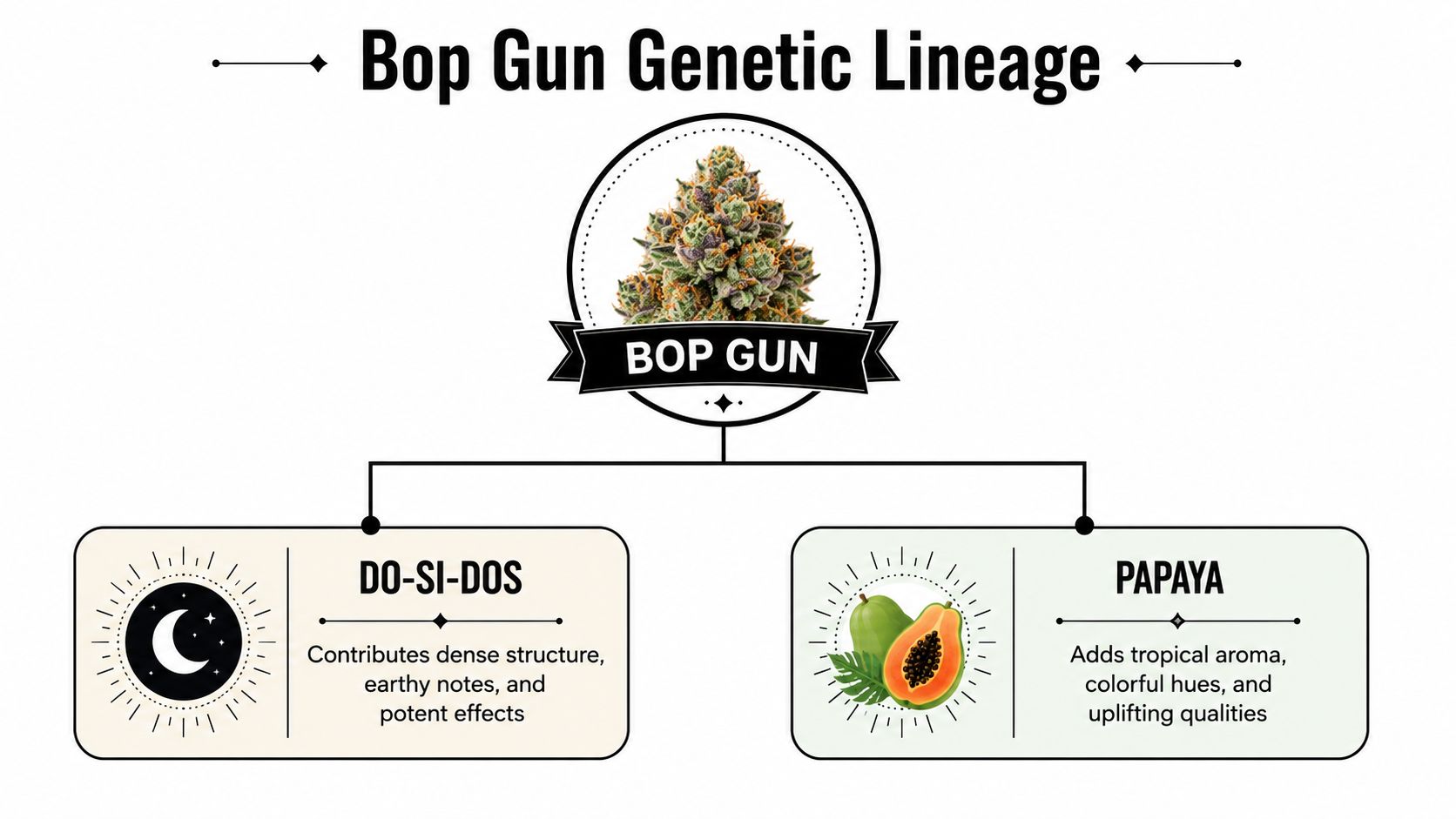
Bop Gun comes from a Do-Si-Dos crossed with Papaya. That pairing connects it to the cookie and dessert-focused breeding wave that grew prominent in the late 2010s, while Papaya contributes a tropical direction that can keep the profile from becoming entirely earthy or bakery-like (Illicit Brand's lineage overview).
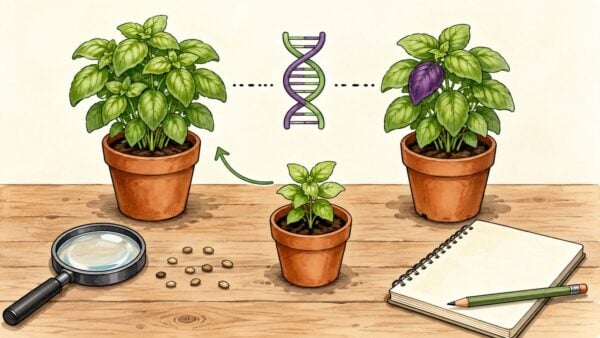
Do-Si-Dos traces back to OGKB and Face Off OG genetics. Papaya is commonly described as a Citral and Ice cross. Parentage sets useful expectations, but it cannot make every seedling uniform. In practice, one side suggests dense structure and kush-adjacent earthiness, while the other points toward tropical fruit and a brighter aromatic edge.
How lineage helps with setup decisions
SeedFinder identifies Bop Gun as a young indica strain from the Pacific Northwest and records at least one direct descendant. That breeding history places it in a documented modern hybrid line rather than treating it as a one-off release.
Use the plant's behavior to refine your plan. In vegetative growth, check whether branches remain close and sturdy or develop wider lateral spacing. As flowering starts, track how quickly the canopy fills, how far the tops stretch, and whether aromatic cues appear early. Those observations are more useful than forcing every plant to match a parent's reputation.
The lineage points to several practical trade-offs:
- Dense structure: Helpful in a compact indoor garden, but it calls for deliberate airflow and humidity control.
- Tropical aroma: A reason to dry gently and cure patiently, since rough handling can mute delicate fruit notes.
- Cookie and dessert heritage: Suggests resin and earthy depth may support the brighter fruit expression.
- Indica-dominant direction: A reasonable starting point for manageable architecture, though individual plants still vary.
Genetics provide a working map, not a guarantee. Lighting, root-zone conditions, training, and harvest discipline determine how much of Bop Gun's character reaches the jar. That variability is part of the small-batch appeal for hobby growers who enjoy selecting a standout plant and learning its habits rather than buying a uniform product.
Terpene Profile and What to Expect from the Experience
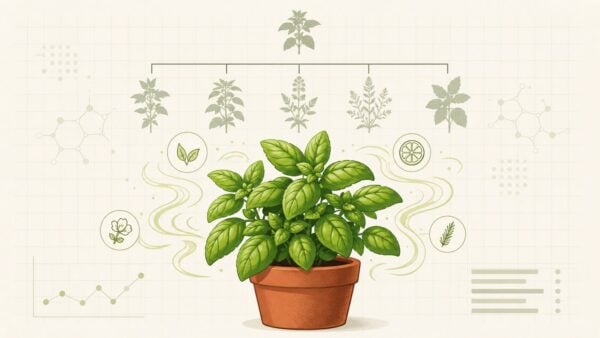
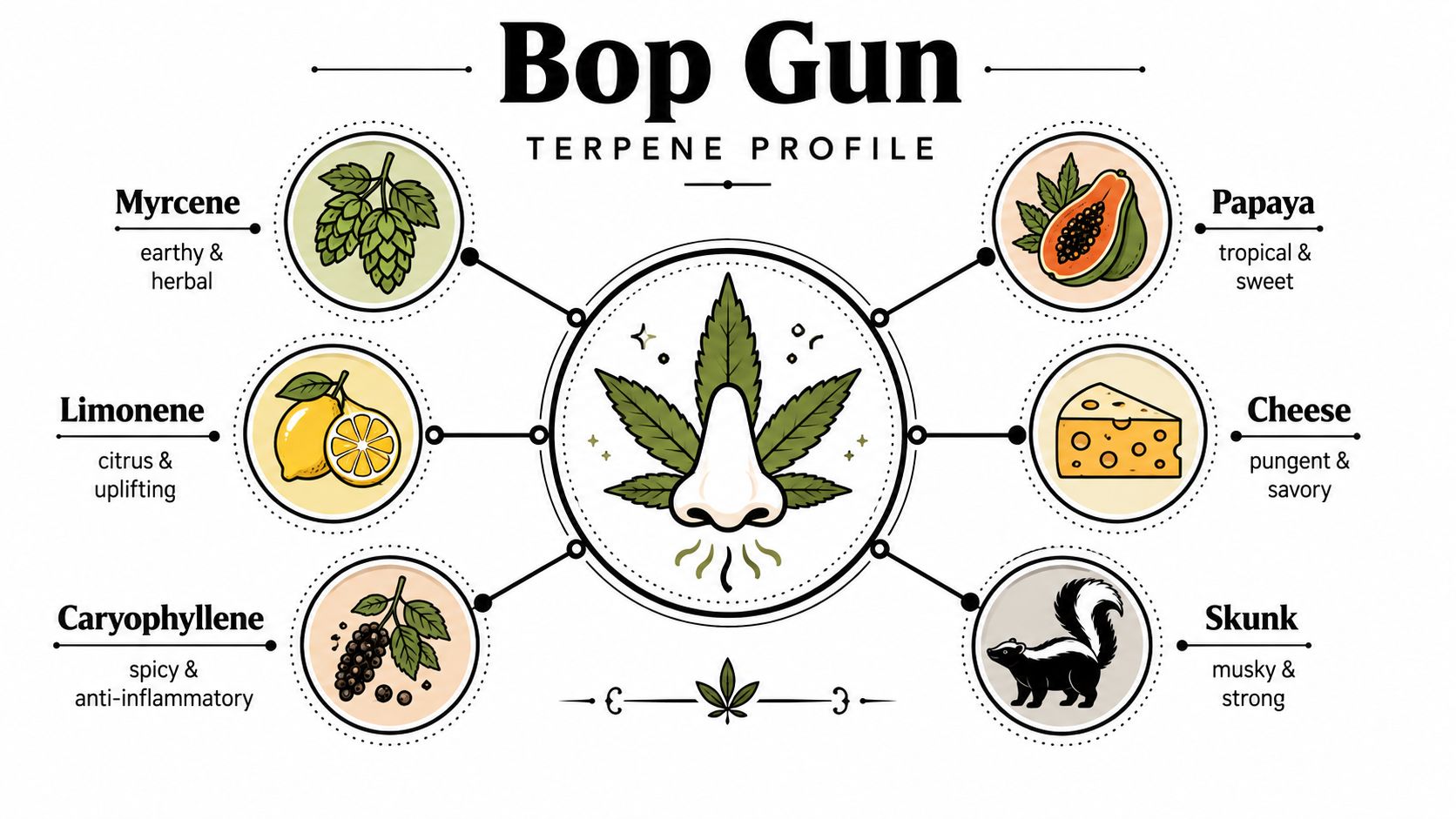
Bop Gun's aroma shifts across several layers rather than staying in one lane. Reported notes include cheese, papaya, lemon, earth, skunk, and pepper, moving from tropical and citrus brightness into savory, musky, and spicy depth (Sativa University's Bop Gun terpene profile). That progression gives home growers a clear reason to preserve the flower carefully. The reward is a changing scent from fresh harvest to finished jar, not just a potency label.
The commonly listed terpenes are myrcene, limonene, and caryophyllene. Myrcene may reinforce the earthy, herbal side, limonene may sharpen lemon and fruit notes, and caryophyllene may contribute peppery warmth. Terpenes work together rather than acting like separate flavor additives, so the final impression depends on the plant's expression and how well the flowers are handled. A practical guide to cannabis terpenes can help growers understand why aroma changes through drying and curing.
Aroma first, intensity second
Consumer references place Bop Gun's THC in the mid-20s, with examples from about 26% to 27.44%, while CBD is generally negligible or near zero (Leafly's Bop Gun strain profile). Those figures describe tested examples, not a guarantee for every home-grown plant. For that reason, a flavorful harvest still deserves a measured first approach, especially when the flower feels stronger than its aroma suggests.
Reported effects include relaxation, euphoria, and creativity. The experience is often described as a mix of ease and mental lift, with the cultivar's indica-dominant direction adding weight while its fruit character keeps the profile from feeling dull or purely sedating.
For hobby growers, terpene preservation is the craft test. Keep handling gentle, avoid rushing the dry, and protect the flowers from conditions that flatten volatile aromas. A jar that opens with lemon and papaya, then gives up cheese, earth, skunk, and pepper, shows how successfully the grower carried Bop Gun's small-batch character from plant to cure.
Cultivation Essentials for Home Growers
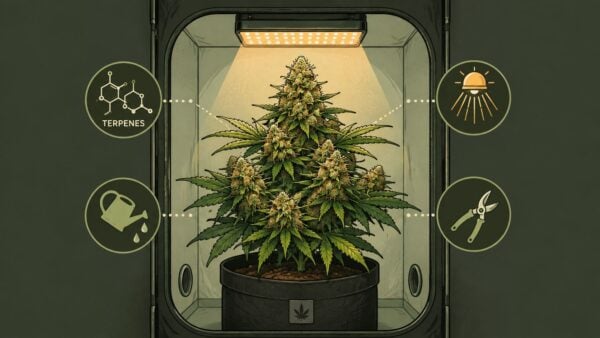
Bop Gun suits a controlled home garden, but dense, indica-leaning flowers reward discipline. The reliable approach is to build an even canopy, avoid aggressive feeding, and keep the late-flower environment dry enough to protect compact buds without stripping the plant of aromatic character.
Build the room around consistency
Use a stable light schedule and watch the plant's response rather than assuming more intensity always means better flowers. Moderate light during vegetative growth helps maintain manageable spacing, while flowering requires enough coverage to develop the full canopy evenly. Rotate or reposition plants when necessary, but avoid constantly changing the environment.
Nutrients should stay moderate. Feed according to the medium and the plant's color, posture, and leaf tips. A slight tip burn is a warning, not a trophy. Bop Gun's flower quality won't improve because the root zone is pushed past what the leaves can process.
Practical rule: If the plant looks dark, clawed, or burned, reduce the intensity of the feed before adding another supplement.
Train for air movement
Low-stress training works well for a home setup because it spreads branches without creating unnecessary recovery time. Top or shape the plant during vegetative growth if the canopy needs more main sites, then use ties or a trellis to keep tops at a similar height. Avoid stripping too much foliage at once. The goal is light penetration and airflow, not a bare plant.
Early flower deserves close attention. Indica-dominant hybrids can still stretch after the light schedule changes, so leave enough vertical room for the tops to extend. If the plant begins reaching, guide branches outward and keep the center open rather than waiting until the flowers become crowded.
Manage humidity and finish
Humidity control becomes more important as the flowers thicken. Keep air moving above and below the canopy, remove damaged leaves promptly, and inspect dense tops regularly. Outdoor growers should choose a sheltered position with strong morning light and dependable airflow, while indoor growers can make smaller environmental adjustments as the flowers develop.
Harvest readiness comes from the flowers, not the calendar. Look for mature trichomes, developed calyxes, and fading pistils, then compare several tops rather than judging a single sugar leaf. A patient finish usually preserves more of the cheese, papaya, lemon, earth, skunk, and pepper character that makes this cultivar worth growing.
Phenotype Selection and What to Look For
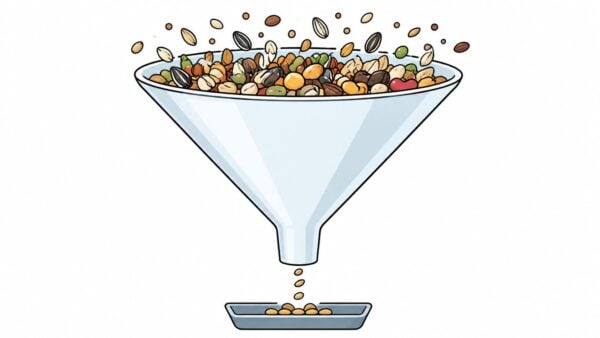
A phenotype hunt gets useful when you define “best” before the plants show you what they can do. One grower may want the loudest papaya and lemon aroma. Another may prefer a tighter, more compact plant that fits a small tent. A third may prioritize resin and manageable branches over maximum visual color.
Bop Gun's lineage suggests a broad sensory range, so keep your evaluation practical. During vegetative growth, compare:
| Selection priority | What to watch | Trade-off |
|---|---|---|
| Aroma | Early fruit, citrus, cheese, earth, or pepper cues | The loudest plant may need more careful drying |
| Manageability | Branch spacing, recovery after training, canopy shape | A compact plant can crowd itself later |
| Flower quality | Resin development and firm, well-formed tops | Dense flowers require stricter airflow |
| Yield potential | Number and placement of productive branches | More sites can mean more trimming and support |
Don't make a final decision from height alone. A shorter plant isn't automatically the best choice, and a vigorous plant isn't automatically a keeper. Compare posture, branching, response to training, and aroma at the same stage of growth.
A simple keeper process
Label every plant clearly and keep notes in a spreadsheet or garden journal. Record the date of each observation, the training response, the first noticeable aroma, and how the canopy handles the available light. If you can't describe why one plant is better suited to your room, you're selecting by memory rather than evidence.
Use this phenotype selection guide to sharpen the comparison. When space is limited, remove plants that combine weak structure with muted aroma or poor canopy control. Keep the plants that match your actual goal, even if they aren't the tallest or most dramatic.
A keeper should make the next grow easier or more rewarding. The strongest candidate might be the plant with the most expressive terpene profile, or it might be the one that finishes evenly with less work. There's no prize for keeping every expression. Good selection turns a crowded garden into a repeatable personal line.
Harvest Timing and Curing for Maximum Flavor
Bop Gun rewards a patient finish. Cut too early and the flower can taste thin, while waiting too long may soften its brighter fruit and citrus character. Check flowers from several parts of the plant, since upper colas and lower branches often mature at different rates.
A loupe or microscope helps you inspect trichomes on weed without relying on pistil color. Examine multiple sites and look for resin that has developed across the flower. Clear trichomes usually indicate more time is available. A mostly mature appearance gives you a firmer basis for choosing the harvest window.
Your room and flower density should guide the trim. Leaving larger branches intact slows drying and can help retain aroma, while smaller pieces finish sooner. Keep the drying area dark, clean, and gently ventilated. Aim airflow around the flowers rather than directly at them, because a fast-drying outer layer can leave a harsh edge while the center remains wet.
Check texture during drying instead of following a fixed timetable. The surface should become dry enough to handle, but the interior needs some moisture for the cure. Flowers that turn brittle immediately dried too fast. Flowers that remain wet and heavy after extended hanging need better airflow and closer inspection.
Cure for the full profile
Transfer properly dried flower to clean, airtight jars without packing it tightly. Open the jars periodically at first to release excess moisture and exchange air. As the flower stabilizes, open them less often. A steady cure can soften the smoke and sharpen Bop Gun's shift from tropical fruit and lemon into cheese, earth, skunk, and pepper.
Watch for these common errors:
- Over-drying: Aroma becomes thin and the finish harsher.
- Packing wet flower: Uneven moisture becomes trapped and spoilage risk rises.
- Opening jars constantly: Frequent air exchange interrupts a stable curing environment.
- Ignoring dense centers: A dry exterior does not confirm that the middle is ready.
- Handling buds roughly: Excess contact can damage delicate resin heads.
Patience beats complicated equipment. A clean jar, stable storage, and regular observation usually protect Bop Gun's small-batch flavor better than another late-stage additive. That hands-on finish is part of the appeal for home growers who care about aroma and the satisfaction of bringing a carefully grown plant across the line.
Sourcing Seeds and Planning Your Next Grow
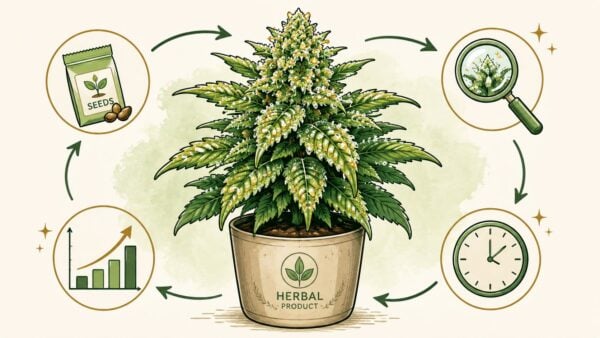
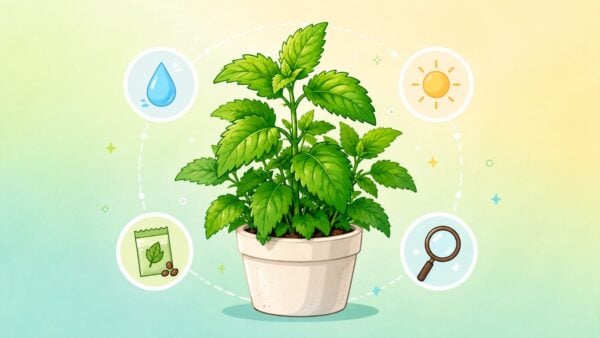
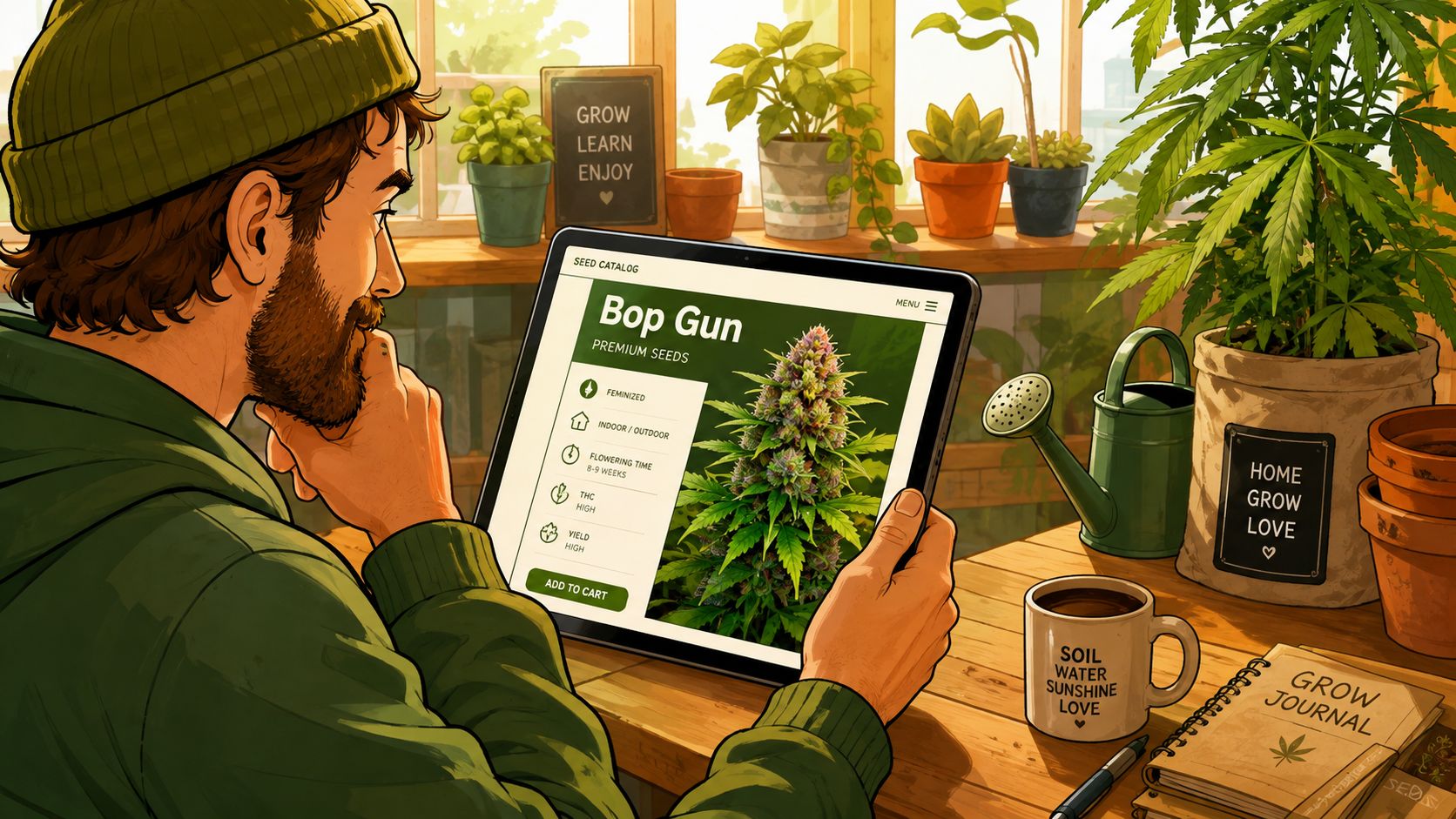
Reliable sourcing starts with clear information. Look for a seed seller that identifies the cultivar, explains whether the pack is feminized or autoflower, and gives you enough detail to match the plant with your room. For home growers, feminized seeds simplify planning by keeping the focus on a productive flowering garden rather than traditional breeding complications. Autoflower seeds can suit growers who want a simpler schedule and less dependence on changing the light cycle.
Choose based on your setup, not just the cultivar name. A compact space may favor manageable architecture and a forgiving training plan. A larger garden can support a phenotype comparison, especially if aroma is more important to you than uniformity. If you're new to growing, start with a scale you can monitor closely. A smaller, well-run garden teaches more than an oversized room that gets neglected.
Compare cultivars like a grower
Use a comparison tool to place Bop Gun beside cultivars with different structures and aroma families. Check the traits that affect your day-to-day work:
- Flowering behavior: Can the expected structure fit your vertical clearance?
- Aroma goals: Do you want tropical fruit, savory funk, citrus, or a quieter profile?
- Training tolerance: Will the plant suit topping, low-stress training, or a natural shape?
- Seed format: Would feminized or autoflower genetics better match your schedule?
- Personal workload: Are you prepared for careful humidity control and a patient cure?
Home growing can reduce dependence on dispensary trips, help you avoid waiting in line, and give you direct control over how the flower is grown and finished. The pride is practical, too. You know the plant's environment, the harvest timing, and the care that went into the jar.
Start small, document each run, and let the next grow build on the last one. Bop Gun is a good choice for hobbyists who want aroma and character without treating cultivation like a factory process.
Botanist Seeds makes cultivar selection easier with a curated catalog of feminized and autoflower options, clear strain comparisons, and a shopping experience built for home growers. Visit Botanist Seeds to compare Bop Gun with other cultivars and choose genetics that fit your space, schedule, and aroma priorities.