




Eastside OG Strain: Complete Grower’s Profile and Guide
You're standing in front of a seed menu or a dispensary board, and half the names sound like they came from the same OG universe with a different sticker on top. Eastside OG is exactly the kind of cultivar that makes growers pause, because the name is familiar enough to feel safe, but fuzzy enough to raise real questions about what's in the jar or in the pack.
That confusion matters. If you're growing at home, you want a cultivar that behaves in a predictable way, finishes clean, and gives you flower you can be proud of without spending your weekend in line or paying retail markup and taxes. Eastside OG has earned attention for the same reasons plenty of OG-family selections do, strong aroma, dense resin, and a heavy, relaxing vibe, but it's also surrounded by enough naming noise that a careful buyer needs to look past the label.
What Makes Eastside OG Stand Out in the OG Family
A lot of growers first meet Eastside OG through the same doorway they use for most OGs, they chase a smell they already trust. You crack a jar, get that fuel-heavy first impression, and the cultivar feels familiar before you know anything about the backstory. That is part of why it keeps coming up, it sits in the classic OG lane without trying to force a new identity on top of it.
The harder question is what you are buying when the name shows up on a menu or in a seed listing. Eastside OG sits in a busy part of the OG family tree, and naming conventions are not always clean across markets. Independent references place it as a slightly indica-dominant hybrid, while other catalogs lean more heavily into the indica side, so the practical move is to read the plant, not just the label (Joint Commerce).
What that means in the grow room
Eastside OG stands out because it behaves like a cultivar with a real following, not just a retail name that gets reused. The documented line propagation matters here, because strain databases trace descendants such as Detroit Hustle, Detroit Muscle, Eastside Gary, Eastside Mac, Ending Alaska, and Bog OG, which points to people selecting from it and building with it rather than only relabeling the same flower (Joint Commerce).
That matters in a home grow. When a cultivar keeps getting selected, crossed, and recirculated, it usually means the plant holds traits worth preserving, even if different packs or cuts do not behave identically. I treat Eastside OG like that kind of plant, steady, useful, and more honest about its strengths than flashy strains that peak fast and disappear.
Practical rule: If a cultivar has multiple named descendants, treat the name as a genetic starting point, not a promise that every pack or cut will grow the same way.
Another reason it stands out is staying power. Market-facing reports have listed Eastside OG flower in the roughly 19% to 26% THC range from 2019 to 2024, with total cannabinoids often between 21% and 30%, which suggests this was not a short-lived label that vanished after one run (Joint Commerce). For growers, that kind of persistence usually signals a cultivar that keeps enough interest to remain in circulation.
If you are comparing seed options, the safest move is to start with a known OG line such as OG Kush feminized seeds and then judge each Eastside OG listing by the breeder notes, phenotype descriptions, and grow reports attached to it.
The Lineage Behind Eastside OG
A lot of Eastside OG confusion starts with the name itself. In practice, growers are often sorting through a label that points back to OG Kush history, but not always to one clean, universally agreed cut. That matters when you are buying seeds or comparing clone-only claims, because the same strain name can hide very different plant behavior once it gets into the tent.
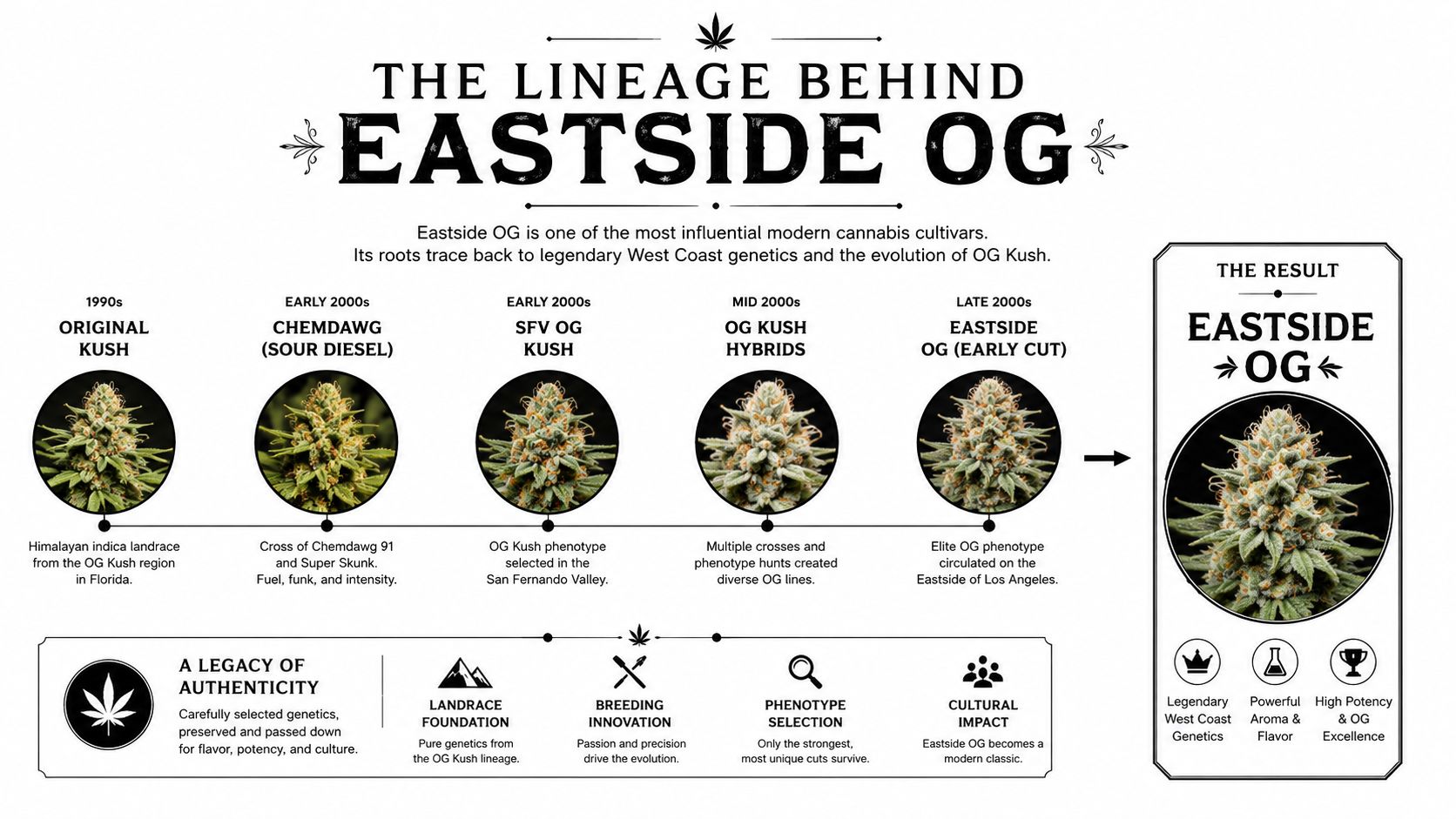
Leafly's OG timeline places 1996 as the year Josh D brought OG Kush cuttings into Southern California circulation, 1997 as the year the cut reached the Bay Area, and 2001 as the moment confirmed OG Kush prices in Los Angeles hit $8,000 per pound (Leafly). Those dates do more than mark a trend. They show how fast clone-only culture turned a regional cut into a premium lane, then into a family of names that growers still sort through today.
By 2004, OG Kush had reached the Emerald Triangle, and by 2008, seed versions such as SFV OG and Tahoe OG were being released, which tells you how clone-only culture evolved into broader breeding use (Leafly). Eastside OG is generally placed in that later wave of OG selection and reuse. One guide ties its rise to the Prop 215 era and notes that the name still appeared on California adult-use menus after 2018 (Joint Commerce).
Mad Scientist Genetics and the six-cut story
The most specific historical framing ties Eastside OG to Mad Scientist Genetics and describes it as an OG-family hybrid created from six distinct OG cuts (Joint Commerce). That detail matters because it pushes Eastside OG past the level of a simple menu name and into dedicated breeding work.
The same source traces at least six named descendants from it, including Detroit Hustle, Detroit Muscle, Eastside Gary, Eastside Mac, Ending Alaska, and Bog OG (Joint Commerce). Once a cultivar starts spawning named follow-ups, you are no longer dealing with a casual label. You are looking at a node in the OG ecosystem.
That said, the identity picture is not perfectly clean. Independent strain references also place Eastside OG around 60% indica / 40% sativa, while other catalog descriptions push it closer to 70% indica / 30% sativa, which is the kind of spread that shows up when phenotype selection and market naming do not stay perfectly aligned (Joint Commerce). The practical takeaway is simple, expect OG character first, and do not treat any single ratio as gospel.
If you are cross-shopping OG-family seed stock, an OG Kush reference point is still useful. Use this OG Kush feminized seed page as a comparison anchor because Eastside OG sits in the same broader family logic, even if its exact branching story is more contested.
Appearance and Aroma Profile
Eastside OG usually shows up like a grower's OG cut should, compact, frosty, and built to turn heads in the jar. The buds tend to sit in that classic spear-to-structured hybrid range, with more practical density than flashy bulk. That matters in the world, because strains with this kind of build usually hold their shape well through drying and curing, which helps the flower stay consistent once it leaves the room.
What to look for in a healthy finish
At maturity, the flowers often carry heavy trichome coverage, enough that the sugar leaves look dusted rather than lightly coated. The aroma usually runs through gas, lemon peel, and pine, with a peppery edge that keeps it from drifting into sweeter modern hybrid territory. That scent is one of the clearest signs you are looking at a faithful Eastside OG expression, especially when seed stock or phenotype naming gets messy.
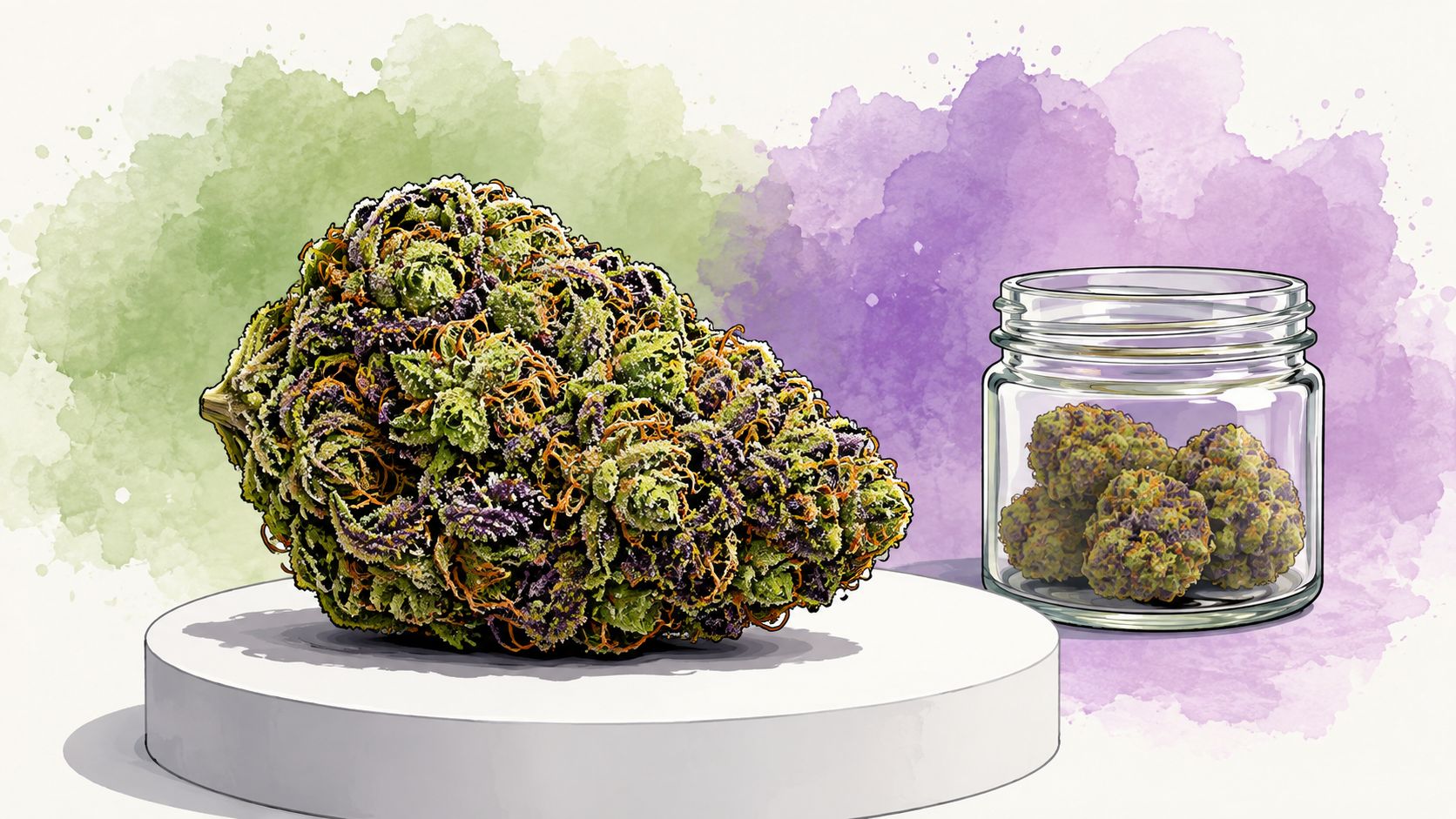
A proper Eastside OG finish should smell loud before the grind. Once the flower is broken up, the fuel note usually gets sharper and the citrus shifts toward zest instead of candy. That difference helps separate a real OG-leaning plant from something that only borrows the name on the label.
Freshness matters more than people admit. A well-cured Eastside OG jar should still give off that fuel note when it is opened, not only after the bud is crushed.
Visual quality and aroma quality usually track each other here. If the flower looks frosty but smells flat, or if the nose is bright but the buds are loose and airy, handling or phenotype selection probably missed the mark. Good Eastside OG should feel like a complete package, not a single strong trait.
The Eastside OG Experience and Effects
Eastside OG tends to land with the kind of presence that makes people slow down a little. The first impression is usually a lifted, clear-headed start, then the experience settles into a heavier, more relaxed finish. That makes it a better fit for low-demand time than for a packed schedule.
The cultivar is widely described as high-THC and low-CBD, which means there isn't much CBD buffering to smooth the intensity (Joint Commerce). In plain grower language, that usually translates to a punchier feel that rewards measured use instead of big, casual hits. If someone is expecting a soft, balanced ride, Eastside OG can feel stronger than the label suggests.
How it tends to land in real use
The practical vibe is straightforward. It's the kind of flower people keep for the end of the day, for music, for a quiet reset, or for hanging out when the only real plan is to sit still and enjoy the room. It doesn't try to be playful and airy the way some bright citrus cultivars do.
Because the profile is THC-forward, dose control matters more than bravado. A small amount can feel plenty loud, especially if the cure preserved the terpene profile well. Bigger pulls don't usually make the cultivar more interesting, they just make it more forceful.
What works best is pacing. Eastside OG rewards people who respect the first impression, then give it time before deciding on a second round. What doesn't work is treating it like a mild daytime puff and hoping the effect stays in the background.
Cannabinoids and Terpenes in Eastside OG
A grower usually notices Eastside OG's chemistry before the label catches up. The flower tends to come through as THC-forward and low in CBD, so the finished effect is shaped more by potency and terpene balance than by any softening from CBD. The guide material for this strain places it in a roughly 19% to 26% THC range in market-facing reports, with total cannabinoids commonly between 21% and 30%, while another profile puts THC around 19% to 36% by dry weight and CBD at or below 0.5%.
That profile creates a very direct flower. There is less CBD buffer, so the experience and the way the plant expresses itself both tend to feel sharper. For anyone selecting seed stock or judging a phenotype, that matters because two plants with the same name can still differ in how hard they hit and how much aroma they hold through the cure.
The chemical shape of the profile
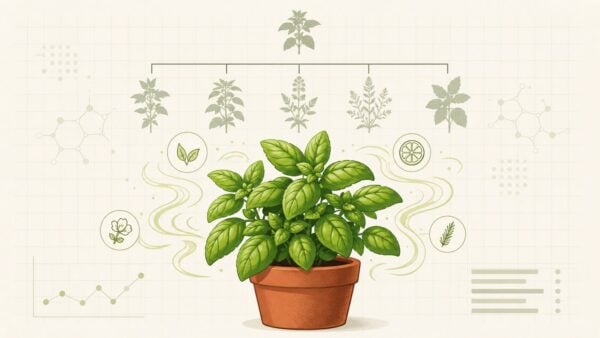
The terpene side lines up with the aroma profile. Eastside OG is commonly described around a myrcene, limonene, and beta-caryophyllene backbone, which helps explain the gas, citrus, and spice notes people associate with it. That mix also gives the strain more depth than a simple fuel-heavy flower, especially when the cure protects the volatile compounds.
If you are comparing cultivars that smell close on paper, the terpene balance is where the separation shows up. A good terpene reference page helps make sense of why one plant in the same family feels brighter while another comes off heavier and more earthy. Eastside OG sits in that overlap, which is part of the reason strain-name confusion comes up so often.
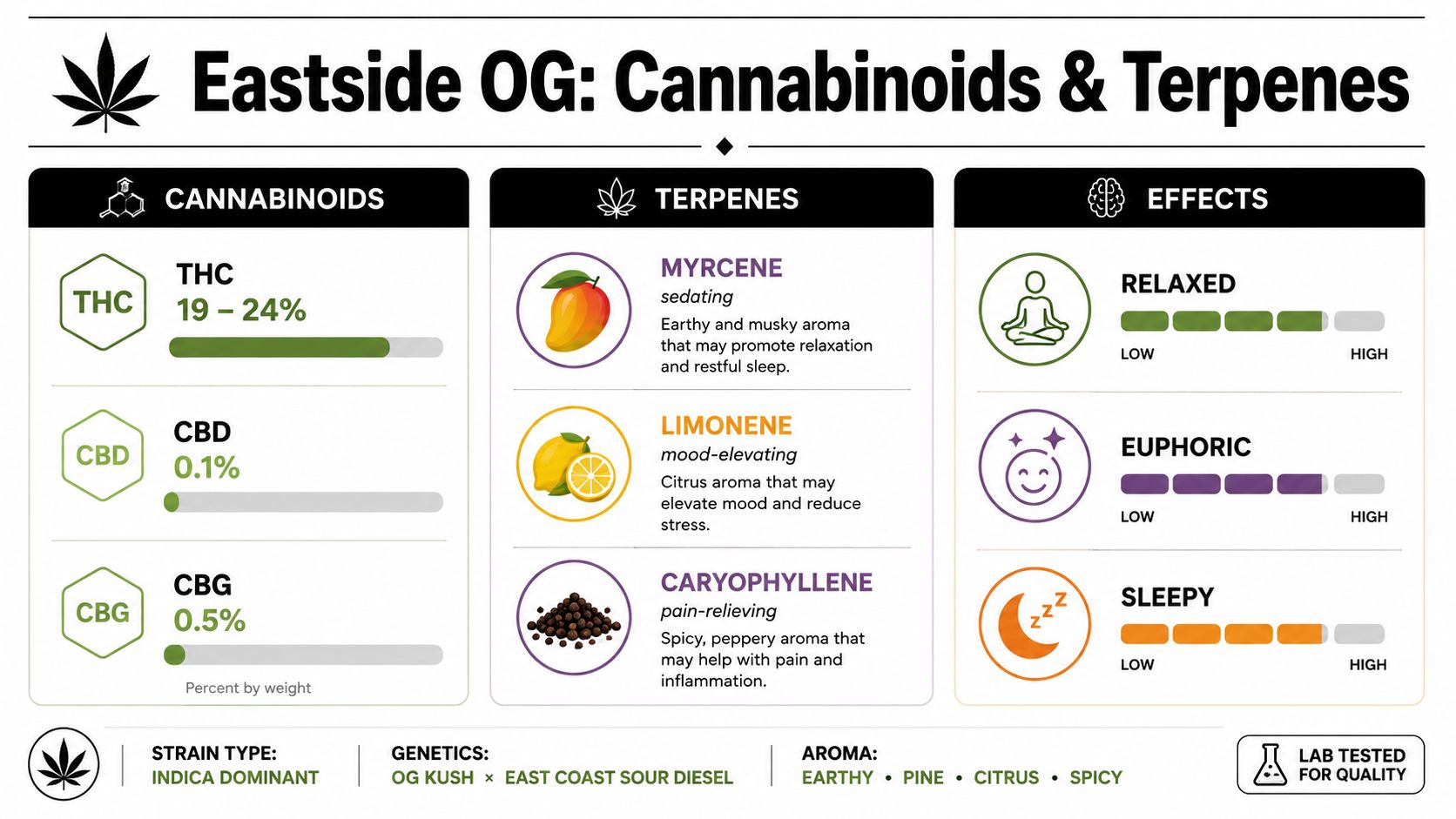
The practical takeaway is simple. Eastside OG can deliver a potent finished flower with a loud terpene profile, but only if the plant is handled well through harvest and cure. Rush the dry, let the jar work slip, or buy seed stock without checking which Eastside OG line you are getting, and the result can lose the character people are usually after.
Growing Eastside OG at Home
Eastside OG is the kind of cultivar that rewards a controlled home setup more than a casual, hands-off approach. The plant's OG background points you toward structure, airflow, and patience, especially if you want the buds to finish dense and well-shaped. It's a solid choice if you like working with a cultivar that has a clear personality.
Indoor and outdoor handling
Indoors, Eastside OG does best when you keep the canopy even and give the branches enough support to carry weight. The cultivar's listed flowering window in practical grow guidance sits in the 8 to 10 week range, and the crop responds well to a standard 12/12 light cycle once flipped (Joint Commerce). That's a manageable timeline for hobby growers who want a dependable run without dragging flower out forever.
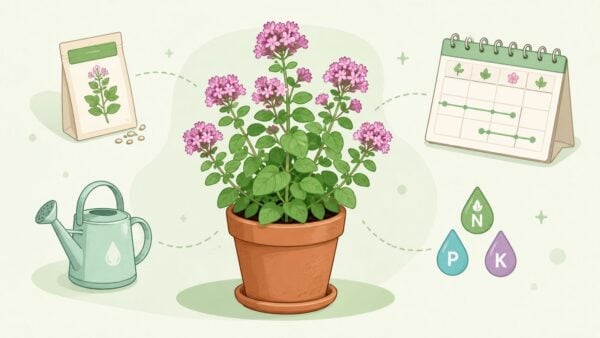
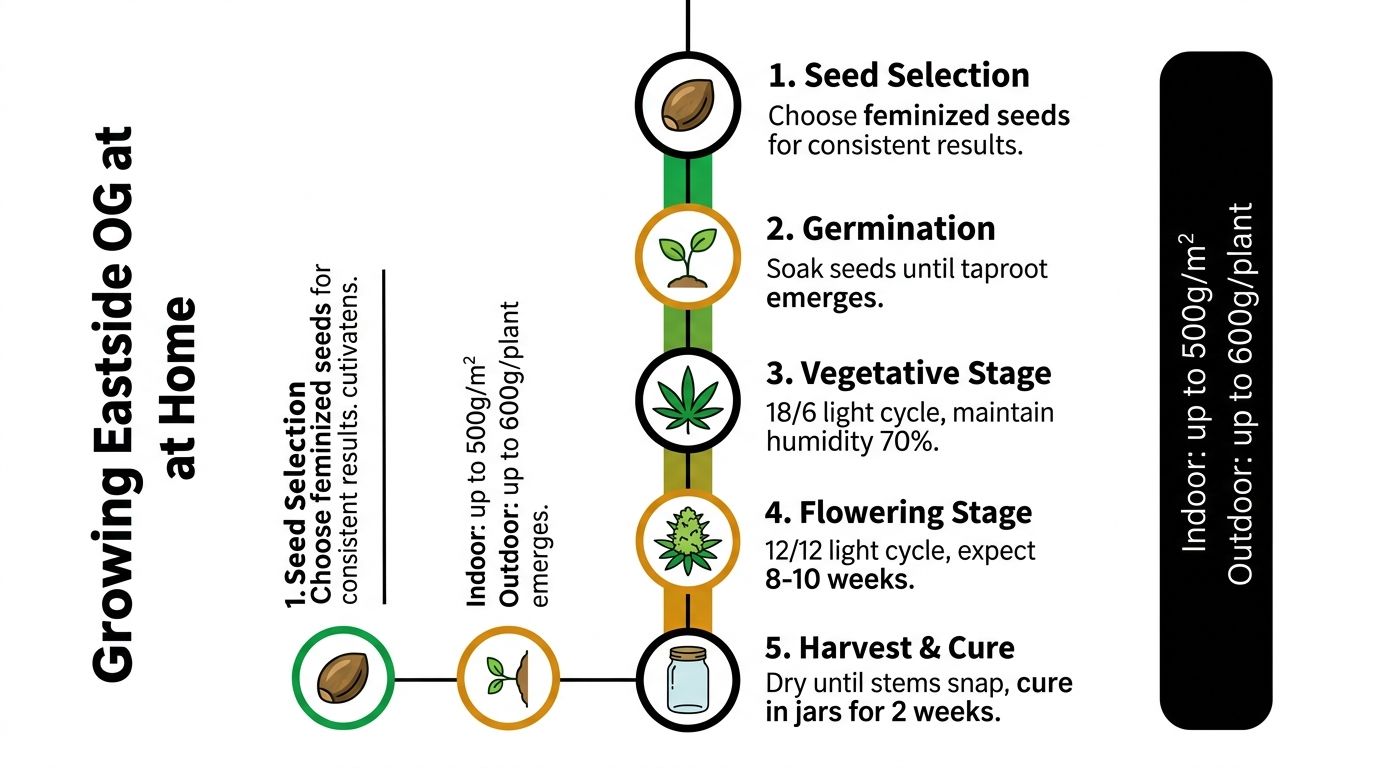
The practical workflow is simple:
- Seed Selection: Choose feminized seeds if you want a cleaner, more predictable run.
- Germination: Keep it gentle, and wait for the taproot before moving forward.
- Vegetative Stage: Use an 18/6 light cycle and keep the environment stable.
- Flowering Stage: Flip to 12/12 and hold your structure in place.
- Harvest and Cure: Dry until the stems snap, then cure in jars so the aroma settles properly.
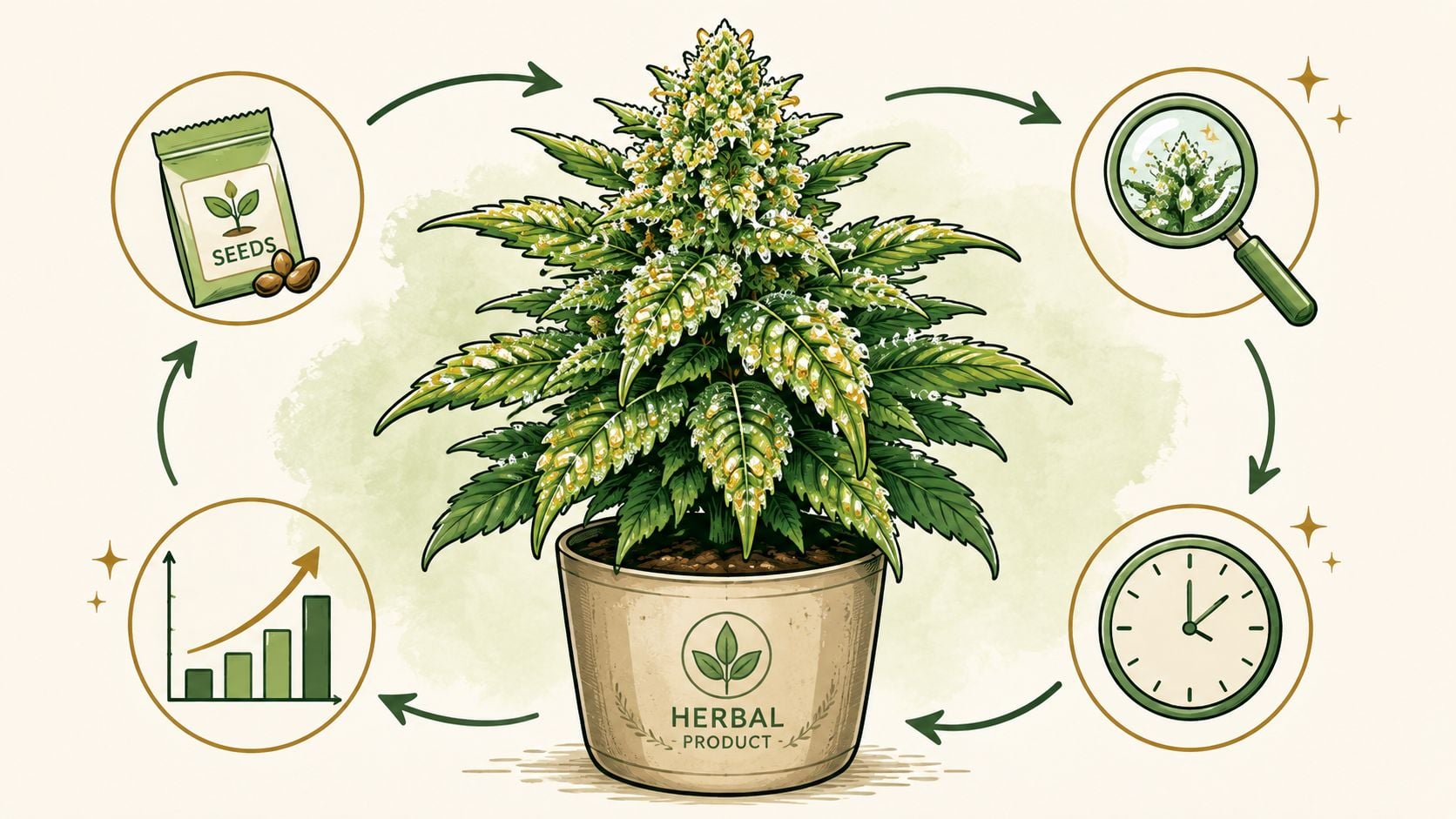
The infographic below reflects that simple progression.
Quick reference for the home run
| Factor | Indoor | Outdoor |
|---|---|---|
| Light cycle | 18/6 veg, 12/12 flower | Seasonal photoperiod |
| Flower window | 8 to 10 weeks | Finish depends on local season |
| Training | Trellis, topping, branch support | Low-stress shaping, spacing |
| Main challenge | Dense canopy airflow | Weather pressure and moisture |
| Grower payoff | Tight control, cleaner finish | Bigger plants if conditions cooperate |
The biggest mistake with Eastside OG is letting the canopy get too thick too early. OG-family cultivars usually want support, not chaos, and this one is no exception. If you crowd it, airflow suffers and the finish can lose polish.
Outdoor growers can do well with it too, but only if the season and site cooperate. The plant likes space, sun, and enough dry-down time to avoid mold pressure in late flower. If your climate gets sticky near harvest, indoor control may be the easier win.
Grower rule: Don't chase maximum stretch, chase clean structure. Eastside OG pays back better when the branches are organized early.
For home growers, the practical upside is obvious. You skip dispensary lines, you avoid retail taxes, and you get the satisfaction of curing your own supply. That alone is enough reason for a lot of people to keep a cultivar like this in rotation.
Choosing Seeds and Selecting Phenotypes
Eastside OG is a good example of why strain-name ambiguity still matters. Some sources describe it as a distinct cultivar from Mad Scientist Genetics, others treat it like a clone-only cut, and some content blurs the identity enough that the same name can point to more than one OG-heavy expression (AllBud). If you're buying seeds, that uncertainty changes the game.
The goal isn't to get lost in the naming debate. It's to buy from a source that tells you what's being sold, then select for the plant behavior you want once the seeds are in your hands. The earlier sections already make the case for expecting OG structure, fuel-forward aroma, and a potent finish. Now the job is to narrow down which expression you want to keep.
What to look for before you commit
A clean Eastside OG purchase starts with a clear description of lineage and expected expression. If the listing is vague, or if it leans hard on hype without saying whether you're getting a stable selection or a broader OG-style label, that's a warning sign. The whole point is to avoid buying a name without knowing the plant behind it.
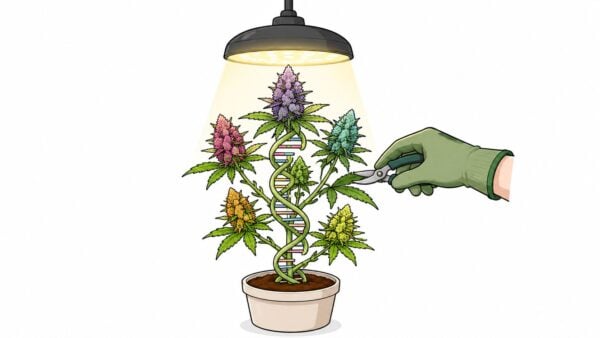
Use phenotype selection the same way you would with any serious OG family cultivar. This phenotype selection resource is a useful place to organize your comparison work, especially if you're trying to sort through more than one Eastside OG option or compare it with nearby OG relatives.
A practical phenohunt usually comes down to a few visible traits:
- Structure: Look for the branch spacing and canopy shape you can manage in your space.
- Aroma: Prioritize fuel, lemon zest, pine, and spice over flat sweetness.
- Resin: Favor the plants that frost up early and keep building through flower.
- Finish behavior: Keep notes on which expressions stay uniform instead of foxtailing or getting too airy.
- Stability: Pick the line that repeats its best traits instead of throwing you a mixed bag.
What doesn't work is buying purely on strain lore. A cultivar with a confusing identity can still be worth running, but only if you judge it by how it performs in your room. If the plant finishes well, smells right, and cures clean, the label stops mattering so much.
The smartest move is to think like a grower, not a collector. Choose a pack or cut that gives you a reasonable chance at a consistent result, keep detailed notes, and compare the finished flower against your own expectations instead of someone else's menu description. That's how Eastside OG goes from a confusing name to a useful part of your rotation.
If you're narrowing down cultivars and want a cleaner way to compare OG-family options, Botanist Seeds makes that part easier by putting selection and shopping in one place. Take a look at Botanist Seeds when you're ready to compare your next pack and find the Eastside OG style that fits your setup.