




Landrace Cannabis: A Grower’s Guide to Original Cultivars
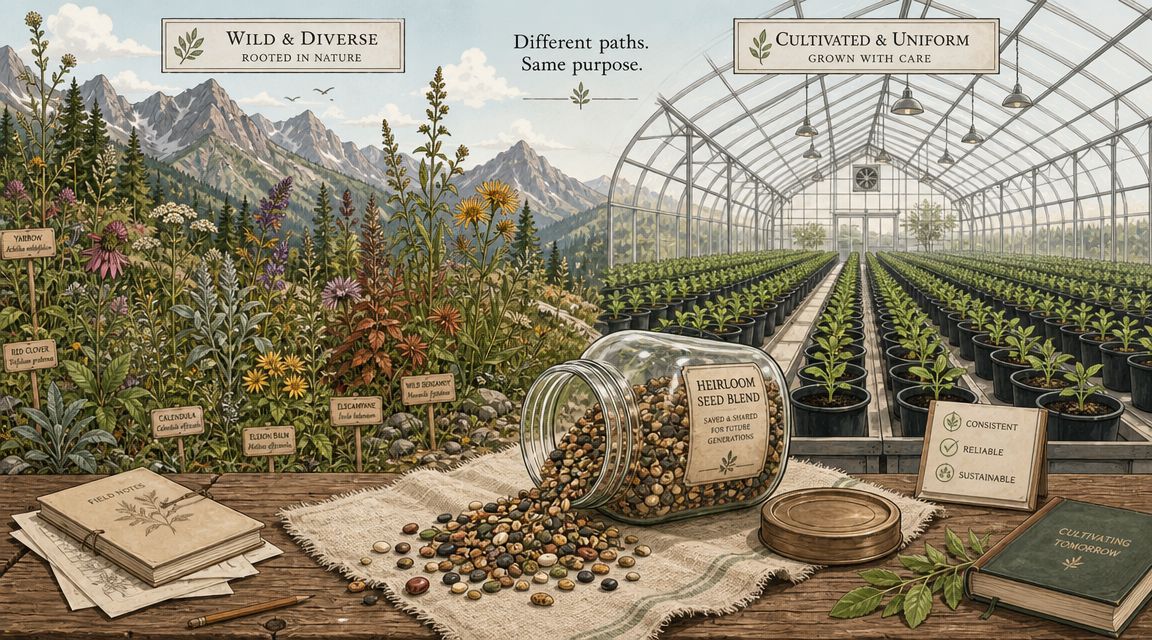
You're probably seeing the same thing a lot of home growers see when they browse a seed catalog. One row is full of modern names that sound dessert-heavy and familiar. The next row has regional names like Afghani, Thai, or Durban, and suddenly the whole page feels a little more mysterious.
That's usually where the word landrace shows up.
A simple way to think about it is this: landrace cannabis is a lot like heirloom tomatoes. A grocery store tomato is bred for consistency, shelf life, and a predictable look. An heirloom has more story behind it, more local character, and often a different personality in the garden. Cannabis landraces carry that same feeling. They're the old regional building blocks behind many of the cultivars people know today.
For a home grower, that matters for a practical reason, not just a romantic one. If you grow a feminized or autoflower cultivar with landrace roots, you're not just chasing novelty. You're exploring the older side of cannabis genetics, the side that shaped many modern hybrids in the first place. That can mean different growth habits, different aromas, and a very different kind of growing experience.
It can also be confusing, because the word gets used loosely. Some growers use it to mean old school. Some use it to mean regional. Some use it to mean pure, which is where things get messy fast.
Your Introduction to Landrace Cannabis
A lot of growers first run into landrace cannabis the same way. They're scrolling for something reliable for the next run, then a cultivar name tied to a place jumps out. Maybe it sounds legendary. Maybe it sounds unfamiliar. Either way, it doesn't read like the usual flavor-forward hybrid lineup.
That regional naming is the first clue.
A landrace usually points back to a population of cannabis shaped over a long stretch of time in a particular place. Not in a lab. Not in a trendy cross made for a quick release. More like a cultivar line that settled into a local environment and a local growing culture. Think mountain hash plants, equatorial sativas, or old farming selections that kept getting replanted because they worked where they were grown.
Why growers get curious about them
Modern hybrids are often built for a specific job. Faster finish. Bigger yields. Louder terpene profiles. More uniform structure. That's useful, especially if you want predictable results in a small tent.
Landraces pull you in for a different reason:
- They feel connected to place: The name often points to a region, not just a brand concept.
- They carry history: Many modern cultivars trace some part of their family line back to regional genetics.
- They offer contrast: If you've only grown modern hybrids, a landrace-leaning cultivar can show you a different side of cannabis.
Growing one can feel less like ordering your usual beer and more like trying a classic style brewed the old way. Familiar enough to enjoy, different enough to remember.
For hobby growers, that's part of the fun. You still want a harvest that fits your setup and schedule, but you also want a plant with some story in it. That's where landrace cultivars stand out.
What Is a Cannabis Landrace Really
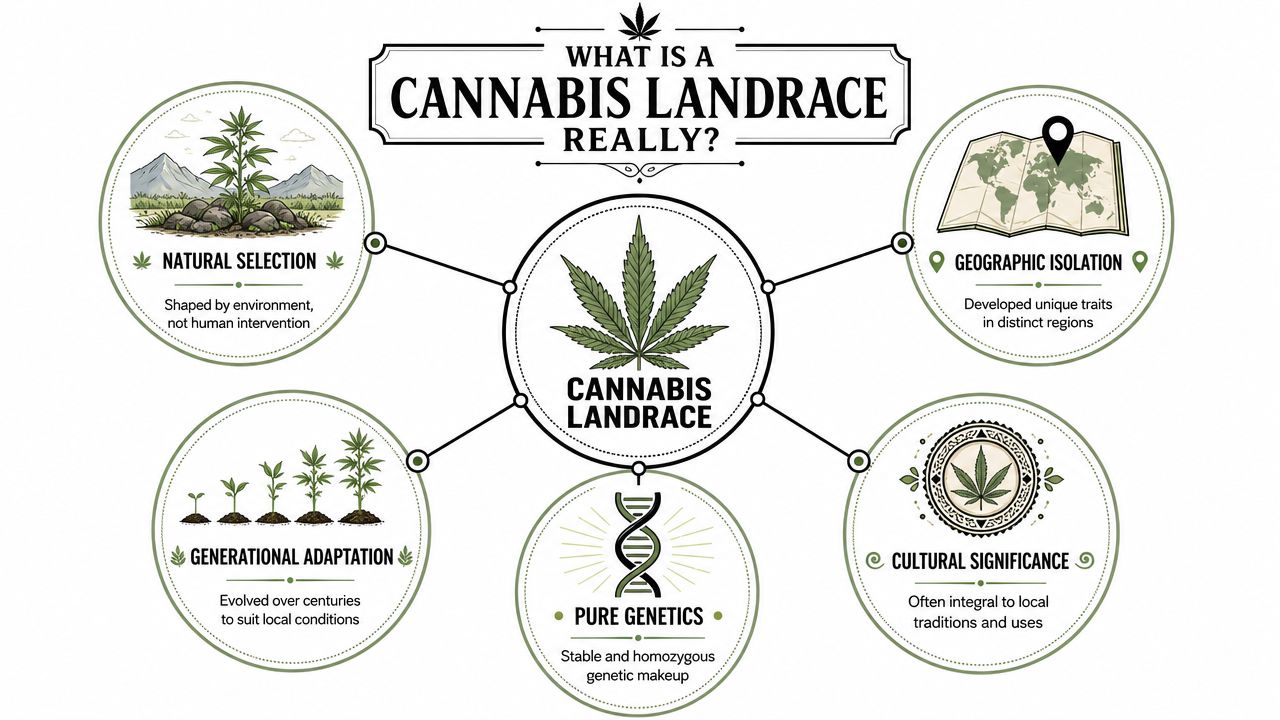
The cleanest way to understand a landrace is to stop thinking of it as a hype label and start thinking of it as a local population.
In broader agriculture, landraces are recognized as a key type of domesticated biodiversity. The Scottish Government's SASA describes them as locally adapted populations that are more genetically diverse than commercial cultivars. SASA also notes that they were gradually replaced by improved and later breeder-developed varieties, which made them rare, and that many survive only if people keep growing them because a failed seed harvest can mean permanent loss unless they've already been conserved elsewhere, as explained in SASA's overview of Scottish landraces.
That idea transfers well to cannabis.
A landrace is shaped by a place
A cannabis landrace didn't become what it is overnight. Over many growing cycles, farmers kept seed from plants that handled the local conditions. Heat, altitude, humidity, rainfall, day length, and local preferences all pushed the population in a certain direction.
That's why a landrace isn't the same thing as wild cannabis.
Wild plants exist without cultivation. A landrace, by contrast, is part of human agriculture. People helped keep it going. They selected from it, replanted it, and passed it along. So when someone says landraces are the original genetics, it's better to hear that as old cultivated regional genetics, not untouched ancient wild plants.
Why that matters in the grow room
For a home grower, the practical takeaway is that landraces are often more diverse within the population than a modern commercial hybrid. You may still see a recognizable core look and feel, but not every plant will behave like a clone of the next one.
That's part of what makes them interesting, and part of what can trip people up.
If you've ever read about phenotype variation in cannabis cultivars, you already know the basic idea. Even within a stable line, different plants can express different traits. Landrace populations can make that variation easier to notice because they weren't built around the same level of tight commercial uniformity many modern breeders aim for.
Practical rule: Don't judge a landrace by expecting every plant to stack and finish like a modern production hybrid. Judge it by whether the population carries a clear regional character and adapts in a coherent way.
The simplest definition to keep in mind
If you want the plain-English version, use this:
- A landrace is a cultivated cannabis population tied to a region
- It adapted over generations to local conditions
- It usually holds more internal diversity than a modern commercial cultivar
- It survives through continued cultivation, not just nostalgia
That last point matters more than is often understood. A landrace isn't just a museum piece. It's living genetics.
Landraces Versus Modern Hybrids
A simple way to compare them is this: landraces are like classic full albums, modern hybrids are like curated playlists.
A classic album gives you a complete mood. It may wander a little, but that's part of the identity. A curated playlist is built for a purpose. Workout. Focus. Late night. Every track is chosen to deliver a result. Cannabis breeding works in a similar way.
Modern hybrids are usually intentional combinations of selected parents. Breeders chase certain outcomes, then work toward a cultivar that hits those targets consistently. Landraces come from a slower process tied to region, repetition, and adaptation.
What you'll notice as a grower
Some of the biggest differences show up before harvest.
| Feature | Landrace Cultivars | Modern Hybrids |
|---|---|---|
| Background | Rooted in a regional population shaped over time | Built through intentional crossing for selected traits |
| Uniformity | Often more variation plant to plant | Usually more predictable across the run |
| Growth style | Can express stronger regional habits and broader variation | Often bred for controllable structure and consistency |
| Aroma profile | May feel more old-school, layered, or unusual compared with current trends | Often tuned for bold, targeted flavor and aroma categories |
| Grower experience | More exploratory, more observational | More plug-and-play for a defined goal |
| Best fit | Growers who enjoy history, variation, and discovery | Growers who want repeatable performance and specific outcomes |
Uniformity versus character
If your main priority is a smooth, repeatable home run, hybrids usually make life easier. They're often the better pick for a short list of goals like keeping canopy height manageable, dialing in flavor expectations, or reducing surprises.
Landrace cultivars tend to ask for a different mindset. You pay closer attention. You take notes. You look for what each plant is telling you. That doesn't mean they're worse for a home setup. It means the reward comes from observation as much as efficiency.
Aromas and overall vibe
A lot of modern cultivars are designed around high-impact flavor trends. Sweet, gassy, creamy, fruity, candy-like. Those profiles can be great, but they also train growers to expect loud, immediate signals.
Landrace-leaning cultivars can feel different. Sometimes the profile is narrower and cleaner. Sometimes it's more herbal, spicy, woody, earthy, or sharp in a way that doesn't fit current menu language very well. That difference is a feature, not a flaw.
Some growers try a landrace expecting fireworks. What they get is character. That can be a better trade if you want something memorable instead of familiar.
Which one should you choose
That comes down to what kind of project you want.
Choose a modern hybrid if you want:
- More predictability: Easier planning in a small indoor space
- A targeted sensory profile: You know the lane you're buying into
- A straightforward run: Better for growers who want fewer surprises
Choose a landrace or landrace-leaning cultivar if you want:
- A stronger connection to cannabis history
- A different expression from mainstream catalog trends
- A grow that rewards patience and attention
Neither choice is more serious or more authentic. They just scratch different itches.
Why Landraces Still Matter to Home Growers
Most home growers aren't thinking about crop conservation when they pop seeds. They're thinking about a good harvest, a smooth grow, and not wasting time. That's exactly why landraces still matter. They offer something modern seed shelves don't always give you: a direct line back to the roots of the plant.
Industry reporting says only about 50 to 100 true cannabis landrace varieties may still exist worldwide, which is why they're often described as a scarce genetic reservoir in this report on landrace rarity and origins. For growers, that means these cultivars aren't just old names hanging around for nostalgia. They represent genetics that may already be lost in many places, diluted, or heavily hybridized.
They give you a different kind of payoff
With a lot of modern home growing, the reward is efficiency. Quick turnaround. Familiar terps. Easy repeatability. That's useful, especially if you're keeping your own jars full and skipping dispensary lines.
Landraces bring in another kind of reward:
- You're growing a piece of living history: Not in a museum sense, but in the sense that the plant's background matters.
- You get a less standardized experience: That can be refreshing if modern menus all start feeling the same.
- You learn more as a grower: Plants with more personality tend to sharpen your observation skills.
They keep genetic options alive
Even if you never plan to breed, landraces still matter to your garden because they sit behind so much of what came later. Breeders value them for traits like local climate adaptation, and home growers benefit from that legacy whether they realize it or not.
Growing one also changes the way you look at seed catalogs. You stop seeing cannabis only as a stack of product names and start seeing it as a long chain of selection, adaptation, and preservation.
A landrace run won't always be the most convenient grow you've ever done. It may be the one you remember best.
Why hobby growers are a good fit
Home growers are often the perfect audience for landrace cultivars because they're not always optimizing for commercial sameness. They can afford to be curious. They can try one special run because the aromas are different, the structure is different, or the story behind the cultivar grabs them.
And there's a real practical pleasure in that. You grow your own, avoid retail taxes, avoid the errand, and end up with something that feels personal. Not just because you cultivated it yourself, but because you chose a line with deeper roots.
Famous Landraces and Their Legacy
The easiest way to make landraces feel real is to connect them to names growers already know. You may not have grown a classic landrace population in its old regional form, but you've almost certainly seen its fingerprints in modern cannabis.
Afghani
Afghani is one of the classic mountain-region foundations people point to when they talk about old-school indica structure. Growers associate it with compact growth, broad leaves, and dense, sturdy flowers. The overall vibe is often earthy, resin-heavy, and grounded.
Its legacy shows up all over modern cannabis. When breeders wanted stockier structure, heavier body feel, and a shorter, more controlled plant, Afghani-type genetics became a major tool.
Durban Poison
Durban Poison is one of the best-known regional sativa names in cannabis culture. Growers usually associate it with a more upright structure, energetic growth, and a bright, sharp aromatic profile that stands apart from heavier modern dessert styles.
Its influence still matters because it represents a very different side of cannabis than dense mountain plants. Breeders looking for lift, openness, and distinct top-end aroma have kept reaching back to Durban lines for a reason.
Acapulco Gold
Acapulco Gold has a reputation that goes beyond nostalgia. It's one of those names that signals old-school prestige. People connect it with warm-climate heritage, striking color, and a rich, layered aroma profile that feels very different from a lot of modern candy-leaning cultivars.
Even when modern lines don't advertise that lineage loudly, this kind of regional stock helped establish the idea that cannabis could express place through both growth style and sensory character.
Panama Red
Panama Red is another classic example of a regional cultivar becoming part of the larger cannabis story. It carries that old-school tropical sativa reputation with a lankier frame and a more distinctive long-season character than most fast-finish modern tent plants.
If you want a modern nod to that lineage, take a look at Panama Red seeds. It's a good reminder that these names aren't just history trivia. They still shape what growers seek out today.
Old landrace names matter because they describe the roots of traits breeders still use.
Why these names keep coming up
These famous cultivars became legendary because they gave later breeders something valuable to work with. Not just one aroma note or one growth pattern, but a whole package tied to region and long-term selection.
That's the cool part. When you hear a modern cultivar described as having Afghan density, Durban brightness, or tropical old-school lift, you're hearing the afterlife of landrace genetics.
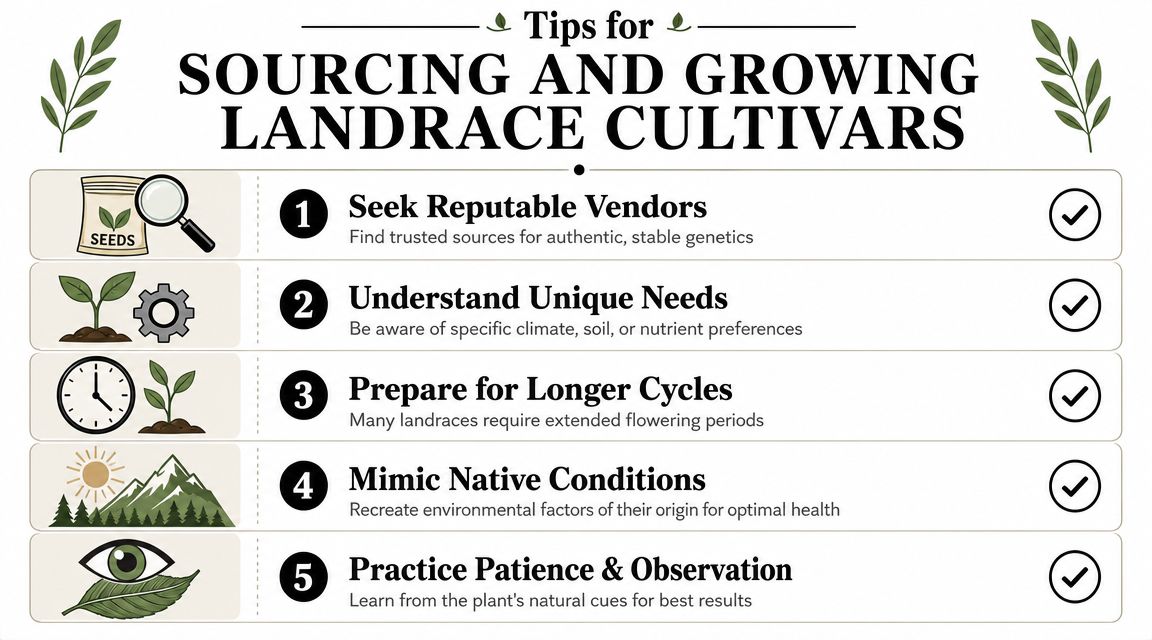
Tips for Sourcing and Growing Landrace Cultivars
The biggest mistake people make with landrace cultivars is chasing the word instead of the work behind the word.
That matters because cannabis landrace claims aren't always clean. Commentary tied to broader landrace scholarship notes that in cannabis, the term is sometimes used more like a marketing label than a precise genetic category, and that the exact origins of many supposed landraces remain debated. It also points growers toward cultivars with well-documented lineage from transparent breeders as the safer path, which is explained in this discussion of cannabis landrace origins and classification.
How to shop without getting fooled
If a seed listing leans hard on words like pure, ancient, original, or untouched, slow down. Those words sound great, but they don't automatically tell you anything useful about the cultivar in front of you.
A better checklist looks like this:
- Look for breeder transparency: Do they explain where the line came from, how they've maintained it, and what growers should expect?
- Read grow reports: Community journals can tell you whether a cultivar behaves in a stable, believable way.
- Check the lineage language: “Landrace-inspired,” “landrace-derived,” and “regional heirloom line” may be more honest than a dramatic purity claim.
- Use trusted seed sources: A curated shop with clear standards is a safer route than mystery listings in a crowded premium seed market.
Consumer shortcut: Buy the breeder's honesty before you buy the breeder's mythology.
What to expect in the garden
Landrace cultivars can be rewarding, but they're not always the easiest fit for every schedule. Some may want more time, stretch differently than your usual picks, or respond best when the environment lines up with their regional background.
That doesn't mean you need to recreate a mountain valley or tropical hillside in your spare room. It means you should grow with some flexibility.
A few habits help:
- Start with one cultivar, not five. Give yourself room to learn its rhythm.
- Keep good notes. Structure, feeding response, aroma shifts, stretch, and finish window all matter.
- Don't force a hybrid feeding style onto every plant. Some lines are happier with a lighter hand.
- Plan your space early. Taller expressions can crowd a tent fast.
- Stay patient near the end. Don't harvest just because the calendar says you're done.
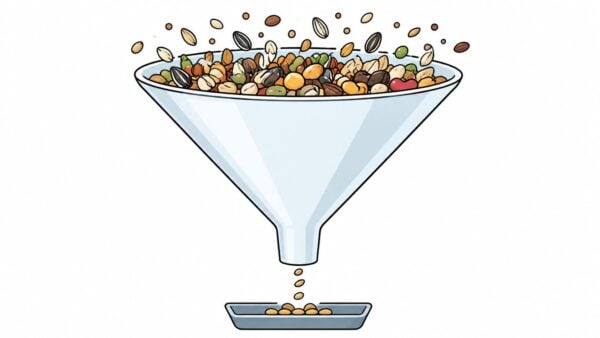
Here's a useful visual summary before you start.
Phenotype hunting without making it complicated
Even when you're running feminized seeds, you may still notice individual differences between plants. One might branch a little wider. Another may carry a sharper aroma. A third might stack in a way you didn't expect.
That's not necessarily a problem. It's part of the appeal.
For a home grower, phenotype hunting doesn't need to mean building a breeding room or acting like a lab tech. It can be as simple as paying attention and asking:
- Which plant handled my environment best?
- Which one matched the aroma profile I like most?
- Which one fit my space with the least stress?
Those are the kinds of observations that make a landrace-leaning run satisfying. You're not just growing for the finish line. You're learning what this cultivar is in your garden.
Finding the Right Landrace for Your Garden
A good landrace choice starts with honesty about your setup.
If you've got a compact tent, a strict schedule, and you want something easy to repeat, a modern hybrid may still be the better move for this round. There's nothing wrong with that. Landraces aren't a badge of honor. They're a style of growing project.
If you do want to try one, match the cultivar to your habits, not your fantasy version of yourself. Pick something with a clear background, realistic expectations, and a profile that sounds interesting enough to keep your attention through the full run.
Questions worth asking before you buy
Use these as your filter:
- Do I want predictability or exploration
- Can my space handle extra stretch or a longer-feeling run
- Am I choosing this because of the plant, or because the marketing sounds dramatic
- Would I enjoy taking notes and comparing expressions
- Does the cultivar's story hold my interest
That last question matters more than people think. A landrace grow is often about the experience as much as the jars at the end.
If you're curious, that's enough reason to try one. Curiosity makes better growers.
There's also no rule saying your whole garden has to become a history project. One landrace-leaning feminized or autoflower cultivar can sit right alongside more familiar picks. That's often the smartest way to learn what you like.
If you want a broader sense of how different cannabis categories compare before choosing your next run, it helps to review the major types of weed cultivars and how they differ. Once you know where a landrace fits on that map, the choice gets a lot easier.
If you're ready to compare landrace-leaning options with modern favorites, Botanist Seeds makes it easy to sort cultivars by traits, growing style, and setup. Use the comparison tool, read the cultivar descriptions closely, and pick a feminized or autoflower option that fits your space and excites you to grow.