Jealousy Strain: Your Guide to Growing This Legend

You’re probably in the same spot a lot of home growers hit after a few solid runs. You want your next cultivar to feel worth the time, not just another jar on the shelf with a catchy name. You want something that looks special, smells loud, finishes in a realistic window, and gives you that nice little moment at harvest where you think, “Yep, that one earned its space.”
Ready to grow it yourself? Shop Jealousy seeds at Botanist Seeds.
That’s where the jealousy strain makes sense.
It has enough reputation to feel exciting, but it’s not just hype. It’s the kind of cultivar that rewards growers who pay attention to canopy shape, airflow, and timing. It also scratches that hobbyist itch. You get the fun of chasing standout expressions without dealing with a plant that feels random or sloppy.
Why Everyone Is Talking About the Jealousy Strain
You finish a run, crack a jar a few weeks later, and know right away whether the plant was worth the tent space. Jealousy gets talked about so much because it tends to deliver that kind of payoff. It has the kind of reputation that pulls growers in, but the actual reason it stays in rotation is simpler. It performs well enough at home to justify the attention.
Its Strain of the Year buzz gave it a bigger spotlight, but awards are not the main point for a hobby grower. What matters is staying power. Jealousy kept showing up in grow rooms, clone circles, and smoke reports because people liked the results enough to run it again.
Why it hits the sweet spot for home growers
Jealousy works well for growers who want a plant with high-end flower potential without turning every run into a rescue mission. In a tent, a spare room, or a sunny backyard corner, it gives you something worth dialing in. That is a big part of the appeal.
The practical draw looks like this:
- You get a cultivar with real shelf appeal: Jealousy has the visual and aromatic presence growers usually hope for when they commit weeks of flower time.
- You control the details that make or break the final jar: Drying pace, cure length, harvest timing, and plant selection all stay in your hands.
- You have room to learn the plant: It is interesting enough to reward attention, especially if you like watching how structure, resin, and aroma develop through flower.
Practical rule: Famous cultivars only earn long-term space in a home garden if the grow is satisfying as well as the smoke. Jealousy usually passes that test.
What makes it worth the effort
Jealousy rewards growers who stay engaged. It is a good fit for hobbyists who enjoy small adjustments that add up over the course of a run, especially around canopy management, airflow, and harvest timing.
Growers usually chase Jealousy for a few clear reasons:
- Dense, resin-heavy flowers
- A terp profile that tends to run sweet, creamy, and gassy
- A balanced overall experience that feels more layered than flat
- Enough phenotype variation to make selection fun
That last point is important for home growers. Some cultivars are so uniform they get dull after a run or two. Jealousy usually gives you enough variation to keep things interesting while still staying manageable.
That balance is a big reason people keep talking about it. You are not just growing a famous name. You are growing a cultivar that can teach you something, sharpen your eye for selection, and leave you with flower that feels earned.
The Family Tree Behind the Famous Name
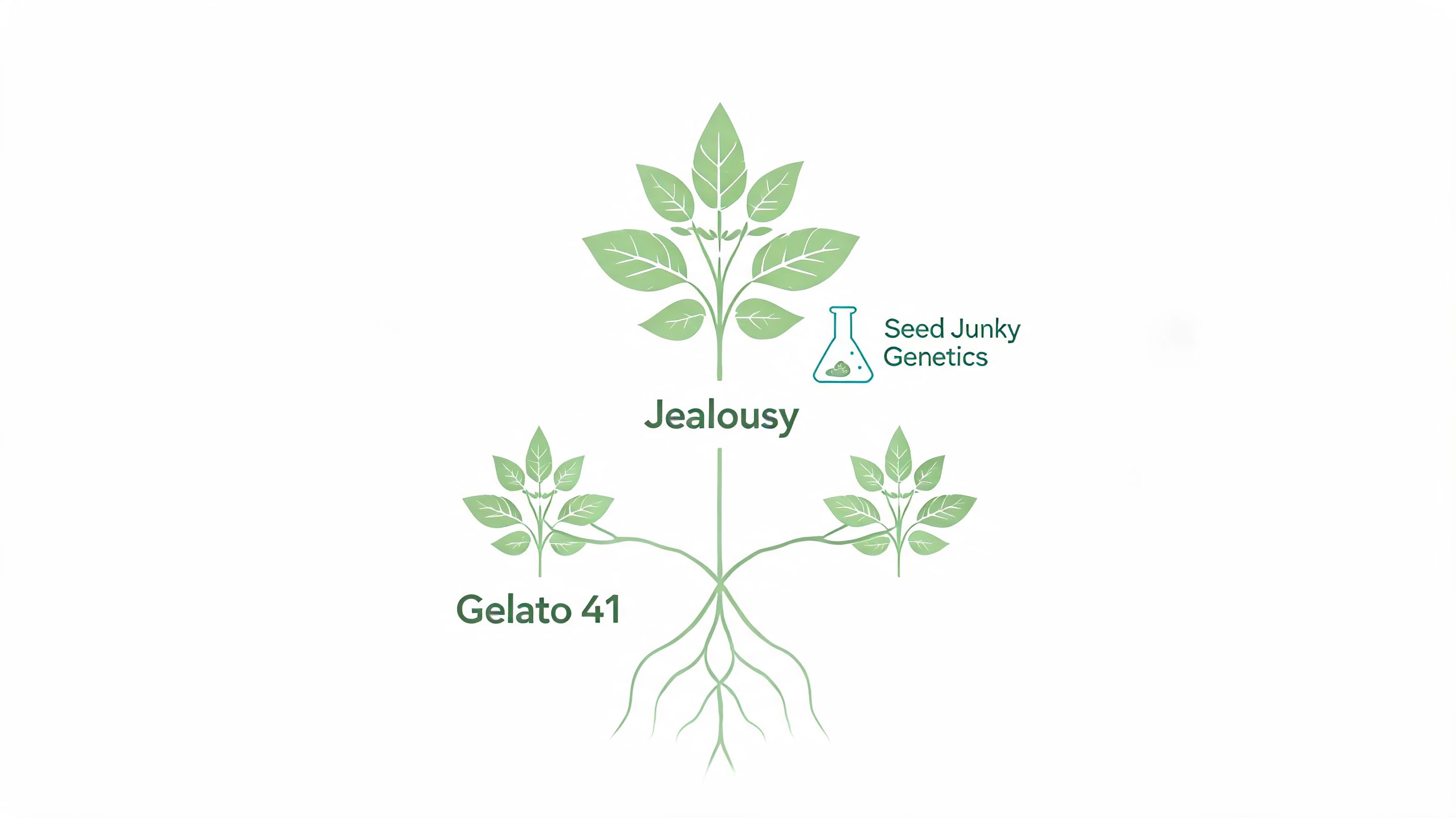
A lot of famous cuts disappoint once you get them in the room. Jealousy usually makes sense the moment you study the cross. The pairing of Gelato 41 and Sherbet BX1 points to a plant bred for resin, flavor, and a cleaner overall structure than many hype cultivars manage.
That matters to a home grower because genetics are not just trivia. They shape how much stretch you deal with, how evenly the plant stacks, how hard it is to keep airflow moving through the canopy, and whether the final jars feel distinct enough to justify another run.
What Gelato 41 brings to the table
Gelato 41 is the side of the family that usually gives Jealousy its finish and presence. Growers tend to see that in the resin coat, the visual appeal, and the richer sweet-cream side of the profile. If you have run enough dessert-forward cultivars, you can usually spot that influence early. The plant often carries itself like it was selected with bag appeal in mind.
In practical terms, Gelato 41 often shows up as:
- Creamier sweetness
- Heavier resin production
- Stronger visual appeal at harvest
- A more forceful, memorable finish in the jar
That last part matters. Home growers do not need every plant to be loud in the same way, but they do want a cultivar that feels worth trimming, drying, and curing.
What Sherbet BX1 locks in
Sherbet BX1 tends to be the part of the cross that gives Jealousy more discipline. Backcrossed lines are usually used to hold onto traits a breeder wants repeated with better consistency, and that often shows up in the grow room before it shows up in the grinder.
With Jealousy, that influence commonly looks like:
- A sturdier frame
- Dense flower formation
- A clearer sweet-citrus direction
- Better repeatability from plant to plant than many trendy crosses
Good breeding shows up in the boring parts too. A plant that holds its branches, stacks with intent, and finishes without turning into a floppy mess is more enjoyable to grow.
Why the cross works for hobby growers
Some genetic pairings give you one great trait and two headaches. Jealousy tends to feel more balanced than that. The Gelato side pushes quality and character. The Sherbet side helps hold the plant together and keeps the profile from drifting into generic sweetness.
Here is the practical read:
| Parent | What it likely contributes |
|---|---|
| Gelato 41 | Creamy sweetness, resin, standout finish |
| Sherbet BX1 | Better frame, dense stacking, sweet citrus edge |
If you want to get better at reading what parent lines may contribute to aroma and expression, a solid guide to cannabis terpenes and cultivar character helps connect the family tree to what you smell and harvest.
Jealousy earns its reputation because the cross feels intentional. For the home hobbyist, that usually means fewer surprises in the wrong places and more chances to select for the traits you actually care about.
Aroma, Flavor, and Overall Vibe
Open a jar of Jealousy after a proper cure and you can tell pretty quickly why growers keep making room for it. The appeal is not just high potency. It is the way the aroma comes in layers, with enough contrast to stay interesting from first crack to last hit.
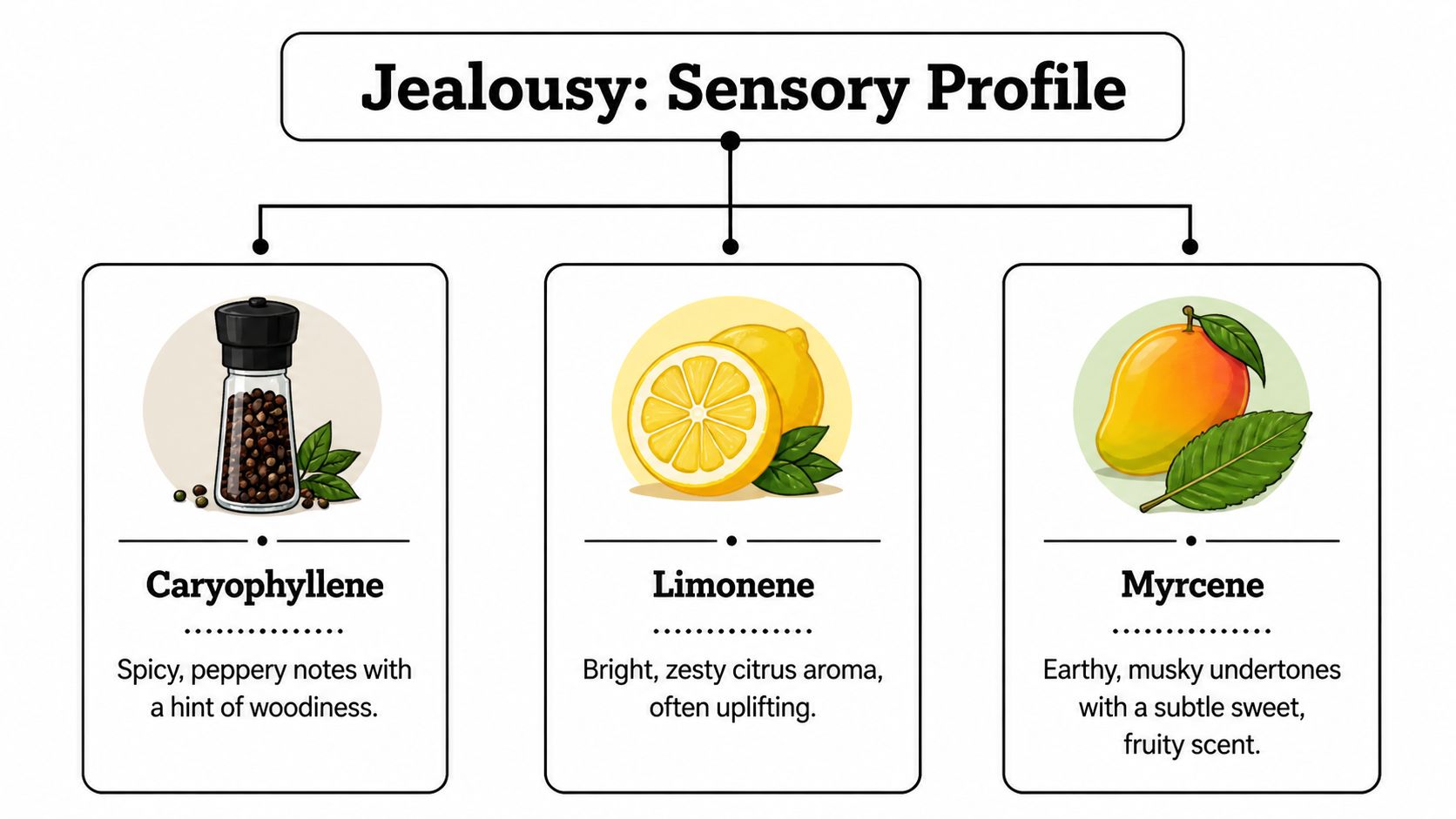
Analysts at Veriheal’s Jealousy strain breakdown note caryophyllene, limonene, and myrcene as key terpenes, with THC commonly testing in the 25% to 30% range. For the home grower, that matters because those numbers are only part of the story. Jealousy earns its name in the jar, where sweet cream, citrus, spice, and a little fuel all show up if the dry and cure were handled well.
What you’ll actually smell in the grow space
Jealousy usually starts with sweetness, then gets sharper as flowers mature. Early on, some plants read almost dessert-like. By late flower, the better expressions pick up more citrus peel, pepper, and that slight gassy edge that keeps the profile from going flat.
Here’s the practical read on the terpene mix:
- Caryophyllene: Pepper, fuel, and a little bite. This is part of what gives Jealousy its edge.
- Limonene: Bright citrus peel. It lifts the aroma and keeps the sweetness from feeling heavy.
- Myrcene: A softer, deeper base note that helps the whole profile feel full and rounded.
If you want to get better at connecting smell in the tent to what shows up in the jar, this guide to cannabis terpenes and cultivar character is worth reading.
Flavor and the kind of vibe people chase
Jealousy usually smokes the way it smells. Expect a mix of creamy sweetness, fruit candy, sour citrus, and a light gassy finish. Good flower keeps all of those notes in play instead of collapsing into plain sugar.
That balance is a big reason hobby growers stay interested in it. Some cultivars impress on the first inhale and then get boring. Jealousy tends to keep your attention because the front, middle, and finish each bring something different.
The overall effect profile is often described as mentally lifted with body relaxation. In practice, that makes it appealing for growers who want something flavorful and strong without pushing straight into couch-lock territory.
Jealousy strain at a glance
| Attribute | Profile |
|---|---|
| Type | Balanced hybrid |
| Genetics | Gelato 41 x Sherbet BX1 |
| THC | Commonly 25% to 30%, as noted earlier |
| Dominant terpenes | Caryophyllene, limonene, myrcene |
| Aroma | Fuel, citrus, creamy sweetness |
| Flavor | Fruity candy, sour citrus, creamy finish |
| Vibe | Mentally lifted, physically relaxed, not too heavy |
What works and what doesn’t
Jealousy rewards careful finishing. I’ve found this cultivar can lose a surprising amount of its charm if you rush the dry or let the flower get too warm after chop. The potency may still be there, but the cream, citrus, and spice blur together, and that is half the reason to grow it in the first place.
What usually works:
- Steady drying conditions
- Careful trimming that protects resin
- A patient cure that brings the cream and citrus forward
What usually hurts the final result:
- Overdrying
- Hot, rough drying rooms
- Treating it like generic high-THC flower and ignoring aroma preservation
Jealousy is at its best when the jar opens loud, layered, and clean. Preserve that, and the cultivar makes sense very quickly.
How to Grow the Jealousy Cultivar
Jealousy is productive, but it isn’t lazy-grower weed. If your environment is stable and your training is sensible, it can reward you with strong output and really nice structure. If your room runs sloppy, it’ll show you exactly where your weak spots are.
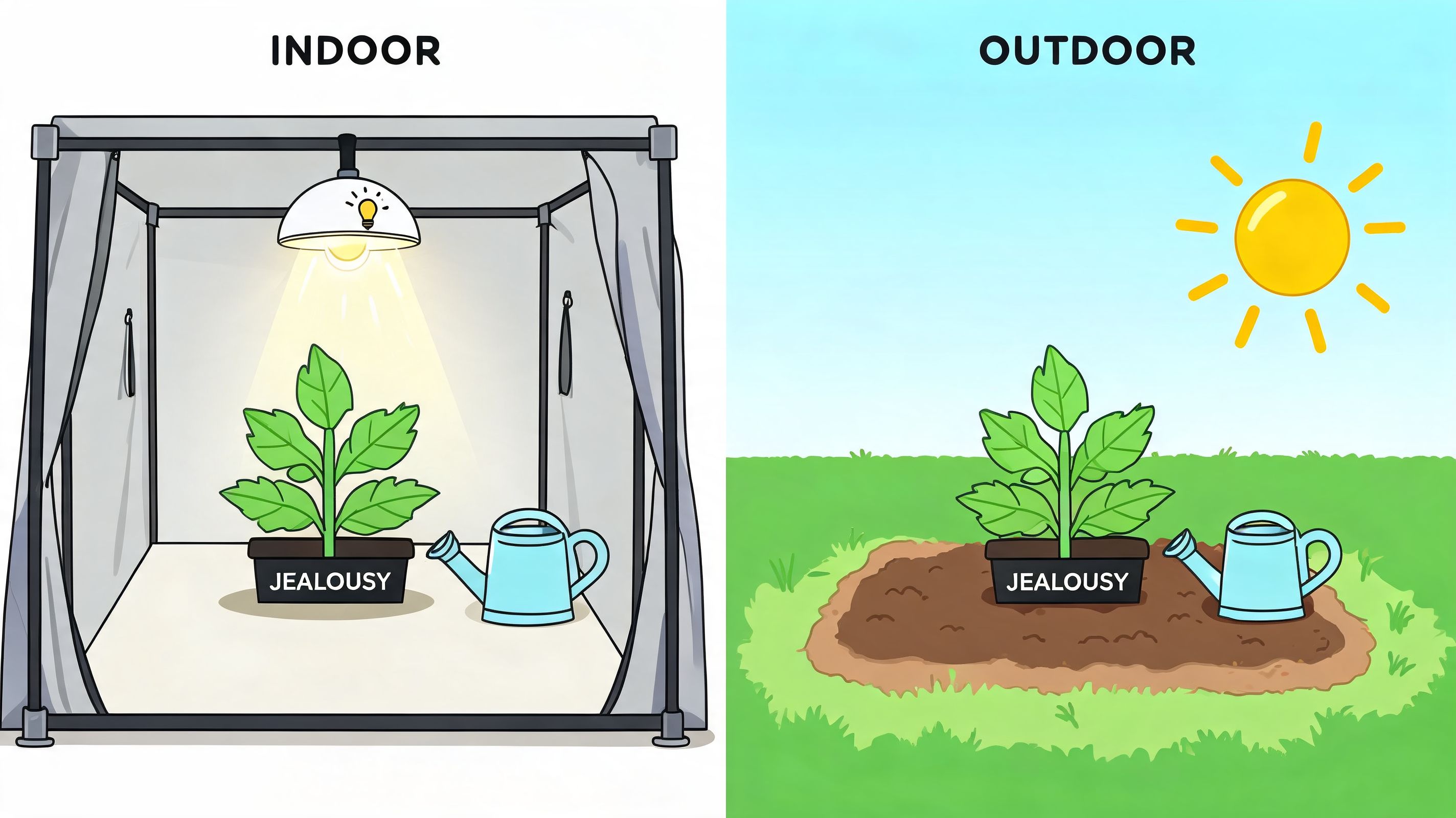
According to Vivosun’s Jealousy growing guide, growers can expect indoor yields from 450 to 700g/m², outdoor yields up to 750g per plant, medium height, and a 9 to 10 week flowering time. That same guide describes the cultivar as moderately difficult, which matches practical experience pretty well.
Start with the right seed type
For most home growers, this is easy. Go with feminized seeds if you want to shape the plant, train it properly, and get the full photoperiod experience. Go with autoflower seeds if you want a simpler run and a faster path to finished flower.
The choice is about workflow:
- Feminized Jealousy: Better if you like topping, low stress training, and dialing in canopy control.
- Autoflower Jealousy: Better if you want less scheduling fuss and a more straightforward home cycle.
If you’re still getting your grow routine organized, read up on the vegetative stage of weed before you start. Jealousy rewards growers who understand what healthy early growth should look like.
Indoor growing tips that actually help
Indoors, Jealousy tends to do best when you keep the canopy even and the room clean. It can produce dense flower, so airflow matters more than people think.
A few practical moves make a big difference:
- Use LST early: Gentle bending opens up side branches and helps prevent one dominant top from stealing all the light.
- Run a SCROG if your space allows it: This cultivar responds well when you spread the canopy and fill horizontal space instead of chasing height.
- Defoliate with restraint: Remove leaves that block key sites or trap moisture, but don’t strip the plant into shock.
- Support late flower branches: Once buds pack on weight, some expressions will need ties or a net.
Shop-floor advice: Jealousy usually rewards growers who shape the plant early and leave it alone later. Heavy stress deep in flower is rarely worth it.
Outdoor growing without making it harder than it needs to be
Outdoors, Jealousy can do very well if your season supports a full finish. The plant’s structure is generally manageable, which helps in smaller gardens where massive stretch would be a problem.
Focus on basics:
- Pick your sunniest spot
- Keep airflow around the plant
- Watch moisture in dense flower late in the season
- Stake early if weather gets rough where you live
This isn’t a cultivar I’d tuck into a damp corner and hope for the best. Dense buds and poor air movement are a bad combination.
A quick visual walkthrough can help if you like seeing structure and training in context:
What works, what backfires
Jealousy gives best results when you treat it like a quality cultivar, not a beater run.
What tends to work well:
- Flat canopy management
- Consistent feed, not wild swings
- Strong but controlled light
- Steady environment through late flower
- Patience during the full flowering window
What often backfires:
- Overfeeding because the plant looks “hungry” for more bulk
- Too much late pruning
- Poor humidity control around dense tops
- Flipping too early before the structure is there
- Ignoring support until branches are already leaning
A realistic home grow mindset
The best way to approach Jealousy is to respect its ceiling without expecting perfection on your first run. You don’t need to max out every gram per square meter to have a great harvest. You need a healthy plant, a controlled environment, and enough patience to let the cultivar show its strengths.
If your goal is a rewarding tent run with legit payoff in the jar, Jealousy absolutely belongs on the short list.
Finding Your Favorite Jealousy Phenotype
At this stage, Jealousy gets especially fun for hobby growers.
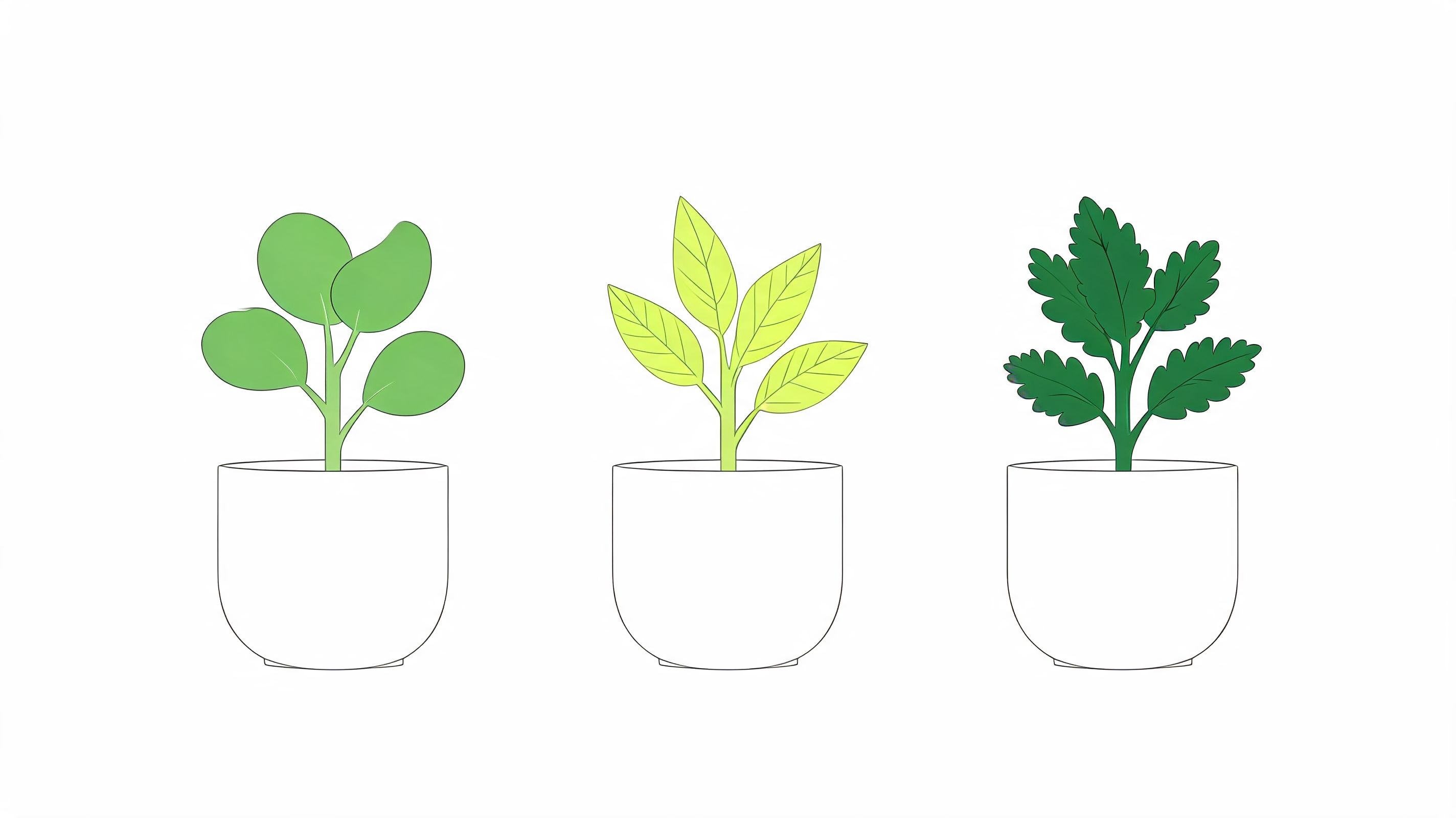
Not every seed will give you the exact same plant. That’s normal, and in Jealousy’s case it’s part of the appeal. As noted in Hypno Seeds’ Jealousy grow diary, multiple phenotypes exist, with some showing more indica-leaning growth or purple hues, which makes the cultivar a natural fit for pheno hunting around potency, flavor, and bag appeal.
What a phenotype actually means
Simple version: same cultivar line, different expression.
One Jealousy plant might lean more toward tighter, chunkier structure. Another might show more color. Another might carry a louder citrus-fuel profile. You’re still in the same family, but each plant can present the traits a little differently.
That’s why experienced growers don’t judge a cultivar from one seed alone.
What to watch for during a pheno hunt
You don’t need a lab to do useful selection at home. You just need a notebook, labels, and enough discipline not to trust your memory.
Pay attention to:
- Structure: Does the plant grow compact and easy to manage, or does it need more correction?
- Aroma direction: Is it cream-forward, citrus-forward, or more fuel-heavy?
- Resin coverage: Some plants announce themselves early with frost.
- Color expression: Purple tones can add serious visual appeal.
- Finish quality: Which one keeps the most character after dry and cure?
Keep the winner based on your actual goal. If you care most about aroma, don’t pick solely on color. If you care most about yield, don’t let one pretty purple plant distract you.
A simple way to choose your keeper
Use a short scorecard. Nothing fancy.
| Trait | What to ask |
|---|---|
| Growth habit | Was it easy to train and maintain? |
| Flower quality | Did it stack dense, attractive buds? |
| Resin | Did it look and feel properly greasy? |
| Aroma | Did the terp profile stay interesting after cure? |
| Personal fit | Would you grow it again without hesitation? |
That last question matters most. The best phenotype isn’t always the flashiest one. It’s the one that fits your room, your habits, and the kind of flower you want in jars.
How Jealousy Compares to Other Cultivars
Jealousy makes the most sense when you compare it to cultivars growers already know. Not in a lab-chart way. In a “what kind of run do you want next?” way.
Compared with Gelato 41
If you already like Gelato 41, Jealousy feels like a logical next move rather than a total departure. Since Gelato 41 is one of its parents, there’s a familiar thread in the creamy sweetness and polished overall finish.
The practical difference is that Jealousy often feels a little more layered in aroma and a little more project-like in the garden. If Gelato 41 is the cultivar you grow when you want something proven and stylish, Jealousy is what you pick when you want that same family appeal with a bit more edge.
An easy perspective to consider:
- Choose Gelato 41 if you want a familiar dessert-leaning profile.
- Choose Jealousy if you want cream plus citrus plus a touch of fuel complexity.
Compared with Runtz
Runtz is another name growers reach for when they want sweet, modern flower with broad appeal. The difference is more about personality than category.
Jealousy usually appeals to growers who want a cultivar that feels a bit more grounded and structured. Runtz often gets picked for loud candy appeal. Jealousy tends to attract people who want sweetness, but want something sharper and more balanced around it.
If you’re trying to sort that out in your own lineup, Botanist Seeds has a helpful explainer on indica vs sativa vs hybrid, which can help frame what you want from the overall experience.
The grower’s version of this choice
Ask yourself a few plain questions:
- Do you want straight candy, or candy with fuel and citrus edges?
- Do you want a cultivar that feels easy to understand immediately, or one that rewards a little more attention?
- Do you enjoy phenotype hunting, or do you want a simpler, more uniform-feeling run?
Jealousy tends to win when the answer is, “I want something refined, loud, and worth watching closely.” It’s not just a replacement for other popular hybrids. It fills its own lane.
Frequently Asked Questions
Is Jealousy a good first grow?
It can be, especially if you choose an autoflower version and keep your environment simple. The photoperiod version is better for growers who already know how to manage training, airflow, and a full flower cycle without rushing.
What’s the main difference between feminized and autoflower Jealousy seeds?
Feminized seeds make more sense if you want control. You can top, train, extend veg, and shape the plant around your space. Autoflower seeds fit growers who want a more straightforward run with less scheduling and less hands-on timing.
Is Jealousy a good cultivar for resin production at home?
Yes, it’s known for dense, resin-heavy flower, which is part of why growers and connoisseurs keep chasing strong phenotypes. The catch is simple. You need to finish well. Rough handling, poor drying, or a rushed cure will cost you a lot of what makes the cultivar attractive in the first place.
If Jealousy sounds like your kind of project, Botanist Seeds makes it easy to compare cultivars, choose the right seed type for your setup, and find genetics that match how you like to grow.