Grow the Best Sativa Dominant Hybrid Strains

You’re probably here because you like the classic sativa vibe, clear, upbeat, social, maybe a little creative, but you don’t love the classic sativa grow problems. Huge plants. Long flowering. A tent that suddenly feels too short. A plant that looks great in a breeder photo but turns your spare closet into a jungle.
That’s a familiar spot. A lot of growers start by thinking they want a straight sativa, then they look at their space, their schedule, and their patience level. Suddenly, the idea of waiting forever for a towering plant doesn’t sound all that fun.
That’s where a sativa dominant hybrid makes sense. It gives you a lot of what people chase in sativa cultivars, but with fewer headaches at home. Not no headaches. Just fewer, and usually more manageable ones.
The other problem is choice fatigue. You browse seed menus, dispensary menus, forum threads, and everyone throws around the same labels: indica, sativa, hybrid. Half the time, those labels feel too broad to be useful. You want to know what the plant will do in your tent, how it’ll smell, how hard it’ll stretch, and whether it’ll fit your routine.
That’s the practical angle that matters. Not the hype. Not the label alone.
A good sativa dominant hybrid can be the sweet spot for home growers who want a lively daytime vibe without signing up for the full pure-sativa circus. You can still get bright aromas, more upbeat character, and that open, active feel, while keeping the grow more realistic for a tent, a small room, or a backyard corner.
Straight answer: If you want sativa-style energy but you also want a plant you can actually manage, this is usually the lane worth shopping first.
Some cultivars lean hard into citrus and pine. Others bring sweeter fruit, haze, or fuel notes. Some stay surprisingly cooperative indoors. Others still need a firm hand and a bit of training. That trade-off is the whole game, and once you understand it, picking the right cultivar gets a lot easier.
Setting the Scene for Your Next Grow
A lot of home growers hit the same wall. You know the kind of end result you want, something that feels lively, bright, and good for a daytime session, but every time you read up on sativa cultivars, you run into warnings about height, stretch, and longer finishing times.
That hesitation is reasonable. If you’ve got a compact tent, a busy week, or neighbors close by, you can’t just pick a cultivar based on the name and hope for the best. You need something that fits your setup, not just your wishlist.
The real-world dilemma
Say you’re standing in a dispensary or scrolling through seed options late at night. You keep landing on names that sound perfect, Haze crosses, Sour crosses, citrus-heavy cultivars, but then you remember your last grow. Maybe the plant doubled on you after flip. Maybe airflow became a constant chore. Maybe harvest took longer than you planned, and your whole schedule got jammed up.
That’s where a sativa dominant hybrid starts to look less like a compromise and more like a smart choice.
You’re not giving up the character you like. You’re just filtering for cultivars that bring some structure and restraint to the party. In practice, that often means a plant that still grows with vigor and has that classic upbeat personality, but doesn’t behave like it’s trying to punch through your ceiling.
Why growers keep circling back to this category
There’s a reason so many hobby growers end up in this lane after a couple of runs.
- You keep more of the vibe you want: Bright, social, active cultivars are easier to find here than in heavier, more body-forward options.
- The grow is often easier to plan: You can usually manage the canopy with basic training instead of fighting chaos every day.
- It fits normal life better: Growers typically want a great harvest, not a second full-time job.
That last point matters. Home growing should feel rewarding. Saving money on taxes and skipping dispensary lines is great, but the bigger payoff is opening your tent and knowing you built that result yourself.
Some of the best home grow choices aren’t the most extreme cultivars. They’re the ones that give you a result you’ll actually want to repeat.
A lot of this comes down to trade-offs. If you chase only the most electric, wild sativa traits, you often inherit the classic downsides too. If you choose a well-bred hybrid with a clear sativa lean, you can usually keep the fun part while avoiding the worst parts.
That’s the practical lens worth using for every seed decision.
What Exactly Is a Sativa Dominant Hybrid
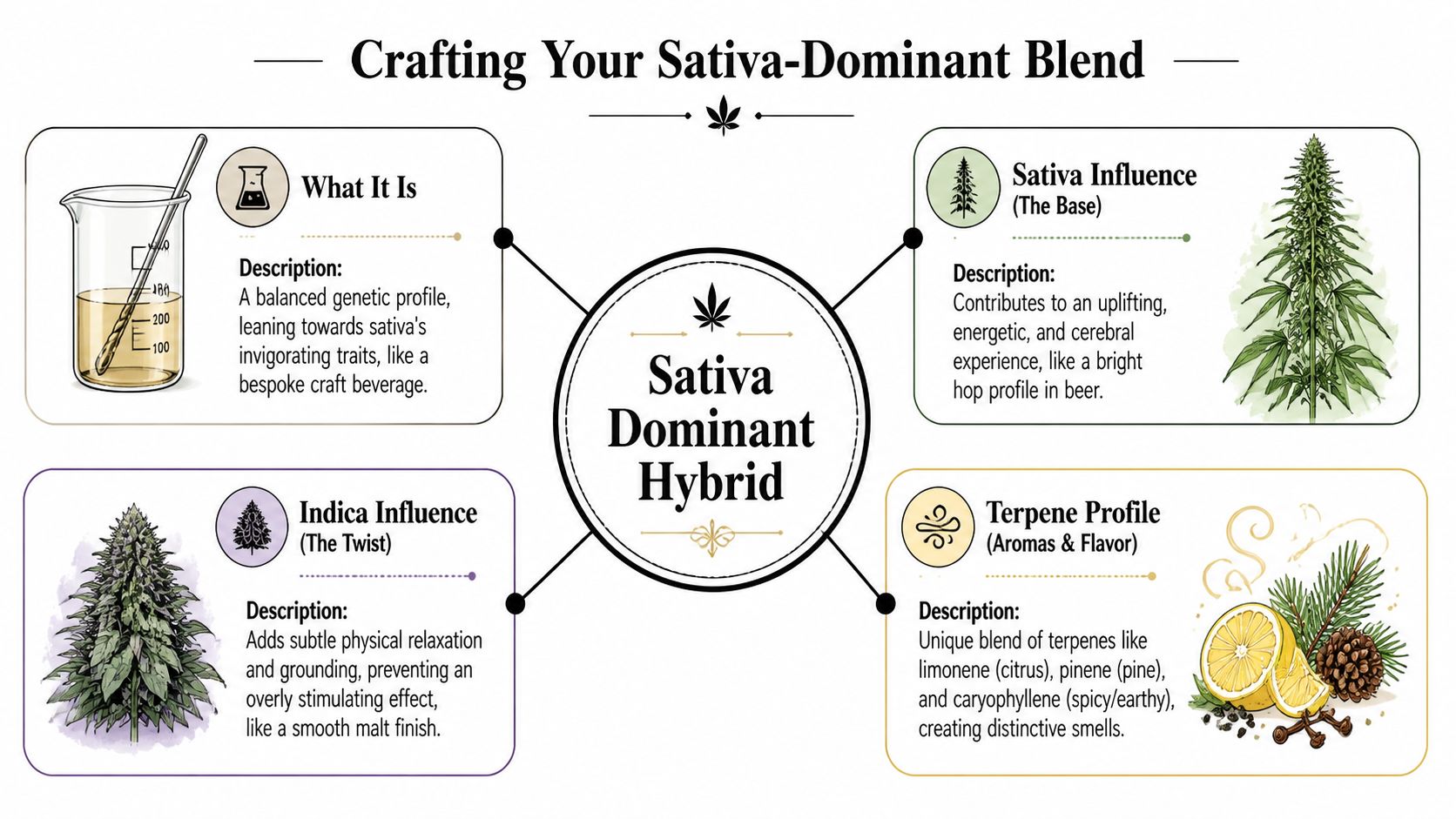
A sativa dominant hybrid is a cannabis cultivar bred to keep more of the traits growers and smokers associate with sativas, while pulling in some stabilizing influence from indica genetics. For a home grower, that usually means you are not chasing a pure landrace-style sativa that wants to outgrow the tent and take forever to finish. You are choosing a middle ground that still gives you the brighter side of the experience.
That middle ground is the whole point.
Ratios help, but they do not tell the whole story
Labels like 60/40 or 80/20 are shorthand for the breeder’s intent. They can give you a rough sense of direction, but they do not guarantee how a plant will grow in your room or how the finished flower will feel. Phenotype, breeder selection, training, harvest timing, and cure still matter.
In practice, a stronger sativa lean often points to a few common tendencies:
- More stretch in early flower: Plan for vertical growth, even in a hybrid.
- Longer, looser plant structure: Usually easier to keep aired out than squat, dense plants.
- A more active overall character: Many growers choose these for daytime jars rather than late-night use.
The indica influence is what makes this category easier to manage. It often reins in some of the wilder growth, adds a bit more body to the effect, and shortens the gap between "great in theory" and "realistic in a spare closet or small tent."
Why breeders keep making them
Hybrid breeding sits at the center of modern cannabis, and one Modern Canna guide to hybrid strains notes that breeders have catalogued 779 strains, with roughly half classified as hybrids. The same source points to Blue Dream, bred from Haze and Blueberry, as a familiar example of why growers like this category so much. It combines an energetic, creative headspace with enough calm on the back end to stay useful for daytime.
That breeding logic matters in the grow room. A sativa dominant hybrid is usually an attempt to keep the spark while reducing the baggage. You still need to watch for stretch and flowering time, but you are often dealing with a plant that is far more cooperative than a pure sativa line.
What the label should tell you
Use the label as a starting point, not a promise.
A sativa dominant hybrid usually signals three practical things. Expect a plant with some vigor. Expect effects that tilt lively rather than heavy. Expect a grow that is more manageable than the old-school sativa extremes many home growers are trying to avoid in the first place.
If you want a broader breakdown before comparing seed packs, this indica vs sativa vs hybrid guide gives useful context.
Good hybrid breeding is about trade-offs done well. You give up a little of the extreme edge and get back a plant you can actually run at home without fighting it every week.
That is why this category earns so much tent space. For home growers, it often hits the sweet spot between the sativa vibe you want and the practical limits of the room you have.
The Vibe and Aromas Unpacked
You crack open two jars that both say sativa dominant hybrid, and the room tells you right away they are not the same plant. One throws lemon peel and pine. The other brings sweet haze with a little spice underneath. That difference usually shows up in the effect too, which is why this category rewards growers who pay attention to more than the label.
The vibe people usually mean
Most sativa dominant hybrids are chosen for a clear, upbeat headspace. Growers and smokers usually mean focused, social, creative, or active, with enough body ease to keep the ride comfortable.
The useful part is the range inside that general profile. Some cultivars feel sharp and motivating. Some are friendlier and more conversational. Some give you that sweet spot home growers often want, bright enough for daytime without the raciness that can make pure sativas a chore to enjoy.
Reported effects often come from a familiar pattern of strong THC, low CBD, and terpene influence working together, as noted in Dr. Dabber’s discussion of sativa-dominant hybrid effects and terpene synergy. For a home grower, the takeaway is simple. Chase the kind of energy you want, but leave yourself a margin for comfort.

Why aroma tells you more than the label
Smell is often the better clue.
After a few runs, it gets pretty obvious that citrus-heavy flowers tend to hit differently than fuel-heavy ones, and a pine-forward plant rarely feels the same as a floral haze cut. The category name gives you a rough direction. The aroma profile gives you a much better read on personality.
Terpenes drive a lot of that distinction. A few show up over and over in sativa-leaning hybrids:
- Limonene: Citrus peel, bright top notes, often linked with a lively feel
- Pinene: Pine, herbs, sharper freshness, often associated with a cleaner profile
- Terpinolene: Floral, fruity, sometimes herbal, often found in more layered or sparkling expressions
If you want a better handle on how those profiles read before you buy seeds or flower, this guide to cannabis terpenes and their common aroma patterns is worth a look.
What works when you’re choosing by smell
For home growers, this is one of the easiest ways to make better picks without overcomplicating it. Ignore the hype for a minute and ask what kind of jar you keep reaching back to.
A practical rule of thumb helps:
- Citrus-forward cultivars often suit daytime use and a brighter, more active mood
- Pine-heavy cultivars often feel a bit cleaner and more focused
- Earthy, spicy, or sweet backing notes can take the edge off and make the effect feel rounder
That last point matters. A lot of growers want the sativa vibe, but not the jittery side that sometimes comes with it. The nose can help you screen for that. Loud lemon and pine with a little earth or spice underneath often points to a more balanced experience than a label alone will tell you.
Your nose is one of the best selection tools you’ve got. If the aroma profile sounds like something you would enjoy, the effect often follows in that direction.
Don’t reduce everything to THC
Newer buyers get burned here all the time. They see the biggest THC number and assume it will deliver the best version of an energetic hybrid.
In practice, a cultivar with a better terpene profile often feels smoother, clearer, and more enjoyable than one that wins on label strength alone. That is good news for the home grower. It means you can choose for the full experience, smell, feel, and day-to-day usefulness, and still get the lively character you want without chasing extremes that tend to come with more trade-offs.
Growing Sativa Dominant Hybrids at Home
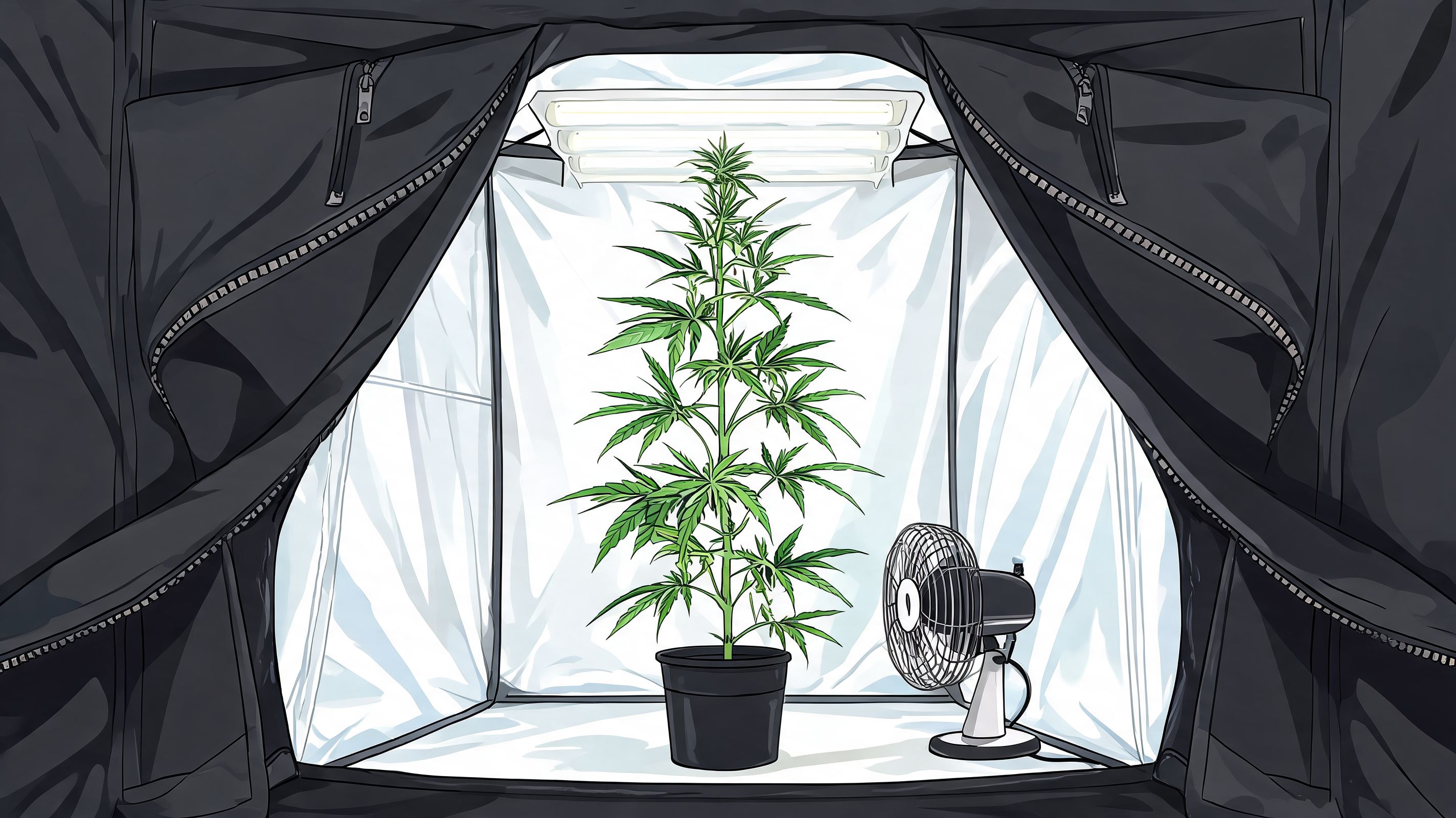
You clear a tent for a lively daytime cultivar, give it a comfortable veg, and two weeks after the flip it is trying to live in your lights. That is the usual lesson with sativa dominant hybrids. They can be excellent home-grow plants, but they reward growers who plan for stretch before it starts.
What the plant usually looks like
Most sativa-leaning hybrids carry that taller, narrower structure people associate with sativas. The upside is useful in a home setup. You often get better airflow through the plant and a canopy that is easier to open up with training.
The catch is height. According to a seed bank’s guide to sativa-dominant hybrids, these plants can stretch heavily after the flip and often finish flowering faster than a pure sativa. That is the trade-off a lot of home growers want. You get more of the upbeat sativa character without automatically signing up for the longest, wildest run in the room.
In practical terms, that usually means three things:
- More vertical growth pressure: Great if you have room, annoying if you do not.
- A more open frame: Helpful for airflow and light spread.
- A plant that benefits from early shaping: Waiting too long turns simple training into plant wrestling.
Managing stretch indoors
Indoor success comes from getting ahead of the plant.
I treat sativa dominant hybrids like vigorous teenagers. Give them a little freedom and they will test every limit in the tent. The simple fix is to start shaping in veg, not after the stretch is obvious.
Three methods handle most of the problem:
- Topping: Slows the main leader and gives you multiple tops to work with.
- Low-stress training: Pulls branches outward so the plant grows wider instead of straight up.
- Screen training: Keeps shoots spread across a flat canopy before flower stacks on top.
Practical rule: In a short tent, flip earlier than your indica instincts tell you to.
That one decision solves a lot. A smaller, trained plant usually yields better than an overgrown one you spend the whole flower cycle trying to control. If your light is weak or poorly placed, stretch gets worse and structure gets sloppy. A solid guide on lighting for growing cannabis indoors helps you set the room up right before the plant starts asking for more space than you have.
Indoor habits that usually work
Good routine beats heroics. Keep the environment steady and these cultivars are far easier to manage than their reputation suggests.
A few habits pay off every run:
- Run oscillating airflow early: Moving air helps stems strengthen and keeps the canopy from turning stagnant.
- Watch plant size at flip: Do not wait for the plant to feel “finished” in veg if ceiling height is tight.
- Level the canopy often: Even tops make better use of your light.
- Respect cultivar vigor: Some sativa dominant hybrids are easygoing. Others take off fast.
Here’s a quick visual reference before training decisions get messy:
Outdoors is simpler, if your climate cooperates
Outdoors, these plants are usually less stressful because height is not pressing against tent walls and light fixtures every day. If you have decent sun, steady airflow, and a warm season long enough to finish properly, a sativa dominant hybrid can be a very satisfying outdoor choice.
Climate still matters. Open structure helps with airflow, but it does not bail you out in a damp corner of the yard with poor morning sun. Give them spacing, moving air, and a spot that dries out early in the day. That does more than any fancy trick.
What tends to go wrong
Most home-grow problems with sativa dominant hybrids are predictable:
- Vegging too long in a short tent
- Underestimating stretch after the flip
- Packing several vigorous plants into one small space
- Skipping training because the plant still looks manageable
- Buying for hype instead of buying for your setup
That last mistake is common. If the goal is the sativa vibe without the usual headaches, the smart move is not chasing the most extreme plant on the menu. It is choosing a cultivar that fits your ceiling height, your climate, and the amount of hands-on work you want to do.
Choosing Your Perfect Sativa Dominant Cultivar
The best cultivar for one grower can be a terrible pick for another. A big, vigorous photoperiod might be perfect in a roomy tent with training time built into the week. The same plant can be a headache in a cramped setup where you just want a straightforward run.
The first smart split is simple: feminized photoperiod or autoflower.
Feminized photoperiod or autoflower
If you want more control, feminized photoperiod cultivars usually give you that. You choose when to flip, you decide how long to train, and you can spend more time building an even canopy before flowering begins. That makes them a strong fit for growers who like shaping plants and pushing for a fuller harvest.
Autoflowers solve a different problem. They’re often a better fit when simplicity and space management matter more than fine control. If your main fear with a sativa dominant hybrid is runaway height, a sativa-leaning autoflower can be a very practical choice.
Each path has trade-offs:
- Feminized photoperiods: Better control, more time to train, often a more customizable grow.
- Autoflowers: Faster, simpler, and often easier in small spaces.
- Either one can work well: The main issue is matching the cultivar to your room and routine.
Why market favorites stay popular
Some names keep showing up for a reason. In the global market, Sour Diesel and Green Crack are described as popularity leaders with THC levels around 17 to 18%, and Sour Diesel is identified as a 90/10 sativa-dominant hybrid known for energetic, creative, and cerebral effects, according to Leafly’s explanation of cannabis type differences. That popularity comes from crossbreeding that keeps the appeal of sativa traits while making the cultivars more dependable for growers.
That doesn’t mean you should blindly copy a top-seller list. It means there’s value in paying attention to what has stayed relevant. Cultivars that stick around usually do so because they bring a clear identity and a workable grow pattern.
The fun part, finding your favorite expression
Home growing offers a superior experience to shopping for flower off a menu. When you grow your own, you get to learn what kind of sativa dominant hybrid you prefer.
Some growers want:
- sharp fuel and citrus
- sweeter fruit and haze
- pine-heavy, cleaner-smelling flowers
- a cultivar with more bounce and stretch
- a cultivar that stays tidier and easier to manage
That’s also why phenotype hunting appeals to hobby growers. Even within one cultivar, you may notice small differences in aroma, structure, and overall personality. The fun is keeping the one that really fits your taste and your setup.
Sativa-Dominant Cultivar Snapshot
| Cultivar | Typical Vibe | Primary Aromas | Grower Notes |
|---|---|---|---|
| Sour Diesel | Energetic, creative, cerebral | Diesel, fuel, sharp herbal notes | Strong sativa lean, better for growers ready to manage stretch |
| Green Crack | Bright, active, daytime-friendly | Fruity, sweet, citrus-leaning notes | Good choice if you want a lively profile without going too heavy |
| Lemon Haze | Upbeat, social, fresh | Lemon, citrus, haze | Great for growers who love clear citrus-forward profiles |
| Blue Dream | Balanced, creative, easygoing | Sweet berry with haze background | Popular for a reason, approachable profile and broad appeal |
How to make the final call
If you’re torn between options, use three filters:
- Space: How much height can you really spare?
- Preference: Do you want citrus, fuel, fruit, or pine?
- Hands-on time: Are you training regularly, or do you want a simpler run?
Pick the cultivar that fits your room first and your fantasy second. You’ll enjoy the harvest a lot more.
A manageable cultivar with a vibe you love will beat a trendy monster that stresses you out for weeks.
Common Questions from Fellow Growers
You get the seeds, fill the pots, and start picturing that upbeat daytime smoke. Then week three hits and the plant starts reaching for the lights like it pays no rent. That’s the point where sativa-dominant hybrids either stay fun or turn into extra work.
My sativa dominant hybrid is stretching too much, what should I do
Get ahead of it early.
Topping, low stress training, and a screen work best before the plant takes over the tent. Once the canopy is already too close to the light, every correction costs you more time and usually adds more stress to the plant.
If you’re still in veg, widen the plant and keep the top growth level. If you’re already in flower, focus on bending, tying, and support. Heavy pruning or high-stress moves late in the run can slow things down at the exact moment you want clean flower development.
Are sativa-dominant autoflowers a good fit for a small tent
Often, yes.
They’re a practical option for growers who want the brighter sativa-style effect without committing to a long veg or dealing with a plant that triples in size after flip. You still need to choose carefully, because some autos can stretch more than people expect, but they usually give home growers a better margin for error in tight spaces.
Short version: if your tent is small and your schedule is busy, a well-bred sativa-leaning auto can be the easier path.
Why do some home grows with these cultivars feel inconsistent
Two things usually drive that problem. Genetics, and the variation you see from one phenotype to another.
A shaky cultivar line can give you one plant that finishes in a reasonable window and another that stretches harder, flowers longer, or reacts poorly to humidity. That inconsistency is what frustrates home growers most. You’re not running a giant facility with room to sort through weak performers. You want a plant that behaves close to the description and finishes without drama.
That’s why breeder quality matters so much in this category.
Why do two cultivars with the same THC feel different
Because THC only tells part of the story.
A citrus-forward flower with a sharp, clean nose can hit very differently from a fuel-heavy or haze-leaning one, even if the label shows a similar THC number. Terpenes, minor cannabinoids, and the overall cultivar makeup shape the effect in a way one headline number can’t explain.
If two jars test similarly but smell completely different, expect a different ride.
Are these cultivars harder than indica-leaning ones
Sometimes. The primary issue is usually management.
Sativa-dominant hybrids tend to ask for more attention on height, canopy control, and flower time. That can be a pain in a short tent or for growers who want the quickest possible turnaround. But if you pick a manageable cultivar and train early, they’re well within reach for a home grower.
The trade-off is simple. More energy and lift in the final flower often comes with a little more work in the room.
What’s the biggest mistake newer growers make
They shop for the effect and ignore the grow.
That’s how someone ends up with a plant they love in theory and hate by week seven. A better approach is to choose the most sativa-leaning option your space, airflow, and patience can realistically support. You still get the vibe you want, and you skip a lot of the classic sativa headaches.
Your Next Step to a Great Harvest
A good sativa dominant hybrid hits a sweet spot for home growers. You get the brighter, more active character that draws people toward sativa cultivars in the first place, but you don’t have to sign up for every classic sativa headache.
That balance is the main win. Pick the right cultivar, train early, keep your canopy under control, and you can pull off a grow that feels rewarding instead of chaotic. You also get the home-grow perks that matter in real life: no dispensary line, no paying extra taxes every trip, and the satisfaction of opening your jar and knowing you grew it yourself.
The best next move is simple. Filter for your space first, your aroma preferences second, and your patience level right alongside both. That’s how you end up with a cultivar you’ll enjoy growing, not just one you liked reading about.
If you’re ready to choose a cultivar that fits your tent, schedule, and preferred vibe, check out Botanist Seeds. Their comparison tools make it easier to sort through feminized and autoflower options and narrow in on the sativa dominant hybrid that matches your setup without the guesswork.