




Growing Outdoor Cannabis Seeds: Your Guide to Success
You're probably here because outdoor growing sounds great in theory, then the seed menu hits you in the face. Autoflower, photoperiod, fast flower, mold resistance, short season, long season. It can feel like buying hiking boots when all you wanted was a simple walk outside.
The good news is that most of the confusion comes from too many choices, not from the grow itself being impossible. For a home grower, outdoor success usually comes down to three calls: pick the right seed type, match it to your climate, and get the first few weeks right. If you nail those, a lot of beginner problems never show up.
Growing your own can be one of the most satisfying projects you take on. You skip dispensary lines, avoid the extra hit of taxes, and get the kind of pride that only comes from harvesting something you raised yourself. You also get more control over the experience you want, whether that means a compact patio cultivar with a bright citrus aroma or a bigger backyard plant with a heavier, earthier profile.
Why Grow Your Own Cannabis Outdoors
A lot of people start in the same place. They've got a yard, a deck, or one decent sunny corner, and they're wondering if that's enough. Then they look at indoor gear, timers, tents, fans, and electricity costs, and suddenly outdoor growing starts looking a lot more appealing.
That instinct is usually right. Outdoor growing strips the process back to the basics. The sun handles the heavy lifting. The season gives the plant its rhythm. You're not trying to create nature in a spare closet. You're just giving a plant a good start and staying out of its way when it's happy.
There's a reason more people are paying attention to seeds and home cultivation. The global cannabis seeds market was valued at USD 464.09 million in 2024 and is projected to reach USD 1390.33 million by 2032, with growth tied in part to home growing and outdoor-adapted cultivars, according to Data Bridge Market Research on the global cannabis seeds market.
What makes outdoor growing worth it
For hobby growers, the appeal is pretty simple:
- Lower equipment hassle: You don't need to build a whole artificial environment.
- A more hands-on hobby: Checking your plants with morning coffee beats staring at a grow tent zipper.
- Room for bigger expression: Outdoor cultivars can show more natural shape, aroma, and vigor when the season suits them.
- A real sense of ownership: A home harvest hits differently when you took it from seed to finish yourself.
Practical rule: Outdoor growing gets easier when you stop chasing perfection and start chasing fit. The right seed for your space matters more than the fanciest plan.
The catch most beginners miss
Outdoor growing is forgiving in some ways, but it's not random. You can't just buy the cultivar with the coolest name and expect it to finish cleanly in your yard. A seed that thrives in a long, dry season can struggle badly in a damp backyard with a short fall window.
That's why seed choice matters so much. Not because it's complicated, but because it decides the whole shape of your grow. Get that part right, and outdoor cannabis seeds feel approachable instead of technical.
Autoflower Versus Photoperiod Seeds Explained
A lot of first-time outdoor growers lose the season on this choice alone. They buy seeds for yield or hype, then find out too late that the plant type never fit their yard, weather, or patience level.
Autoflower and photoperiod seeds can both produce a strong outdoor harvest. They just ask for different conditions, and they punish different mistakes.
The Core Difference
The split comes down to what starts flowering.
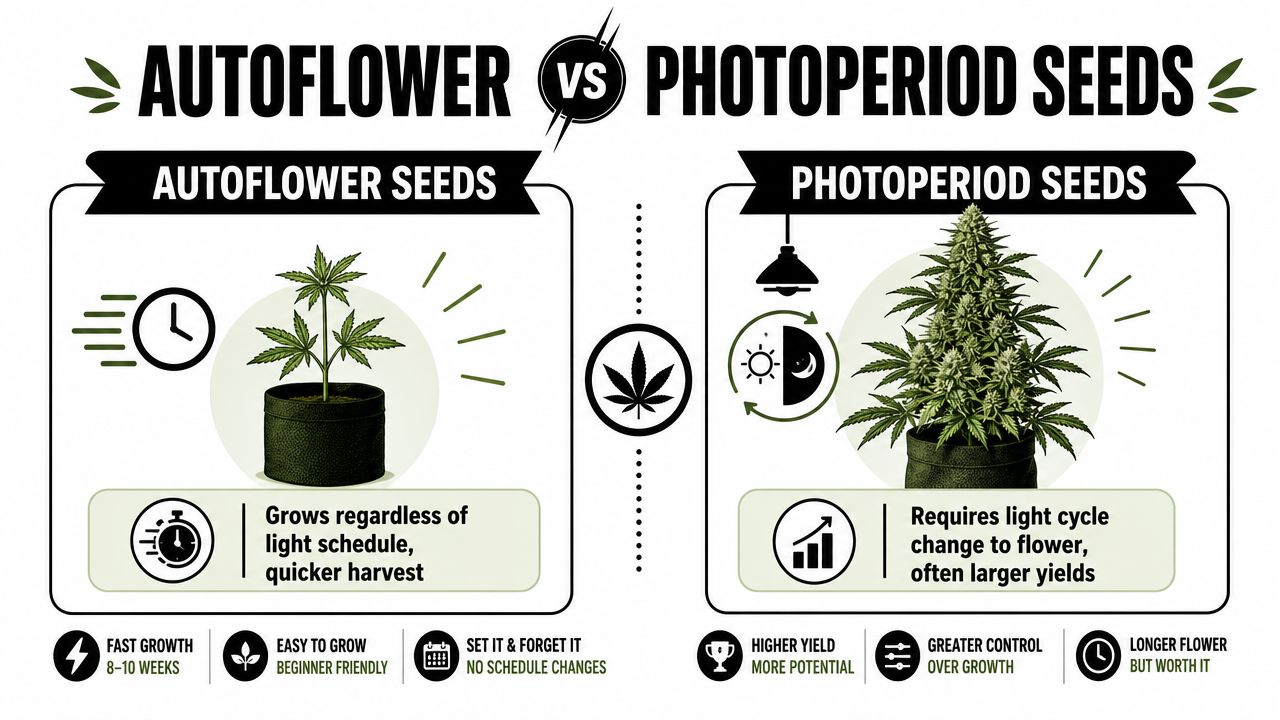
Photoperiod cultivars wait for daylight hours to shorten. Autoflowers flower based more on age, so they are not tied to the same seasonal light cue. A seed bank notes that in warmer regions, autoflowers can make two or three outdoor harvests in one season, which helps explain why they appeal to growers who want speed and flexibility in their guide to USA climates for outdoor cannabis growing.
That one difference shapes almost everything else.
With photoperiods, you are working with the natural calendar. If your fall is long, bright, and fairly dry, that can be a great setup. If your area turns cold, wet, or mold-prone before the plant finishes, the extra veg time stops looking like an advantage.
Autoflowers are simpler in that sense. They keep moving even when day length is still long, which is why many hobby growers get a cleaner first result with them. For a closer side-by-side comparison, this guide on autoflowering vs photoperiod cannabis seeds lays out the practical differences well.
When autoflowers are the smart pick
Autoflowers usually make more sense when the goal is to keep the first season manageable.
- You want a faster harvest: Less time in the yard means fewer weeks exposed to weather swings.
- Your season is short or unpredictable: Finishing earlier can avoid late-season rain, cold nights, and bud rot pressure.
- You need a smaller plant: Many autos stay compact enough for patios, small gardens, and lower-profile grows.
- You want a simpler schedule: There is less guesswork around when flowering will begin.
The trade-off is control. Autos do not give you much time to recover from a slow start, transplant stress, or poor early feeding. If they stall early, they often stay small.
When photoperiods are worth the extra time
Photoperiod seeds are a better fit when your climate gives you enough runway and you want a plant with more room to grow before flower.
| Seed type | Best for | Main trade-off |
|---|---|---|
| Autoflower | Speed, smaller spaces, shorter or riskier seasons | Less time to correct early mistakes |
| Photoperiod | Longer seasons, larger plant potential, more training options | More exposure to late-season weather |
At this point, experience starts to matter. A healthy photoperiod plant can handle topping, training, and a longer veg period far better than an auto. That gives growers more influence over size and shape, but it also means more dependence on a stable outdoor season.
I usually give beginners a simple rule. If the back half of your season is questionable, pick the plant that finishes before the trouble starts. A modest harvest that comes in dry and on time beats a bigger plant that gets chewed up by October weather.
The simplest way to choose
Use these three questions:
- Do you want the fastest path to harvest, or are you happy to run a full season?
- Does your local weather stay decent late enough for photoperiod flowering to finish well?
- Are you trying to keep your first outdoor grow low-stress?
If your answers point to speed, uncertain fall weather, and simplicity, start with autoflowers.
If your answers point to a longer safe season, more training freedom, and patience, photoperiods are often the better play.
Matching the Right Cultivar to Your Climate
A seed can look perfect on a product page and still be wrong for your yard. Outdoor growers get in trouble when they shop for hype instead of fit. Sun matters, sure, but climate pressure is usually what decides whether a season feels smooth or stressful.
What matters more than beginners expect
For outdoor success, environmental resilience is a big deal. Guidance for outdoor growers emphasizes genetics with resistance to mold, mildew, and pests, especially in humid or late-season conditions where dense flowers hold moisture. It also points to the value of stable, dependable genetics for a more uniform harvest, as noted in a seed bank’s outdoor cannabis seed guidance.
That means the right cultivar isn't always the one with the loudest aroma profile or the biggest promise. If your area gets damp mornings, random rain, or cool nights late in the season, resilience becomes part of yield.
A backyard reality check
Use this quick filter before you buy outdoor cannabis seeds:
- Sun exposure: How much direct sun does the spot get?
- Season length: Does your warm stretch feel generous or tight?
- Humidity: Do your summers stay dry, or does moisture linger?
- Rain timing: Is late summer or early fall usually wet?
- Airflow: Is the area breezy, or do plants sit in still, heavy air?
- Mobility: Can you use containers and move plants if weather shifts?
If your answers lean toward wet, short, shaded, or unpredictable, you should shop differently than someone growing in a long, dry southern season.
Climate matching by grower type
Here's a simple explanation:
Short-season or northern grower
You want cultivars that finish early and don't fall apart under pressure. Fast-finishing autoflowers often make more sense than ambitious full-season plants that need ideal autumn weather.
Humid or rainy grower
Look for cultivars described with mold resistance and a growth habit that handles moisture better. Dense flowers can be beautiful, but in wet conditions they can also be trouble.
Warm southern grower
You have more flexibility. Autoflowers can open up multiple runs, and photoperiod options become more realistic if your fall stays friendly long enough.
A good outdoor grower doesn't ask, “What's the most impressive cultivar?” They ask, “What can finish cleanly where I live?”
Grower using containers
Containers give you one big advantage. You can react. If heavy rain shows up or nights turn rough, movable plants give you options that in-ground growers don't have.
If you're curious about older regional genetics and how climate-adapted lines have developed, this page on landrace cultivars is a useful rabbit hole.
From Seed to Soil The First Steps
You picked a seed that fits your season. Now the goal is simple. Get it sprouted, planted, and established without creating problems in the first week.
Starting clean matters more than starting fancy. New outdoor growers lose time by fussing over germination gear, repotting too often, or keeping seedlings too wet. A steady routine beats a clever one almost every time.
A simple way to germinate
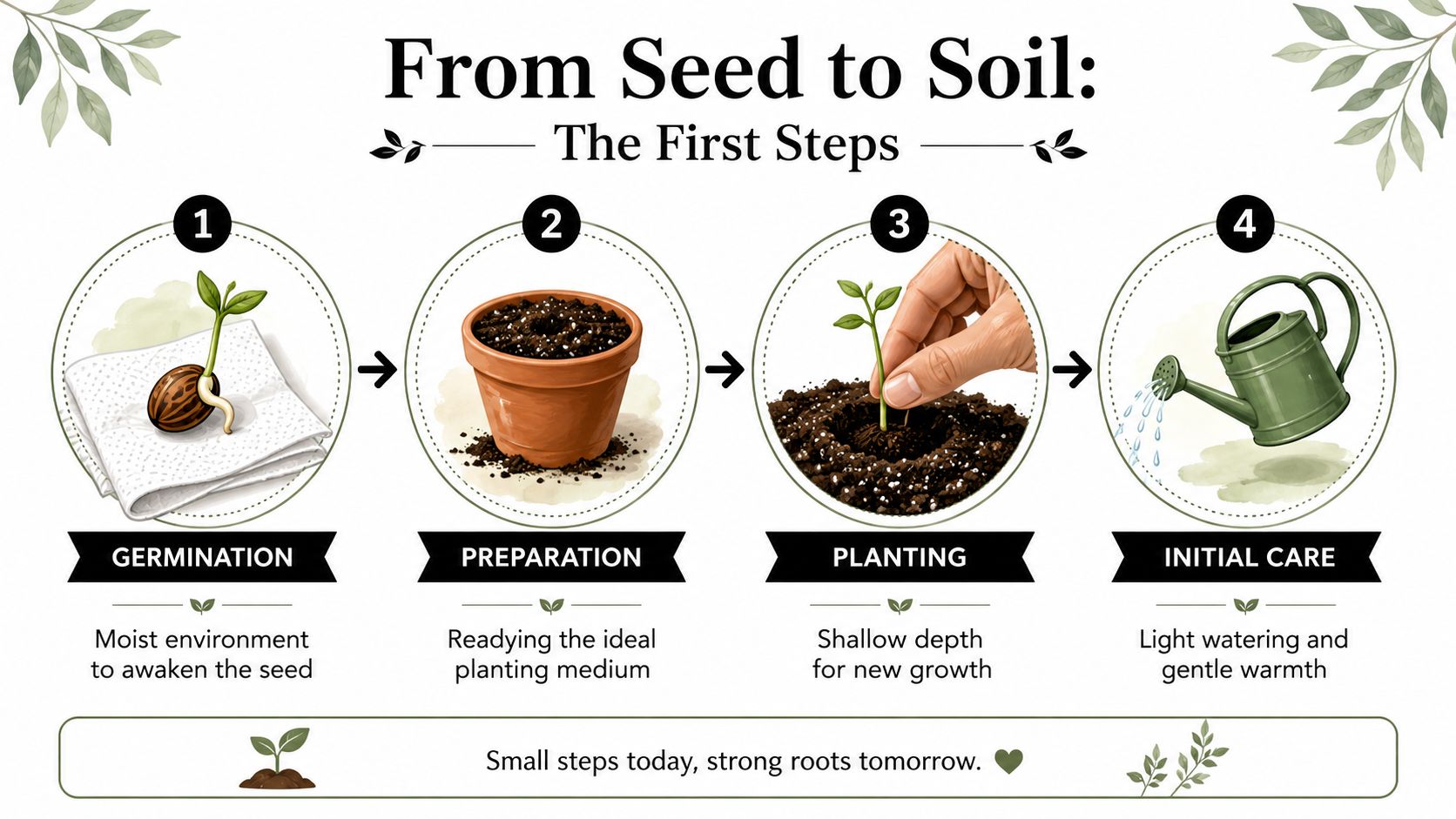
The paper towel method stays popular because it gives you control without much equipment. You can see whether the seed has cracked, keep moisture in the right range, and avoid burying a dud in soil too early.
- Moisten a paper towel: Keep it damp, not dripping.
- Place the seed inside: Fold the towel so the seed stays covered on both sides.
- Keep it warm and dark: Stable warmth helps more than constant checking.
- Check once a day: You're waiting for the shell to split and the taproot to show.
Plant as soon as that root appears. Waiting too long makes the seed harder to handle and easier to damage. If you want a clearer timeline for sprouting and what to expect day by day, this guide on how long it takes to germinate weed seeds is a useful starting point.
Planting without slowing the seedling down
Use a light medium, plant shallow, and leave the soil loose enough for air to move through it. Seedlings stall fast in compacted, waterlogged soil.
A good rule is to plant the seed root-down about a knuckle deep, then water lightly around the spot instead of soaking the whole container. That keeps the immediate root zone moist without turning the pot into mud. For many outdoor growers, timing lines up with the stretch of spring when nights stop getting cold and the soil has some warmth in it, not the first random sunny day that makes the yard look ready.
Here's the video version if you prefer seeing the early process laid out visually:
The first two weeks set the pace
Early growth is mostly about avoiding setbacks. Seedlings recover slowly outdoors because wind, cold nights, pests, and heavy rain all hit at once.
Keep your attention on a few basics:
- Water by feel: The surface can dry while the root zone is still wet.
- Block rough weather if needed: A simple cover or sheltered spot helps small plants a lot.
- Give morning and midday light: Young seedlings need light, but sudden harsh exposure can stress them.
- Check leaves and stems often: Slugs, chewing insects, and damping-off show up early.
- Leave them alone once conditions are right: Constant handling causes more damage than patience.
Small seedlings grow best under steady conditions, not constant adjustments.
Direct sow or start in a container
Both methods work. The better option depends on how exposed your site is and how much control you want during the fragile stage.
| Method | Good for | Downside |
|---|---|---|
| Direct into soil | Less transplant shock, simpler setup | More risk from pests, cold soil, and hard rain |
| Small container first | Better control over moisture and shelter | You need to transplant at the right time and do it gently |
I usually tell first-time growers to be honest about their yard. If the site is open, windy, or still running cool at night, a small container buys you margin for error. If the bed is ready, the weather is stable, and you can keep an eye on pests, direct sowing is straightforward and saves a transplant later.
Common Pitfalls for First-Time Outdoor Growers
Most first-time mistakes aren't dramatic. They're small habits repeated for a few weeks. Too much water. Starting too late. Picking a cultivar that looked exciting but didn't fit the season. None of this means you're bad at growing. It just means outdoor plants punish mismatch faster than indoor gear does.
The mistakes that show up most
A few problems come up again and again:
- Overwatering: New growers often water on schedule instead of by feel. Wet soil for too long slows roots and invites problems.
- Pots that get cramped too fast: A plant that wants to expand can stall when the root zone runs out of room.
- Ignoring pest pressure: Outdoor means insects, and small issues don't stay small for long.
- Poor site choice: A hidden corner with weak light can turn into a season-long disappointment.
- Late starts with the wrong seed type: This one catches a lot of people.
The late-season trap
People often ask if it's too late to plant. The honest answer is, sometimes yes for one seed type, but not necessarily for another.
Guidance for late planting notes that autoflowers can be ready in as little as 8 weeks from germination, while fast photoperiod strains still need around 3 months, which is why autos are often the safer move when the season is already moving along, according to GrowWeedEasy's guide to the fastest outdoor strains for late planting.
That's one of the clearest real-world trade-offs in outdoor growing. If you start late and still buy a standard full-season photoperiod cultivar, you're not being ambitious. You're often just stacking risk.
Simple fixes that actually help
Instead of trying to do everything, tighten up these basics:
Check the soil before watering
Stick a finger into the medium and feel it. If it still holds moisture, wait. Outdoor conditions change too much for rigid watering schedules to make sense.
Protect small plants early
Slug pressure, chewing insects, and rough weather all hit harder when plants are young. Early protection is easier than recovery.
Stop chasing the biggest possible plant
A plant that finishes cleanly is the win. Outdoor beginners often overvalue size and undervalue timing.
Field note: The best seed for a late start usually isn't the highest-yielding one. It's the one that actually crosses the finish line.
Use containers if your weather is messy
If your climate swings hard, container growing gives you an escape hatch. You can move plants to shelter, adjust exposure, and avoid some rain-related stress.
What doesn't work well
Beginners lose time trying to rescue a bad setup instead of simplifying it. A weak site, a bad seasonal fit, and constant overhandling usually don't turn around because you bought one more bottle or read one more forum thread.
Choose a realistic cultivar, start cleanly, and let the plant do its job.
Finding Reliable Genetics You Can Trust
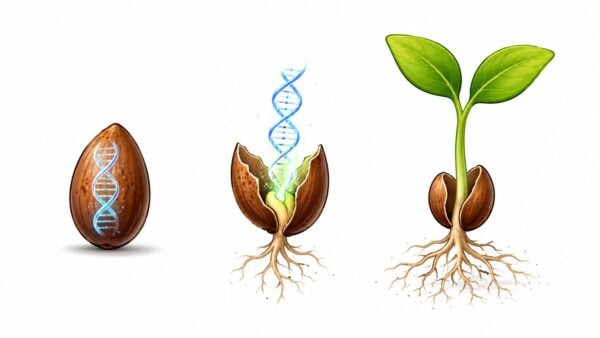
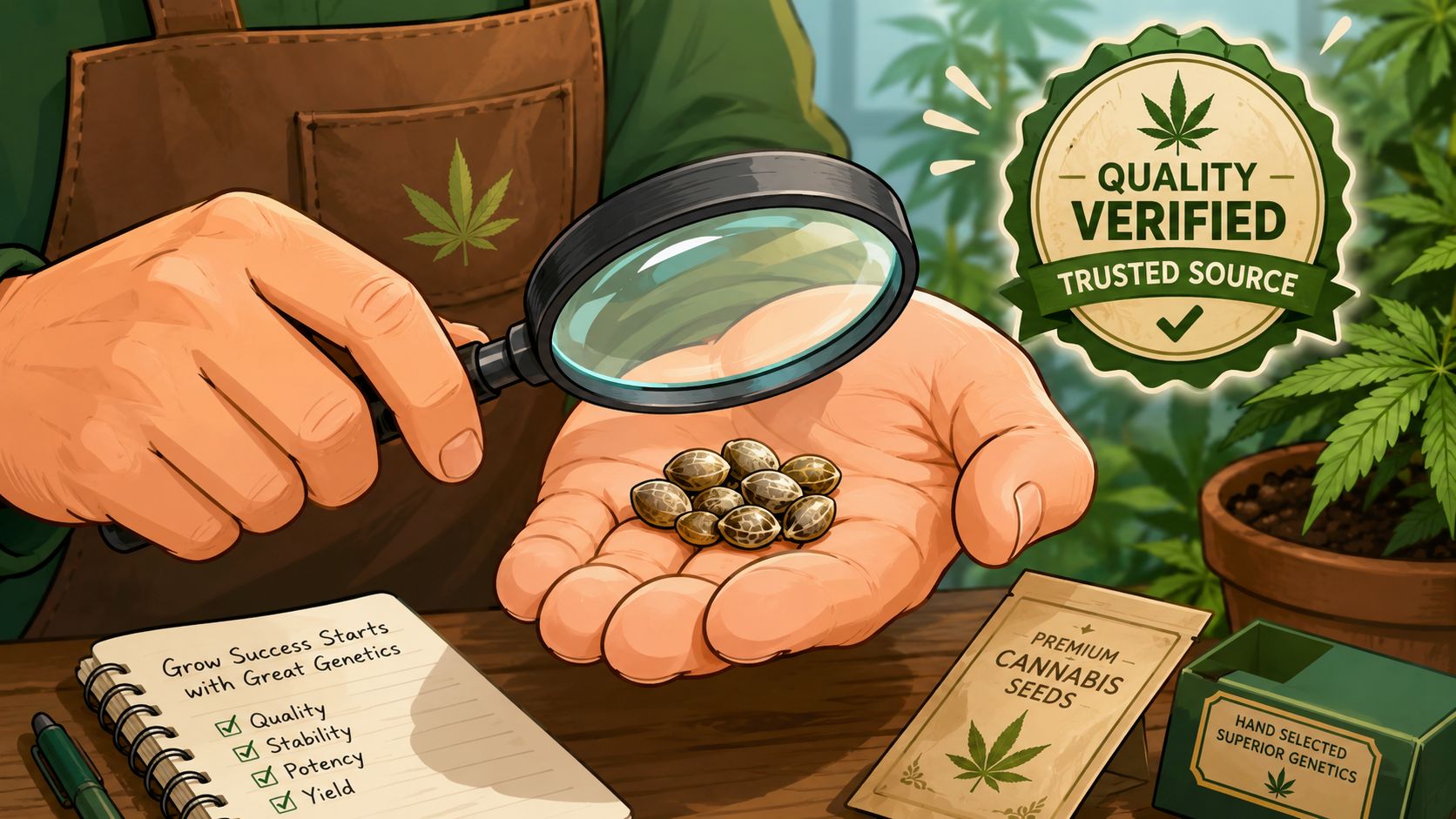
A solid outdoor setup can still disappoint if the seed stock is inconsistent. That's the part people don't always want to hear. Soil, sunlight, and care matter, but genetics set the ceiling and the safety margin.
What reliable genetics look like
You want a seed source that tells you things that matter in practice, not just flashy strain copy.
Look for:
- Clear flowering behavior: Is it autoflower or photoperiod, and is that stated plainly?
- Climate guidance: Does the seller explain whether the cultivar fits wet, short, or variable seasons?
- Resistance notes: Mold resistance and outdoor toughness should be described clearly when relevant.
- Stable presentation: The cultivar should be presented as dependable, not mystery-box chaos.
- Useful sensory detail: Aroma, growth pattern, and overall vibe should help you picture the plant clearly.
Outdoor guidance increasingly frames success around seasonal resilience, especially in northern or wet climates where growers should prioritize genetics that finish early and resist mold over headline yield. It also stresses the value of buying from a source that clearly explains those practical resistance traits, as covered in a seed bank’s late outdoor start guide.
What a good listing should help you answer
Before buying outdoor cannabis seeds, a product page should make these questions easy:
| Question | Why it matters |
|---|---|
| Will this finish in my climate? | Timing decides whether you harvest or fight weather |
| Is this better for a dry or humid setup? | Moisture pressure changes cultivar choice |
| How much space does it want? | Patio, balcony, and backyard grows need different plant habits |
| What kind of aroma and character can I expect? | You're growing for your own preferences, not just speed |
If the listing can't help with those answers, you're guessing.
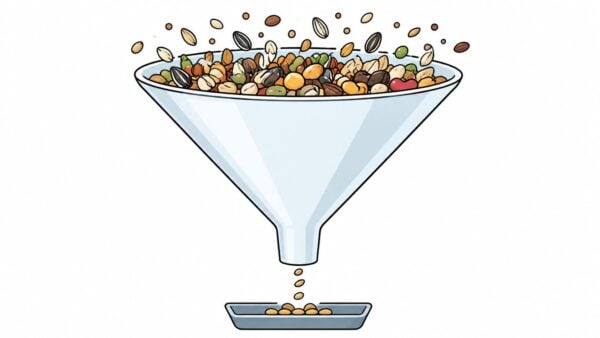
A better way to shop
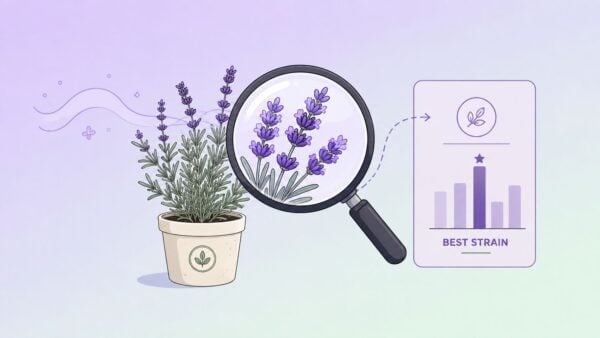
A comparison tool is usually more useful than scrolling random strain pages. It helps you sort by the stuff that affects results, such as autoflower versus photoperiod, resistance traits, finish timing, and the kind of aromatic profile you want in the jar.
That's especially helpful for newer growers, because it turns seed shopping from hype browsing into decision-making. You stop asking, “What's the coolest cultivar?” and start asking, “What fits my setup?”
Reliable genetics don't guarantee a perfect season. They do something more important. They give your effort a fair chance to pay off.
If you're ready to turn all of this into a real pick, Botanist Seeds makes that part a lot easier. You can compare cultivars by seed type, narrow down options for your climate and space, and focus on dependable genetics without digging through vague strain descriptions. For a first outdoor run, or a better second one, that kind of clarity saves time and helps you choose with confidence.