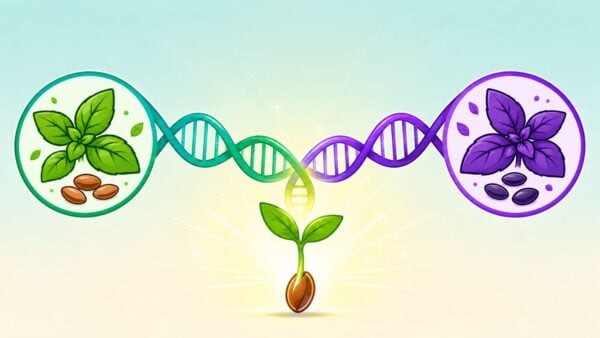





DNA Genetic Seeds: A Practical Guide to Choosing and Growing
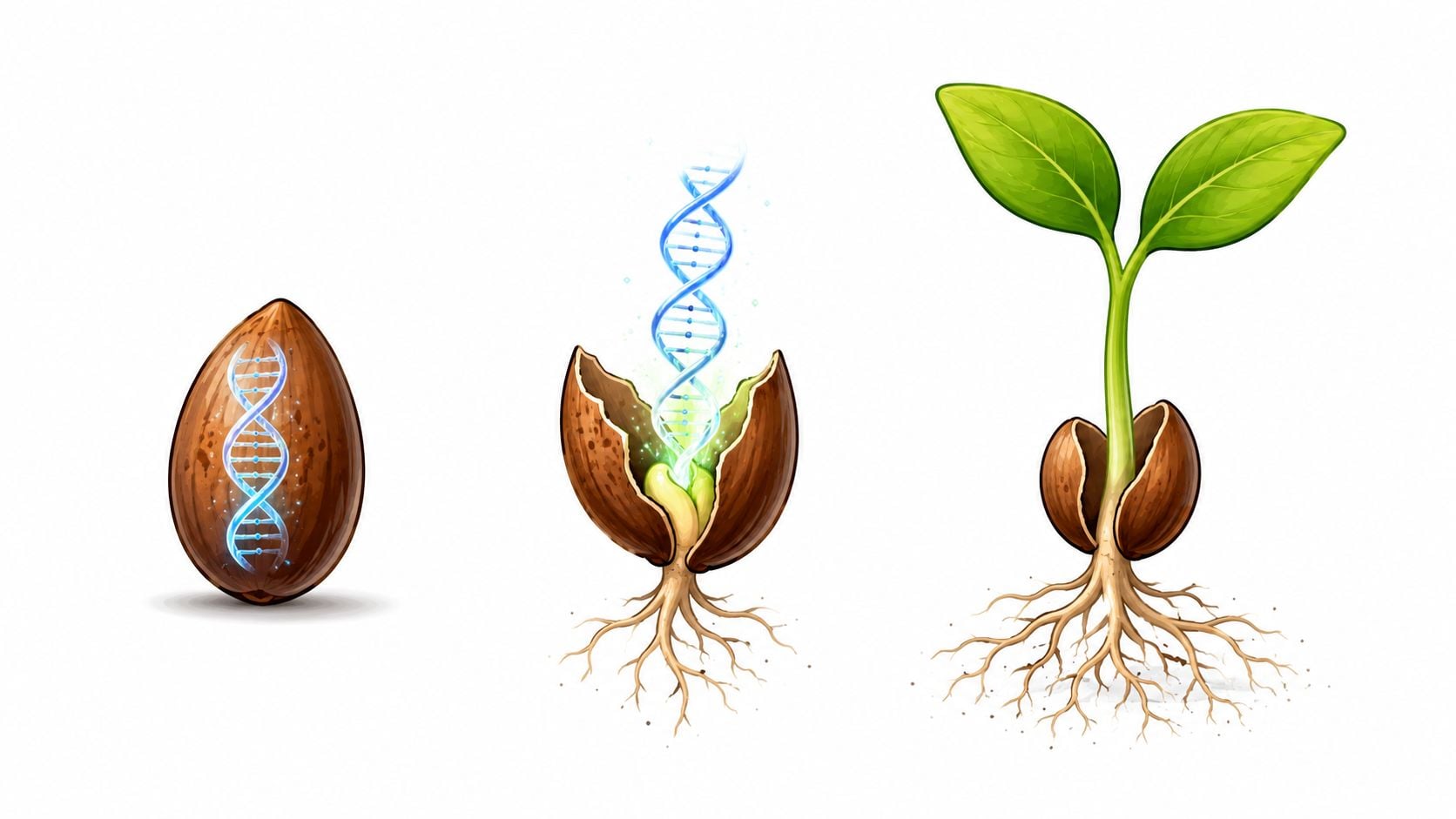
1869 is where the modern story starts, 1944 is where DNA was proved to be the hereditary material, and 1953 is where the double helix made inheritance easier to understand. If you're shopping for dna genetic seeds, that history matters because the seed's DNA is what shapes the plant you grow.
You can be standing in front of a catalog with ten cultivars that all sound great, and still end up wondering which one will behave the way you need it to. That's the real question, not which label looks flashiest. A good seed choice makes the rest of the grow easier, from aroma and structure to the kind of garden rhythm you can live with.
Why the Genetics in Your Seed Packet Matter
You've probably had that moment where three seed packs all look solid, and the descriptions blur together after the second scroll. One promises a bright aroma, another talks about compact growth, and a third sounds like it was named by someone who had a very long afternoon. The part most growers feel in their gut is simple, though, the seed is the biggest variable you control before the first leaf even appears.
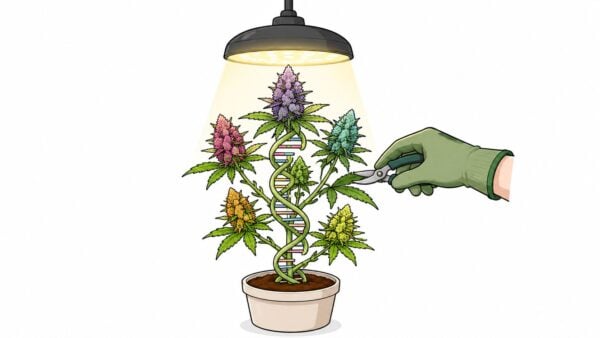
The plant's traits don't come from wishful thinking or a lucky feeding schedule. They come from the DNA inside the seed coat, which shapes the general direction of the cultivar, then your environment decides how strongly those traits show up. Two growers can run the same setup and still end up with different results because genetics are the starting point, not the afterthought.
The buying decision starts before germination
That's why people who get consistent harvests usually shop for genetics first and tricks second. They're not chasing every new buzzword, they're asking whether the cultivar matches their space, time, and tolerance for drama. If you want a smoother run, you start by choosing a seed that already points in the right direction.
Practical rule: if the packet doesn't clearly tell you what kind of plant you're likely to get, you're buying uncertainty, not a cultivar.
A lot of first-time growers blame nutrients or lighting when the actual issue was the seed choice. That doesn't mean the environment doesn't matter, it absolutely does. It just means the smartest place to spend attention is the seed packet, because that's where the whole grow begins.
Genotype and Phenotype in Plain Language
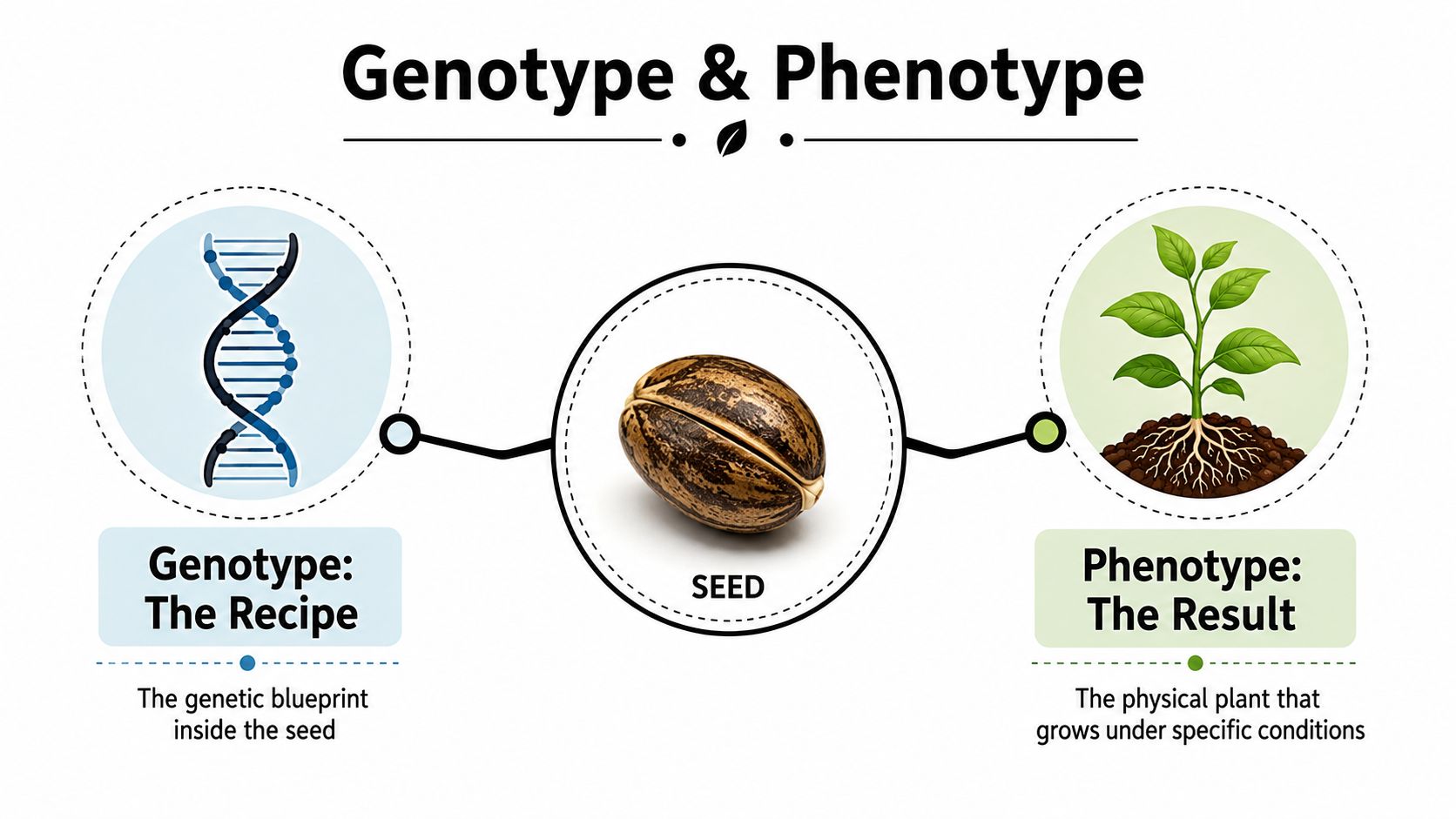
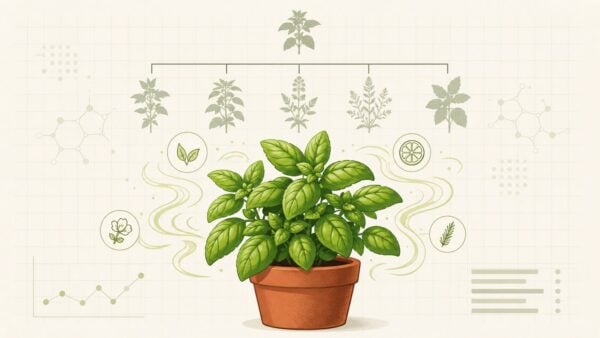
Think of genotype as the recipe card and phenotype as the meal that hits the table. The recipe can say tomato basil soup, but the final bowl still depends on the stove, the cook, and how long it simmers. In seed terms, the genotype is the genetic blueprint locked inside the seed, while the phenotype is the actual plant you get under your setup.
That's why two seeds from the same cultivar can look and smell a little different. One might stretch more, another may stay tighter and bushier, and both can still be “true” to the same family. Biology has range built into it, and that's normal, not a defect.
Why breeders spend years making traits repeat
Breeders work to narrow that range so plants express the traits they want more reliably. They select and reselect parents until the offspring behave more consistently, which is why a stable cultivar usually feels easier to trust than something untested. For a home grower, that consistency matters because it lowers the number of surprises between seed and harvest.
The internal logic is pretty simple. Predictable genetics give you a better shot at predictable outcomes, and then your environment fine-tunes the result. If you want a cultivar that stays close to its description, you want both halves working in your favor.
For a visual refresher on how plant traits show up, see the guide to phenotype. The short version is this, the seed carries the recipe, but your grow room writes the final draft.
Stable genetics don't remove variation, they make the variation easier to manage.
A Short History of DNA Science That Actually Matters for Growers
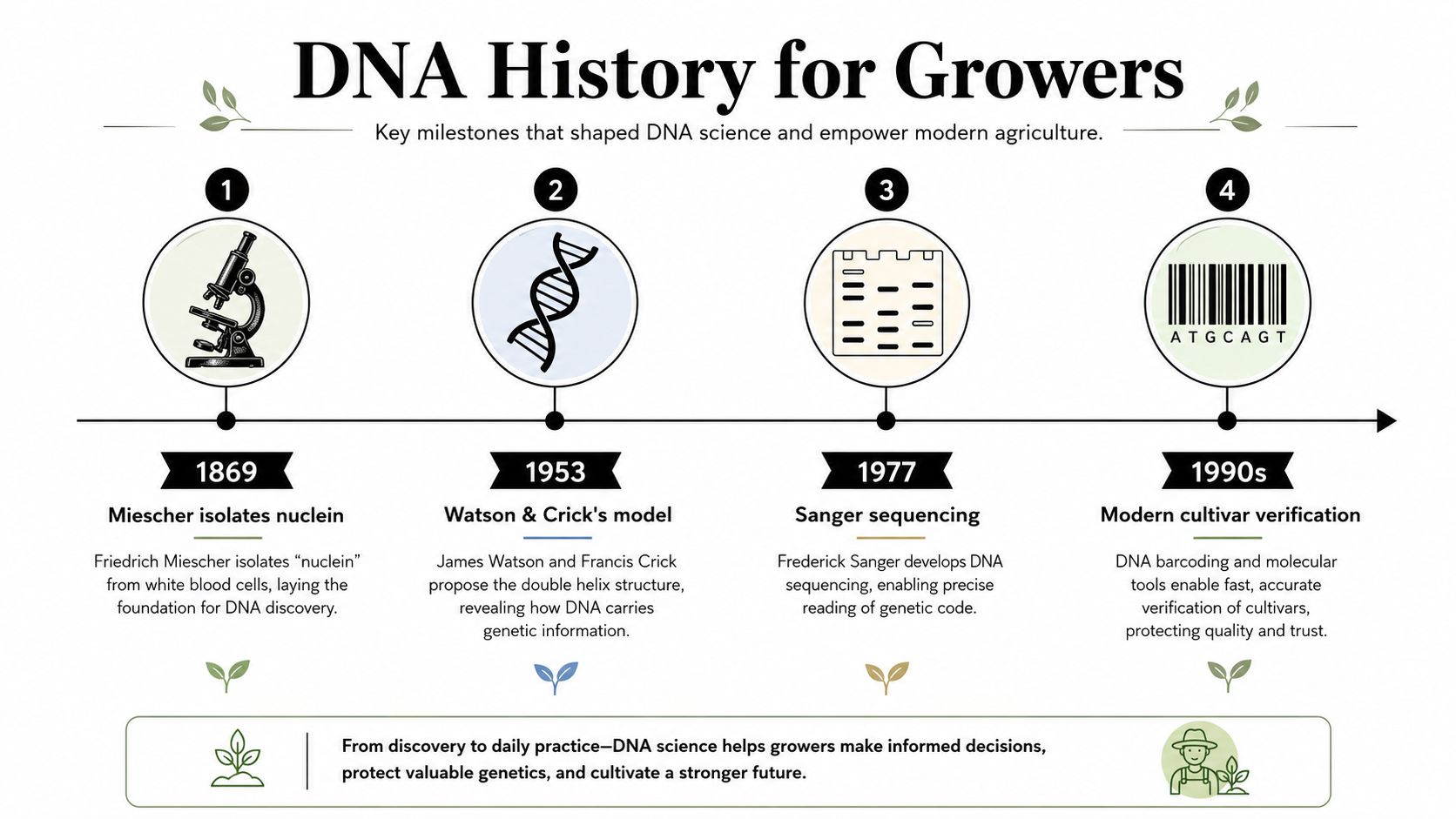
The DNA story starts in 1869, when Friedrich Miescher isolated what he called nuclein from human white blood cell nuclei, a substance now recognized as DNA. That was the first clue that cells held a special material tied to heredity, even if nobody could yet see the full picture. It took decades for that clue to become something growers and breeders could use.
The big turning point came in 1944, when Oswald Avery, Colin MacLeod, and Maclyn McCarty showed that DNA, not protein, was the transforming principle carrying hereditary information. Then in 1953, Watson and Crick proposed the double-helix model, which explained how genetic information could be copied and passed on. Those milestones matter because they turned DNA from a mysterious cellular substance into the working foundation of inheritance.
Why the genome era changed selection
The next giant leap was the Human Genome Project, completed in 2003 after about 13 years of work and an estimated £3 billion investment. The finished genome was reported as at least 99.99% accurate. That scale of mapping made genetics much more practical for comparing DNA across plants and identifying variation that shapes traits. A concise timeline of those milestones shows how the field moved from discovery to deep mapping.
A separate milestone in 2012, from the ENCODE findings, challenged the old “junk DNA” idea by showing that at least 80% of the genome is biologically active in some way. For growers and breeders, the practical takeaway is straightforward, DNA isn't just a label, it's the system behind how plants organize growth, expression, and inheritance. This DNA timeline is useful context when you're trying to understand why modern seed verification is even possible.
How Breeders Stabilize Genetics and Why It Affects Your Grow
A good breeder is trying to make a cultivar act like itself more often. That means selecting plants that keep the traits they're aiming for, then checking how those traits hold up under different conditions. In practice, stability is what turns a promising cross into something growers can rely on.
Legacy cultivars versus the newest drops
The old-versus-new question gets real with DNA Genetics' current seed lineup. Recent grower coverage notes that DNA Genetics still carries classic cultivars like Tangie, Chocolope, Skywalker Kush, and Swiss Miss, alongside newer releases such as White Widow, Blue Dream, GG4, Double Stuffed Sorbet, and Recon 2.0. That mix tells you something important. Buyers aren't just choosing flavor names, they're choosing between proven genetics and the pull of novelty. That review also points to the bigger breeding idea, stable starting material and stress-testing matter as much as hype.
For a lot of home growers, legacy cultivars are the safer bet for the first run, a smaller tent, or any setup where predictability matters more than bragging rights. New drops can be exciting, but excitement doesn't guarantee a smoother grow or a more dependable plant. If the goal is a reliable harvest with fewer surprises, stability usually wins.
What actually deserves your attention
Ask yourself a few blunt questions before buying.
- Does the cultivar have a clear track record? Older lines often give you a better sense of how they behave.
- Is the breeder talking about consistency, or just novelty? Those are not the same thing.
- Will your setup reward a stable plant more than a flashy one? Small spaces and first runs usually favor predictability.
The contrarian truth is simple. More hype doesn't mean better outcomes. For many growers, especially first-timers and anyone who wants a calmer process, trait consistency, resilience, and a known profile matter more than the newest cross on social media.
How to Verify Seed Authenticity Before You Buy
A packet can look polished and still leave you guessing about what's inside. That's why the first filter should be the seller's clarity, not the packaging. You want a breeder or seed bank that can explain lineage, describe traits in plain language, and show some kind of testing or verification when that's available.
Start with the basics. Look for a breeder reputation that holds up across more than one source, cultivar descriptions that name parentage, and clear language about whether you're looking at a feminized or autoflower line. Vague claims are a bad sign. If the description sounds like it was written to say everything and explain nothing, move on.
What DNA-based testing is doing behind the curtain
DNA testing works because short genetic regions can function like a fingerprint for identity. For seed purity and varietal identity, SSR and SNP marker systems are widely used because they read polymorphism directly at the genome level and are more accurate than phenotype-only inspection. A cited barcode framework treats a sample as the same variety when sequence matching exceeds 98% and genetic distance stays below 0.02. That seed identification overview is a solid reference for how this kind of comparison works in practice.
Targeted DNA regions can also help with contamination screening. A published cannabis seed assay used nuclear ITS DNA plus chloroplast rbcL regions to detect contamination in commercial seed lots, which is a good reminder that DNA tools can check seed lots, not just finished plants. In regulated GMO seed testing, the European GMO laboratory network reported minimum achievable detection limits of about 0.06% to 0.09% GM seed for crops such as sunflower, maize, pea, and barley, and 0.01% to 0.04% for sugar beet and tomato under common practice plans. The full paper shows how precise seed testing can get when labs are properly set up.
A quick buyer checklist
Before you place an order, run through this list.
- Clear lineage: The cultivar page should say where the genetics come from.
- Testing support: Look for lab results or screening details when they're offered.
- Specific trait language: Aroma, structure, and growth pattern should be described plainly.
- Policy clarity: Returns and guarantees should be easy to find.
- Payment security: The checkout process should feel normal and protected.
For a closer look at how premium seed buying should feel, this seed market guide is worth keeping in mind. If the seller won't tell you what's inside the packet, you're being asked to trust marketing instead of genetics.
Matching Cultivar Type to Your Setup and Goals
The choice usually comes down to how you like to grow, not just what sounds good on paper. Feminized photoperiod cultivars give you more control over training and timing, while autoflower cultivars are built for simpler, quicker runs with less light-cycle fuss. Neither is “better” in the abstract. The better one is the one that fits your space and your patience.
Feminized photoperiod versus autoflower at a glance
| Trait | Feminized Photoperiod | Autoflower |
|---|---|---|
| Growth pattern | More flexible, responds to light cycle changes | More fixed, moves on its own schedule |
| Training | Better for longer training windows | More limited, timing matters more |
| Harvest planning | Easier to stretch out a run | Better for quick turnaround |
| Space use | Works well when you can shape the canopy | Good for compact or stealth setups |
| Grower style | Suits phenotype hunts and tinkering | Suits simple, reliable harvest goals |
For a craft grower chasing a specific aromatic profile, photoperiod feminized cultivars make sense because they leave more room to guide the plant before bloom. For a beginner who wants a cleaner, less complicated run, autos are easier to live with. If your main goal is a dependable harvest without much fuss, autoflowers usually make the decision simpler.
Match the seed to the setup, not the other way around
A small tent, a short season, or a need for discretion all point toward autoflowers. A grower who wants to dial in structure, take notes, and compare expressions across runs usually benefits more from feminized photoperiods. The key is being honest about your time budget and your tolerance for variables.
Best fit thinking: choose the cultivar type that matches your real setup, not the one that sounds most impressive in a forum thread.
If you're narrowing options, a comparison tool is the fastest way to cut through the noise. It's easier to sort by space, vibe, and experience level than to decode every glossy description one by one.
Germination, Early Care, and Storage That Protect Your Investment
A seed doesn't have to be perfect to be worth storing, but it does have to be handled right. Fresh, uncooked seeds can still provide enough DNA for testing, and a published seed-analysis study found that individual seeds produced distinct molecular patterns that could be used as unique signatures. That study matters because it shows how much useful information lives in a tiny seed, even before it sprouts.
Getting the first sprout going
The simplest germination options are the paper towel method or direct-to-medium planting. Both can work well if the seed stays warm, damp, and undisturbed. The main mistake is overhandling, because a seed that's constantly checked, soaked, or moved around has more chances to stall.
Healthy seeds usually feel firm and look intact. Once they crack and send out a root, keep the next step calm and clean. Put the sprout into a light medium and resist the urge to fuss with it every few hours.
Storage is about protecting what the seed still knows
Cool, dark, and dry storage helps preserve viability, and the science behind that is not just about temperature. Seed longevity depends heavily on DNA repair systems, including base excision repair, nucleotide excision repair, non-homologous end joining, and homologous recombination. Those pathways are tied to improved seed vigor and viability. This review explains why good storage habits matter so much over time.
If you finish a season with leftovers, put them somewhere stable instead of leaving them in a warm drawer or a bright shelf. USDA researchers also reported that even nonviable seeds can still contain “research-quality DNA”, which is a useful reminder that dead on the surface doesn't always mean useless in the lab. That USDA note makes the case for careful storage, because the seed may keep more value than you think.
For a practical storage refresher, this preservation guide is a helpful companion. Good habits here don't just protect a packet, they protect the genetics you paid for.
When Proven Genetics Beat the Hype
Sometimes the newest cultivar is the wrong answer. If you're running your first cycle, working in a tight space, or trying to keep the garden predictable, a proven genetic line usually makes more sense than chasing the hottest release. The goal is a good finish, not a noisy story.
That's especially true when consistency matters more than curiosity. Legacy cultivars have usually had more time to show how they behave across different setups, so you're not betting on a guess. New lines can still be great, but they should earn trust, not assume it.
One more useful reminder, even seeds that won't germinate anymore can still hold research-quality DNA. That says a lot about how durable genetic material is, and it's another reason buyers should respect the packet in their hand. The physical seed may be small, but the information inside it lasts a lot longer than one might expect.
If you want the cleanest next step, use genetics as your filter, not the hype cycle. Compare cultivars by trait consistency, setup fit, and your own experience level, then choose the line that makes the grow feel manageable.
Botanist Seeds makes it easier to compare cultivars by genetics, growth style, and setup fit, so you can choose with more confidence and less guesswork. If you're ready to sort through options the practical way, visit Botanist Seeds and use the catalog to find a seed pack that matches how you grow.