




Blue Zushi Strain: Complete Cultivation Guide
You’ve probably seen Blue Zushi pop up in seed listings, grow forums, and group chats, always with the same vibe: frosty flowers, loud terps, big potency talk, and just enough conflicting info to make you wonder what you’re buying. That’s the part that trips people up. One seller makes it sound like a locked-in elite cultivar. Another lists slightly different parentage, different numbers, and a different spin on what the plant does in the room.
That doesn’t mean Blue Zushi Seeds are all hype. It means you need to treat the name like a starting point, not the full story.
For home growers, that’s good news. If you grow your own, you’re not stuck paying dispensary taxes, waiting in line, or hoping the jar on the shelf matches the label. You get to pick the cultivar, control the environment, and decide what matters most to you: speed, aroma, yield, bag appeal, or just having a reliable stash you grew yourself.
Blue Zushi can absolutely fit that goal. You just need a practical read on what it is, what it isn’t, and how to choose the right version for your setup.
What Is All the Hype with Blue Zushi
You hear about Blue Zushi the same way a lot of sought-after cuts spread. A friend cracks a jar, the room fills up fast, and somebody says, “What is that?” Then the seed hunt starts.
That kind of attention usually comes from a cultivar doing more than one thing well. Blue Zushi has the reputation for loud aroma, heavy frost, and the kind of finish that makes growers want to keep a few buds aside instead of grinding through the whole jar. The potency talk is part of it too, but that is also where a lot of the confusion starts. Different breeders, different selections, and different seed types can all sit under the same name, so the experience is not always identical from one pack to the next.
This is why Blue Zushi keeps coming up. It sits in the sweet spot between hype strain and truly satisfying home grow.
Why growers keep chasing it
Home growers are usually after one of two things. A plant that is easy and dependable, or a plant that feels special enough to justify the extra attention.
Blue Zushi lands in the second camp for a lot of people. It is the kind of cultivar growers pick when they want flower with real bag appeal, a stronger nose in the tent, and a stash that feels a cut above the usual “good enough” harvest. If the run goes well, the reward is obvious at trim time and even more obvious after cure.
There is a trade-off, though. Chasing a fashionable cultivar without checking the seed type and breeder is how people end up disappointed. One Blue Zushi listing may be aimed at growers who want photoperiod control and higher upside. Another may be built for speed and simplicity. Both can be worth growing. They are not the same project.
What the hype gets wrong
The name gets marketed like a guarantee. It is not.
Blue Zushi is better treated like a label attached to a family of expressions. Some versions lean harder into resin and density. Some are quicker and more forgiving. Some hit the sweet, candy side harder, while others carry more gas and structure. For a home grower, that difference matters more than the hype copy on the seed page.
The practical move is simple. Ignore the chest-thumping and read the seed listing like you are buying for your room, not for social media. Check whether it is feminized or auto. Check the breeder. Check what kind of finish you want in your jars.
Why that matters at home
A packed tent, a modest light, and a solid dry space can still produce flower you are proud to share. Blue Zushi appeals to growers because it offers that top-shelf possibility without requiring a huge setup.
The catch is selection. Pick the wrong version for your space or skill level and the grow can feel fussier than it needs to. Pick the right one and Blue Zushi makes a lot more sense. You get a rewarding run, a stash with character, and a better shot at growing something you will want to run again.
The Blue Zushi Profile Genetics and Aromatics
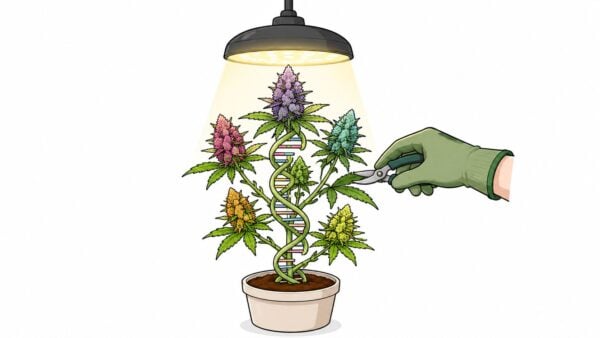
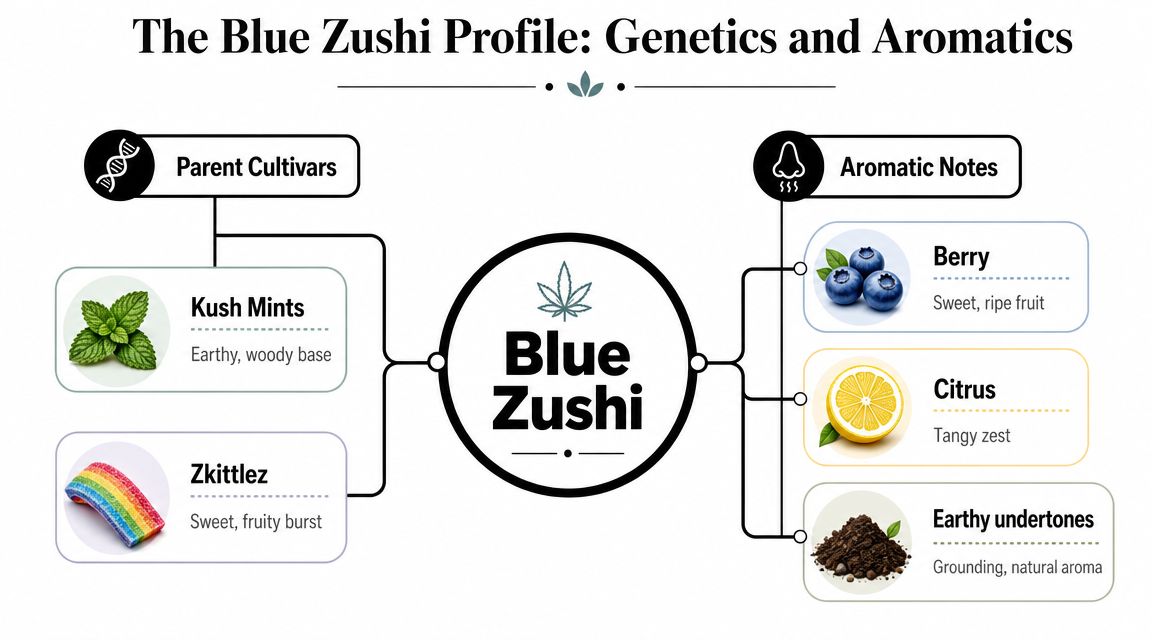
Blue Zushi is usually described as an indica-dominant hybrid built from Kush Mints and Zkittlez. That pairing tells you a lot before the seed even cracks. One side brings structure and a sharper gas note. The other pulls things toward sweet fruit, candy, and that frosty modern look people want in the jar.
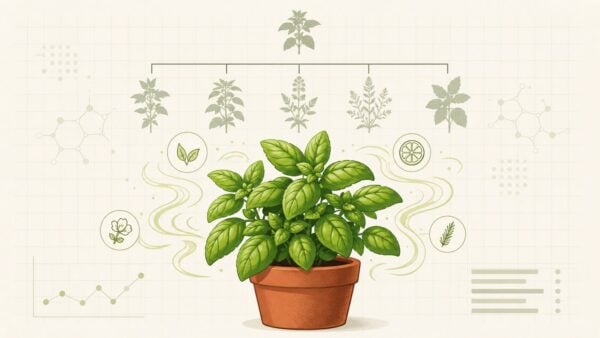
Right near the top, it helps to see the profile laid out visually.
What each parent brings
Think of Blue Zushi like a recipe with two strong ingredients.
Kush Mints tends to push the plant toward tighter structure, good vigor, and a more gassy edge. It gives the cultivar some backbone. This is often the part growers notice in the room because it can add that deeper, sharper aroma that keeps the profile from getting too candy-sweet.
Zkittlez usually brings the brighter side. Sweet fruit, candy notes, and dense trichome coverage are the traits people most often connect with that side of the family. It’s a big part of why Blue Zushi has that flashy, frosted look that photographs so well and catches attention in the cure jar.
According to a seed bank’s Blue Zushi cultivar page, Blue Zushi is an indica-dominant hybrid from Kush Mints and Zkittlez with a short 8 to 9 week flowering time, THC often in the 25% to 30% range, and indoor yields around 500 to 750 g/m² when the canopy and lighting are managed well.
What that means in the tent
That genetic combo usually shows up in ways you can use:
- Structure: The plant tends to reward growers who keep an even canopy.
- Aromatics: Expect some mix of fruity, candy, sour, gassy, minty, or berry-leaning notes depending on the line and phenotype.
- Resin: This is one of the reasons people chase Blue Zushi. It has a reputation for heavy trichome expression.
- Finish time: A relatively quick bloom window makes it more realistic for home growers who don’t want a long flower cycle.
A quick visual walkthrough can help if you like seeing the cultivar discussed in real-world grow format.
The vibe of the finished flower
Blue Zushi usually gets described in sensory terms before anything else. Fruity. Candy-like. Sour. Gassy. Sometimes minty or berry-forward. Sometimes a little funkier. That spread is part of the appeal, but it’s also part of the confusion when different seed lines carry the same name.
Good Blue Zushi should feel like a cultivar with contrast. Sweet up front, deeper notes underneath, and enough resin that the flowers look serious before you even break them up.
If you like cultivars that smell loud, trim up dense, and look like they belong in the front of the stash box, Blue Zushi makes sense. If you only care about easygoing, low-attention plants with a plain aroma, it may not be the one you get excited about.
Choosing Your Seeds Feminized vs Autoflower
This is the first real fork in the road. Not because one type is better across the board, but because each one fits a different style of grower.
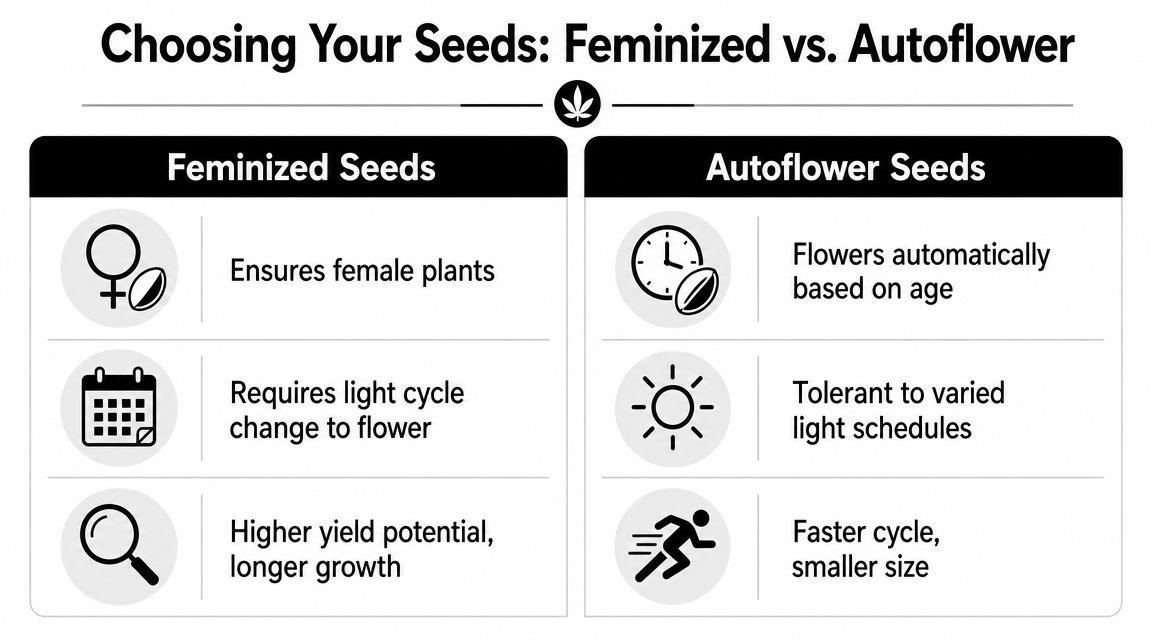
If you want more control over plant size, training time, and overall shaping, go with feminized Blue Zushi Seeds. If you want a simpler run with less calendar management, an autoflower version makes more sense. Same general target, different route.
When feminized makes more sense
Feminized seeds are for growers who like having a hand on the wheel. You control the vegetative period, so you can keep the plant smaller or let it build into a larger, fuller canopy before flowering. That extra control matters with a cultivar that can reward good training and a steady environment.
Choose feminized if you want:
- More training time: Better if you like topping, low-stress training, and shaping the plant.
- Bigger plants: Useful when you want to fill a tent efficiently.
- A little more precision: Good for growers who enjoy dialing things in.
When autoflower is the better move
Autoflowers are the practical choice for growers who want less fiddling. They flower based on age, not your light schedule, so the grow feels more straightforward. That can be a huge plus if you’re working with limited space, a simple setup, or just don’t want to manage a photoperiod schedule.
Autoflowers usually fit growers who want:
- A faster, simpler cycle
- Smaller plants for tighter spaces
- An easier first run
If you want a cleaner breakdown of the trade-offs, this guide on autoflowering vs photoperiod cannabis seeds is worth reading before you buy.
The part most buyers miss
With Blue Zushi, the seed type matters, but the source matters just as much. The name isn’t always used consistently across sellers. A seed bank notes that parentage listings differ and potency and yield claims range from 26% to over 32% THC, which suggests Blue Zushi may be a family of related lines rather than one fixed global standard.
That matters because two packs with the same name can produce very different runs.
A simple way to understand it:
| Seed choice | Best for | Main trade-off |
|---|---|---|
| Feminized | Growers who want control and plant shaping | Takes more time and planning |
| Autoflower | Growers who want speed and simplicity | Less room to recover from mistakes |
Buy based on your setup, not your ego. A smooth harvest from the right seed type beats a frustrating run from the wrong one.
Your Simple Blue Zushi Grow Guide
Blue Zushi isn't a mystery plant, but it does reward clean basics. If your environment stays steady and you don't overcomplicate things, it can be a very satisfying home grow. The trouble starts when growers treat a resin-heavy cultivar like it can shrug off sloppy watering, weak airflow, or a crowded canopy.
This is the simple version. Enough to get you moving without turning the grow into homework.
Start clean and keep it simple
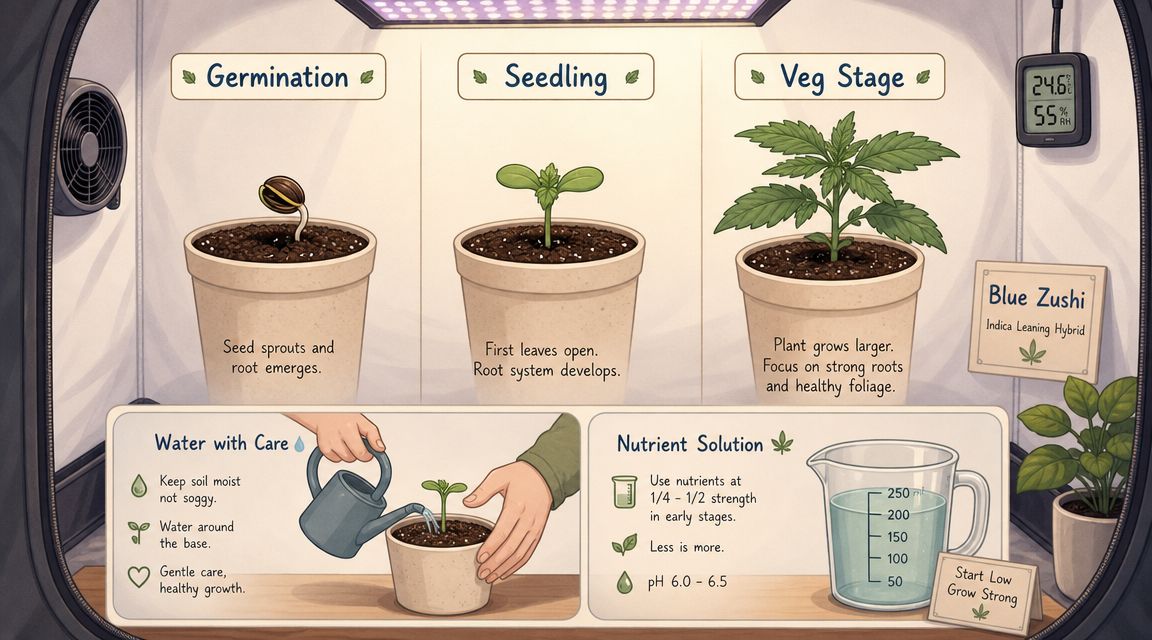
Germination doesn't need to be fancy. A basic paper towel method works fine if you're gentle and don't let the seed sit soaked forever. Once the taproot shows, move it into your final medium carefully and don't go digging around after planting.
If you're brand new, soil is usually the easier path. It gives you a bit more buffer when your watering isn't perfect. Coco can be great too, but it asks for more attention and more consistent feeding.
For a more detailed walkthrough, this indoor starter guide on how to plant weed seeds indoors is a solid companion.
What to focus on in early growth
Blue Zushi has a premium reputation, but home-grow success depends on resilience and environmental control more than hype. Seeds Genetics notes that some reports describe it as adaptable with high mold resistance, an ideal temperature range of 21 to 27°C, and a flowering time of 55 to 65 days.
That gives you a useful baseline. Not a promise, but a target.
In early growth, focus on these basics:
- Light: Give the plant enough intensity to stay compact and healthy, not stretched and weak.
- Watering: Let the medium breathe. A lot of problems people blame on genetics are just overwatering.
- Airflow: Keep air moving from the start, not just in late flower.
- Space: Don't crowd the tent. Resin-heavy, dense-flowering cultivars hate stagnant corners.
Bench note: Overwatering usually looks like droopy, heavy leaves and a plant that just stalls out. New growers often feed more when they should back off.
Veg it with intention
Blue Zushi tends to reward growers who shape the canopy early. That doesn't mean you need a complicated training plan. A little low-stress training goes a long way.
Here's the practical route:
- Let the seedling establish first: Don't start bending it around while it's still fragile.
- Spread the branches gently: Pull growth outward so more tops get light.
- Aim for an even canopy: This matters more than trying to build one giant top.
- Remove only what's blocking airflow or major light paths: Don't hack at the plant just because you saw someone do it online.
If you're running feminized seeds, you've got more flexibility because you can extend veg and recover from training. If you're running autos, keep it gentler and earlier. Autos don't usually reward heavy corrections after they've decided to move on.
Make the room work for the cultivar
Blue Zushi is the kind of plant that can look amazing right up until the last stretch of flower, then disappoint if the room gets sloppy. Dense flowers and strong terpene expression are great. They also mean the dry room and late flower environment matter a lot.
A few things that usually work well:
- Stable temperatures: Keep swings under control.
- Moderate humidity: Especially once flowers start stacking.
- Good light coverage: Uneven light gives you uneven development.
- Steady feeding: Don't chase every leaf twitch with another bottle.
A few things that usually don't work:
- Constant wet-dry extremes
- Aggressive late training
- Ignoring lower airflow
- Late panic feeding when the plant is already stressed
A simple weekly mindset
You don't need to micromanage every hour. You do need to look closely every day.
A good routine is basic:
| Time | What to check | Why it matters |
|---|---|---|
| Daily | Leaf posture, moisture, air movement | Catches small problems early |
| Every few days | New growth color, branch spacing | Helps you adjust feeding and training |
| Weekly | Overall shape and canopy evenness | Keeps the plant productive and manageable |
The growers who get the most from Blue Zushi usually aren't doing magic tricks. They're keeping the environment steady, the canopy open, and the plant out of trouble.
Harvesting Blue Zushi and Expected Results
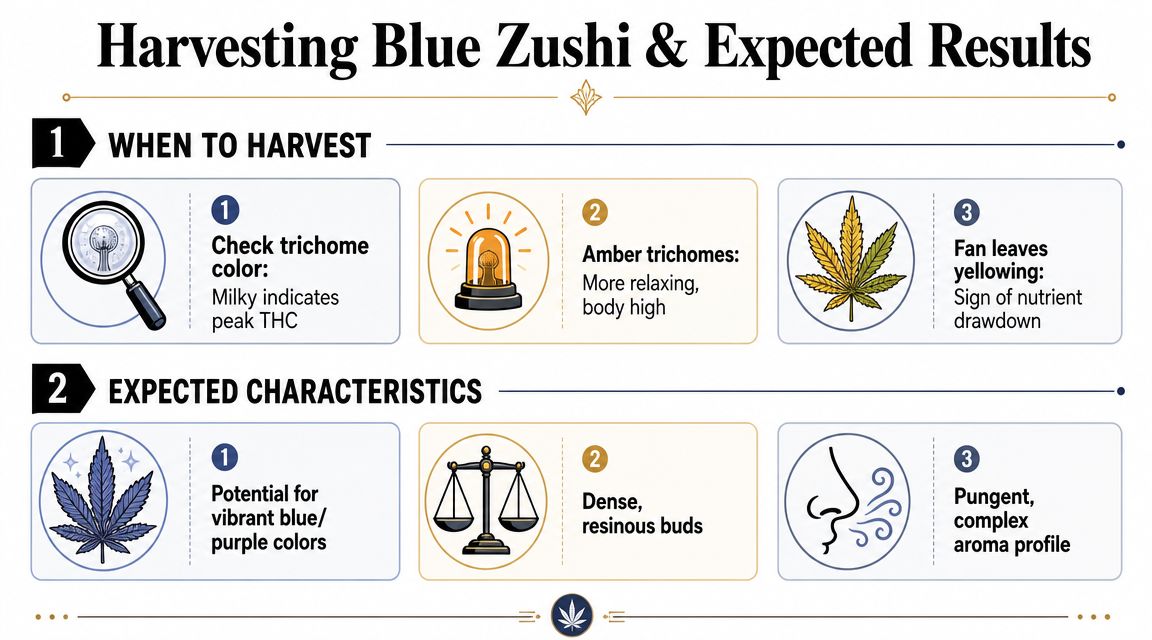
You can grow Blue Zushi clean all the way through flower and still leave quality on the table if you cut too early or let it run too long. This strain tends to reward good timing with louder terps, better resin, and a more polished finish in the jar.
What to look for before chop
Start with trichomes, but do not stop there. Blue Zushi can look close a few days before it is ready, especially if the buds have already stacked well and the smell is getting loud.
A solid check looks like this:
- Trichomes: Mostly cloudy heads usually mark the main harvest window.
- Pistils: A high percentage should be darkened and pulled back into the flower.
- Calyx swell: Buds should look finished, not like they are still building.
- Leaf fade: Late fade can confirm maturity if the plant has stayed healthy.
- Bud feel and aroma: Ripe flowers feel firm and put out a strong, clear smell, not a flat green one.
If you want a clearer read on timing, this guide on when to harvest cannabis is worth keeping open while you inspect plants.
One practical tip. Check more than the top cola. Blue Zushi often finishes unevenly if the canopy was inconsistent, and lower buds can lag behind the crown by several days.
What kind of results are realistic
Blue Zushi gets attention for potency and resin, but home growers should treat breeder numbers like a best-case ceiling, not a promise. As noted earlier in the article, some Blue Zushi lines test very high. Hitting that level depends on your environment, dry, and cure as much as the seed itself.
That trade-off matters. Chasing every last day for extra weight can cost you freshness and bag appeal. Cutting too early can leave the flower sharp, grassy, or less satisfying than it should be.
For yield, expect variation between feminized and auto versions and between seed lines from different breeders. Feminized plants usually give you more room to shape the canopy and push production. Autos are simpler and faster, but they give you less margin to recover from stress, and that can show up at harvest in both weight and finish quality.
A better goal is this: bring down healthy plants with mature flowers, a clean nose, and enough density to trim well without fighting airy lower buds.
What the finished flower should feel like
Well-grown Blue Zushi usually has a clear top-shelf look and feel:
| Trait | What you want to see |
|---|---|
| Density | Firm flowers with good weight for their size |
| Resin | Heavy frost and sticky fingers during trim |
| Aroma | Sweet fruit up front, backed by gas, cream, or cool mint notes depending on the pheno |
| Bag appeal | Bright, clean flower that looks finished and handled with care |
This part makes home growing worth the effort. You open a jar, the room fills up, and you know exactly why it turned out that way because you made the calls from seed to chop.
Troubleshooting and Finding Your Favorite Version
Blue Zushi gets more interesting once you stop expecting every plant to be identical. Even in the same pack, one plant might lean sweeter, another might stay shorter and tighter, and another might finish with the kind of resin coverage that makes you immediately tag it as a keeper.
That's not a flaw. That's the hunt.
Fix the common mistakes first
Before you start judging phenotypes, make sure you're not judging your own mistakes.
A few common problems show up fast in home grows:
- Burnt leaf tips: Usually a sign you pushed feed too hard.
- Droopy, slow plants: Often watering issues, not weak genetics.
- Crowded center growth: A canopy problem that hurts airflow and light penetration.
- Muted aroma late in flower: Sometimes a sign the finish got dragged out too long or post-harvest handling was sloppy.
Blue Zushi's resin and terpene content can make timing more unforgiving. Linda Seeds notes that its high resin and terpene load creates a narrow harvest window, and waiting too long can hurt aroma and bag appeal. The same source points growers toward phenotypes with compact internodes and a stable 8-week finish, because those traits are linked with easier trimming, better mold management, and steadier post-harvest quality.
How to spot a keeper
If you run more than one plant, pay attention to the traits that improve your grow, not just the flashiest smell on day one.
A keeper Blue Zushi plant often has:
- Tight but manageable structure: Easy to train, not a tangled mess.
- Consistent finish timing: Helpful if you want repeatable runs.
- Strong resin without awkward growth: Great bag appeal is better when the plant is also practical to trim.
- An aroma you want jars full of: Fruity, candy, gas, mint, or some mix of those.
The best phenotype isn't always the loudest one. It's the one you'd happily grow again.
What works over time
Keep notes. Nothing fancy. Just enough to remember which plant stretched more, which one stacked best, which one dried clean, and which one still smelled great after curing. That's how you turn one Blue Zushi run into a smarter second run.
And if one version doesn't quite hit, don't write off the whole name. With Blue Zushi Seeds, the line you buy and the phenotype you keep can make all the difference.
If Blue Zushi sounds like your kind of project, take a look at Botanist Seeds. Their comparison tools make it easier to sort through cultivars, compare feminized and autoflower options, and choose seeds that fit your space, schedule, and grow style.