




Your Guide to the Easiest Strains to Grow Indoors
If you’re looking for the easiest strains to grow indoors, your best bet is to start with autoflowering and feminized indica-dominant cultivars. These plants are a beginner’s dream: they stay small, flower fast without fussy light cycles, and are bred for resilience. They’re the perfect choice for your very first indoor grow.
Your First Step to a Successful Indoor Grow
Starting your first indoor grow should be exciting, not intimidating. The secret to a great harvest isn’t a complex technique; it’s choosing the right genetics from the start. Think of it like cooking a great meal. You need quality ingredients, and for a home grower, that means starting with seeds that are built for success in a small, indoor space.
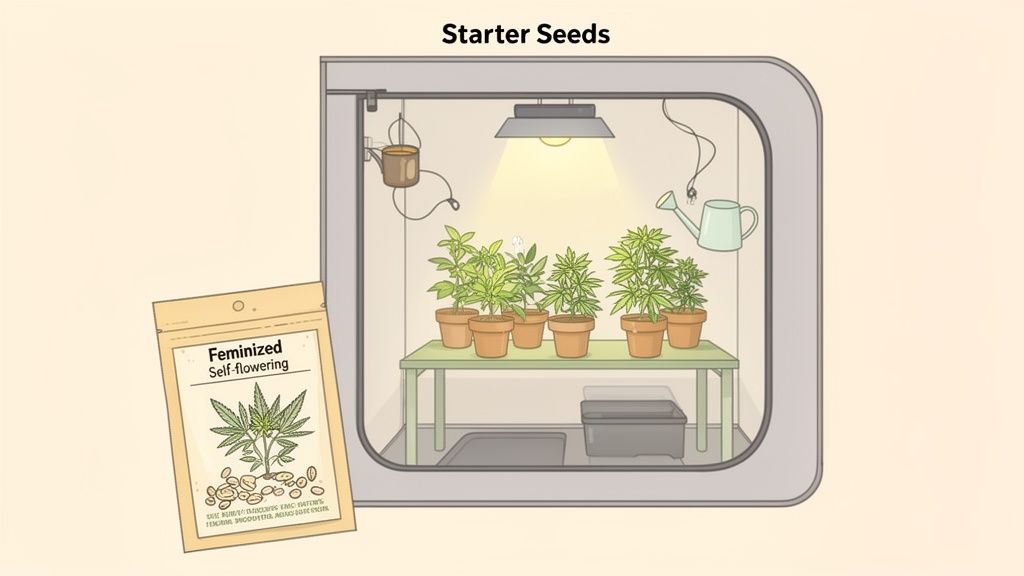
We’re about to break down the traits that make certain plants so much easier to handle in a grow tent, a spare closet, or any corner of a room. We’ll get you set up for a win by focusing on the two types of seeds that remove most of the guesswork: feminized and autoflowers. This way, you can just focus on giving your plants what they need to thrive.
The Modern Home Grower’s Advantage
Not too long ago, growing at home involved a big gamble. With older seed types, you had to plant extra, wait weeks, and then carefully scout for and pull out certain plants before they could ruin your crop. It was a huge waste of time, space, and nutrients just to get to the real starting line.
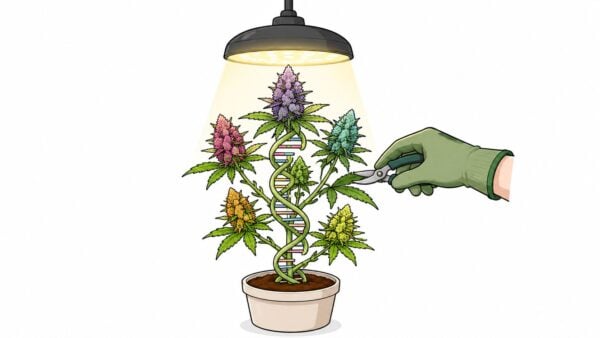
Thankfully, modern breeding has completely changed the game. Feminized and autoflower seeds are a home grower’s best friends because they eliminate that whole process. Up to 99.9% of feminized seeds become flowering, bud-producing females.
Think of it this way: using feminized seeds is like buying a pre-built piece of furniture instead of a pile of raw lumber. You get to skip the most tedious part and focus on the rewarding final touches.
This straightforward approach is perfect for anyone who wants to grow their own without the headache. You can set up your small indoor garden knowing that every plant is on track for a harvest. That efficiency is a massive advantage, especially when you’re working with limited square footage.
Why Simplicity Leads to Success
Choosing the right kind of seed is about more than just convenience. It’s about setting yourself up for an enjoyable hobby that actually pays off. By removing the biggest potential headache right from the start, you can focus on the fun parts of growing, like watching your plants flourish and learning their unique characters.
This one simple choice helps you:
- Maximize Your Space: Every square inch of your grow tent is used for a productive plant, which means a bigger harvest for you.
- Save Time and Money: You won’t waste weeks of electricity, water, and nutrients on plants you’ll just end up throwing away.
- Build Confidence: A garden of (almost) all-female plants gives you a clear path to your first successful harvest, making the whole experience that much more satisfying.
By starting with feminized or autoflower cultivars, you aren’t cutting corners. You’re just taking a smarter, more direct path to the finish line: a stash of top-shelf flower that you grew yourself.
What Makes an Indoor Strain Easy to Grow?
When you hear someone describe a cultivar as “easy to grow,” what does that really mean for an indoor setup? It’s not just about a plant that can survive. An easy-to-grow cultivar is one that thrives without demanding your constant, worried attention, letting you actually enjoy the journey from seed to harvest.
Think of it like learning to cook. You wouldn’t start with a five-course gourmet meal, right? You’d start with a simple, delicious recipe that’s hard to mess up. Choosing the right cultivar is exactly the same: it’s the single most important decision you can make to set yourself up for a fantastic first grow.
Look for a Short Flowering Time
Patience is a great skill to have, but for a first-time grower, nothing beats a quick turnaround. A short flowering time is a huge advantage. This is the exciting phase when your plant shifts from just growing leaves and stems to producing the dense, fragrant buds you’ve been waiting for. Some cultivars can linger in this stage for months, which is a long time for potential problems to arise.
Sticking to a cultivar with a flowering time of around 7 to 9 weeks gets you to the finish line so much faster. This shorter window dramatically cuts down the opportunity for pests, mold, or nutrient issues to take hold. Honestly, seeing those buds develop quickly is the best confidence booster there is.
Compact Size Is Your Best Friend
Unless you’re lucky enough to have a massive, dedicated grow room, space is probably your biggest limitation. This is where short, bushy cultivars are a lifesaver. Many indica-dominant genetics naturally grow into a compact, stocky shape, rarely getting taller than three or four feet. That makes them perfect for a grow tent, a spare closet, or any other discreet space.
A smaller plant just makes life easier in a few key ways:
- Better Light Coverage: Your grow light can easily penetrate the entire canopy, so all the bud sites get the energy they need to fatten up. No more spindly, undeveloped lower buds.
- Stealth and Discretion: A short plant is way easier to keep out of sight, which is a huge plus for any hobbyist who values their privacy.
- Simpler Maintenance: Trimming, training, and just checking on your plant is a breeze when you aren’t wrestling with a lanky giant that’s trying to touch the top of your tent.
Natural Resilience Is Your Safety Net
Let’s be real: you’re going to make a few mistakes on your first grow. Maybe you overwater once or twice, or the temperature in your tent swings a bit. It happens to everyone. The best beginner cultivars are bred to be tough, with a natural resilience to common problems like mold and pests.
Think of this resilience as your built-in insurance policy. These hardy plants are much more forgiving of small stresses and can bounce back from slip-ups that might stunt or kill a more finicky cultivar. That forgiving nature takes a ton of pressure off, letting you learn without the constant fear that one wrong move will ruin your entire harvest.
Autoflowers Are the Ultimate “Easy Mode”
If you want the most direct route from seed to harvest with the fewest technical headaches, look no further than autoflowers. Unlike traditional photoperiod plants that need a specific change in the light schedule to trigger flowering, autoflowers do it all on their own. They operate on an internal genetic clock and will start budding after just a few weeks, regardless of how long the lights are on.
This “set it and forget it” trait is an absolute game-changer for new growers. It removes the single biggest technical hurdle, managing light cycles, and lets you focus on the fundamentals of watering and feeding.
To get the full picture of how these incredible plants simplify the growing process, you can explore our full guide on autoflower seeds. They are the very definition of what makes an indoor cultivar easy to grow, delivering a fast, simple, and incredibly rewarding experience.
Top 5 Easiest Strains for Your Indoor Garden
Now for the fun part: picking your seeds. After helping countless new growers get started, I’ve seen which cultivars consistently deliver great results with the least amount of drama. These five are my go-to recommendations for anyone’s first indoor run.
They’re reliable, forgiving when you make the inevitable rookie mistake, and still produce a fantastic harvest. I’ll walk you through what to expect from each one, from how they grow to their unique aromas and general vibe. Think of it as getting a trusted recommendation before you commit.
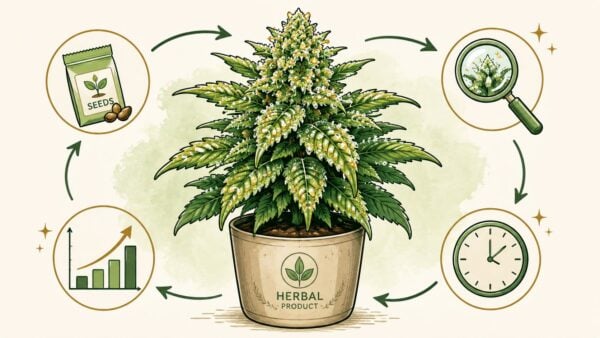
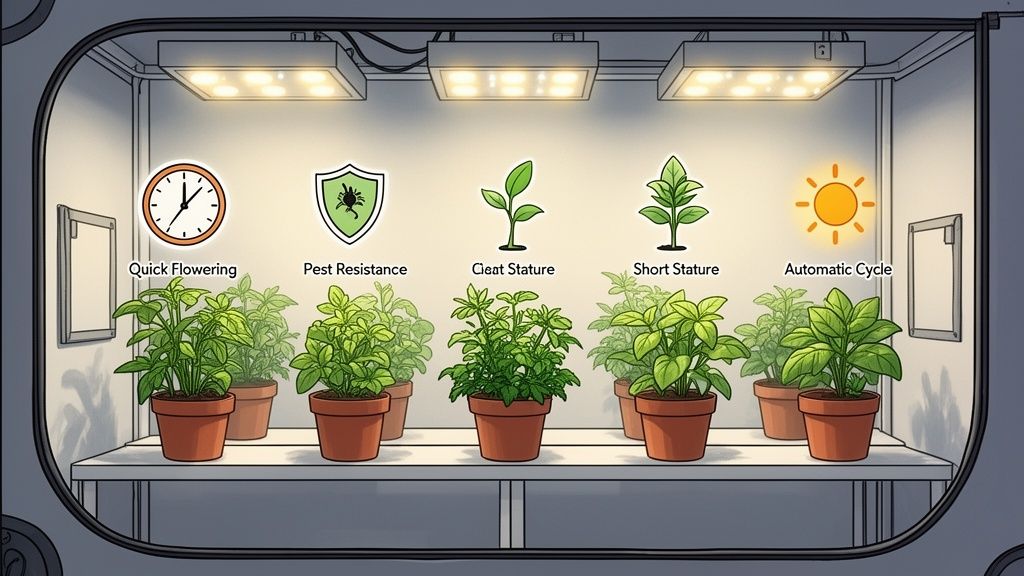
If you’re stuck between wanting a super-fast harvest or needing a plant that fits in a tight spot, this quick visual guide can help point you in the right direction.
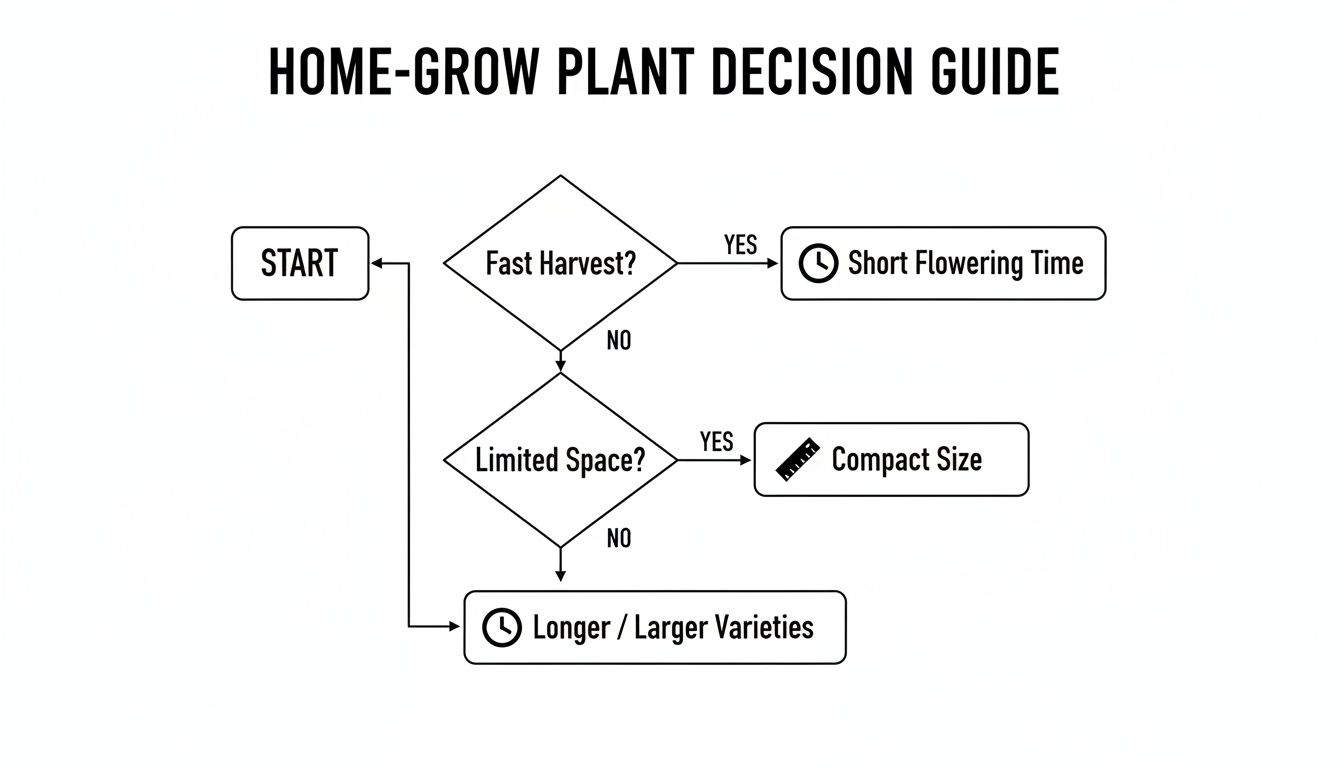
Ultimately, choosing a beginner-friendly cultivar just stacks the deck in your favor, making the whole process feel much less intimidating.
1. Northern Lights
If you ask any seasoned grower to name a classic beginner cultivar, Northern Lights will almost always be at the top of the list. This legendary indica has been a staple in home gardens since the 1980s for one simple reason: it’s practically foolproof. It stays nice and short, usually hitting just 2 to 4 feet tall, making it perfect for grow tents or even a converted closet.
It’s also a fast finisher, with a flowering time of only 6 to 7 weeks. But its real superpower is its resilience. Northern Lights is naturally tough against mold and seems to shrug off common slip-ups, like a bit of overwatering. It’s so dependable that past sales data shows it’s a top choice for beginner grow kits.
- Growth: Short, bushy, and incredibly sturdy. It holds itself up well.
- Aromas: A classic blend of pine, earthy soil, and a touch of sweet spice.
- Vibe: Deeply relaxing and calming. It’s the perfect cultivar to wind down with at the end of the day.
2. White Widow Autoflower
White Widow is another icon, instantly recognizable for the thick blanket of frosty white crystals that covers its buds. Taking that legendary plant and making it an autoflower was a stroke of genius for new growers. You get all the bag appeal and quality of the original, but you don’t have to stress about managing light cycles.
This version is incredibly forgiving and handles minor hiccups with ease. It’s also naturally resistant to many common pests, which is a huge weight off your shoulders on a first grow. The plant stays at a very manageable height and races from seed to harvest in about 8 to 9 weeks.
3. Gorilla Glue Autoflower
If your goal is to grow something that looks and feels like it came from the top shelf, Gorilla Glue Auto is a fantastic choice. The name says it all: this plant is famous for producing buds that are ridiculously sticky with resin. For a beginner, growing something this impressive is a massive confidence boost.
Despite its powerful results, it’s not a demanding plant. It has a strong, stocky frame that rarely needs extra support, and it’s not a heavy feeder. This means you can be a little lean with the nutrients and still end up with an amazing harvest.
- Growth: A solid medium-height plant that produces incredibly dense, frosty buds.
- Aromas: A pungent, complex mix of diesel fuel and earthy notes with a hint of chocolate.
- Vibe: A heavy-hitting but balanced feel that’s both uplifting and deeply relaxing.
4. White Runtz Autoflower
For growers who are all about flavor and looks, White Runtz Auto is a modern superstar that’s surprisingly simple to cultivate. This cultivar brings an almost unbelievable sweet, candy-like smell to your grow space. It’s a great way to grow something that feels truly boutique on your very first try.
Being an auto, it stays compact and finishes fast, fitting perfectly into small indoor setups. Late in the flowering stage, it often puts on a beautiful show of color, with leaves and buds revealing shades of purple and dark green under that heavy coat of trichomes. You can explore our White Runtz Auto’s unique profile to see if its sweet, candy-like character is what you’re looking for.
5. Blueberry Autoflower
Blueberry Auto is a phenomenal choice if you want a low-maintenance plant with a world-class fruity flavor. This indica-dominant classic has been fine-tuned into an autoflower that’s incredibly easy to manage. It’s known for being highly adaptable, happily growing in a wide range of indoor conditions without much fuss.
The plant stays short and bushy. Better yet, if you can drop the temperatures slightly near the end of the flowering cycle, you’ll be rewarded with stunning blue and purple hues across the leaves and buds. It’s a plant that’s as much fun to look at as it is to grow.
Simple Tips for a Great First Harvest
Alright, you’ve picked out your seeds and are ready to get your hands dirty. Now for the fun part. Growing your own can seem intimidating, but I promise it’s way less complicated than you might think. We’re going to cut through the noise and focus on the handful of things that really matter for a fantastic first run.
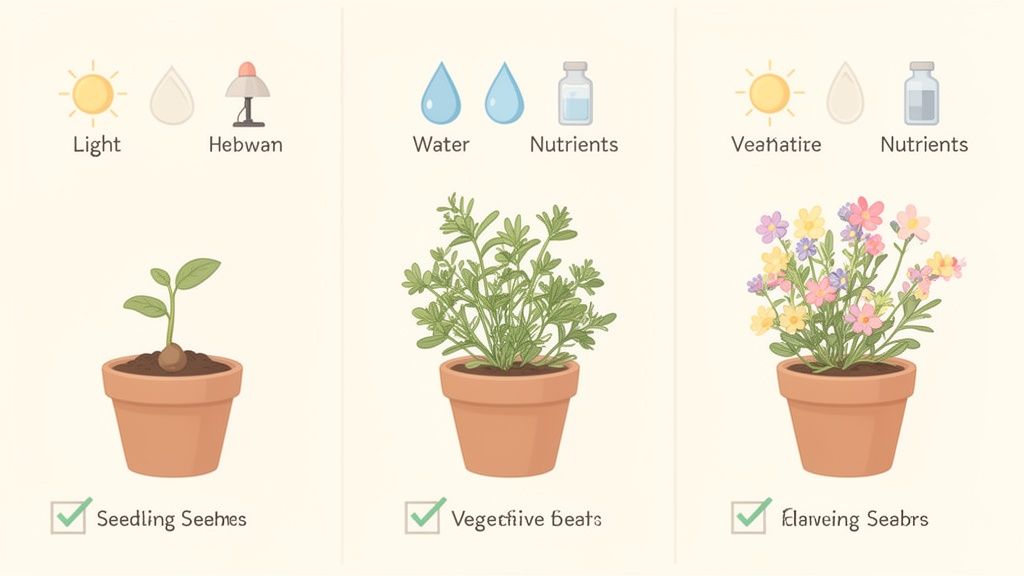
Think of it like this: you chose a great cultivar, which is like having an amazing recipe from a top chef. Now, you just need to nail the basic cooking steps. We’ll walk through dialing in your lights, watering like a pro, and understanding what your plant needs to eat.
Getting Your Lighting Right
Light is basically your plant’s food, so getting it right is a huge deal. The good news? With beginner-friendly autoflowers, the rule is incredibly simple: give them lots of it. Most growers find the sweet spot is running lights for 18 to 20 hours a day, from the moment the seedling sprouts all the way to harvest day.
This steady stream of light gives your autoflower all the energy it needs to build a strong frame and pack on dense, frosty buds. There’s no need to mess with changing light schedules to kickstart the flowering phase: the plant does it all on its own. Your main job is just keeping the light at the right distance. Too close, and you risk burning the tops of your plants. Too far, and they’ll stretch and get weak. Check what your light’s manufacturer suggests, but 18–24 inches above the plant canopy is a solid place to start.
Mastering the Art of Watering
If there’s one mistake nearly every new grower makes, it’s loving their plants a little too much with the watering can. It’s an easy trap to fall into. But here’s the thing: roots need to breathe oxygen just as much as they need water. When the soil is always waterlogged, the roots essentially suffocate.
The best advice I ever got was simple: let the pot get light before you water again. A pot full of water is heavy. Pick it up after you water to feel the weight. Then, wait a day or two and pick it up again. Once it feels noticeably lighter, it’s time to water.
Another foolproof method is just sticking your finger about an inch deep into the soil. If it feels dry, go ahead and water. If you feel any dampness at all, hold off for another day. Trust me, it’s always safer for the plant to be a little too dry than a little too wet.
Your Essential Indoor Grow Checklist
You absolutely don’t need a high-tech laboratory to pull off an incredible harvest. A few key pieces of gear will set you up for success without breaking the bank. Here’s a rundown of what you’ll want to get.
Beginner’s Indoor Grow Checklist
| Equipment Category | Item | Why You Need It |
|---|---|---|
| Enclosure | A Grow Tent (2×2 ft or 3×3 ft) | This creates a contained, controllable environment for your plants and keeps the light and smell in. |
| Lighting | Full-Spectrum LED Light | This is your plant's sun. A quality LED is your most crucial investment for healthy growth and big yields. |
| Ventilation | Inline Fan with Carbon Filter | This system pulls hot, stale air out and, most importantly, scrubs the air so your grow space stays discreet. |
| Air Circulation | Small Clip-On Fan | Circulates air inside the tent, which helps strengthen stems and prevents mold or mildew from forming. |
| Containers | 3 to 5-Gallon Fabric Pots | Fabric pots are fantastic for beginners because they allow roots to breathe and make overwatering much harder to do. |
| Automation | Outlet Timer | A simple timer automates your light schedule, giving you one less thing to worry about each day. |
With these items, you have a complete, professional-grade setup that will serve you well for many grows to come.
A Simple Autoflower Timeline
One of the greatest things about growing autoflowers is how quick and predictable they are. While every cultivar is a little different, here’s a general week-by-week guide so you know what to look for.
-
Weeks 1–3: Seedling and Early Veg
Your plant will be tiny and focused on building a strong root system. Be gentle with watering and keep the light from being too intense. -
Weeks 4–6: Vegetative Growth and First Flowers
This is the explosive growth phase. You’ll see new leaves and branches pop up daily. Around week 4 or 5, you’ll spot the first little white hairs (pistils) that signal flowering has begun. -
Weeks 7–10: The Flowering Stretch
Your plant will stretch upwards and start stacking buds at each node. The delicious aromas will really start to kick in during this period. -
Weeks 11–12: Ripening and Harvest
The buds will swell, get heavy, and become coated in a thick layer of frosty trichomes. When most of these little crystals turn from clear to a milky white, your plant is ready for harvest!
Keep in mind that while autoflowers are a perfect starting point, some growers eventually want more hands-on control. If you like the idea of deciding how long your plant grows before it flowers, you might enjoy learning more about growing photoperiod plants. They offer a different kind of challenge but are just as rewarding.
The Rewards of Growing Your Own Cultivars
There’s a special kind of pride that comes from growing your own, a satisfaction you just can’t get from a dispensary purchase. Watching a plant go from a tiny seed to a full, fragrant harvest connects you to the entire process. It’s a rewarding feeling of self-sufficiency.
Starting with one of the easiest cultivars to grow indoors is the key. Making that one smart choice right at the beginning lets you enjoy all the benefits of home cultivation without the headaches of a finicky, demanding plant.
The Practical Perks of Home Growing
Let’s be honest, the cost savings are a massive draw. When you buy from a dispensary, you’re not just paying for the flower; you’re covering the shop’s rent, marketing, and steep taxes that can tack on 20-30% or more to your bill.
Growing at home cuts all those middlemen right out. A small, efficient indoor garden can easily pay for itself within the first harvest or two. After that, your only real costs are a bit of electricity and supplies: a tiny fraction of retail prices.
Think about it: No more lines, no more “out of stock” signs on your favorite cultivar, and no more handing over a chunk of your money for taxes. That freedom is a huge win for anyone who values independence.
This isn’t just about saving a few bucks; it’s about being smarter with your resources. The feeling of seeing a jar filled with top-shelf flower that you produced yourself is priceless.
Quality Control Is in Your Hands
There’s also incredible peace of mind in knowing exactly what went into your cannabis. From day one, you are in the driver’s seat. You pick the soil, you measure the nutrients, and you decide what, if anything, gets sprayed on your plants.
- Total Transparency: Forget wondering about hidden pesticides or questionable growing practices. You’re the grower, so you have the complete story of your plant’s life.
- Harvesting at Peak Potency: You get to decide the perfect day to harvest, timing it precisely to capture the exact aroma, flavor, and vibe you’re after.
- The Pride of Craft: It’s just like a homebrewer tasting their own beer or a gardener eating a tomato fresh from the vine. There’s nothing quite like enjoying a final product you made with your own two hands.
It’s About the Hobby Itself
At the end of the day, growing is more than just a way to stock your stash. It’s a genuinely fascinating hobby. Watching a seed sprout and transform into a complex, flowering plant is an amazing process. It teaches you patience and attention to detail.
Choosing an easy-to-grow cultivar is your ticket to actually enjoying this journey. It helps ensure that your first attempt is a success, building your confidence for bigger and better grows in the future. You’re not just growing plants; you’re cultivating a new skill and a deeply rewarding pastime.
A Few Common Questions From First-Time Growers
Stepping into your first indoor grow is exciting, but it’s natural to have a million questions. I’ve been there. Let’s clear up a few of the most common hurdles new growers face when choosing an easy indoor cultivar.
Should I Start with Autoflowers or Feminized Photos?
This is probably the first big decision you’ll make. Both are excellent choices because male plants are rarely an issue, but they cater to slightly different first-time experiences.
Autoflowers are, by far, the most straightforward path for a beginner. They operate on their own internal clock and will start flowering after a few weeks, regardless of your light schedule. It’s this hands-off nature that makes them so forgiving. For a truly simple first run, you can’t go wrong with an autoflower.
Feminized photoperiods are just as beginner-friendly, but they hand you the controls. You decide when the plant enters its flowering stage by switching the lights to a 12/12 cycle (12 hours on, 12 hours off). This lets you keep the plant in its vegetative growth stage longer, giving you time to try some simple training techniques to increase your final harvest. Think of it as the perfect “level two” for your second or third grow.
What Kind of Harvest Can I Realistically Expect?
Your final yield will always depend on your specific setup: things like the power of your light, the size of your pots, and your feeding schedule. That said, easy-to-grow cultivars are bred for resilience and are known for producing respectable yields even when things don’t go perfectly.
In a typical home setup, like a 2×2 or 3×3-foot tent with a decent LED light, a new grower can comfortably aim for around 1 to 2 ounces (30-60 grams) per autoflower plant.
Sturdier indica-dominant feminized cultivars can often yield a bit more, especially if you let them veg for an extra week or two to bulk up before the flip to flower. The real beauty of these beginner cultivars is their forgiveness. Even with a few rookie mistakes, you’re practically guaranteed to end up with a solid harvest, which is a massive confidence boost.
Remember, the goal of your first grow isn’t to set a new world record for yield. It’s about learning the ropes and finishing with a jar of quality cannabis that you grew yourself. These cultivars make that goal completely achievable.
What’s the Biggest Mistake New Indoor Growers Make?
Overwatering. Hands down. It almost always comes from a good place: you want to nurture your plant! But roots need to breathe. They need oxygen just as much as they need water.
When the soil is constantly waterlogged, the roots essentially start to drown. This is when you’ll see those classic signs of an unhappy plant: droopy leaves, strange discoloration, and eventually, root rot.
Here’s a simple rule of thumb to keep you out of trouble:
- Wait until the top inch or two of soil is completely dry before watering again.
- The easiest way to check is the finger test. Just stick your finger down into the soil. If you feel any moisture at all, give it another day.
- When in doubt, it is always safer to underwater slightly than to overwater.
Easy-growing cultivars are generally more resilient to this common error, but learning good watering discipline from day one is a skill that will serve you well for years to come.
Do I Need to Buy a Ton of Expensive Nutrients?
Absolutely not. It’s easy to get overwhelmed by the wall of bottles and boosters at a grow shop. The reality is, you can get incredible results with a simple, budget-friendly approach.
Many of the easiest cultivars, particularly autoflowers, thrive in a good-quality potting soil that comes pre-loaded with enough nutrition to last for the first 3 to 4 weeks. After that, a basic two-part liquid fertilizer, one for the “grow” phase and one for the “bloom” phase, is all you really need to get to the finish line.
The most critical piece of advice here is to start low and go slow. Begin by feeding your plant a half-dose, or even a quarter-dose, of the manufacturer’s recommendation. Watch how the plant responds. These beginner-friendly cultivars aren’t typically heavy eaters, and it’s always easier to fix a hungry plant than one that’s been burned by nutrient overload.
Ready to put this knowledge into practice? At Botanist Seeds, we’ve curated a collection of cultivars perfect for your first indoor garden. You can use our site’s comparison tool to filter for the beginner-friendly traits we’ve discussed and choose your first cultivar with total confidence. Find your perfect beginner strain at Botanist Seeds.