




Cannabis Clones: A Grower’s Practical Guide
You're probably in one of two spots right now. You want a reliable home harvest and you're deciding whether to start with a clone, or you've already found a clone and you're wondering if it's the smart move. That question matters more than most grow guides admit.
A lot of clone content treats the answer like it's obvious. Clones are faster, seeds are slower, end of story. Real growing doesn't work like that. Cannabis Clones can be a great shortcut to consistency, but they can also carry baggage you didn't ask for. Seeds take more patience, but they give you a fresh start and more room to find a cultivar that really fits your setup.
For a home grower, that trade-off is the whole game. You're not just trying to get a plant alive. You're trying to get a plant that fits your tent, your routine, your environment, and the kind of smoke you want in the jar later.
Starting Your Grow The Two Main Paths
Most home growers want the same thing at the start. They want fewer surprises.
If you've ever put time, money, and attention into a plant only to realize it doesn't grow the way you hoped, you already get why the starting point matters. The first decision shapes everything that comes after it, from training style to canopy management to how predictable your finish will be.
You've got two main paths:
- Cannabis Clones: A cutting taken from an existing plant, meant to copy that plant's traits.
- Seeds: A fresh genetic start, usually chosen when you want variety, vigor, or the fun of discovering a standout cultivar.
Neither path is automatically better. The right one depends on what kind of grower you are.
When clones make sense
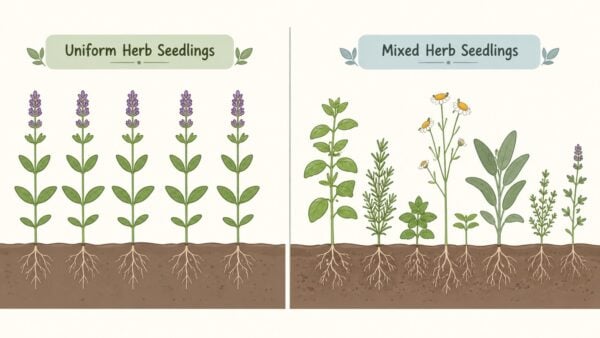
Clones usually appeal to growers who care most about repeatability. If a friend has a keeper plant with the exact aroma, structure, and finish time you like, a clone can help you start from known genetics instead of rolling the dice.
That predictability is a big deal if your space is tight. When your tent is small, a plant that stretches differently than expected can turn a simple grow into a juggling act.
Practical rule: If your top priority is uniformity, clones are usually the cleaner choice.
When seeds make sense
Seeds make more sense when you want a clean slate. That matters for hobby growers who like the discovery side of cultivation, and it matters for anybody who doesn't want to risk bringing hidden problems into the room with outside plant material.
Seeds also suit growers who enjoy watching a plant express itself from the very start. That's part of the fun. You're not just copying a proven plant. You're selecting one that proves itself in your own environment.
The question isn't “Are clones good?” It's “What are you optimizing for?” If the answer is consistency, clones deserve a serious look. If it's discovery and a fresh start, seeds often win.
What Exactly Is a Cannabis Clone
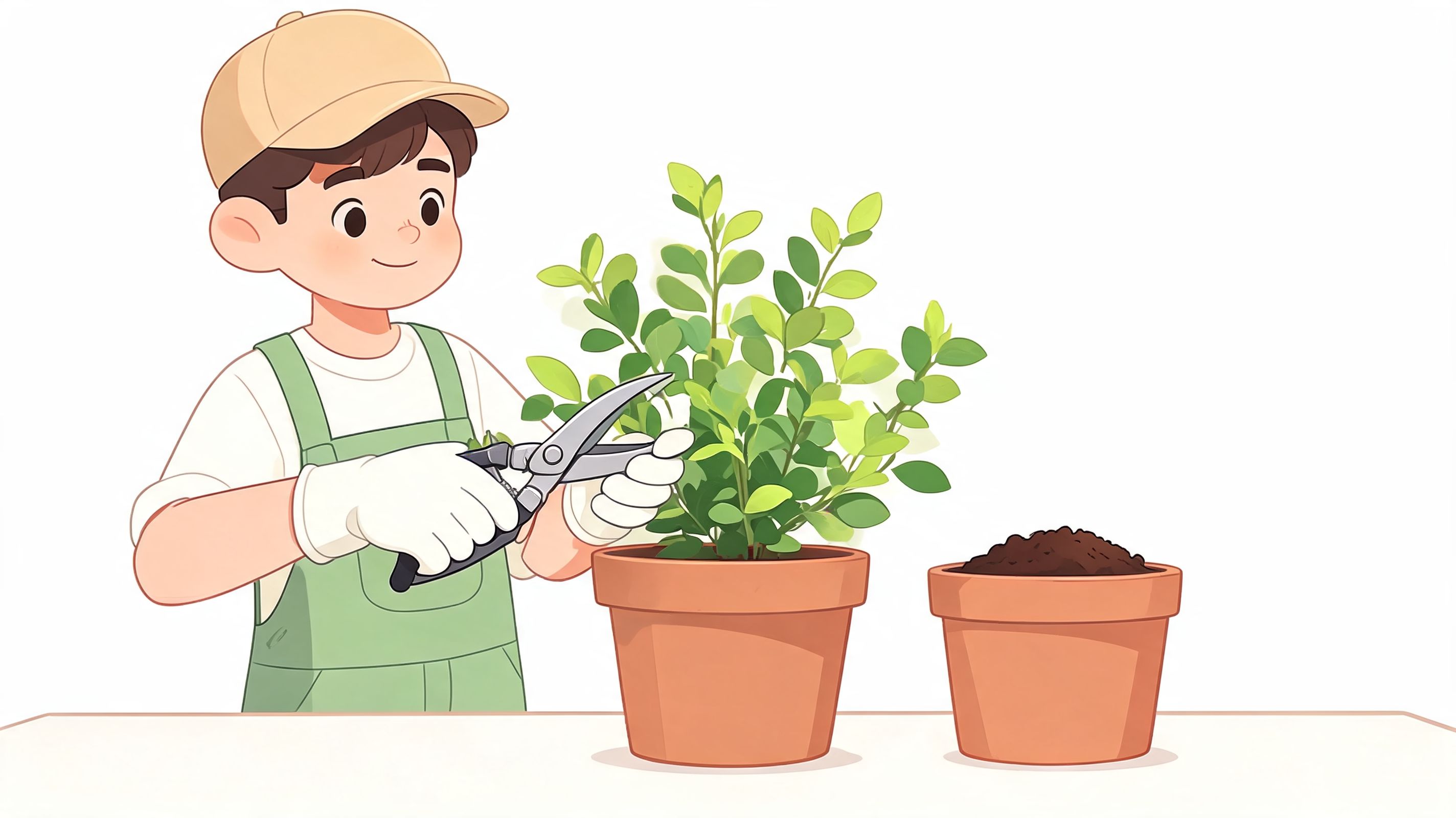
You bring home a clone because you want fewer surprises. The basic idea is simple. A cannabis clone is a cutting taken from a mature mother plant, then rooted so it can grow as its own plant.
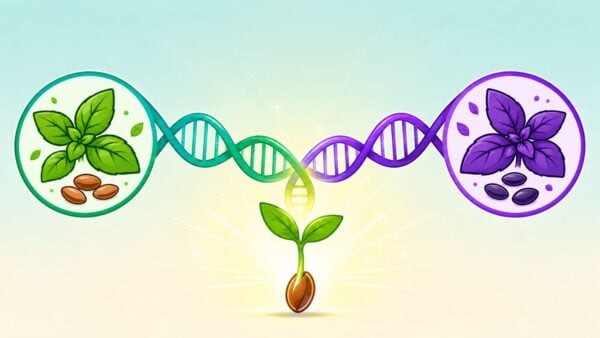
That cutting carries the same genotype as the mother. In practical terms, you are not starting a new genetic roll of the dice. You are continuing a plant line you already know.
Why growers care about genetic identity
Growth habits tend to stay more consistent. Consequently, if the mother finishes with a certain structure, aroma, and flowering pace, a healthy clone should follow that pattern more closely than a seedling would.
For home growers, that makes planning easier. Training is more predictable. Canopy management gets simpler. Feeding is easier to keep consistent when plants behave similarly under the same light.
A grower guide on clone quality notes that clones lock in a proven genotype for more uniform production, but they also carry forward latent disease, stress, or instability from the mother plant.
The trade-off behind the convenience
That second part is where clones get misunderstood.
A clone copies the good and the bad. If the mother plant was clean, stable, and proven, that is a strong starting point. If the mother was stressed, infected, or genetically shaky, the clone can inherit those problems before you ever get it into your tent.
A clone is a continuation, not a reset.
That is why clones are smart for consistency, but not always smart for discovery. If you want to preserve a known plant, clones make sense. If you want a fresh genetic start and less risk of inherited baggage, seeds often make more sense.
What a healthy clone usually looks like
A clone worth buying usually shows a few plain signs:
- Clean leaf color: Even green leaves without strange spotting, twisting, or heavy fade
- Compact, balanced growth: No severe stretch, droop, or weak stems
- Active new growth: Fresh tips should look alive and moving, not stalled
- No visible pests or residue: No webbing, chewing damage, specks, or sticky film
- Solid roots if visible: White, healthy roots are a much better sign than brown, mushy ones
You do not need a lab coat to judge this stuff. You just need to be a little picky.
Weak starts create extra work. Strong clones give you one real advantage: a more predictable run, as long as the plant they came from was worth copying in the first place.
The Big Debate Clones Versus Seeds
This debate gets flattened into a meme way too often. Clones are supposed to be for serious growers, seeds are supposed to be for gamblers, and neither of those takes is very useful.
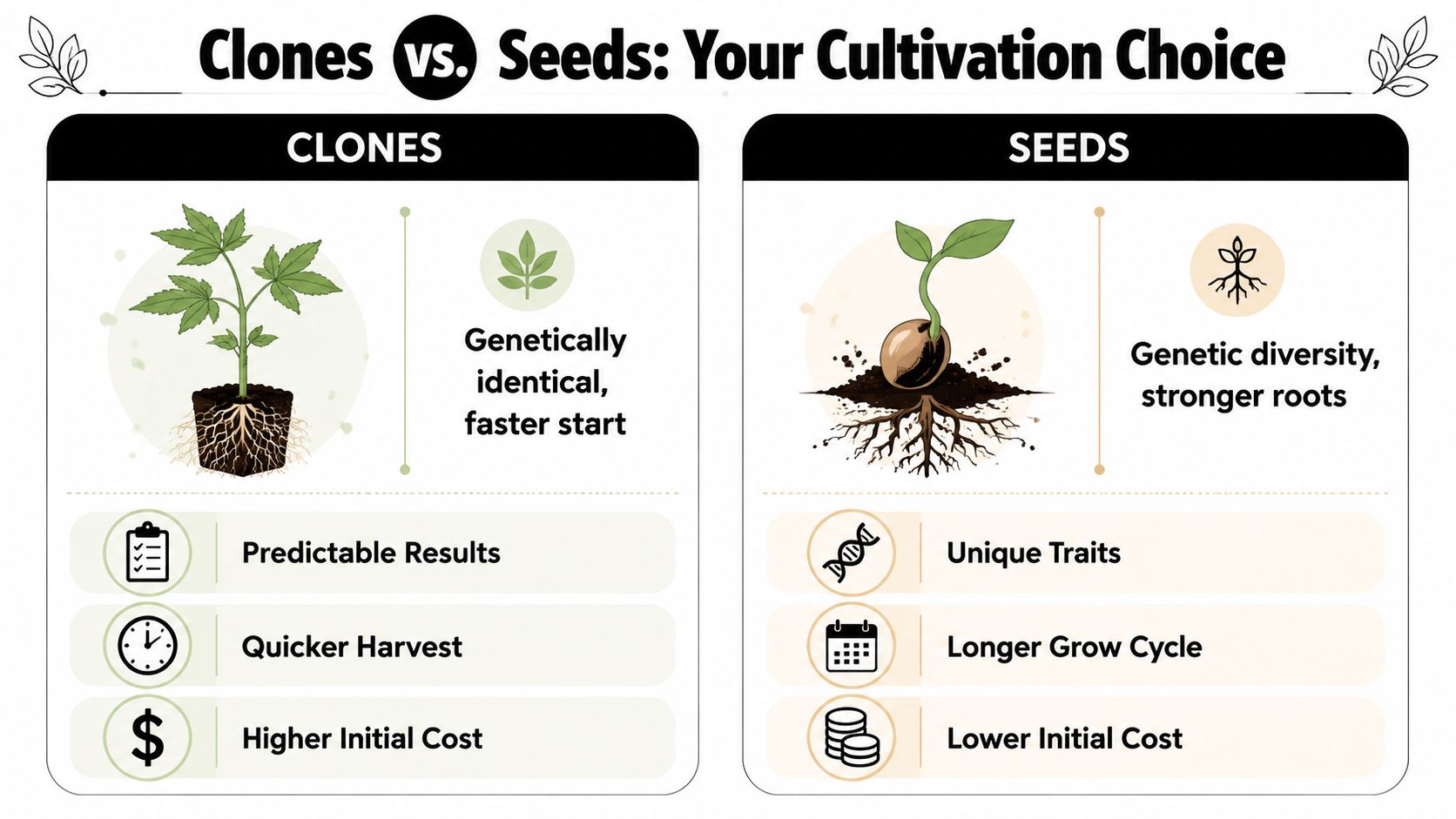
The practical difference is simpler. Clones reduce phenotype uncertainty. Seeds increase possibility. That's the true trade-off.
What clones do better
Clones are built for repeatability. If you already know you like a certain plant, cloning lets you keep that plant in circulation without hoping a seedling expresses the same way.
That consistency isn't just grow-room folklore. In a peer-reviewed study on clonal effects in cannabis, clone identity significantly affected CBD and THC outcomes. The study reported heritability attributable to clonal effects at 45.9% for total CBD yield and 52.9% for total THC yield, while biomass was not meaningfully changed in practical terms.
For growers, the takeaway is straightforward. Clone choice can materially shape cannabinoid output even when plant size doesn't shift much.
What seeds do better
Seeds give you a fresh start. That's the appeal.
If you enjoy selecting for aroma, structure, vigor, internode spacing, or how a plant handles your room, seeds are where the fun lives. They also avoid one of the biggest clone risks, inherited issues from someone else's mother room.
For home growers, that matters a lot more than online arguments make it seem. The clone may be proven, but it's also imported history. A seed starts clean.
Clones vs Feminized Seeds At a Glance
| Factor | Cannabis Clones | Feminized Seeds |
|---|---|---|
| Predictability | Very strong when sourced from a solid mother plant | More variation between plants |
| Starting point | Already a living cutting with a head start | Begins from germination |
| Consistency | Better for uniform canopy and repeat runs | Better for selection and finding unique expressions |
| Biosecurity risk | Can carry inherited pests, pathogens, or stress | Cleaner starting point |
| Discovery | Low, you're preserving known traits | High, you can find standout phenotypes |
| Best fit | Growers chasing repeatable results | Growers chasing novelty, vigor, or a fresh run |
The right question to ask
Don't ask which one wins in general. Ask what failure would annoy you more.
If you'd hate wasting a cycle on plants that don't line up the way you wanted, clones look appealing. If you'd hate bringing problems into your tent from an outside source, seeds look safer.
Some growers want the exact same song every run. Others want to hear a new version. That's the clones versus seeds decision in plain English.
For a lot of hobby growers, feminized seeds hit a sweet spot because they keep the process simple while still leaving room for discovery. But if you've got access to a clean, well-kept clone from a plant you already trust, clones can absolutely make sense.
How to Source and Inspect Healthy Clones
Buying a clone without inspecting it is like bringing home a used tool without plugging it in. You might get lucky. You also might carry someone else's problem straight into your space.
That's why clone sourcing is less about convenience and more about biosecurity. A lot of guides spend their time on rooting tricks and skip the harder question, which is whether the plant should enter your grow at all.
Ask better questions before you buy
Traditional cutting propagation can spread pests, pathogens, and viroids like HLVd. A nursery explainer on tissue culture versus traditional clones points out that tissue culture is positioned as a way to deliver pest and pathogen free stock. That doesn't mean every traditional clone is bad. It means you should treat plant sourcing like a hygiene decision, not a shopping errand.
Here's what to ask the seller:
- Where did the mother plant come from: A vague answer is a red flag
- How is plant health verified: You want a real process, not a shrug
- Has this clone been isolated or inspected before sale: Good nurseries usually have a routine
- Was it rooted cleanly and hardened off properly: A rushed clone often shows stress fast
What to inspect with your own eyes
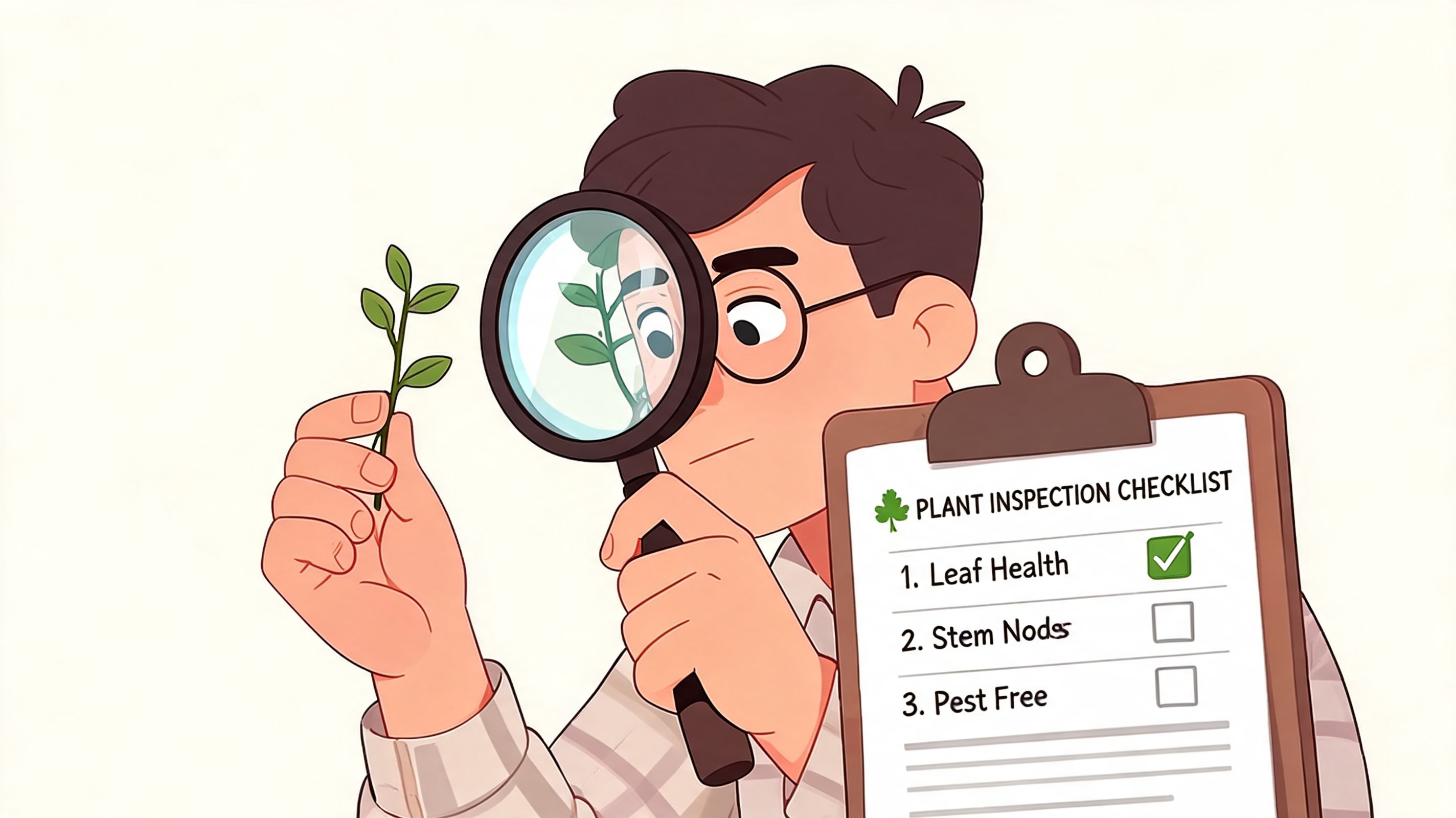
Once the clone is in front of you, slow down. Look at the whole plant, then the undersides of leaves, then the stem base, then the rooting area if visible.
Use this checklist:
- Leaf condition: Avoid clones with heavy spotting, distortion, bite marks, or weird shine
- Stem strength: The stem should feel stable, not weak and collapsing
- Growth tips: Fresh growth should look active, not twisted or stalled
- General posture: A healthy clone can be small and still look confident
Buyer mindset: Don't shop for the tallest clone. Shop for the cleanest one.
Quarantine is part of sourcing
Even a clone that looks good should get its own space for a bit before joining the rest of the garden. New growers often skip this because they're excited. That's understandable, but it's how one outside plant turns into a room-wide cleanup project.
If you can't quarantine, seeds become a much stronger option. Convenience isn't worth contaminating a whole grow.
A Step-by-Step Guide to Rooting Your Clones
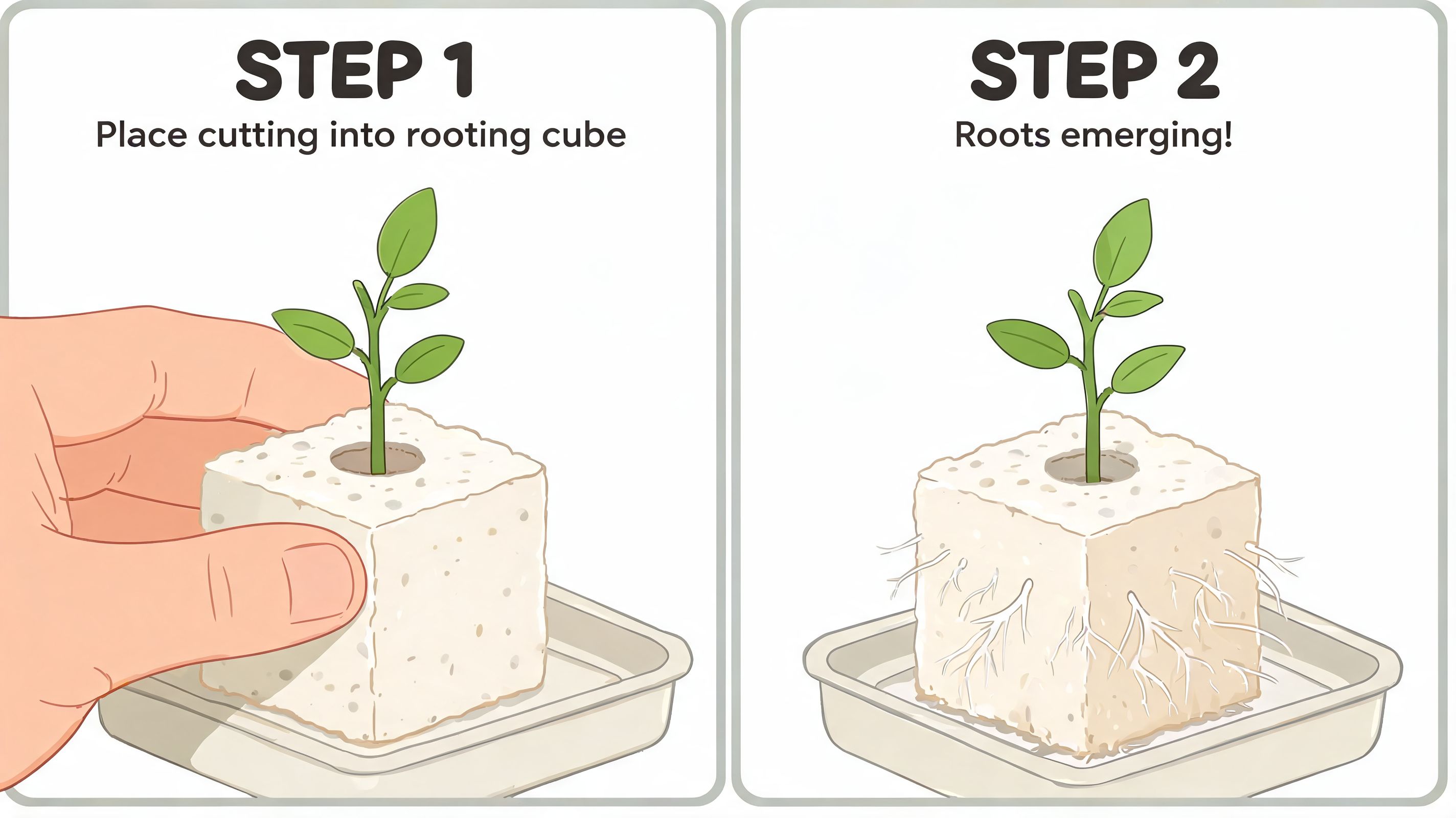
A clone's first job isn't top growth. It's root growth. If you remember that one thing, your setup choices get a lot simpler.
Young clones don't need blasting light or heavy feeding. They need a stable environment that lets them hold moisture while they build roots.
Get the environment right first
A technical cloning guide for cannabis recommends keeping young clones at 72 to 77°F (22 to 25°C) and under 100 to 200 µmol/m²/s of light during establishment. That low-light, warm setup helps root development without pushing the plant harder than its still-forming root system can support.
That's why clones often struggle under conditions that look fine for established veg plants. They're not ready for that workload yet.
A simple rooting routine
Use this process if you're bringing home fresh clones or rooting your own cuttings.
Prep the medium first
Have your plugs, cubes, or small starter containers ready before the clone goes in. The medium should be moist, not soggy. If you like airy media, growing with coco coir is worth understanding because root-zone oxygen matters a lot during establishment.Set gentle light
Keep the fixture high enough or dim enough that the clone isn't being pushed to transpire hard. At this stage, more light doesn't equal faster success.Keep the air humid and stable
A fresh clone loses water through leaves before roots are fully doing their job. Stable humidity helps bridge that gap.Water lightly, not constantly
The medium should stay evenly moist. Waterlogged plugs slow things down and make weak roots more likely.
What not to do
A lot of clone failures come from growers trying to “help” too much.
- Don't blast them with strong light: That increases stress before roots are ready
- Don't overfeed early: Rootless or lightly rooted clones don't use nutrients like established plants
- Don't keep changing conditions: Clones like boring consistency
- Don't judge too fast: A clone can look unimpressive before roots take off
Here's a visual walkthrough if you want to watch the process in action:
When to increase intensity
Once roots are established and the clone starts acting like a real vegetative plant, you can step light intensity up gradually. That's when the plant can use more energy productively.
Root first, canopy second. If you reverse that order, clones usually tell you pretty quickly.
A rooted clone that transitions well should start showing steadier posture, fresh growth, and better daily recovery. That's your sign to move from babying it to vegging it.
Troubleshooting Common Clone Problems
Clones can look rough even when they're still salvageable. The trick is reading the symptom correctly instead of reacting emotionally and making the problem worse.
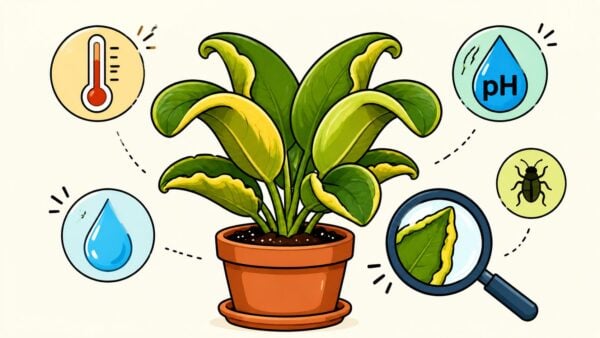
Wilting leaves
Wilting scares new growers fast. Most of the time, the issue isn't that the clone needs more water in the root zone. It's that the plant is losing moisture faster than weak roots can replace it.
Likely cause: Low humidity, too much light, or transplant stress.
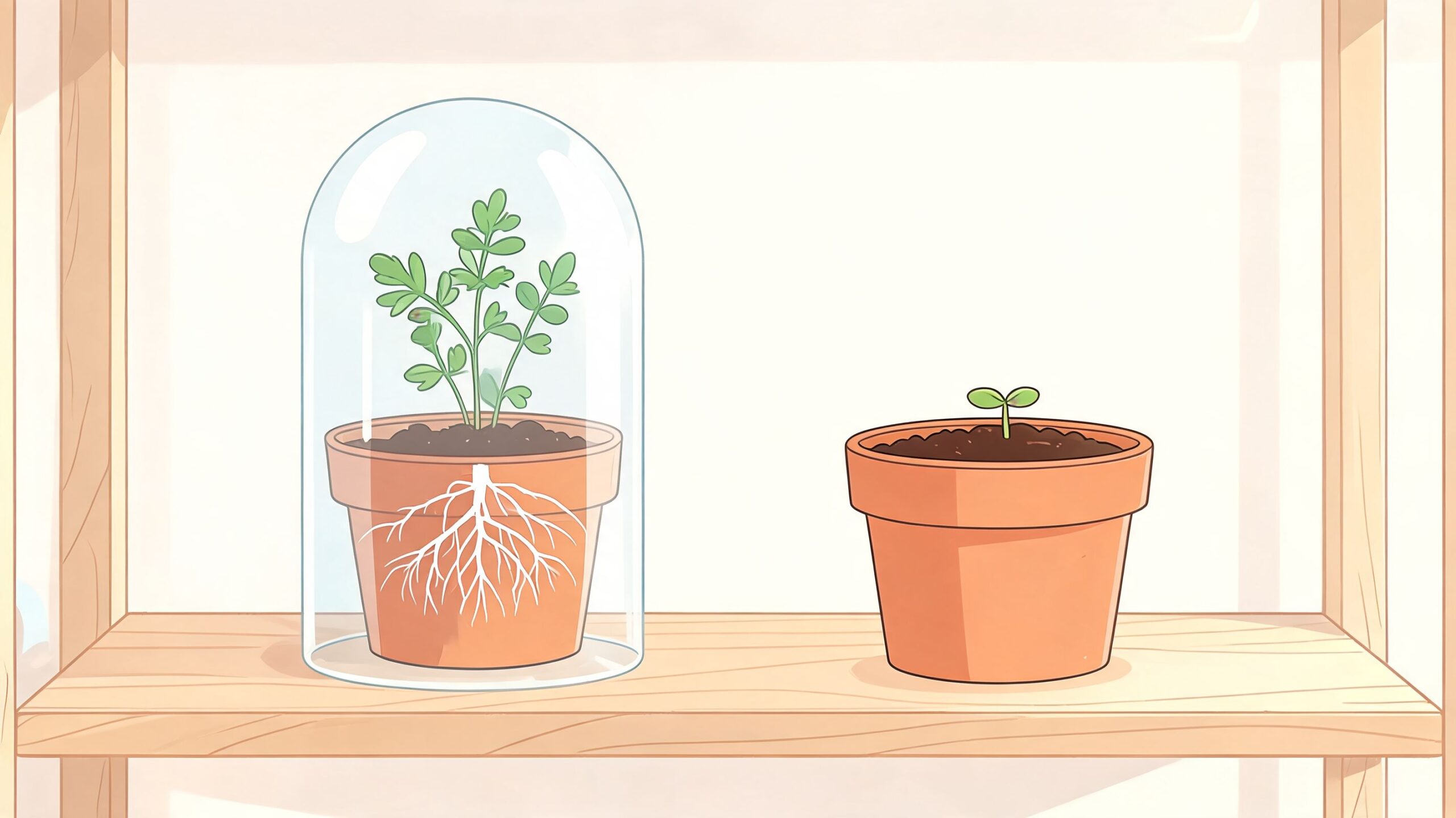
Fix: Reduce light intensity, stabilize the environment, and use a proper humidity dome setup for seedlings and clones if the plant is still in the early rooting phase.
Yellowing lower leaves
A little yellowing on older leaves can happen while the clone focuses on root establishment. That doesn't always mean disaster.
Likely cause: Rooting stress or a stalled transition after being moved.
Fix: Keep the environment steady and don't rush to dump nutrients on it. If new growth looks healthy, the clone is often working through the adjustment.
Slow or stalled growth
A clone that just sits there for too long is usually telling you the root zone isn't happy, or the starting material wasn't that strong to begin with.
Likely cause: Cool temperatures, soggy medium, weak source stock, or inconsistent conditions.
Fix: Check that the medium isn't waterlogged, keep temperatures in the rooting-friendly range already covered earlier, and stop making daily changes.
Healthy clones rarely need heroic interventions. They need stable conditions and patience.
Weird leaf shape or suspicious damage
You should carefully consider sourcing here. Twisted growth, surface damage, speckling, or a general “off” look can point to pests or inherited issues rather than a simple care mistake.
Likely cause: Outside contamination or plant health issues that arrived with the clone.
Fix: Isolate the plant. Inspect thoroughly. If it looks sketchy, it's better to cut losses than risk the whole room.
The hardest lesson with clones is that not every problem can be fixed by better growing. Some problems were already onboard when the plant entered your space.
When to Choose Seeds for Your Grow
You clean the room, dial in the environment, and start thinking about what could go wrong before the first real week of veg is even over. That's where seeds often make more sense. They give you a fresh start, which matters if you want to avoid bringing someone else's pests, stress history, or weak stock into your space.
Seeds are the better pick when your goal is discovery. You get to see how a cultivar behaves under your light, in your medium, with your feeding style and training habits. That process teaches you a lot faster than running a clone that already came with someone else's decisions baked in.
They also give you more room to select for your own setup. A plant that crushes it in one grower's room may be mediocre in another. Ceiling height, watering habits, airflow, patience level, and even what kind of effect you like at the end all change what a “good” plant really is.
There's also a maintenance trade-off that experienced growers pay attention to. An ongoing grower discussion about chaining clones versus keeping dedicated mothers gets into a real issue: if you keep passing cuts forward, you're relying on the health and consistency of that line the whole time. Seeds reset the process. For growers who like hunting keepers, testing new cultivars, or starting clean after a rough run, that matters.
Clones still win on uniformity when you already know the plant is worth repeating. Seeds win when you want options.
For personal growers, that's often the smarter call. You can start with genetics that fit your room instead of trying to adapt your room to a clone you didn't select. If you want a simple place to begin, this guide to planting weed seeds indoors lays out the first steps clearly.
Botanist Seeds offers feminized and autoflower options, plus a comparison tool that helps match cultivars to your space and goals.
If you're weighing consistency against discovery, spend a few minutes with Botanist Seeds. The comparison tool makes it easier to sort cultivars by grow style, space, and preference, whether you want an easy first run or you're chasing something new for the next jar on your shelf.