




Pure Haze Seeds: Your Complete Grower’s Guide
You’re probably looking at your tent, your calendar, and your patience level all at once.
That’s the right way to think about pure haze seeds. This isn’t the cultivar you grab when you want a quick, tidy run that wraps up before the next utility bill lands. It’s the cultivar you choose when you want a genuine Haze experience, and you’re willing to plan for it like a project instead of treating it like just another seed drop.
For modern home growers, that’s the trade-off in plain English. Pure Haze can be highly satisfying, but it asks for space, training, and time. If you give it those three things, it pays you back with a classic sativa profile, a distinct aroma, and that old-school feeling that newer cultivars often smooth out or shorten.
What Makes Pure Haze a Classic Cultivar
Pure Haze has the kind of reputation that usually gets exaggerated in grow circles. In this case, the reputation is earned.
It traces back to the late 1960s in California, and traditional phenotypes are famous for being demanding. They can take 18 to 26 weeks to flower and stretch 4x or more, reaching 3 to 4 meters, according to SeedFinder’s Pure Haze entry. That alone tells you this isn’t a casual windowsill project.

Why growers still chase it
A lot of modern cultivars are built to make life easier. Faster finishers, shorter plants, denser buds, fewer surprises. That’s great when your goal is efficiency.
Pure Haze sits on the other side of that line. People grow it because it still feels like a piece of cannabis history. The line was preserved through serious breeding work after coming close to disappearing, and that matters if you care about heirloom genetics instead of just chasing the next trendy cross.
There’s also a certain pride in pulling off a successful Haze run. Not because it’s impossible, but because it forces you to grow with intention. You can’t phone this one in.
Practical rule: If you hate planning ahead, Pure Haze will annoy you. If you like building a grow around one special cultivar, it becomes a fun long-form project.
What the challenge actually means
“Hard to grow” gets thrown around too loosely. Pure Haze isn’t hard in the sense that it’s fragile or fussy from day one. It’s hard because it asks for discipline over a longer stretch of time.
That challenge usually shows up in a few ways:
- Height management: The stretch is real, and indoor growers feel it fast.
- Flower patience: A long bloom cycle changes how you schedule your whole year.
- Canopy control: If you let it go wild, your light spread and airflow suffer.
- Expectation management: You’re not growing this cultivar for convenience.
The upside is that modern selections have made the classic profile more approachable without stripping out the reason people want Pure Haze in the first place. That’s why it still lands on serious hobby growers’ shortlists. It’s not just old. It’s still relevant.
The Pure Haze Profile and Vibe
If the grow is the long game, the payoff is in the jar.
Pure Haze is often led by caryophyllene, myrcene, and limonene, which gives it that familiar mix of spicy, peppery, and citrus character. That terpene profile works with high THC levels, often 18 to 25%, to shape the energetic, mood-bright, sativa-forward vibe people expect from this cultivar, based on Pacific Seed Bank’s Pure Haze profile.
What you actually notice first
The first thing most growers pick up isn’t raw intensity. It’s the shape of the aroma.
Pure Haze doesn’t usually come across like a heavy dessert cultivar or a gas-first modern hybrid. It tends to land sharper and brighter. You get spice, pepper, citrus, and that old-school Haze lift that many growers describe as incense-like or slightly woody. In practice, that means the jar opens with more edge and air than syrup.
That profile is a big reason people stick with Haze even when the cultivation side gets annoying. The end result feels distinct.
How the vibe differs from heavier cultivars
The cannabinoid numbers tell you one thing. The experience tells you another.
With Pure Haze, potency doesn’t usually translate into couch-heavy weight. Instead, the vibe is more awake, social, and mentally active. It’s the kind of cultivar people reach for when they want a daytime smoke that still feels substantial, not flat or watered down.
A few common takeaways from growers and smokers:
- The aroma stays lively: spice and citrus tend to lead instead of deep sweetness.
- The feel is active: more upbeat than sleepy.
- The personality is clear: it doesn’t blur into the same lane as broad hybrid profiles.
- The finish feels classic: many people chase it because it reminds them what Haze is supposed to be.
Pure Haze is one of those cultivars where the smell in late flower gives you a pretty honest preview of the final vibe. If the room starts leaning spicy and bright, you’re on the right track.
Why the profile matters to the grower
Long-running cultivars need a payoff you can appreciate. Pure Haze has one.
When you’re several weeks deep into flower and still waiting, the plant has to offer more than novelty. With this one, the reward is sensory. The structure, the smell, the final character, they all feel specific. That’s what makes pure haze seeds appealing to growers who want something with identity, not just output.
Choosing Your Pure Haze Seeds
With Pure Haze, seed choice changes the whole project before you even soak a bean.
For home growers, the decision often comes down to feminized photoperiod versus autoflower. Pure Haze is historically tied to photoperiod growing, and that matters because the cultivar’s biggest challenge is size management. If you want the classic project, photoperiod gives you the most control. If you want something easier to fit into a tight schedule, autoflower genetics can make more sense.
Feminized photoperiod for control
Photoperiod feminized pure haze seeds give you one huge advantage. You decide when flower starts.
That’s a big deal with a cultivar known for vertical push. You can top earlier, build a wider frame, train the canopy, and only flip once the plant is the size your space can realistically handle. For growers in tents, that flexibility can be the difference between a clean run and a wrestling match with the light.
Photoperiod is usually the better pick if:
- You have a training plan: topping, LST, or a SCROG net is already part of your routine.
- You can be patient: the long-form grow doesn’t bother you.
- You want to hunt expressions: photoperiod runs usually suit that style better.
- You’re working in a controlled indoor setup: especially when ceiling height is limited.
Autoflower for a simpler project
Autoflower versions take a different path. You give up some control, but you gain simplicity.
That can be useful if your main constraint is time or headspace. Autoflowers don’t wait for your light flip, which means the project tends to feel more contained. For newer growers, that can remove some of the stress that comes with managing a classic Haze-leaning cultivar indoors.
If you’re weighing those trade-offs, this comparison of autoflowering vs photoperiod seeds gives a clean overview of how each style fits different setups.
A simple way to decide is this:
| Grower situation | Better fit |
|---|---|
| Small tent, wants full control over plant size | Feminized photoperiod |
| Limited time, wants a simpler cycle | Autoflower |
| Wants to train hard and shape the canopy | Feminized photoperiod |
| Wants fewer moving parts in the schedule | Autoflower |
Pure Haze asks enough from the grower already. Pick the format that makes your life easier, not the one that sounds more romantic on paper.
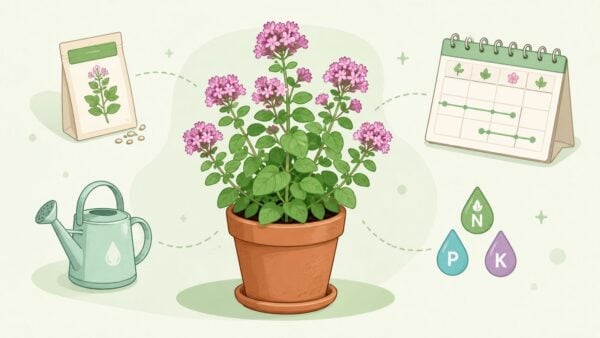
A Step-by-Step Grow Calendar
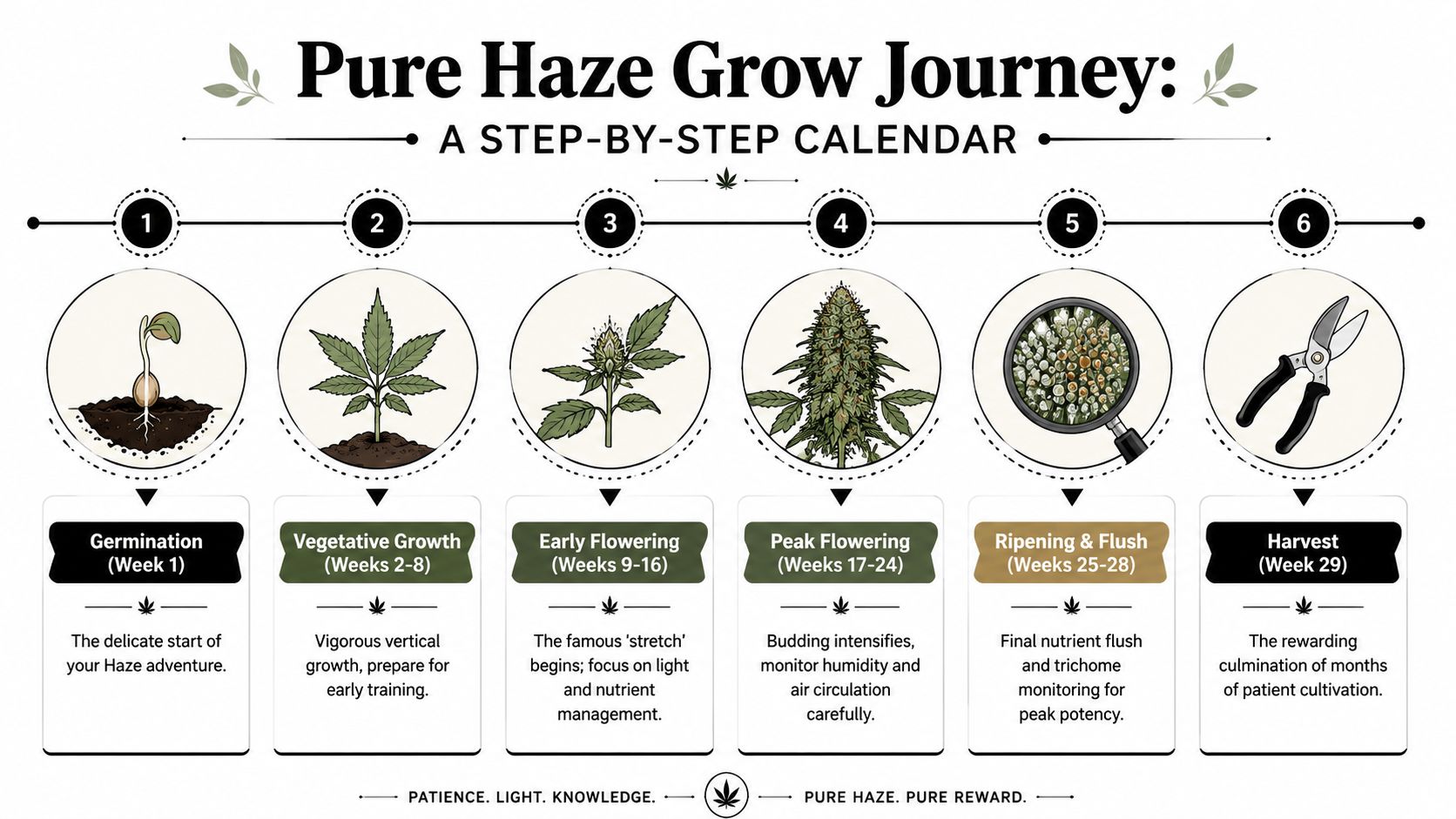
Pure Haze gets a lot easier when you stop thinking of it as one long grow and start treating it like a sequence of jobs. Each phase has a different priority.
Modern selections can still stretch hard in flower, and feminized plants often expand 4x during the transition. Breeder data also notes that managing that stretch with topping or SCROG helps keep plants within workable indoor size and supports 500 to 600 g/m² potential indoors, as described by Seeds66’s Pure Haze cultivar notes.
Germination and early veg
The start is straightforward. Keep conditions stable, avoid overwatering, and don’t rush the seedling stage just because you know a huge plant is coming later.
Once the plant settles in, your main job is structure. Pure Haze often shows vigorous vertical intent early, so this is the time to think ahead about final shape. If you plan to top, do it early enough that the plant can recover cleanly and start building lateral growth before flower.
A few smart early moves:
- Pick the final container thoughtfully: too many transplants can slow momentum.
- Start support early: bamboo stakes, soft ties, or a trellis are easier to add before the plant is unruly.
- Keep the canopy low and broad: don’t reward vertical growth by letting one top dominate.
Mid veg and pre-flip planning
Home growers either save the run or create a headache for themselves.
Before flipping, ask a blunt question: if this plant stretches far more than expected, do you still have room? If the answer is no, keep training. A cultivar with Haze structure can punish optimism.
I like to think about the flip in terms of the final ceiling, not the current height. If your tent already looks comfortably full, that’s often your sign that it’s full enough.
For a broader walkthrough of timing and plant development, this guide to the stages of growing cannabis is worth having open in another tab while you plan the run.
Don’t flip a Pure Haze plant because you’re tired of veg. Flip it because the canopy is ready and the vertical headroom math still works.
Early flower and the stretch phase
This is the part everyone talks about, and for good reason.
When flower starts, Pure Haze can push upward fast. Your work now is less about feeding big and more about controlling shape, airflow, and light exposure. Keep tying tops outward, maintain an even canopy, and avoid letting upper growth create a shaded mess underneath.
At this stage, bad habits show up quickly:
- Plants too close to the light
- Crowded center growth
- Weak lower sites that never catch up
- Poor air movement through the canopy
If a branch is heading straight up without contributing to a useful canopy, pull it outward or support it into open space. Pure Haze responds better to active management than wishful thinking.
Long flower and finish
Once the stretch settles, the grow becomes a patience game.
The plant may keep building in a slower, more deliberate way than short-cycle cultivars. That means your environment has to stay consistent for longer. Don’t get sloppy late just because you’re bored of waiting. Long flower cultivars punish complacency.
Keep watching:
- Canopy density: enough thinning to keep air moving.
- Plant support: branches can need more help than expected.
- Feed response: long runs can reveal imbalance slowly.
- Finish timing: don’t harvest early just because the calendar is annoying.
Pure Haze rewards growers who stay engaged all the way through. That’s the calendar that matters. Not just weeks on paper, but sustained attention.
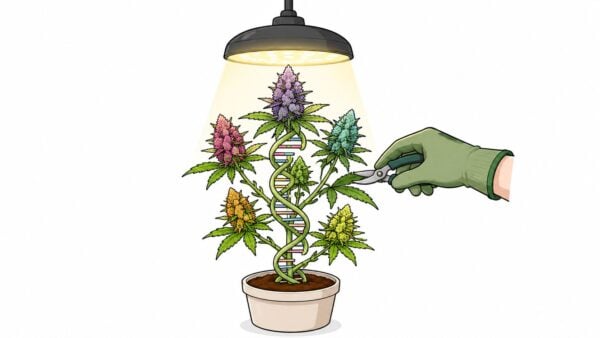
Hunting for Your Perfect Phenotype
One of the best reasons to run pure haze seeds is that you’re not just growing a cultivar. You’re observing expressions.
That’s the fun part for growers who like keeping notes. Even within the same pack, you may notice different attitudes in structure, aroma, and finish. One plant leans more spice and pepper. Another may push brighter citrus. One stacks with a more open, classic spear look. Another stays a bit tidier.
What to watch during the run
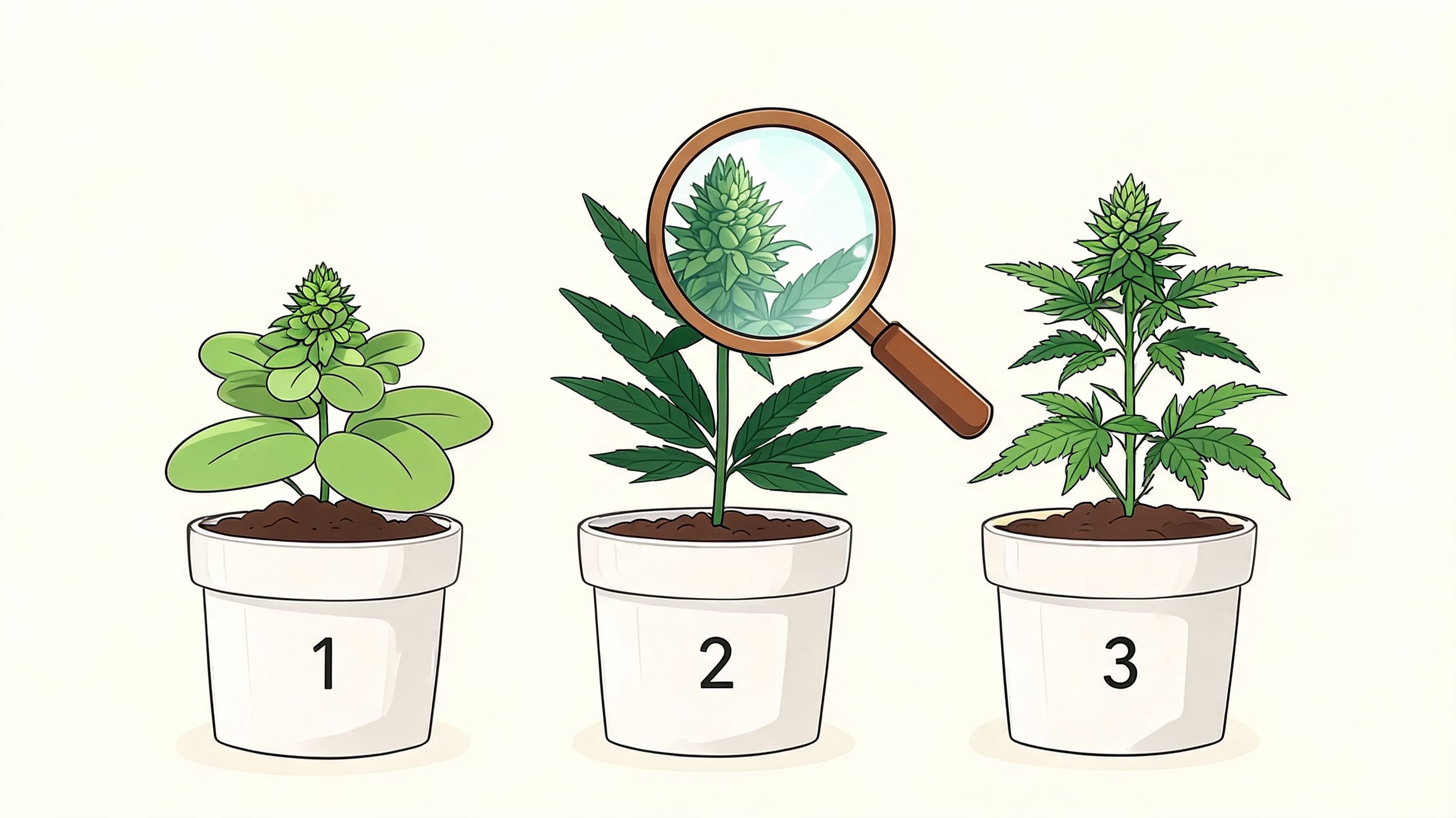
Phenotype hunting sounds technical, but the practice is simple. You compare plants and keep the one that best matches what you like.
With Pure Haze, I’d pay attention to a few cues first:
- Aroma direction: Does it lean peppery, citrus-forward, woody, or incense-like?
- Stretch behavior: Some expressions stay easier to manage than others.
- Bud shape: Look for the style you prefer, not just what photographs best.
- Finish pace: Some plants feel worth keeping because they mature in a way that suits your schedule.
A practical notebook helps more than memory. Label plants clearly, write down observations weekly, and don’t wait until harvest to decide which one impressed you. By then, the little differences blur together.
Choosing a keeper
The “best” phenotype isn’t always the loudest one.
For a lot of home growers, the keeper is the plant that balances character with manageability. Maybe it isn’t the tallest. Maybe it isn’t the weirdest smelling plant in the room. But if it trains well, finishes in a window that suits your setup, and delivers the exact vibe you enjoy, that’s the one worth keeping around.
Here’s a solid visual break if you want to see plant evaluation in action before your next run:
A keeper plant should make your next run easier, not just more interesting.
Preserve the expression you love
Once you’ve found the one, preservation matters. If you plan to keep running that exact expression, take healthy cuttings from the plant while it’s still in a strong vegetative state or before you lose the chance to preserve it cleanly.
That’s where the self-sufficient side of growing really clicks. You’re no longer just buying seeds and hoping for a repeat. You’re building your own relationship with a specific Pure Haze expression that suits your space and your taste.
Troubleshooting and Realistic Yields
Most Pure Haze problems aren’t mysterious. Growers usually create them by waiting too long to act.
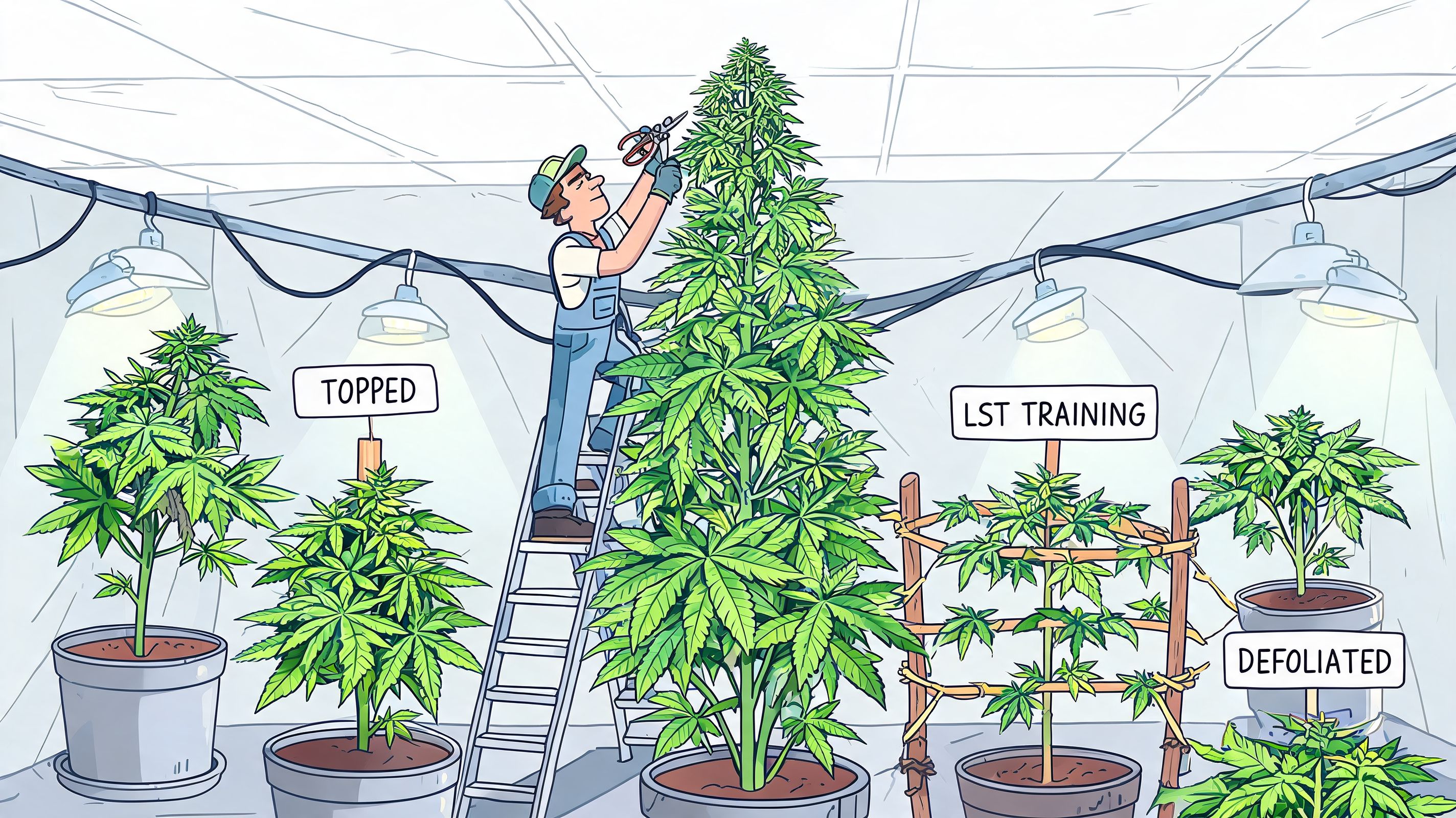
The main issue is height. If you let the plant run upward unchecked, you’ll deal with tops crowding the light, weak lower growth, poor airflow, and a canopy that’s annoying to maintain. The fix isn’t heroic late-flower surgery. The fix is earlier training and a more honest plan from veg onward.
Problems that show up most often
When a Pure Haze run starts drifting off course, it usually looks like one of these:
- The canopy climbs too close to the fixture: upper tops take the best light, while everything below falls behind.
- Center growth gets crowded: air movement drops and the plant becomes harder to inspect.
- Branches outgrow support: a long-running sativa structure can sprawl in awkward directions.
- The grower loses patience late: this one is common, especially with longer flower windows.
The practical answer is proactive canopy work. Top early, keep tying branches outward, and thin selectively so the plant keeps breathing. If you’re already in flower and the plant is getting away from you, gentle tie-downs and branch spacing still help, but they won’t replace the work that should’ve happened earlier.
If your tent feels cramped in early flower, it won’t feel better later. Act then, not after the tops hit the light.
What realistic yield looks like
A lot of growers hear “Haze” and assume yield will either be magical or disappointing. The honest answer is more balanced.
For stabilized modern selections, indoor yields can reach 350 to 550+ g/m², while outdoor plants can produce 500 to 900 g per plant, with the trade-off being a 10 to 14 week flowering time in those more modern lines, according to this Pure Haze cultivation guide.
That range matters because yield is closely tied to management. With Pure Haze, sloppy structure costs you more than people expect. A trained, evenly lit canopy usually outperforms a giant, chaotic plant that looked impressive halfway through the run.
A simple reality check:
| Setup quality | Likely outcome |
|---|---|
| Good training, stable environment, patience | Strong return for the time invested |
| Weak training, crowded tent, rushed finish | Less rewarding than easier cultivars |
| Outdoor space with room to expand | Pure Haze makes more sense |
| Short indoor tent with no canopy plan | Frustrating project |
That’s why I’d rather see a modestly sized, well-managed Pure Haze than a huge one fighting the room every week.
Buying and Storing Your Seeds Safely
A good Pure Haze run starts before germination. It starts with buying seeds that make sense for your setup.
For this cultivar, that matters more than usual because you’re signing up for a project with real time attached to it. You don’t want vague listings, fuzzy descriptions, or genetics that leave you guessing what kind of plant you’re planning around. Look for clear labeling on seed type, cultivar traits, and expected growth habits. If the listing doesn’t help you picture the plant in your room, keep looking.
What to check before you buy
A few buying habits save a lot of frustration:
- Read the cultivar description closely: especially the comments about height and flower time.
- Match seed type to your space: feminized photoperiod for control, autoflower for simplicity.
- Buy for your real setup: not the dream room you might build later.
- Keep your run count in mind: if you only have room for one major project, choose carefully.
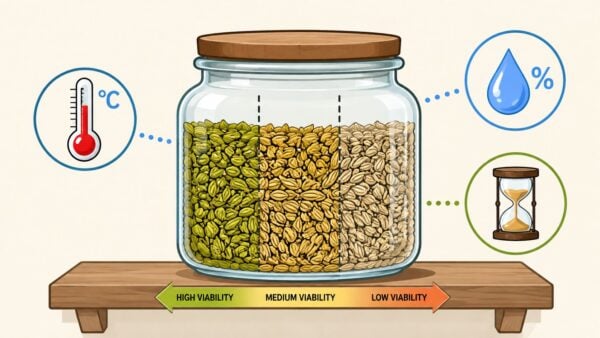
Storage matters too. Seeds are living material, and rough handling shortens your options later. Keep them in a cool, dark, dry place, ideally in an airtight container with a simple moisture buffer. The main goal is consistency. Big swings in heat, light, or humidity are what you want to avoid.
How to store them for the long haul
If you like keeping a small library on hand, don’t overcomplicate it. Label the pack, protect it from moisture, and store it somewhere stable where it won’t get knocked around or exposed to household heat.
For a practical walkthrough, this guide on how to preserve weed seeds covers the basics cleanly.
Pure Haze rewards growers who think ahead. That starts with the seed pack and ends with the jar.
If you’re comparing pure haze seeds against other classic and modern cultivars, Botanist Seeds makes that process a lot easier. Use the site to compare seed types, narrow down what fits your space, and pick a cultivar that matches your grow style instead of fighting it.