Cannabis Vape Guide for Growers: From Seed to Vapor
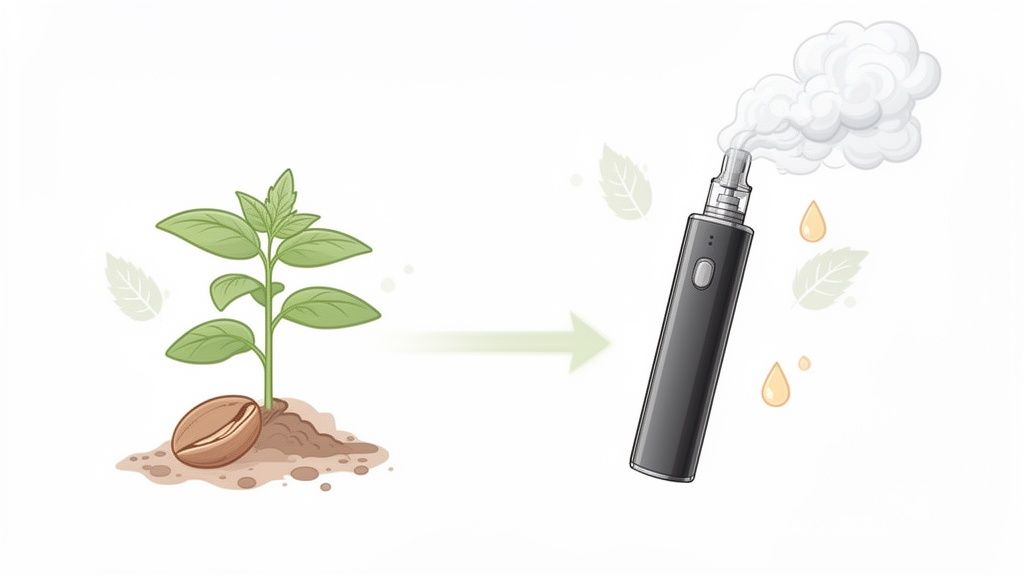
You open the cure jar, give it a slow turn, and catch that first real wave of aroma. Not the green, fresh-cut smell from harvest week. The finished one. The version you worked for.
That moment changes how a lot of home growers think about consumption. Once you have your own flower, you stop chasing whatever is fastest and start asking a better question: what lets this cultivar speak for itself?
For plenty of growers, the answer becomes the cannabis vape. Not because it looks modern, and not because it is trendy, but because it gives you more control over flavor, intensity, and the overall session. If you spent months dialing in your environment, feeding schedule, dry room, and cure, it makes sense to use a method that lets you notice the details.
Your Harvest Is Cured Now What
The first time a grower finishes a solid run from feminized seeds, the usual routine is simple. Crack a jar, admire the structure, maybe show a friend the frost, then wonder how to enjoy it without flattening everything into one smoky note.
Smoking still has its place. It is familiar and easy. But a cannabis vape often feels like the next step for someone who has started caring about aroma, flavor, and consistency.
Think about two jars on the shelf. One cultivar throws off bright citrus and sharp floral notes. Another leans gassy, earthy, and heavy. If you smoke both, you will still notice differences, but combustion can blur some of the finer details. Vaping uses heat without burning the material, so the personality of the flower usually comes through in a cleaner way.
That matters even more when you nailed your timing in the garden. If you harvested at the right window, dried slowly, and cured with patience, you have already done the hard part. A lot of growers use guides like this one on when to harvest cannabis because timing shapes everything that happens after the chop, including how the flower tastes in a vape.
Why growers get curious about vaping
A home grower usually lands here for one of a few reasons:
- Flavor matters more now: Once you have your own jars, you notice the differences between cultivars more clearly.
- You want control: A vape lets you work with heat settings instead of a lighter and an open flame.
- You want to use less flower at a time: Small sessions are easier to manage.
- You want less mess: No rolling tray, no ash, no half-burned joint sitting around.
Tip: If your flower smells great in the jar but tastes flat when used, the issue is often the method, not the cultivar.
What changes after your first good harvest
There is also a mindset shift. Before growing, a lot of people consume whatever is available. After growing, they start paying attention to inputs and outcomes.
You notice which cultivar stayed squat and dense, which one stacked longer spears, which one produced that loud fruit smell in late flower. Vaping fits that mindset because it rewards attention. It turns your flower into something you can study a little, not just finish.
That is why the cannabis vape has become such a natural topic for home growers. It is less about gadgets and more about respecting the work already sitting in your jars.
How a Cannabis Vape Works
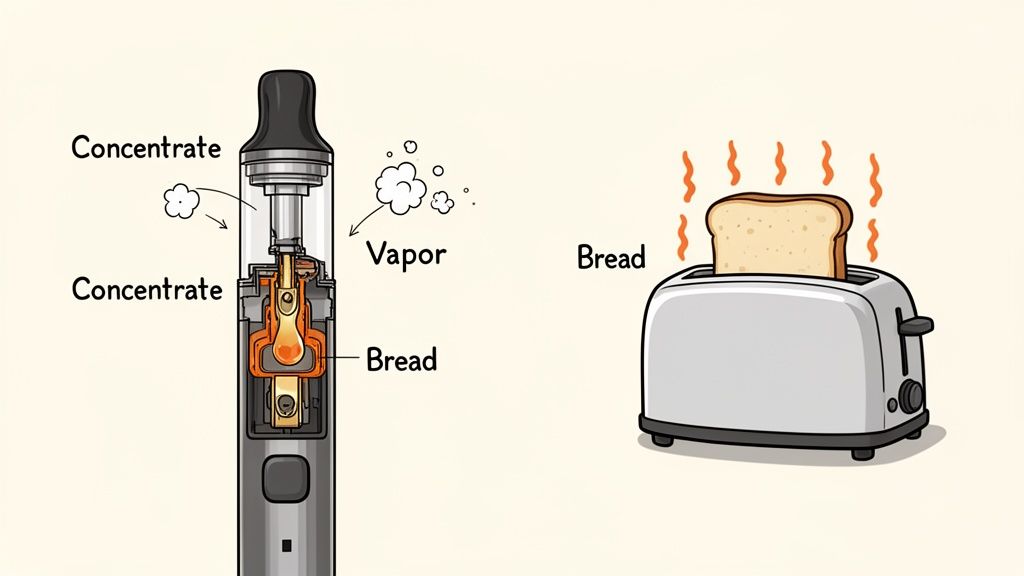
A cannabis vape works by applying controlled heat to flower or oil so the useful compounds and aroma turn into vapor before the material catches fire.
That distinction matters more to home growers than it first seems. If you spent months choosing a cultivar, dialing in the dry, and waiting through cure, a vape gives you a better shot at tasting what you grew instead of mostly tasting combustion.
The two parts that matter
Nearly every cannabis vape has two working pieces:
- The battery: This supplies power.
- The heater: This warms the flower or oil until vapor forms.
The names change by device. You might hear atomizer, oven, or heating chamber. The job stays the same. One part provides energy, and one part turns that energy into steady heat.
That is why two vapes can use the same flower and still give different results. If the heater runs evenly, flavor comes through more clearly. If it spikes too hot, the session gets harsh fast.
What is happening inside the device
With dry flower, you grind the bud, place it in a chamber, and the heater warms it. Hot air or a heated surface pulls vapor out of the plant material. You inhale that vapor through the mouthpiece.
With oil, the process is similar but the material is different. The oil sits in a cartridge or tank, and the heating element warms a small amount at a time. Once it reaches the right range, it turns into vapor you can draw in.
A simple way to understand it is to compare simmering and scorching in a pan. Gentle heat brings out aroma. Too much heat burns the food and wipes out the finer notes. Vaping follows the same basic rule.
Why vapor tastes different from smoke
Smoke comes from burning plant material. Vapor comes from heating it carefully.
That is why vaping often tastes cleaner. You pick up more of the cultivar's own character and less of the charred taste that comes from open flame. For growers, the seed-to-session connection starts here. A cultivar bred for strong citrus, gas, spice, or floral notes has a better chance of showing those traits in a vape than in a joint.
It also means your growing choices become easier to notice. If one plant held onto its aroma well through drying and cure, vaping will usually reveal that. If another looked great but lost its nose in the jar, vaping reveals that too.
Why hardware quality matters
People often assume every vape heats material the same way. They do not.
Cheap hardware can run hot, heat unevenly, clog, or mute flavor. Better hardware usually gives steadier heat, and steadier heat gives you a more predictable session. That matters whether you are testing a new flower from your own tent or trying to preserve the flavor in an oil made from your harvest.
For a grower, that consistency is not just a comfort issue. It helps you judge the plant more accurately. If the device is erratic, you are tasting the hardware as much as the cultivar.
The quick version
If you want the shortest explanation, it is this:
| Part | What it does | Why you care |
|---|---|---|
| Battery | Sends power to the heater | Affects consistency and temperature control |
| Atomizer or heater | Warms flower or oil into vapor | Affects flavor, smoothness, and efficiency |
| Chamber or cartridge | Holds the material | Determines whether you vape flower or concentrate |
Key takeaway: A cannabis vape is a controlled-heating tool. For home growers, that makes it one of the clearest ways to judge how your cultivar, harvest timing, dry, and cure all came together.
Choosing Your Gear Vape Pens Versus Dry Herb Vapes
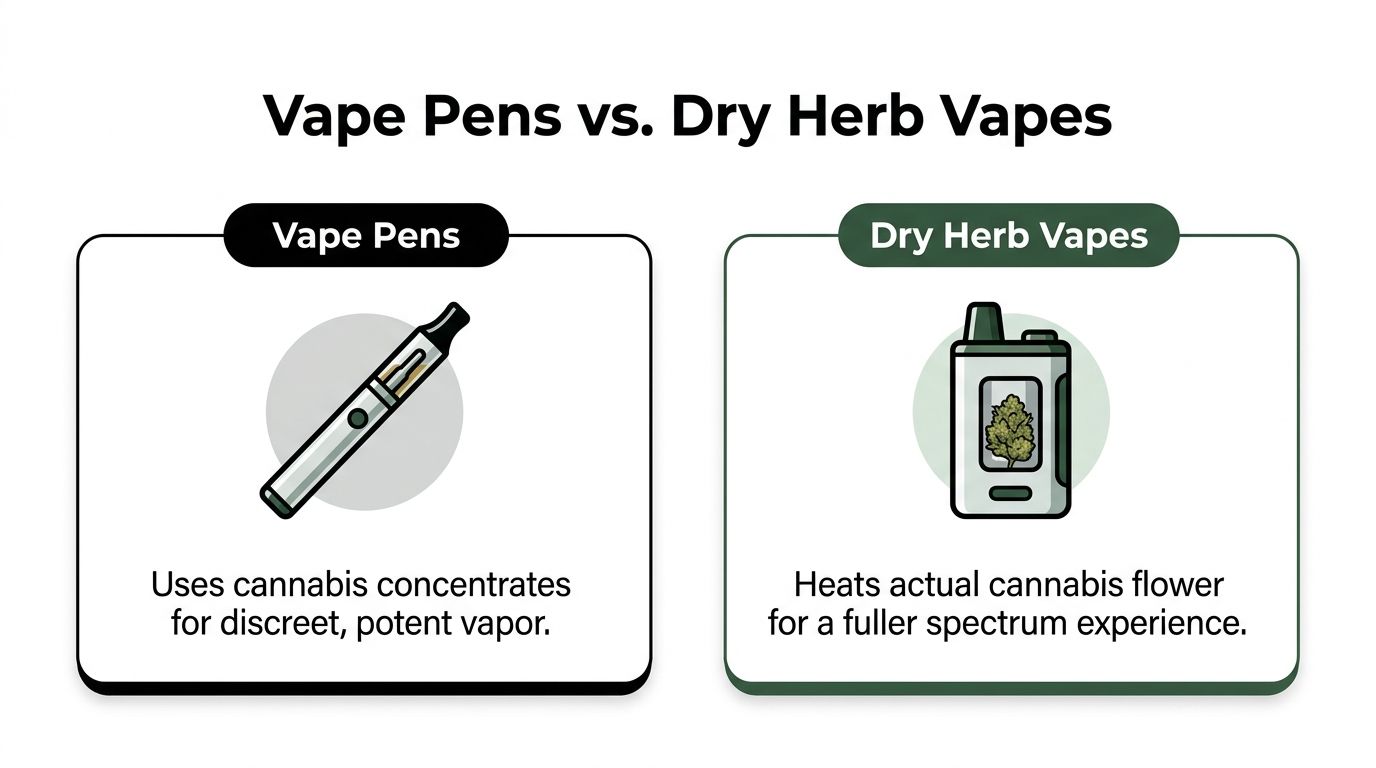
Many home growers end up choosing between two lanes. Vape pens for concentrates, or dry herb vapes for flower.
Both are valid. They just solve different problems.
Vape pens in plain English
A vape pen usually means a battery attached to a cartridge filled with cannabis oil. Some are simple 510-thread setups. Others use a brand-specific pod system.
The main appeal is convenience. You press a button or inhale, and you are ready to go. No grinder, no packing, no spent flower to empty afterward.
For growers, though, there is a catch. A pen does not run on flower directly. It runs on oil. That means you either buy carts or make concentrate from your own harvest.
Where vape pens shine
- Quick sessions: Good when you want a fast, low-fuss hit.
- Discretion: They are compact and easy to store.
- Less plant handling: No grinding or loading loose flower each time.
- Strong flavor when paired well: A solid cartridge and good oil can taste excellent.
Where vape pens fall short
- More processing between plant and vapor: You are not vaping the flower as-is.
- Hardware mismatch can be annoying: Bad carts clog, leak, or burn flavor.
- Less direct connection to the cultivar: Depending on the oil style, the final result may feel more processed.
Dry herb vapes are closer to the jar
A dry herb vape heats ground flower from your cure jars. For a grower, this is the most direct route from harvest to session.
You trim it, dry it, cure it, grind it, and vape it. That simplicity is a big part of the appeal.
Dry herb devices also fit the way many home growers think. You spent all season working on the plant itself, so it makes sense to use a device that shows off the flower without extra refining steps.
Why many growers prefer flower vapes first
Dry herb vaping often makes the cultivar easier to read. You can compare jars, test small samples, and notice how one flower behaves differently from another.
That matters because cannabis vaping has become far more common. The shift has been dramatic, with 30-day use increasing seven-fold between 2013 and 2020 in the youth data summarized by JAMA Pediatrics. For a home grower, that trend is less about copying the market and more about understanding a format that people now use regularly for discretion and flavor.
Side-by-side tradeoffs
| Gear type | Best for | Main upside | Main downside |
|---|---|---|---|
| Vape pen | Convenience and portability | Compact, quick, easy to use | Requires oil instead of straight flower |
| Dry herb vape | Flavor and cultivar expression | Uses your cured flower directly | Needs more cleaning and prep |
Which one fits your style
If your main goal is to experience the exact aroma of your harvested cultivar, a dry herb vape usually makes more sense.
If your main goal is compact sessions and a cleaner pocketable setup, a vape pen is hard to beat. Especially if you enjoy making concentrates from your own flower.
A lot of growers end up with both. They keep a dry herb unit at home for tasting sessions and a pen for convenience.
Tip: If you are brand new to vaping, start with the format that matches your stash. If your jars are full and you have no pressing setup yet, dry herb is the simpler first step.
The decision many people make
It usually comes down to one question:
Do you want to vape your flower, or do you want to transform your flower first?
If you want the shortest path from plant to session, go dry herb.
If you enjoy process, tinkering, and making concentrated material from your harvest, go with a pen setup and learn extraction the right way.
From Plant to Pen A Quick Look at Extraction
A lot of home growers hit the same fork in the road after cure. One jar is ready for a dry herb vape right now. Another jar makes you wonder, "Could this become a cart oil I enjoy?" That question matters because a pen is not just a different device. It asks more from the plant.
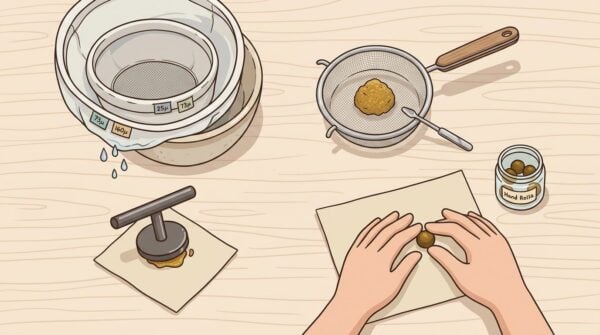
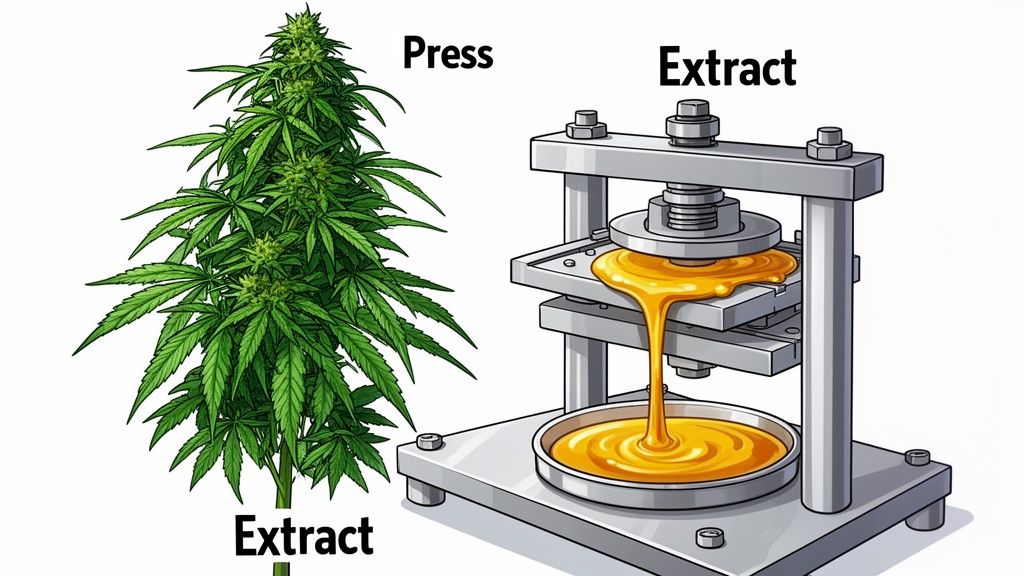
For a small home setup, solventless extraction is usually the clearest place to start. That means using heat and pressure to collect resin, instead of working with chemical solvents. The method many growers begin with is rosin pressing because it keeps the process close to the flower you already know.
What rosin pressing really is
Rosin pressing works a lot like squeezing juice from fruit, except here you are pressing resin from flower or hash. Controlled heat softens the resin. Pressure pushes it out. What you collect is a concentrated form of what the plant already had.
That last part is easy to miss.
Extraction does not magically create flavor quality. It reveals what was already there, then condenses it. If the flower smells flat, the pressed material rarely becomes impressive later. If the flower has a clear, lively aroma and a greasy resin feel, you have a much better shot at a vape oil worth loading into a pen.
Why seed choice shows up at extraction time
This is the piece a lot of dispensary-style guides skip. Vapor quality starts earlier than pressing day. It starts with the cultivar you chose to grow.
Some plants are great jar flower but average press material. They may grow dense buds, cure well, and still give you a darker or less aromatic extract than you hoped for. Other cultivars seem built for vaping. They stack resin heavily, keep a strong nose through drying and cure, and give you material that still tastes like the plant after concentration.
For a home grower, that means seed selection is part of vape planning. If you want better pen sessions later, look for cultivars known for loud aroma, sticky trichome coverage, and resin production, not just bag appeal or raw yield.
A practical home-grow workflow
Keep the process simple at first.
- Set aside your best cured flower. Pressing lower-grade leftovers often gives lower-grade results.
- Start with a small test press. A little sample tells you a lot about smell, texture, and how the cultivar behaves under heat.
- Check the color and aroma. You want something that still smells like the plant, not something dull or scorched.
- Let the result guide your next move. A fragrant, workable extract may suit a pen project. A disappointing one may be better left as flower for a dry herb vape.
That test-batch mindset saves frustration. It also teaches you which cultivars in your own garden are worth growing again for vaping, and which ones shine more in the jar than in a cartridge.
Why extraction is only half the job
New growers often focus so hard on the press that they forget the concentrate still has to work inside real hardware.
Pen setups are pickier than flower. Oil that is too thick can clog. Oil that does not flow well can give weak pulls. Poor hardware can mute the flavor you worked to preserve. So the goal is not just making rosin. The goal is making material that behaves well enough for the vape format you chose.
That is why many home growers treat extraction like recipe testing. Same plant, different cure, different press, different result. A cultivar that tastes amazing in a dry herb vape may need more trial and error before it becomes a satisfying pen experience.
Why growers enjoy this part
Turning your own harvest into vape-ready concentrate closes the loop in a satisfying way. You chose the seed. You grew the plant. You dried and cured it. Then you shaped the final experience instead of letting a dispensary decide it for you.
That control is a key appeal.
Tip: Keep some of the same cultivar as flower and press only a portion. Comparing the dry herb version to the extract version is one of the fastest ways to learn whether a plant deserves a spot in your future vape garden.
Mastering Your Vaping Experience
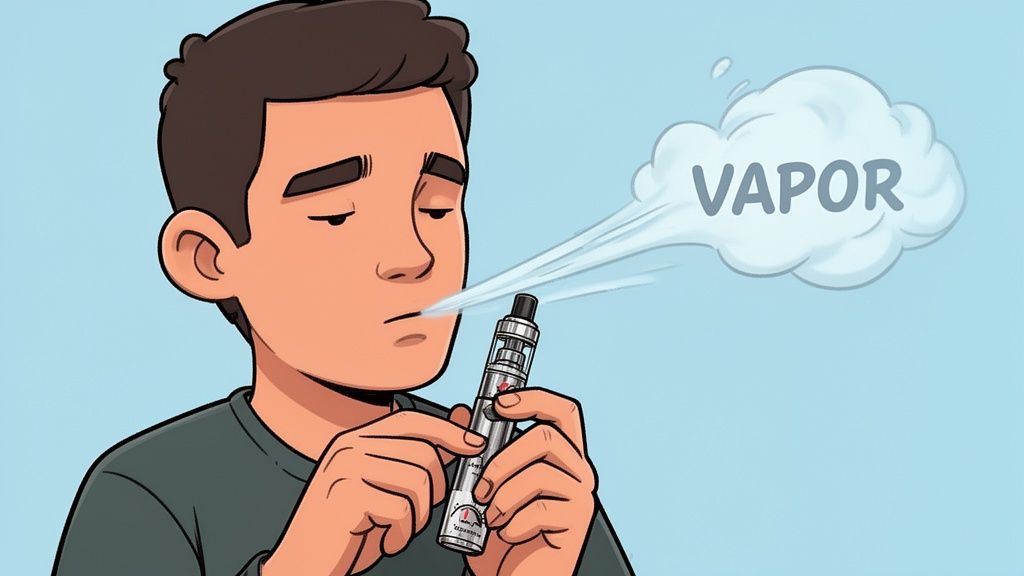
You finish curing a plant you raised from seed, load your vape, take a hot first pull, and all you get is warm air and a flat taste. That moment frustrates a lot of home growers. The flower was good. The problem is usually the session setup, not the harvest.
A cannabis vape rewards small adjustments. Heat, draw speed, and pacing all shape what you notice in the vapor. If you grew with flavor in mind, this is the stage where that work finally shows up.
Start lower than you think
High heat often gives bigger clouds, but bigger clouds are not always better feedback. If you start too hot, the session can blur together and cover up the traits that made you keep that cultivar in the first place.
Lower settings usually make it easier to catch the first layer of flavor. Citrus, pine, sweet notes, floral edges, and light spice often show up earlier there. Then, as heat rises, the session gets thicker and heavier.
A good way to picture it is cooking on a stovetop. Low heat lets you notice ingredients one by one. Blast the pan right away and everything rushes together.
Use temp stepping
Temp stepping is a simple habit that helps growers learn what their own flower offers in vapor form. Start at a lower setting, take a few pulls, then raise the heat one step at a time.
You are sampling the same plant in layers.
That matters if you are comparing keeper plants from your garden. One cultivar may taste bright and sharp at the low end, then turn creamy or earthy later. Another may stay narrow the whole way through. Those differences help you decide what deserves space in the next run if vaping is your main goal.
A practical way to do it
- First stage: Start low and take light draws. Pay attention to aroma and the first clear flavor notes.
- Second stage: Raise the setting one notch. Look for more body, more vapor, and any shift in taste.
- Final stage: Finish warmer only if you want the last pulls from the chamber or cart.
That method gives you better readouts than starting hot and trying to guess what you missed.
Match your inhale to the device
A vape usually works better with a slow, steady draw than a hard pull. New users often inhale the way they would from a joint or pipe, and that can throw the session off.
Dry herb vapes like consistency. A smooth draw helps the chamber stay evenly heated so the flower cooks at a more even pace. Oil carts also respond better to a gentler pull, which can help avoid thin vapor, harsh flavor, or flooding.
If the vapor feels weak, change one thing at a time. Slow the draw first. Then adjust heat if needed.
Tip: A lot of “bad vapor” complaints come from technique, not bad flower. Before blaming the cultivar, try a slower inhale and give the device a moment to work.
Learn your cultivar by vaping it
Vaping is one of the best tools a home grower has for selection. Smoking can flatten differences. Vaping often makes them easier to sort out.
That is useful if you are choosing between phenos from the same pack. One plant may smell great in the jar but lose its charm in the vape. Another may look less impressive on the outside yet open up with clear, layered flavor once heated gently. If your end goal is a better cannabis vape, those are the plants worth remembering.
This is the part many dispensary guides skip. Vapor quality does not begin at the device. It starts much earlier, with the seeds you choose, the plants you keep, and the traits you decide to breed or grow again. A cultivar that finishes clean, holds aroma through cure, and stays expressive at lower vape temps is often a better long-term fit for a home vape garden than one selected only for bag appeal or raw yield.
A quick visual walkthrough helps if you are still getting used to the basics:
Keep your sessions smaller at first
Small sessions make it easier to read the plant clearly. If you take too many pulls too fast, every cultivar starts to feel more alike than it really is.
Try this approach when testing a new cultivar:
| Step | What to do | Why it helps |
|---|---|---|
| First pull | Take one small draw | Gives you a clean starting point |
| Pause | Wait before taking another | Lets you judge flavor and strength without stacking too fast |
| Adjust | Raise heat or take another draw only if needed | Keeps the session controlled and easier to compare |
That slower pace is practical, especially if you are testing your own harvest side by side. It helps you answer the question that matters most to a grower. Does this plant deserve another round if vaping is how you plan to enjoy it?
A Smart Approach to Vaping Safety and Maintenance
The safest move in this whole category is simple: know what is in the device.
That is one reason home growers care so much about source material. If the flower came from your own tent, and the concentrate came from your own flower, there is less guesswork.
Why source control matters
The biggest public warning around cannabis vape products came during the EVALI outbreak. As of January 2020, there were 2,668 confirmed cases and at least 68 deaths across U.S. states, with the outbreak predominantly linked to cannabis products and strongly tied to vitamin E acetate in illicit THC vape products, as summarized in this review on vaping-related lung injury and cannabis vaping patterns.
For a grower, the practical lesson is not panic. It is source control.
If you know the flower, know the extraction method, and know the hardware, you cut out a lot of the uncertainty that comes with mystery carts and flashy labels.
Vaping can feel stronger than smoking
Another reason to slow down is intensity. The same review describes a 2018 Johns Hopkins study where infrequent users reached higher blood THC levels from vaping than smoking at equivalent doses.
You do not need the lab numbers to understand the practical takeaway. A cannabis vape can hit harder than expected, especially if you are new to it or switching from flower smoking.
Basic maintenance keeps the experience clean
Poor maintenance does not just hurt flavor. It creates avoidable problems like restricted airflow, stale residue, and clogged passages.
Keep the routine simple:
- Clean the mouthpiece often: It is the first place residue builds up.
- Store carts upright: This helps oil settle correctly and can reduce leaks.
- Brush out dry herb chambers: Old material makes fresh flower taste tired.
- Charge smart: Do not run your battery into the ground every session if you can help it.
- Stop using damaged carts: Cracks, leaks, or burnt taste are your cue to replace them.
A safer mindset for home growers
A smart vaping setup is not about buying the fanciest device. It is about removing unknowns.
That means:
- using flower you trust,
- keeping the device clean,
- starting with small pulls,
- and paying attention when the hardware starts acting off.
Key takeaway: The more control you have over your plant, your extract, and your gear, the fewer surprises you invite into the session.
How to Pick a Cultivar Perfect for Vaping
If marketing around vapes feels noisy, that is because it often is. Devices get sold on sleek design, big promises, and vague flavor language.
The more reliable way to get what you want is to work backward from the plant.
A review of digital cannabis promotion points to how messy online product marketing can be, and the clearest answer for growers is still genetics. This article on cannabis marketing and product messaging supports that basic idea. If you want a certain aroma and vibe, start with a cultivar known for those traits.
If you want to dry herb vape
Look for cultivars described with clear aromatic character. Fruit, gas, pine, floral, spice, dessert, skunk. Whatever profile you enjoy, choose seeds that are known for it and then dial in your dry and cure.
Dry herb vaping rewards cultivars with expressive terpene profiles because you are using the flower directly. The cleaner the expression in the jar, the more you tend to notice it in the device.
If you want to make rosin for pens
Shift your focus a little. You still care about aroma, but you also want resin production.
Look for cultivar descriptions that suggest:
- Heavy frost: A good sign for concentrate potential.
- Sticky flowers: Resin-rich material is often more interesting for pressing.
- Dense aroma that carries through handling: If the smell drops off fast, the final result may feel flatter too.
Use labels as clues, not guarantees
Seed descriptions are useful, but they are still descriptions. Your environment, dry room, cure, and selected phenotype all shape the final result.
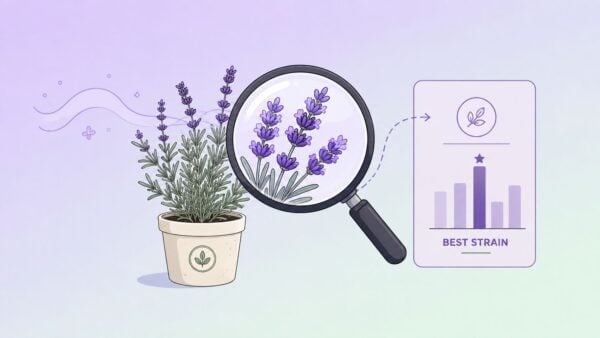
That is why comparison tools matter. You can sort by flowering time, growth pattern, and flavor family, then choose cultivars that fit both your setup and your preferred vaping style. If you are still narrowing your options, this guide on indica vs sativa vs hybrid can help you think through broad growth habits and overall session vibe without getting lost in hype.
A simple way to choose
Ask yourself these three questions:
- Do I want direct flower flavor or concentrate convenience?
- Do I like loud, specific aromas or more classic earthy profiles?
- Do I want a compact, fast-finishing plant or a cultivar I am happy to spend more time dialing in?
Those answers usually point you toward the right seeds faster than any flashy vape ad ever will.
Common Questions About Cannabis Vapes
Many beginner questions around cannabis vape gear are practical, not technical. That is normal. Many problems come down to device choice, maintenance, or expectations.
Quick Answers to Your Vape Questions
| Question | Quick Answer |
|---|---|
| Should I start with a pen or a dry herb vape? | Start with a dry herb vape if you mainly want to use your cured flower. Start with a pen if you already make concentrates or want more portability. |
| Does vaping smell as strong as smoking? | Usually less lingering and less smoky, but it is not odor-free. The cultivar still matters. |
| Why does my cart clog? | Thick oil, cold temperatures, hard pulls, or weak hardware can all cause clogging. |
| Why does my vape taste burnt? | Heat is often too high, the cart may be low, or residue has built up in the chamber or mouthpiece. |
| How often should I clean my device? | Light cleaning often works better than deep cleaning rarely. A quick wipe or brush after a few sessions prevents buildup. |
| Do I need special flower for a dry herb vape? | No, but well-cured flower works much better than material that is too wet or poorly stored. |
How do I fix a clogged cartridge
This is probably the most common frustration with oil pens.
Try the easy fixes first:
- Warm the cart gently: Hold it in your hands for a minute so the oil loosens a bit.
- Take a soft primer pull: Inhale gently without forcing it.
- Check the battery connection: A dirty contact point can make the cart seem clogged when it is really not firing well.
- Store it upright next time: Oil that settles unevenly can create airflow issues.
If it keeps happening, the problem may be the hardware itself, not you.
Is a more expensive device always better
Not always. The best device is the one that fits your routine and handles your material well.
A simple, reliable 510 battery can be enough for someone using quality carts. A serious home grower who wants to compare cultivars may get more value from a good dry herb unit with stable heat control.
How long does a session take
That depends on the device and your pace. Dry herb sessions often feel more like a short ritual. Oil pens can be much quicker.
The bigger point is to stop chasing speed. Vaping gets better when you slow down enough to notice the cultivar.
Where can I learn the basics without overcomplicating it
If you still have beginner questions about home growing and seed selection, the Botanist Seeds FAQ page is a good place to clear up the common stuff before your next run.
Tip: The best way to learn your cannabis vape setup is to change one variable at a time. New cultivar, same device. Or same cultivar, different temperature. That makes the differences easier to understand.
If you want your next jar to taste as good in a vape as it smells in cure, start at the beginning, with strong genetics. Botanist Seeds makes it easier to compare cultivars by growth style, flavor profile, and harvest goals, so you can choose seeds that fit your setup and the kind of vaping experience you want.