




Pistils 101: Reading Your Plant for a Better Harvest
You're in late flower, staring at a bud, trying to decide whether those little hairs mean “almost there” or “give it another week.” That moment gets a lot of growers. You've done the watering, the feeding, the trimming, the waiting. Now the plant is giving signals, and the trick is knowing which ones matter.
Pistils matter because they're one of the easiest plant signals to read without fancy gear. They won't tell you everything, but they tell you a lot. If you learn how to read them properly, you stop harvesting by guesswork and start harvesting with intent.
A lot of growers hear one rule and stick to it: wait until most pistils are brown. That's not useless advice, but it's not the full story either. Heat can throw pistils off. Some cultivars color up early. Humidity can fake you out. If you only know the basic rule, you can still miss your best window.
Your Plant Is Talking What Are Pistils
The first time you notice pistils, it usually happens fast. One day you're looking at fresh flower sites, and the next day there are tiny white hairs pushing out. That's your plant switching from general growth into a more serious flowering mode.
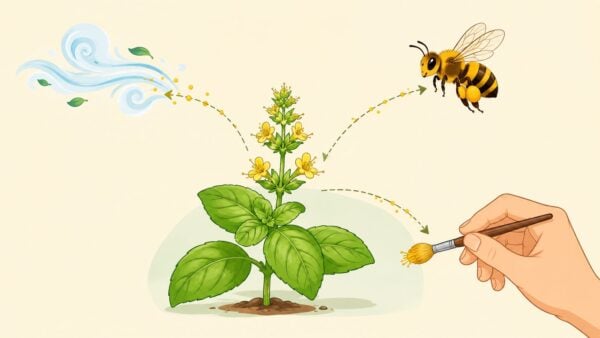
Pistils are the female reproductive structures on cannabis flowers. Their biological job is to collect pollen, but in grows focused on flower production they become something even more useful: a built-in ripeness signal. As explained in this plain-language pistil glossary, pistils shift from white to darker shades as the plant matures, and growers use that color change to help time harvest.
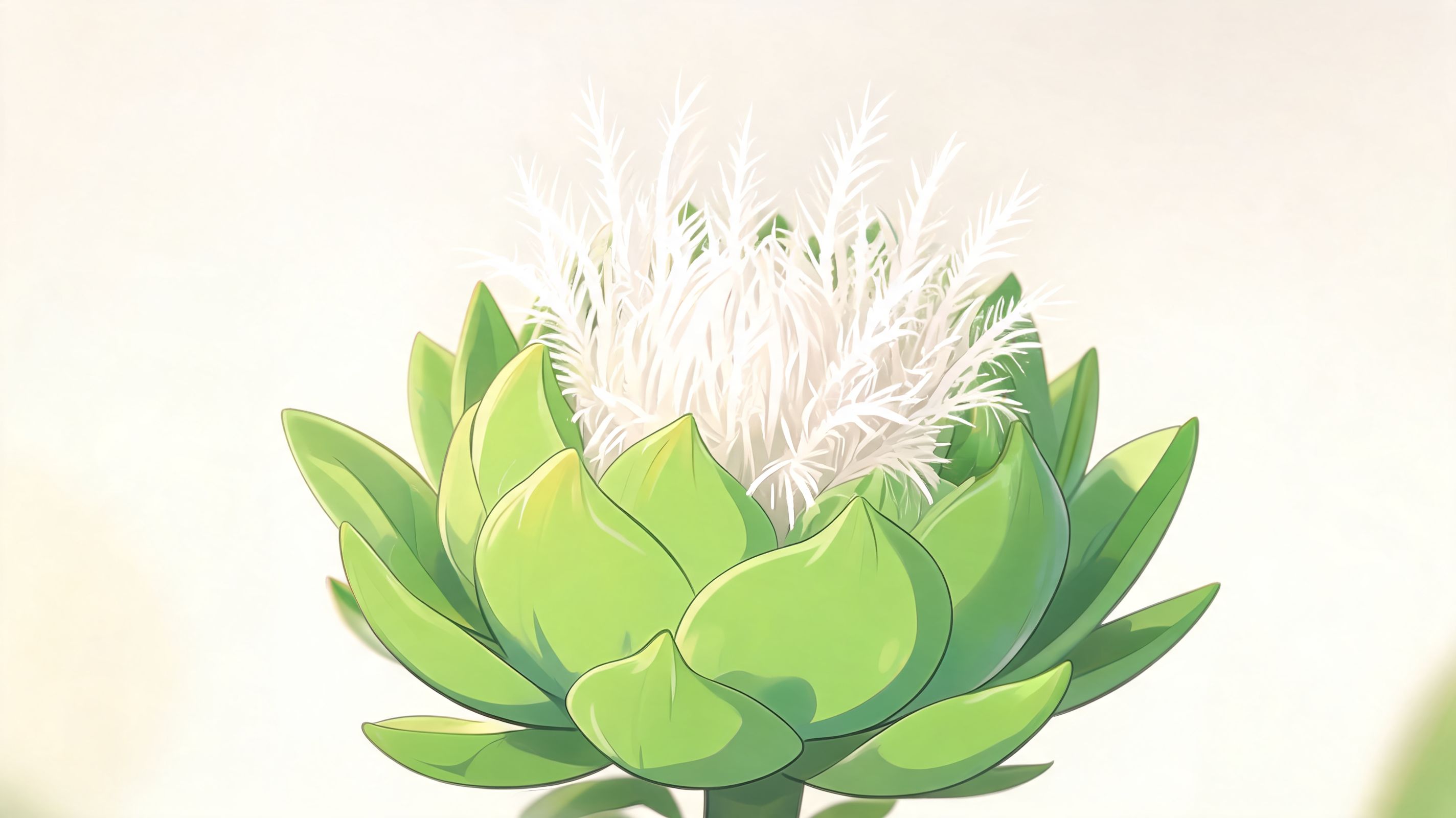
Think of pistils like the plant's dashboard lights. They don't replace the whole inspection, but they tell you where the process stands. Fresh white pistils usually mean the flower is still building. Darker, curled pistils mean the bloom is moving deeper into maturity.
Why home growers should care
If you're growing feminized or autoflower cultivars at home, pistils are one of the first easy clues that you're on track. You don't need a lab. You don't need years of experience. You just need to watch the plant consistently.
That's also why it helps to understand the full stages of growing cannabis. Pistils make more sense when you see them as part of the whole flowering timeline, not as a random visual detail.
Practical rule: Don't treat pistils like decoration. They're active plant signals, and they often tell you more than the calendar does.
What they look like in real life
Pistils show up as fine hair-like extensions on the flowers. Early on, they're usually bright and pale. Later, they darken and pull back toward the bud. That change is why growers pay so much attention to them. It's one of the clearest visual ways to judge whether a plant is still building or getting close.
How to Read Pistil Color for Harvest Time
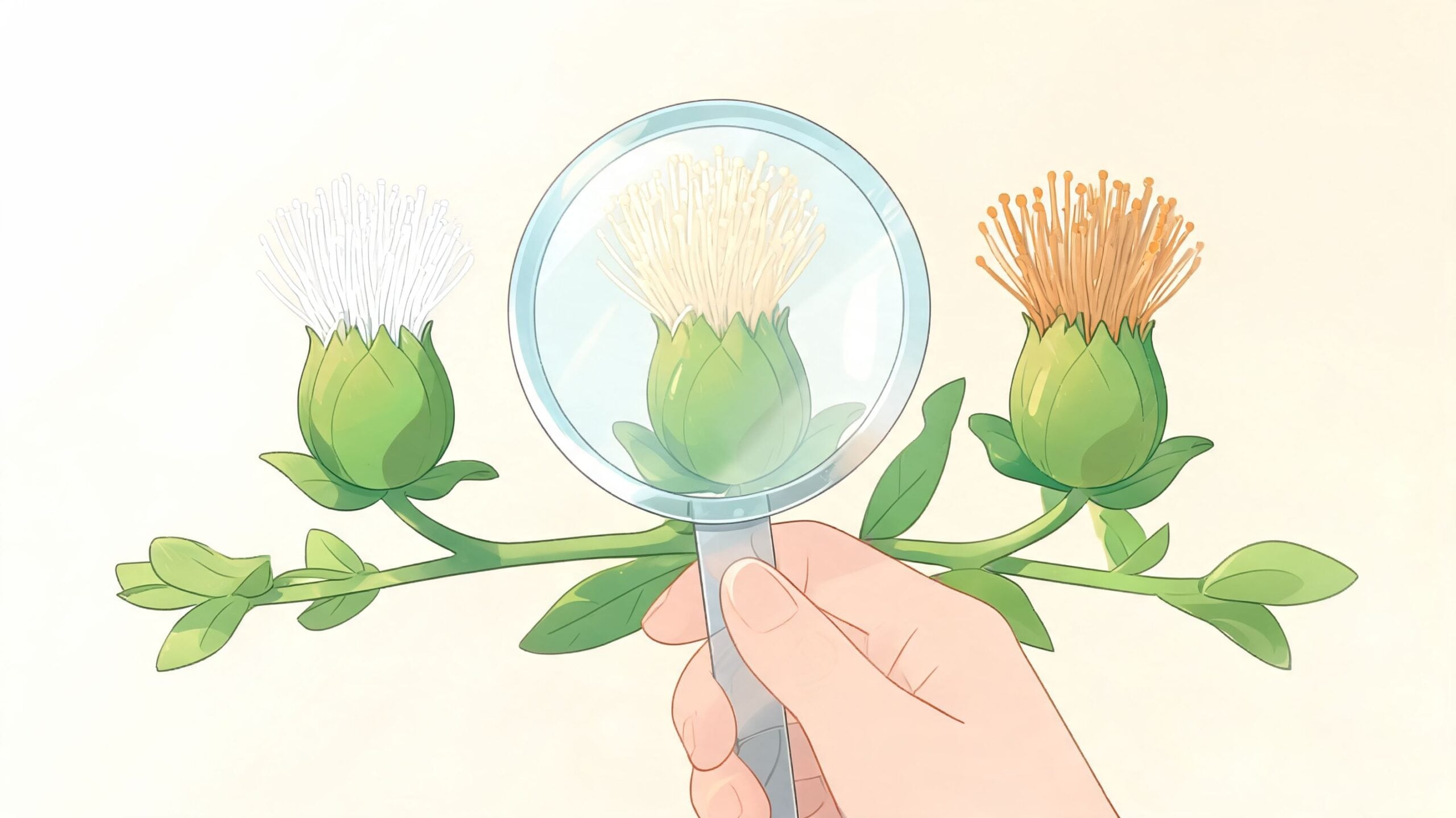
The easiest way to use pistils is to follow their color progression without turning it into a rigid rule. White means early. Darkening means maturity is advancing. Brown and amber tones usually mean you're in or near the harvest window. The useful part is reading that change across the plant, not obsessing over a single hair on one top bud.
This visual gives the basic timeline at a glance.
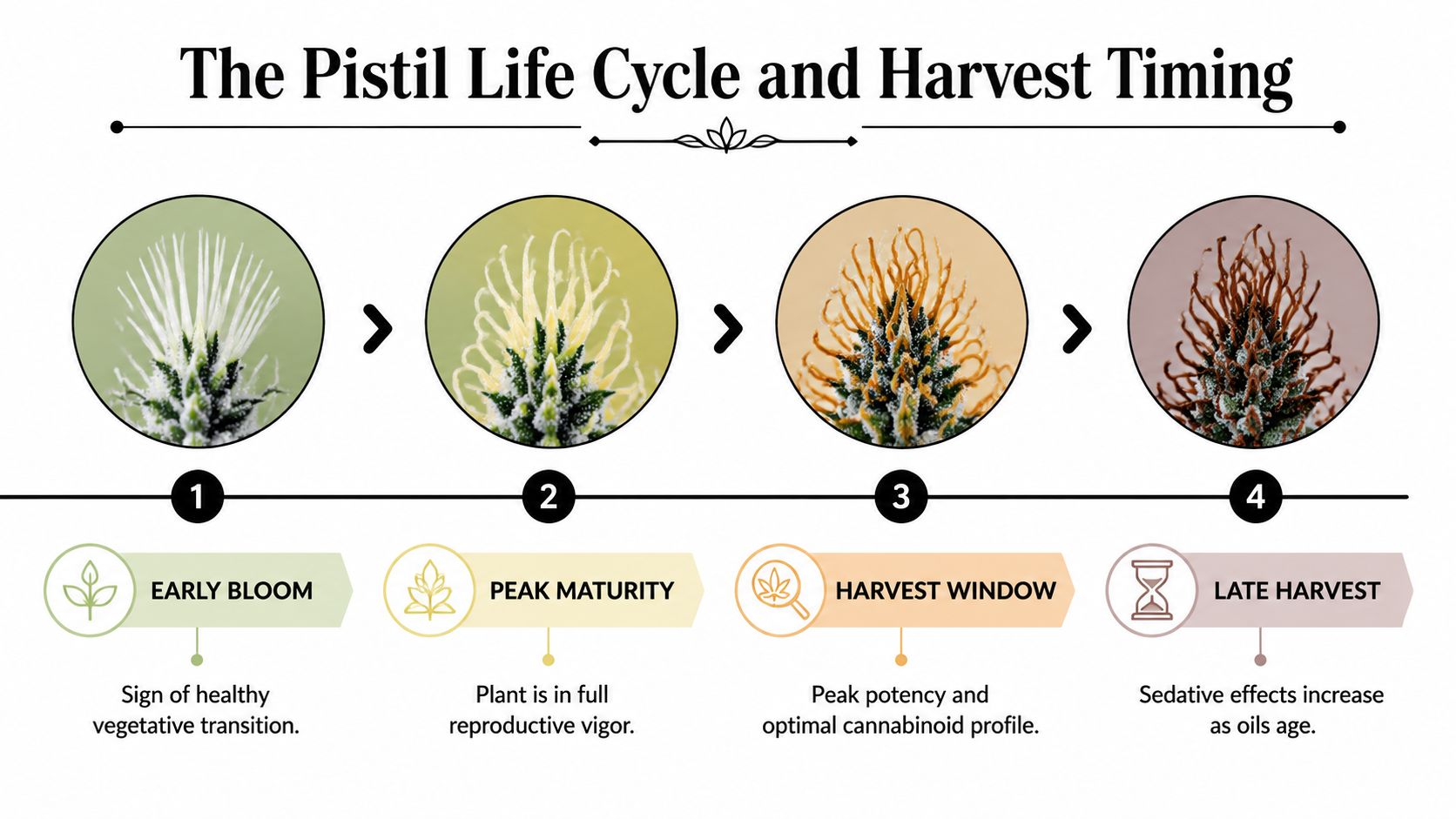
According to Britannica's explanation of pistil maturity, the pistil's shift from white to amber or brown is a clear visual indicator of flower maturity, and peak development is typically reached as pistils darken.
What each stage usually means
The biggest mistake is treating all dark pistils the same. A plant with fresh white hairs everywhere is still pushing growth. A plant with mostly darkened, receding pistils is speaking a very different language.
| Pistil Appearance (Approx %) | Stage | Expected Vibe & Aroma |
|---|---|---|
| Mostly white | Early flower | Brighter, greener aroma profile, flower still filling out |
| Mixed white and darkening pistils | Mid to late flower | Fuller aroma, more developed character, often where growers start watching closely |
| 50 to 90% darkened | Harvest window | Balanced to richer expression, depending on cultivar and your preference |
| Mostly dark brown, shriveled, receded | Late harvest | Aroma can feel heavier or flatter, overall expression may feel more aged |
That 50 to 90% darkened range comes from the earlier pistil glossary reference, where many growers target that window depending on the result they want. If you want more detail beyond pistils alone, this guide on when to harvest cannabis helps put the timing in context.
Read the plant, not just the percentage
The percentage rule is useful because it gives you a frame. It gets dangerous when growers treat it like law. One cultivar may look ready at the early end of the range because the flowers have finished swelling and the aroma is right where you want it. Another may still need time even if a lot of pistils have already changed color.
Don't harvest because one forum post said “70% brown.” Harvest because your plant is showing a mature pattern across multiple buds.
A short video can help if you're more visual when learning the difference between fresh and mature pistils.
The trade-off most growers learn the hard way
Harvest a little early and the cultivar can feel sharper, livelier, and less fully expressed in its aroma. Wait longer and you may get a deeper, heavier overall vibe, but you also risk moving past the sweet spot if the flowers start aging out. There isn't one perfect answer for every grow room or every palate.
That's why pistils work best as a timing tool tied to your goal. If you like brighter, louder top notes, you may choose the earlier side of the window. If you like a more mellow finish, you may wait until more pistils have curled in and darkened.
Common Pistil Myths and Growing Mistakes
The biggest pistil myth is simple: color always means maturity. Sometimes it does. Sometimes it absolutely doesn't. If you've ever cut a plant because the hairs looked done, then felt like the flower was a little undercooked, this is probably why.
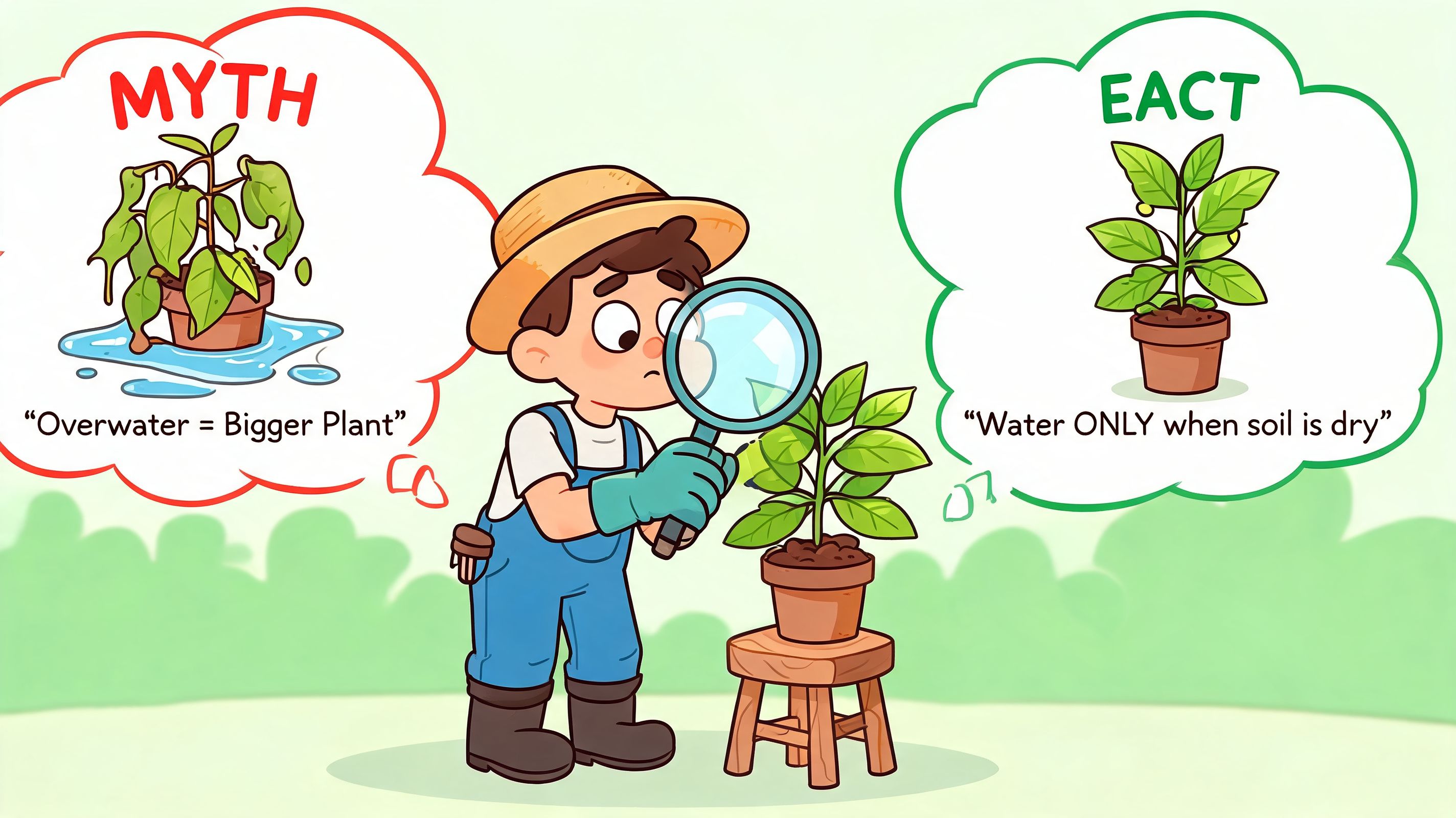
A useful grower warning comes from this discussion of pistil abnormalities and false maturity signals. It notes that pink or orange pistils aren't always a ripeness cue. Genetics or humidity swings can trigger those colors early, and that can lead to a premature harvest and a 15% drop in potency. The same source also notes that heat stress above 35°C can cause pistil abortion, which growers often mistake for pest damage.
Myth one, the brown pistil rule is universal
The classic “brown pistils mean chop time” advice works as a rough shortcut. It falls apart when the cultivar naturally throws unusual pigmentation early. Some plants just color faster. Some show pink, peach, or orange tones before the flower is finished.
That's why experienced growers watch for a pattern, not a single color shift. Ask a few basic questions:
- Are the pistils darkening evenly, or did a sudden change show up after a spike in humidity or heat?
- Are fresh white pistils still shooting out, especially from the middle and lower flower sites?
- Do the buds look like they're still swelling, even though the hairs on top look older?
If the answers are mixed, you probably need more time.
Myth two, ugly pistils always mean pests
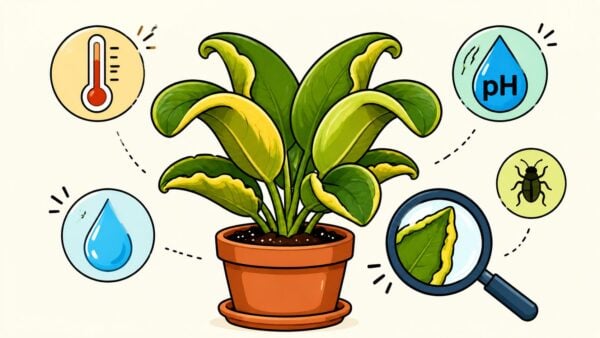
Sometimes damaged pistils do point to a real problem, but heat gets blamed far less than it should. When temperatures climb too high, pistils can dry, deform, or abort. That can make buds look odd and patchy, especially in tents or outdoor grows during warm spells.
Field note: If the room got hot and the pistils suddenly look burnt, twisted, or sparse, check your environment before you start chasing phantom deficiencies.
What works here is boring but effective. Lower canopy temperature. Improve airflow. Take direct intensity off the top of the plant if needed. In outdoor setups, some growers use simple shading during the hottest part of the day rather than letting flowers cook and hoping they bounce back.
Myth three, one cola tells the whole story
Top buds mature differently from lower flower sites. They get more light and often more heat. If you judge the whole plant by one flashy top, you can cut before the rest of the canopy is where you want it.
A better approach is to compare several flowers across the plant and look for consistency. When the upper, middle, and lower sites tell a similar story, your call gets a lot more reliable.
What actually works
Here's the short version growers can use right away:
- Use pistils as a guide, not a verdict: They're great for timing, but they're easiest to misread when stress is involved.
- Track environmental swings: Heat and humidity can change pistil behavior fast.
- Learn your cultivar: Some plants naturally throw colors that look “done” before they really are.
- Watch for new growth: Fresh white hairs late in flower often mean the plant is still active.
That last point saves a lot of harvest regret.
Using Pistil Knowledge to Select Better Seeds
A lot of harvest problems start long before flowering. They start with seed choice. If you pick a cultivar without thinking about how it matures, you can end up fighting your plant the whole way, especially if your climate, tent height, or schedule is tight.
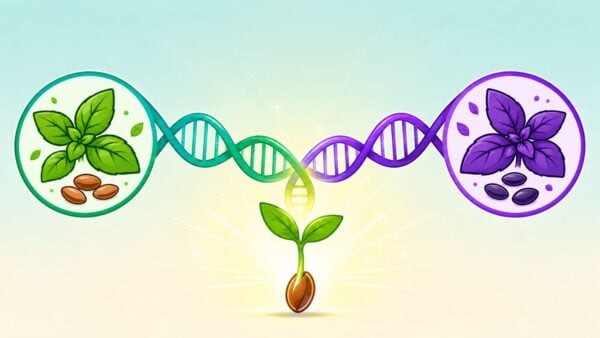
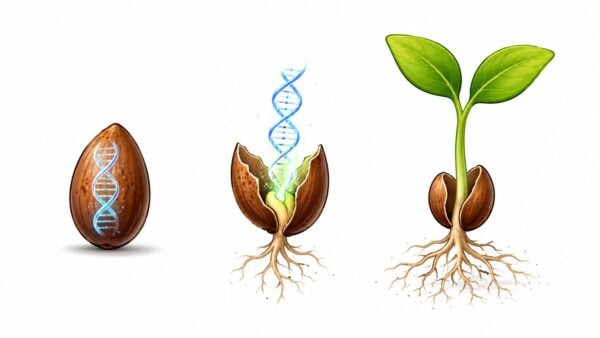
Research on plant development shows that pistil traits like hair density, pigmentation patterns, and development timing are heritable and influenced by multiple genetic loci, which helps explain why different cannabis cultivars show such different flowering behavior. That's covered in this molecular overview of pistil development and heritable traits.
What that means for a home grower
Not every cultivar provides clear or simple visual signals. While some remain orderly and easy to interpret, others change color prematurely, develop in unusual clusters, or mature at inconsistent rates. For growers with a basic setup who prefer fewer complications, prioritizing genetics that demonstrate a consistent and predictable flowering progression is a strategic choice.
That's one reason growers lean toward feminized seeds for home runs. The process is simpler, and it's easier to focus on the flowering behavior you care about, like how a cultivar structures its buds and how clearly it signals maturity.
Match the cultivar to the conditions
Think in practical terms:
- Short outdoor season: You want a cultivar that finishes without dragging late into rough weather.
- Warm room or hot climate: You want something less likely to become confusing under stress.
- Flavor-first harvest style: You want a cultivar with a harvest window that's easy to read and repeat.
Genetics set the tone. Your environment shapes the performance, but the plant still brings its own habits to the room.
Better planning means fewer bad guesses
Seed shopping gets a lot easier when you stop asking only “What sounds good?” and start asking “How does this cultivar behave in flower?” That shift saves time, cuts frustration, and makes your harvest calls more repeatable. For hobby growers, that's huge. You're not trying to win a guessing contest. You're trying to grow something you'll be proud to jar up.
A Practical Guide to Inspecting Pistils
Good pistil reading starts with how you look. Plenty of growers know the theory, then sabotage themselves by checking one top bud under bad lighting and calling it done.
For a more accurate read, inspect multiple flower sites, not just the top colas. The underlying flower structure matters. In botanical terms, healthy pistil development reflects overall plant vigor, and in seed production contexts, strong plants can produce 400 to 800 seeds depending on pollination efficiency and genetics, which is a useful reminder that pistil health says something real about the plant's overall capacity, as noted in this flower structure reference.
A simple inspection routine
Use the same process each time so your eye gets sharper:
- Check under consistent light. Room lights or natural daylight are better than weird blurple spill or a harsh flashlight blasting one bud.
- Start at the top, then move lower. Compare the main colas to middle and lower flowers.
- Look for trends, not oddballs. One browned-off pistil cluster doesn't mean much by itself.
- Use a jeweler's loupe or phone macro lens. Cheap tools are fine if they help you see the hairs clearly.
- Repeat every few days near the finish. Patterns are easier to trust when you've watched them develop.
What you're actually checking for
Don't just ask whether the pistils are white or brown. Look at the whole behavior of the flower.
- Color shift: Are they gradually darkening, or did they change suddenly after stress?
- Recession: Are they curling back into the bud, or still standing fresh and straight?
- Density: Do the flower sites look healthy and active across the plant?
- New pistil push: Is the plant still throwing lots of fresh white hairs?
If the plant is still pushing a lot of fresh growth, it usually hasn't finished saying what it has to say.
Small tool, big difference. A loupe turns “I think it's close” into “I know what I'm seeing.”
Your Harvest Your Call
Pistils are one of the clearest ways a cannabis plant communicates, but they work best when you read them with a little context. White pistils usually mean building. Darkening pistils usually mean maturity is moving forward. Weird color changes after heat or humidity swings can mean something else entirely.
That's the fundamental upgrade. You stop following one-size-fits-all harvest advice and start making decisions based on your plant, your environment, and the kind of final result you specifically want. That's where confidence comes from.
There's also a lot of satisfaction in getting this part right. You save yourself the dispensary line, keep more money in your pocket, and end up with jars that came from your own work and your own judgment. That feels good every single time.
A successful harvest isn't about memorizing one rule. It's about learning the language of the plant, then making the call that fits your setup.
If you're planning the next run, Botanist Seeds makes it easy to compare cultivars and choose genetics that fit your space, schedule, and growing style. A better harvest starts with better seed selection, and the right cultivar can make pistil reading a whole lot easier.