




Drought Resistant Seeds: Grow Strong in 2026
You can feel a rough summer coming before it lands. The mornings are already warm, the pots dry out fast, and every forecast seems to hint at another long stretch of hard sun. If you're growing at home in a hot climate, that kind of weather can make even a solid setup feel shaky.
That's usually the moment people start looking for drought resistant seeds. Good move, but the label alone doesn't save a grow. What matters is matching the right cultivar to your space, your watering habits, and the kind of heat your yard or patio gets.
A lot of hobby growers learn this the expensive way. They pick something with a catchy description, run it in small containers, water too often, and then spend the hottest weeks watching leaves curl while the water bill climbs. The better path is simpler. Start with genetics that handle stress well, build soil that hangs onto moisture, and use timing to avoid the worst weather instead of fighting it head-on.
That's how you get a harvest you're proud of, keep more control over your supply, and skip the tax hit and dispensary line at the same time.
Growing Confidently in Hot and Dry Weather
Hot weather doesn't ruin grows by itself. Bad planning does.
A home grower in a dry climate usually runs into the same stack of problems at once. Containers heat up by noon. Surface watering disappears fast. Afternoon sun hits harder than expected. Then the plant starts drooping, and the grower reacts by pouring on more water and more feed. That often makes things worse, not better.
Start with the stress you can prevent
The part that's easy to control is the starting point. Seed choice matters more in hot climates than people want to admit. If the cultivar already struggles with heat, weak root development, or rapid transpiration, you're spending the whole season trying to rescue it.
By contrast, a tough cultivar buys you margin. It handles dry spells better, keeps moving when the weather turns sharp, and gives you a more forgiving grow if life gets busy for a day or two.
Practical rule: In a hot climate, the easiest gallon of water to save is the one your plant never needed in the first place.
That's why smart growers treat drought resistance as a planning tool, not a buzzword. They don't just ask, “Will this plant survive?” They ask better questions:
- How fast does it finish
- How much root room does it need
- Does it keep its posture under heat
- Will it still perform if the top layer of soil dries quickly
Confidence comes from simple choices
There's also a mental side to this. Growing your own stash feels a lot better when you're not second-guessing every wilted leaf. You want a setup that works with your climate, not against it.
That's where modern feminized and autoflower cultivars earn their keep. Feminized seeds keep the path to harvest straightforward. Autoflowers add another advantage in dry regions, because they let you work around the calendar in a way many growers overlook. That timing edge matters just as much as raw toughness.
If your goal is a cleaner, lower-stress home grow, think less about miracle fixes and more about stacking boring wins. Pick resilient genetics. Keep the root zone cooler. Water with purpose. Stay ahead of heat spikes.
That's the whole game.
Choosing Cultivars That Shrug Off the Heat
The biggest mistake I see is treating drought resistant and drought tolerant like they mean the same thing. They don't, and that difference decides whether a cultivar fits your setup or fights it.
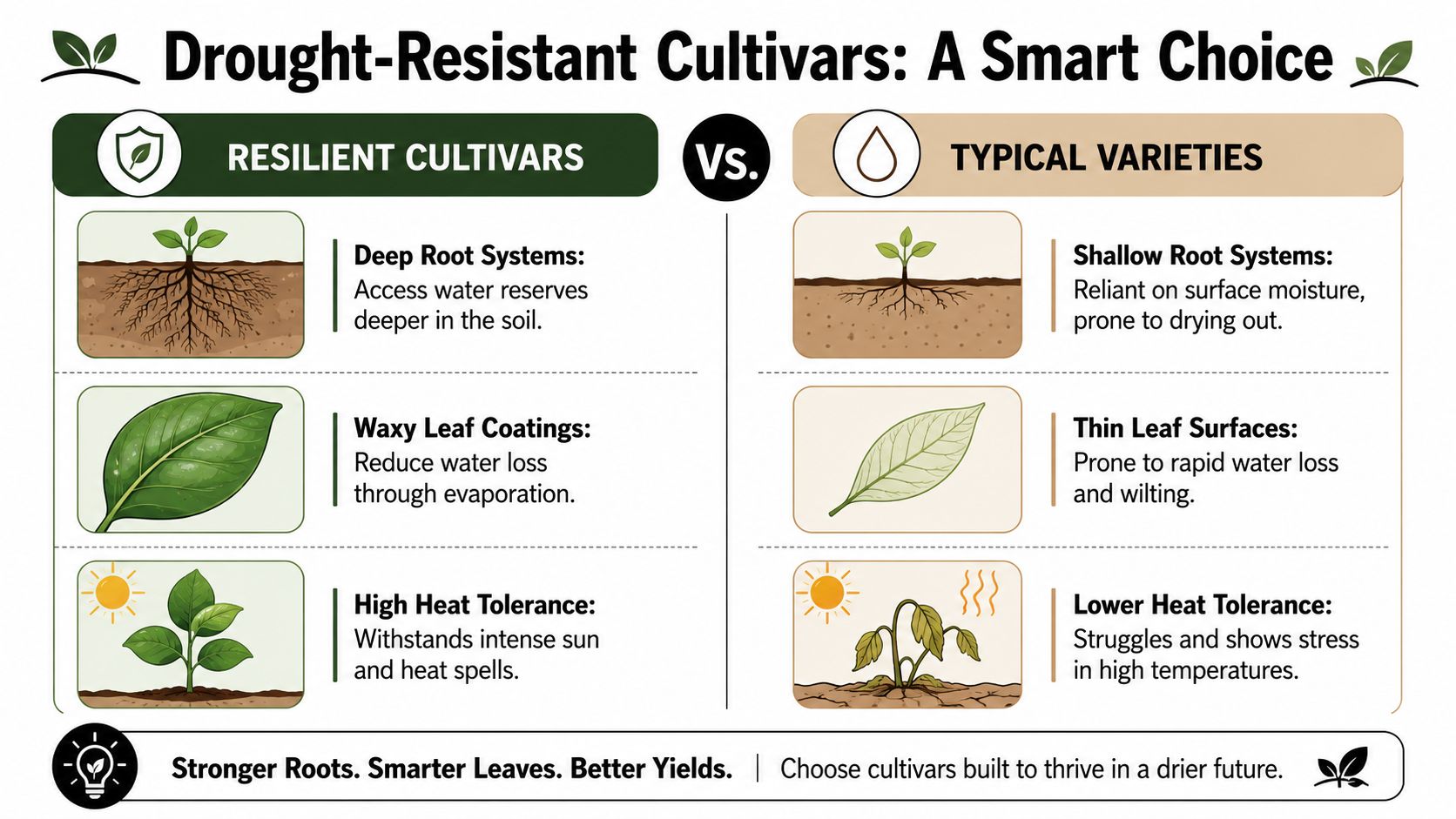
According to Bamert Seed's explanation of drought resistant versus drought tolerant plants, resistant plants often avoid drought effects with deep roots or water storage, while tolerant plants survive by going dormant or reducing metabolism. Choosing the wrong type for your soil conditions can lead to total crop loss.
What that means in a home grow
If you've got deep beds, big containers, and a soil mix that supports strong root development, a more drought resistant cultivar can make a lot of sense. These are the plants that avoid trouble by reaching moisture lower in the root zone and by limiting water loss better from the start.
If you grow in a shallower setup, or you rely on frequent harvest timing and steady production, a cultivar that leans more drought tolerant may not behave the way you want. A plant that survives stress by slowing down hard isn't always the plant that gives you the finish you were hoping for.
That's the nuance most seed descriptions skip.
Traits worth hunting for
When you're comparing cultivars, look for signs that the breeder selected for hot, dry performance rather than just general toughness.
A few green flags:
- Heritage from hot regions: Cultivars tied to arid or high-heat backgrounds often bring better stress handling.
- Compact but vigorous structure: In dry weather, a plant that builds manageable mass is often easier to keep happy than one that stretches aggressively.
- Leaf behavior under heat: Thick, less delicate foliage usually fares better than thin, thirsty growth.
- Fast finishing rhythm: Less time exposed to brutal weather means fewer chances for a summer grow to go sideways.
Specific heat-resistant cultivars such as Afghan and Hawaii are described as originating from hot climates and showing natural resistance to heat stress and pests, which is exactly the kind of background worth paying attention to when you're shopping.
A cultivar that survives your climate isn't enough. You want one that still grows with purpose in it.
Why autoflowers are a serious tool in dry climates
A lot of growers still treat autoflowers like they're only for beginners. That's outdated. In a hot climate, they're often the sneaky-smart option.
The advantage is timing. Autoflowers let you run a full cycle before the ugliest part of summer or squeeze one in during a friendlier window. That means you're not asking the plant to carry heavy flower production through the most punishing heat of the year.
If you're weighing the pros and cons, this breakdown of autoflowering vs photoperiod cultivars is useful for matching the plant type to your schedule and space.
Here's the short version:
| Setup | Better fit |
|---|---|
| Short season, exposed patio, fast turnaround | Autoflower cultivars |
| Larger space, more control, aiming for a fall finish | Feminized photoperiod cultivars |
For hot-climate home growers, I'd rather see a well-timed autoflower than a photoperiod cultivar forced through peak summer misery.
Building a Water-Wise Garden Foundation
Once you've picked the right cultivar, the next job is building a root zone that doesn't dry out the second the sun gets serious.
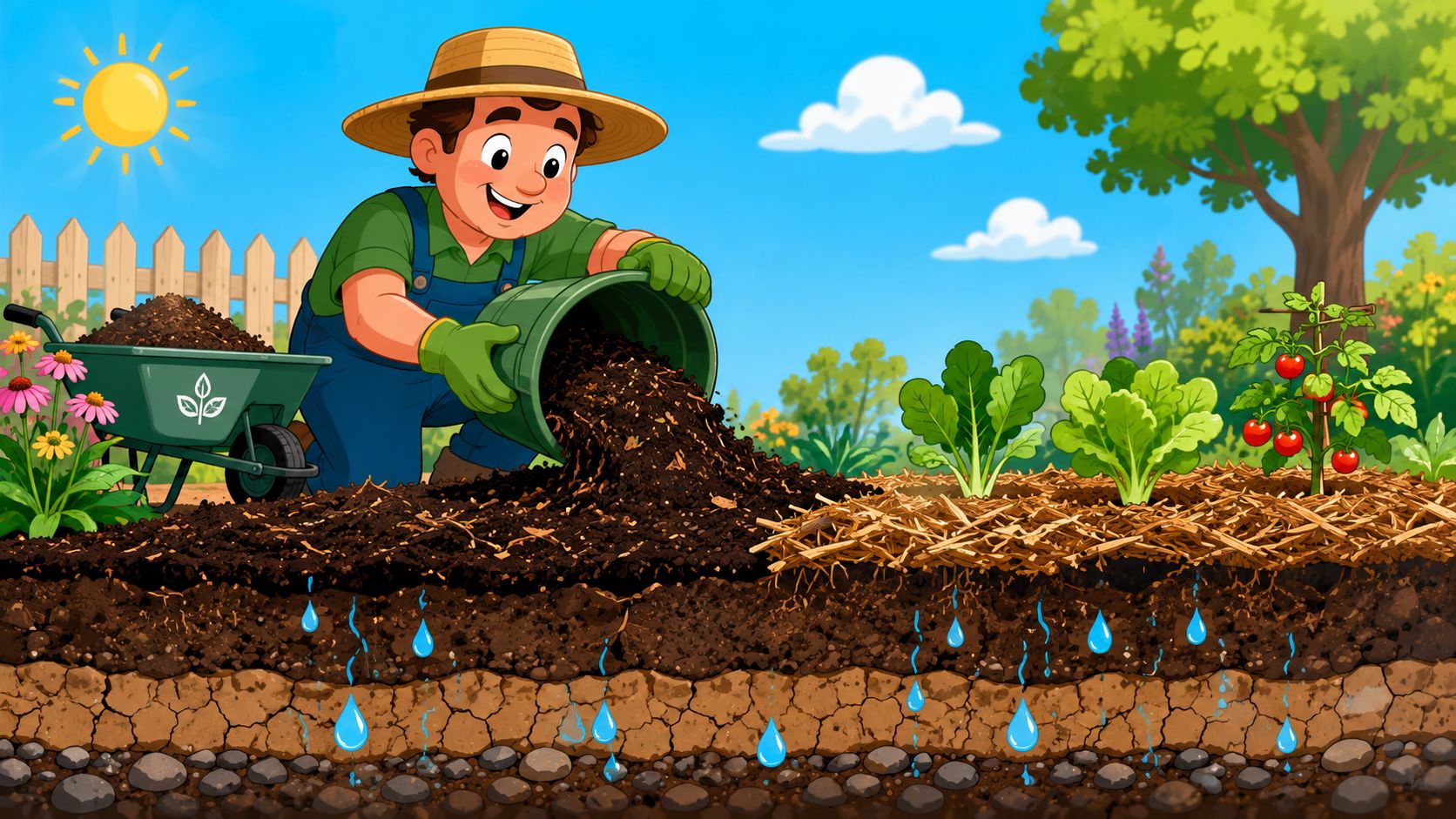
Dry-climate growers sometimes overfocus on the plant and ignore the container or bed. That's backward. A good root environment acts like a buffer. It holds moisture longer, keeps oxygen available, and reduces the stress swings that make plants stall out.
Build a mix that holds water without turning swampy
The goal isn't heavy mud. The goal is a mix that stays airy while still acting like a sponge. For a home grow, that usually means combining quality soil with moisture-holding inputs and structure-building materials.
A practical approach looks like this:
- Use compost for body: Compost improves water retention and helps the soil stay more stable through heat.
- Add coco coir for moisture management: Coco hangs onto water well and helps smooth out dry-down.
- Use perlite to keep air in the mix: Water matters, but roots still need oxygen.
- Skip ultra-cheap dense bagged soil: Those mixes often crust over, drain unevenly, or compact too fast.
If you're growing in the ground, loosen the planting area wider than you think you need. If you're in containers, size matters. Tiny pots in a blazing yard turn into ovens fast.
Mulch does more work than most growers realize
Mulch is one of the cheapest upgrades in a hot garden, and people still skip it. A thick layer on top of the soil cuts evaporation, softens temperature swings, and buys you time between waterings.
Good options include straw, clean leaf mulch, or another light organic top layer that lets water pass through. Keep it off the stem base, but don't be shy about coverage.
Field note: If the top of your potting mix looks baked and bare by noon, you're making the plant work harder than it needs to.
For a quick visual on improving the garden bed itself, this clip is worth a watch:
Containers need their own strategy
Fabric pots can work well in the heat because they improve airflow to the root zone, but they also dry faster than many new growers expect. That's the trade-off. If you use them, give yourself extra buffer with a better soil mix, mulch, and enough pot volume.
A few setup calls that usually help:
- Put pots where they get morning sun first
- Lift them slightly off hot concrete
- Avoid black surfaces that radiate heat back upward
- Group containers so they create a slightly cooler pocket together
The same logic applies to cultivar choice. Earlier, I mentioned hot-climate genetics. Cultivars such as Afghan and Hawaii are useful examples because they're associated with stronger performance under heat and lower-water conditions, which is exactly what you want your soil setup to support, not sabotage.
Smart Watering and Feeding for Resilience
Most struggling hot-weather grows aren't underwatered all season. They're watered poorly.
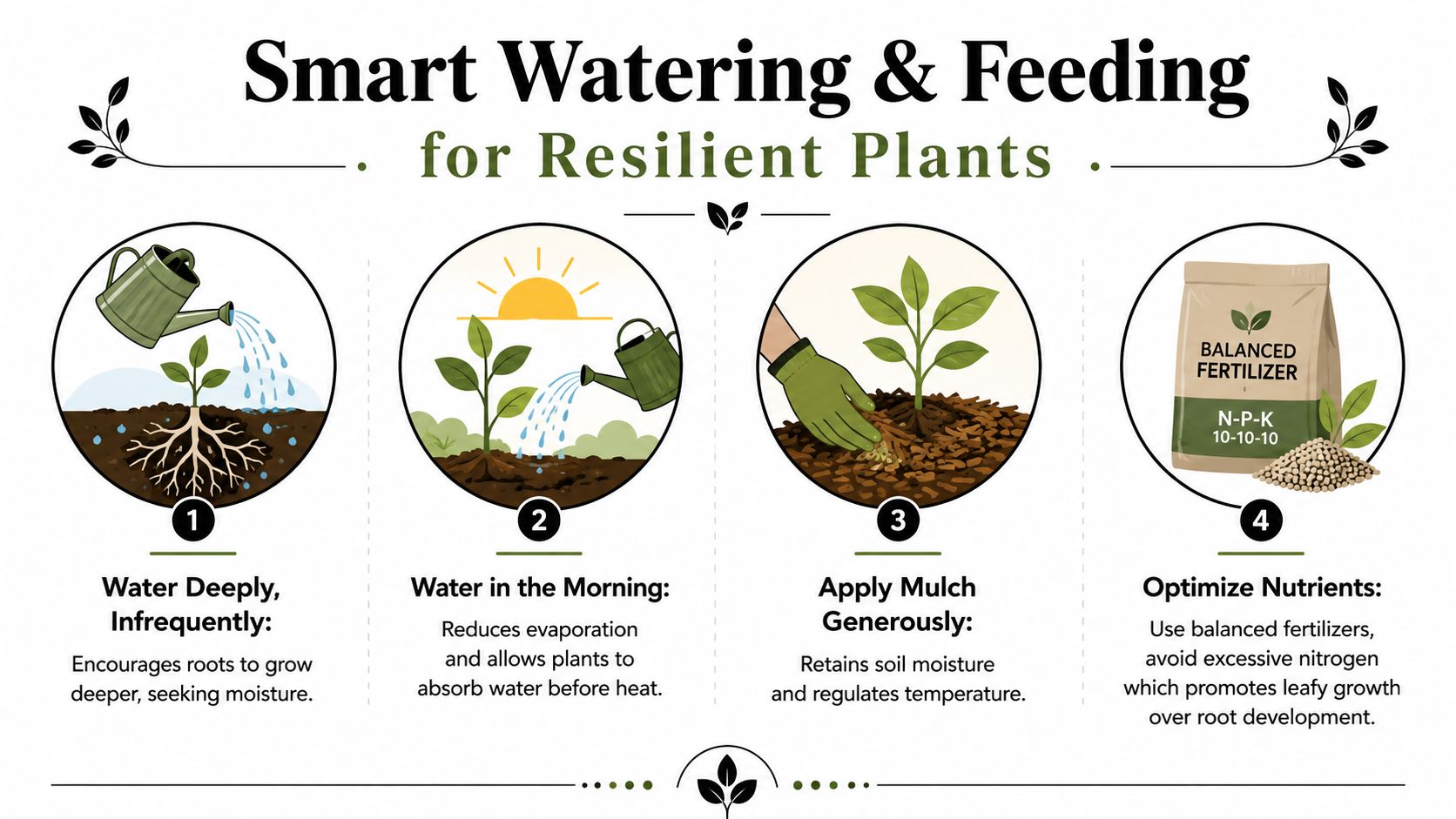
The classic mistake is giving a little splash every day. That keeps the surface damp, trains roots to stay shallow, and leaves the plant less prepared when real heat arrives. Deep roots are your insurance policy, and shallow watering doesn't build them.
Water for root depth, not for peace of mind
Water thoroughly, then wait until the medium needs it again. That rhythm encourages roots to chase moisture lower in the pot or bed.
A few practical checks beat any rigid schedule:
- Lift the pot: A light container tells you a lot.
- Use a finger test: Don't judge by the top crust alone.
- Watch the plant in the morning: Afternoon droop can be heat response. Morning droop usually means a real issue.
- Water early: Morning watering gives the root zone time to recharge before the day gets mean.
If you want a straightforward refresher on technique, this guide to watering your cannabis plant is a solid companion.
A little stress can help, too much breaks momentum
This part surprises people. Not every bit of drought stress is bad. In fact, some controlled stress can make a plant more efficient.
Research on floral hemp found that moderate drought stress at 30 to 50% of field capacity sustained inflorescence yield and cannabinoid concentrations while using only two-thirds of the water compared to optimally watered plants, according to this ScienceDirect summary of the study. Severe drought was a different story, and that's the line growers need to respect.
That doesn't mean you should neglect your plants. It means constant saturation isn't the goal.
Keep the plant challenged enough to build roots and discipline, not so stressed that it starts giving up tissue, aroma, or finish quality.
Feeding should get simpler when the weather gets rough
Heat-stressed plants usually don't want a complicated feeding program. Heavy inputs can push soft top growth that demands more water than the root system can support.
A better approach in hot spells:
| Situation | Better move |
|---|---|
| Plant is healthy but drying faster | Water thoroughly, keep feed steady and moderate |
| Plant is stressed and leaf tips are already unhappy | Back off feed strength, focus on root-zone stability |
| Plant is dark green and stretching too much | Reduce nitrogen-heavy inputs |
The basic idea is simple. Don't chase every hot-weather symptom with more bottled nutrients. Most of the time, roots, timing, and consistent moisture management matter more.
Beating the Heat and Defending Your Plants
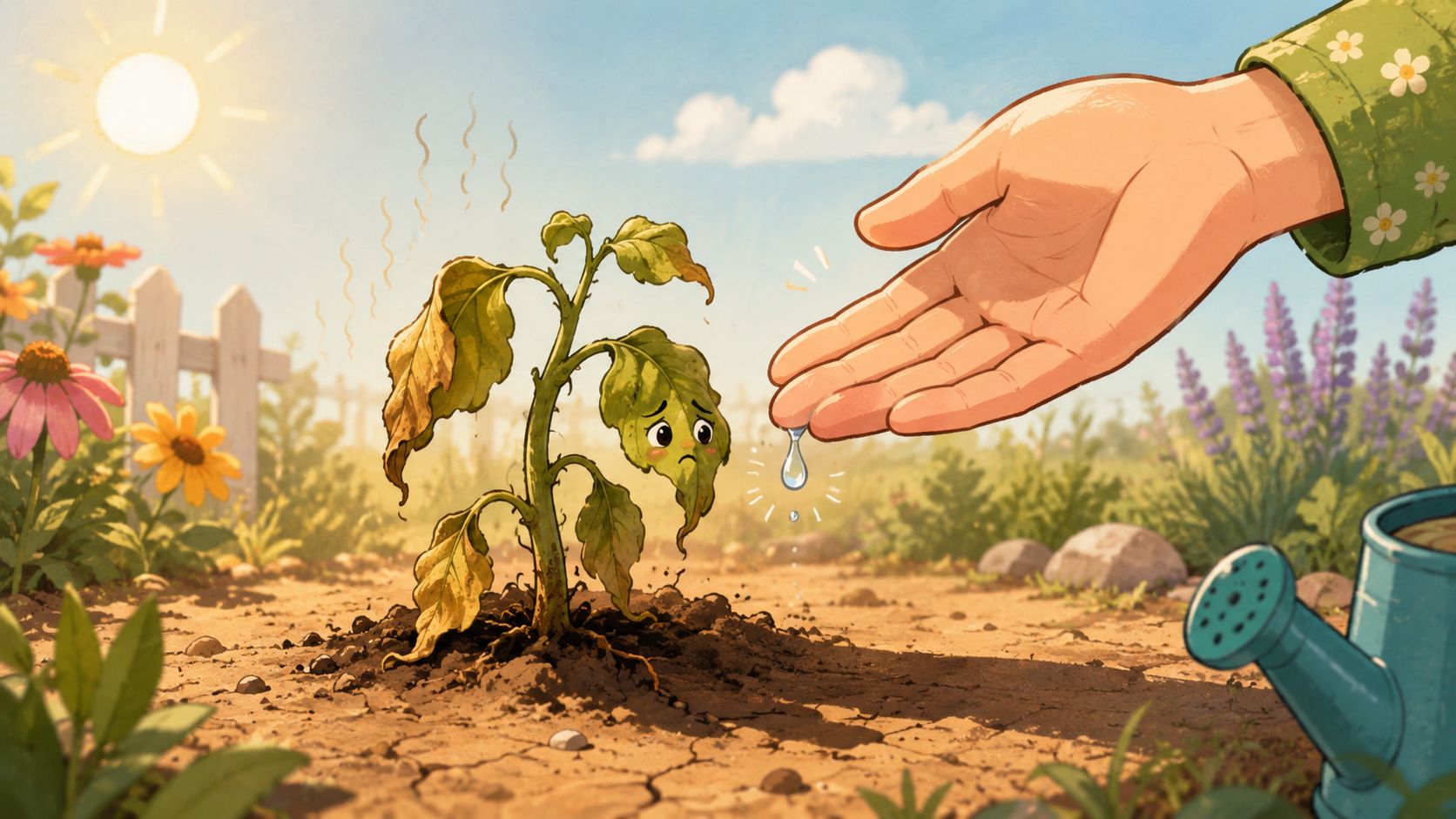
When a heatwave hits, the plants usually tell you before they collapse. You just have to catch the signs early.
Leaf edges curl upward. Leaves taco. New growth looks tense instead of relaxed. The container feels hot to the touch. Growth slows, and the plant starts spending more energy protecting itself than building structure.
What to do during a rough stretch
You don't need a fancy rescue plan. You need a few fast, calm moves.
- Add temporary shade: A simple shade cloth during the harshest afternoon hours can take the edge off.
- Check the root zone temperature: Hot containers cook roots before the leaves fully show it.
- Stop unnecessary pruning: A stressed plant doesn't need extra damage.
- Inspect undersides of leaves: Hot, dry weather gives pests an opening.
Spider mites are the usual headache in these conditions. They love heat, dryness, and weak plants. Prevention is easier than cleanup, so keep airflow decent, avoid letting plants stay dusty and stressed, and check regularly instead of waiting for webbing.
Learn from plants that throttle water use well
Some cultivars show useful drought behavior long before they look dramatic above ground. According to the UC Davis screening work on hemp drought tolerance traits, some hemp cultivars, including Ha3ze, show an early decrease in transpiration during soil drying while maintaining delayed wilting. That's a strong trait because the plant starts conserving water before it reaches the point of obvious damage.
For a home grower, that's a useful lens. The best heat-handling cultivars aren't always the ones that look toughest after the fact. They're often the ones that subtly regulate themselves earlier.
If one cultivar always looks desperate by midafternoon and another stays composed in the same setup, pay attention. That's selection data from your own yard.
Don't overcorrect
The panic move is drenching, feeding hard, and moving the plant three times in one day. Resist that urge. Fast changes stack stress.
A steadier response works better:
- Shade the plant during peak exposure.
- Recheck soil moisture, don't guess.
- Water properly if the medium needs it.
- Leave the plant alone long enough to respond.
That patience separates a temporary slump from a self-inflicted spiral.
Your Planting Calendar and Final Checklist
Timing is one of the most underrated drought strategies a home grower has.
If you're in a hot, dry region, especially somewhere with brutal midsummer afternoons, you don't always want the biggest plant possible at the hottest point on the calendar. You want the right plant at the right phase. That's why autoflowers are so useful in dry climates. You can start them in late spring and often finish before the season gets punishing. Instead of forcing flower production through peak heat, you're stepping around it.
Feminized photoperiod cultivars give you a different play. You can start them indoors, build healthy early growth in a more controlled environment, then move them outside once the harshest stretch has passed and let the season work in your favor for a larger fall harvest.
A simple calendar framework
This isn't about rigid dates. Local weather always wins. But the framework holds up.
| Growing approach | Practical timing idea |
|---|---|
| Autoflower run | Start in late spring to avoid the ugliest part of summer flower development |
| Feminized outdoor run | Start indoors, transplant after the worst heat begins to ease |
| Second round planning | Save your best-performing seeds and notes for the next favorable window |
That last point matters more than people think. Every season teaches you something about which cultivars fit your yard, your watering rhythm, and your containers.
Shop for current climate behavior, not old catalog language
A lot of seed shopping still leans on broad claims like “handles drought” or “good outdoors.” That's not enough anymore. Conditions are changing faster than old descriptions do.
There's a useful parallel in broader seed development. Reasons to be Cheerful highlighted the emerging push toward drought-hardy varieties bred with real-time climate data, including Dark Star zucchini for current dryland conditions. That's the mindset worth borrowing when you evaluate cannabis cultivars too. Don't just look for general toughness. Look for genetics that make sense for the heat and water stress growers are dealing with right now.
Final checklist for a hot-climate grow
Before you germinate, run through this:
- Pick the right type: Choose feminized or autoflower cultivars that match your season length and exposure.
- Match resistance style to setup: Deep-rooting, drought resistant behavior works best when your soil or container allows it.
- Build better soil: Compost, coco, aeration, and mulch matter more than flashy additives.
- Water thoroughly: Train roots downward, not sideways at the surface.
- Keep feeding clean: Don't push lush growth the roots can't support in heat.
- Plan for heat spikes: Shade cloth and smart placement beat emergency fixes.
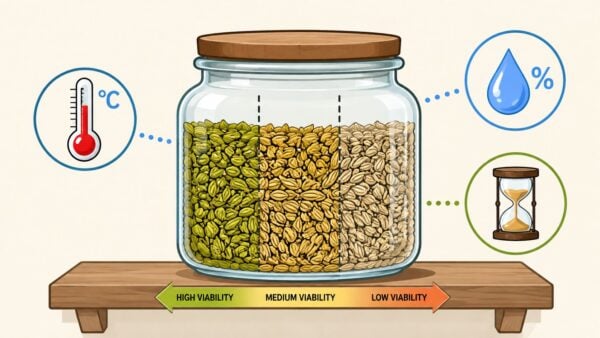
- Track winners: Save notes and store leftover seeds properly with help from this guide on how to preserve weed seeds.
Growing in a hot climate asks more from you, but it also sharpens your instincts fast. Once you stop chasing generic advice and start making choices based on your actual environment, everything gets simpler. You waste less water, lose fewer plants, and end up with a homegrown stash that feels earned in the best way.
If you're sorting through cultivars for a dry, high-heat setup, Botanist Seeds makes that search a lot easier. Use the comparison tool to match feminized and autoflower options to your space, your schedule, and the kind of summer you're dealing with.