




Blue Razz Strain: A Grower’s Guide to Real Genetics
Most advice about the Blue Razz strain starts in the wrong place. People jump straight to flavor notes or potency talk, but the first thing you need to know is simpler than that: the name itself can mislead you.
Ready to grow it yourself? Shop Blue Razz seeds at Botanist Seeds.
If you're growing at home, that matters. A lot. You can do everything right with your tent, your feed, and your dry room, then still end up with a plant that doesn't match what you thought you bought. With Blue Razz, the label often hides two very different cultivar paths, and that confusion is where most growers get tripped up.
For the self-sufficient hobbyist, home growing is supposed to remove headaches, not create new ones. You grow your own to skip dispensary lines, keep better control over quality, avoid paying retail taxes every time you restock, and get the satisfaction of curing jars that came from your own room. That only works when you start with genetics that fit your setup and your preferences.
Your Guide to the Blue Razz Strain
The Blue Razz strain gets talked about like it's one fixed thing. It isn't. Depending on where you shop, Blue Razz, Blue Raspberry, and Blue Raz can point to different cultivars with different lineage, different strength, and sometimes a different overall feel in the jar.
That's why the best move isn't chasing the loudest description. It's checking what the breeder is selling. One version may suit growers who want a smoother, more moderate flower. Another may be built for people chasing a much stronger end result. If you miss that distinction, you're not selecting a cultivar. You're gambling on a name.
What to pay attention to first
Before you buy seeds, check these basics:
- Lineage details: If the listing doesn't tell you the parentage, assume the name alone isn't enough.
- Seed format: For home growers, feminized and autoflower seeds keep the process simpler and more predictable.
- Potency expectations: Some Blue Razz lines are notably milder, while newer variants can hit much harder.
- Plant shape: This cultivar family tends to lean short and productive, which is a plus if your space is limited.
Practical rule: Buy the breeder, not just the strain name.
A lot of growers want the candy berry profile and the relaxed, upbeat vibe Blue Razz is known for. That's a fair reason to pick it. But if you want a successful harvest, you also need to think like a gardener, not just a shopper. Genetics first, setup second, cure last. That order saves time and frustration.
The Blue Razz Genetic Puzzle
Blue Razz gets sold like a strain name. In practice, it behaves more like a label that several breeders and retailers have attached to different plants.
That matters because the gap is not cosmetic. One line is tied to the older, softer Blue Razz profile. Another points to newer Blue Raz stock bred for much heavier potency. If you buy seeds without checking which version sits behind the name, you can end up with a plant that misses your goal by a mile.
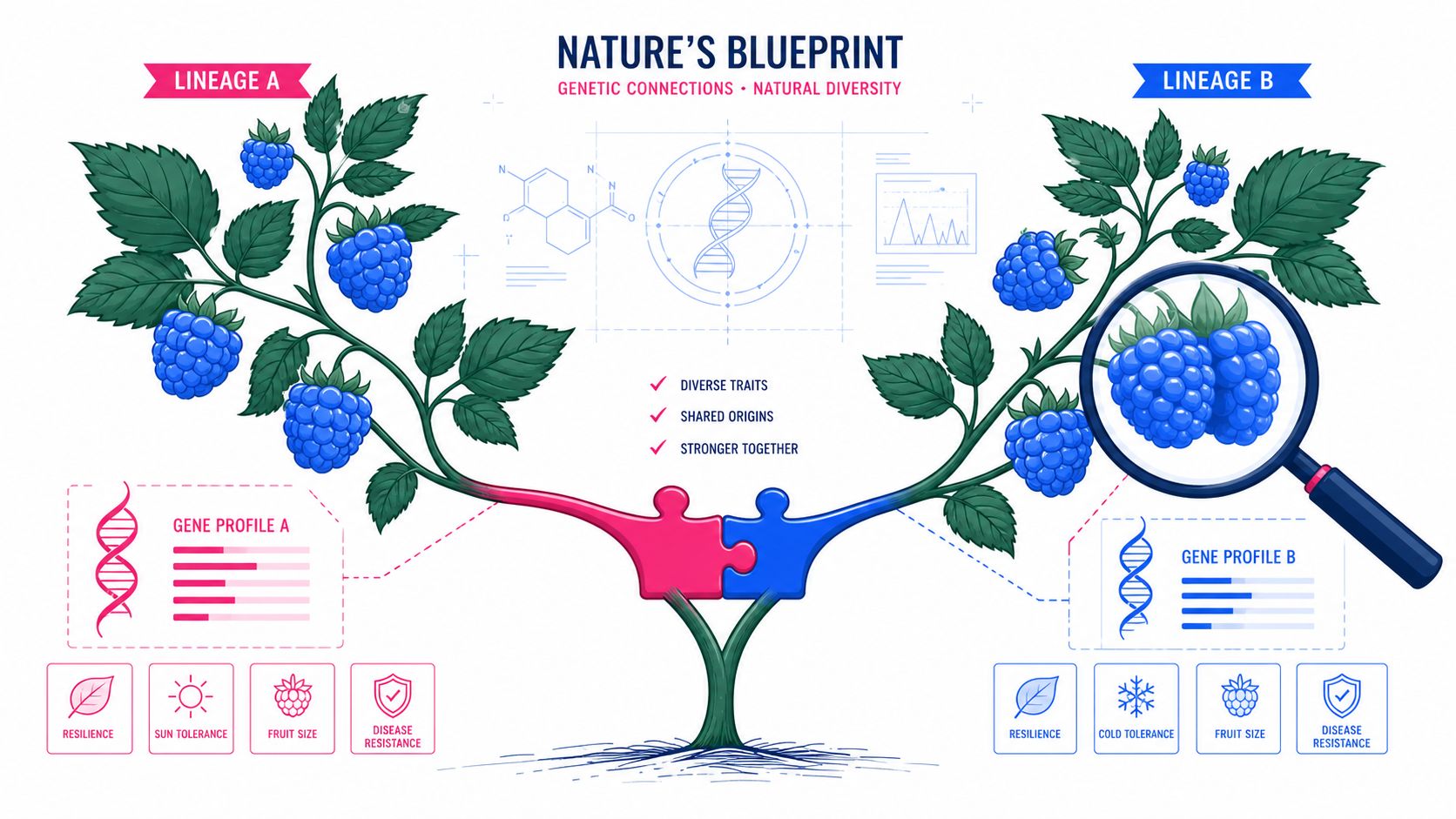
According to AllBud's Blue Razz lineage notes, one Blue Razz description traces back to a Colorado cut associated with Raspberry Kush and an unknown hybrid, with lower THC than many modern versions sold under similar names. Other sellers use Blue Raz for newer, harder-hitting lines with different parentage altogether. That is a central puzzle. The name stayed familiar while the genetics drifted.
Original cut versus newer seed lines
Here's the practical read on it:
| Feature | Original "Blue Razz" type | Modern "Blue Raz" variants |
|---|---|---|
| Genetic identity | Usually described as an older cut tied to Raspberry Kush | Often a separate breeding project with different parents |
| Potency direction | Milder, easiergoing expression | Stronger expression, often marketed for high THC |
| Best fit | Growers who want flavor and a less forceful finish | Growers chasing potency and denser modern bag appeal |
| Seed-buying risk | Hard to verify from seed because the original is often discussed as a cut | Easier to find in feminized or autoflower form, but may have little in common with the older version |
The clean takeaway is simple. AllBud points to an older, lower-THC Blue Razz profile. Other Blue Raz listings in the market describe a different plant family entirely. So the confusion is real, but the fix is straightforward. Verify lineage with the breeder before you buy, especially if potency is a deciding factor.
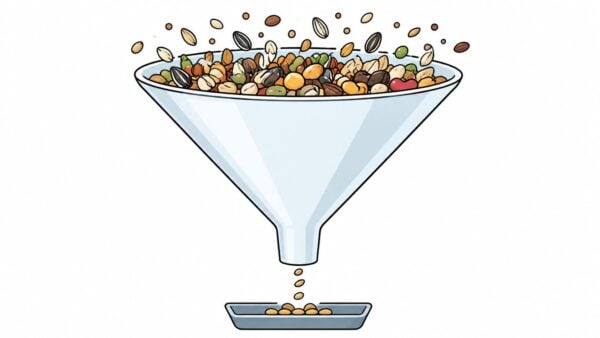
For home growers, that means asking better questions than “Is this Blue Razz?” Ask what the parents are, whether the line was bred to mirror the older berry-forward cut or a newer high-potency Blue Raz, and whether the seed stock has been worked enough to give predictable structure and finish time. A breeder who cannot answer those points is selling a name first and genetics second.
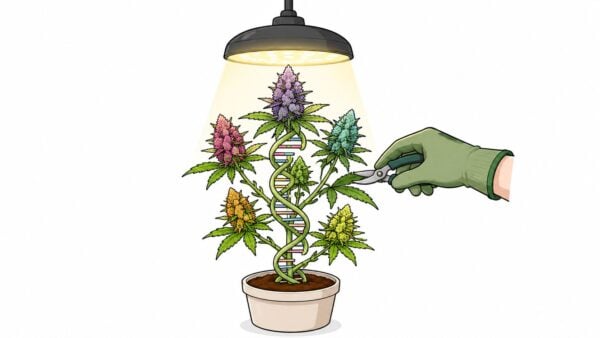
If you plan to pop a pack and keep a keeper, it also helps to understand how phenotype selection works. That is how growers sort through variation and find the expression that matches the jar profile they wanted.
What growers should ask before buying
- What is the exact parentage of this version?
- Is this bred to reflect the older Blue Razz profile, or is it a modern Blue Raz line with higher potency?
- Is it sold as feminized or autoflower seed, and how stable is the line?
- What kind of variation shows up across the pack in height, finish time, and resin production?
My rule is blunt. Buy the version, not the name.
That approach saves a lot of disappointment. If you want a moderate, fruit-forward plant for a balanced stash, look for breeders who clearly describe the older style. If you want a stronger plant and do not mind a different expression, modern Blue Raz feminized or autoflower seeds may fit better.
Aroma Flavor and Overall Vibe
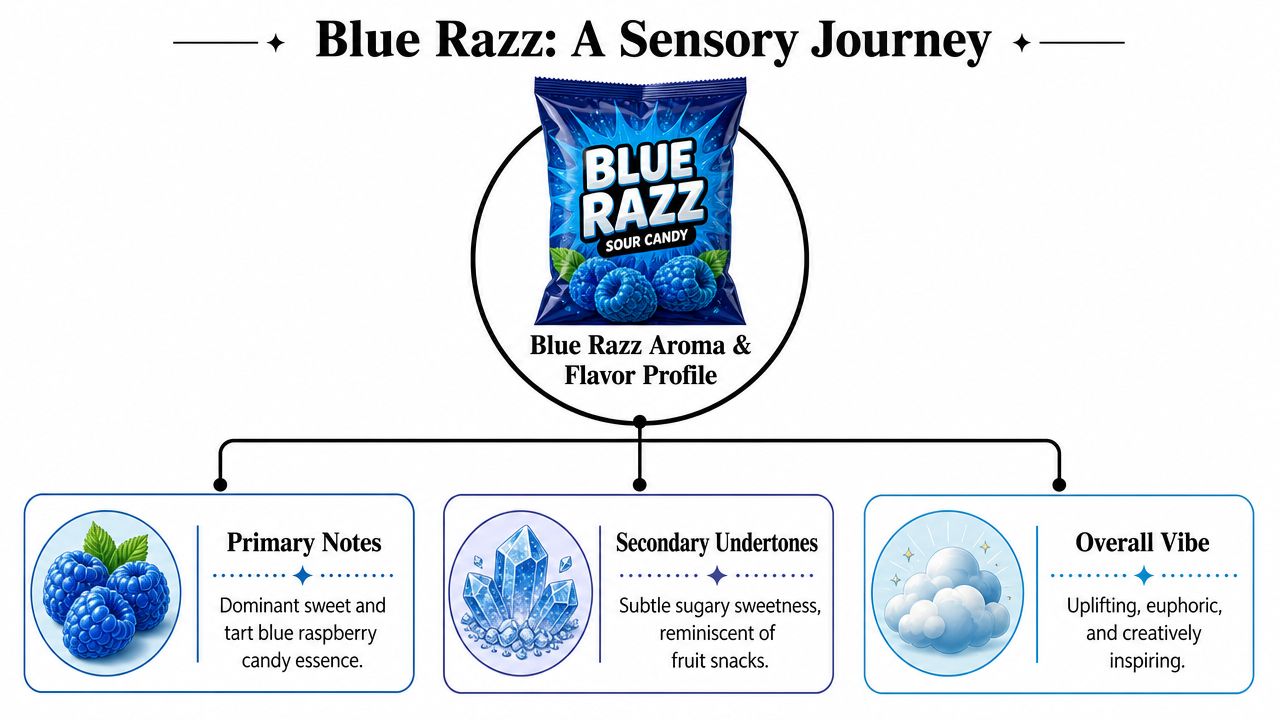
Blue Razz has one of those profiles that people recognize fast. Crack a jar and the first impression usually lands somewhere between berry candy and fruit smoothie, not in a subtle herbal direction. That's a big part of the appeal.
According to Leafwell's Blue Raspberry cultivar profile, Blue Razz is an indica-dominant hybrid at 55 percent indica and 45 percent sativa, known for a sweet blueberry and tart raspberry flavor, with effects often described as calming and euphoric. That ratio lines up with how many growers and consumers describe the overall vibe. It doesn't usually come off as one-note.
What the aroma actually feels like
The easiest comparison is candy, but not the fake, flat kind. Good Blue Razz tends to open with a sweet berry top note, then a sharper tart edge keeps it from getting syrupy. Some batches lean more blueberry first. Others hit raspberry harder.
A few growers get too locked into terpene labels and miss the practical point. Your nose doesn't care what the spreadsheet says if the cure is sloppy. A rushed dry can mute the bright fruit and leave the whole jar smelling generic.
If you're curious about how compounds shape that sensory profile, it helps to understand the basics of cannabis terpenes and how they influence aroma. That background makes it easier to judge breeder descriptions without getting carried away by buzzwords.
Flavor in the smoke or vapor
Leafwell also notes a flavor mix that includes sweet blueberry, tart raspberry, tropical fruit notes, and a subtle peppery hint on the exhale in some Blue Razz expressions. That pepper note matters because it keeps the profile from tasting like straight candy.
The best examples usually feel layered:
- On the inhale: berry sweetness, often soft and rounded
- Mid-palate: tartness that gives it some snap
- On the finish: fruit and a faint peppery edge
The good jars smell playful. The well-grown jars still have structure underneath the sweetness.
The overall vibe
Cultivar selection again matters. The Blue Razz family is often described as balanced, but balance can mean different things depending on which version you're growing and how mature the flower is at harvest.
The general appeal is easy to understand:
- It's approachable: many users describe it as noticeable without feeling too aggressive.
- It fits relaxed sessions: evening hangouts, music, movies, and low-key creative time all make sense here.
- It's flexible: the indica lean gives it body, while the sativa side keeps it from feeling flat.
The classic candy-fruit profile gets people interested. The reason they come back is that the vibe usually lands in a friendly middle ground instead of swinging hard in one direction.
How to Grow the Blue Razz Cultivar
Growing Blue Razz gets easier once you stop treating every seed sold under that name like the same plant. That mistake causes half the frustration around this cultivar family. The older Blue Razz expressions usually stay more moderate in potency and growth, while newer "Blue Raz" versions can hit harder, stretch differently, and finish with denser flowers.
That matters before you even germinate a seed. If you want a steadier, easier plant with a friendlier effect profile, look for breeders that show the older lineage clearly. If you want the louder, higher-potency version, read the seed description closely and expect a little less forgiveness if the canopy gets crowded.
It shows an indica-dominant growth pattern with short height and high yield, which makes it a forgiving cultivar for both indoor and outdoor home growing, based on Collective Cannabis notes on Blue Raspberry growth traits.
A compact frame helps in a small tent, but it also creates work. Short plants stack foliage fast, and that dense center can trap humidity if you let the plant grow unchecked for too long.
Pick the right seed type for your setup
Seed choice shapes the whole run.
- Feminized seeds: Better for growers who want control. You can extend veg, top the plant, spread the canopy, and recover from small mistakes before flower.
- Autoflower seeds: Better for growers who want speed and a simpler schedule. They suit a tight calendar, but they give you less time to correct stress or poor early growth.
For Blue Razz in particular, this choice also helps you steer potency and plant behavior. A feminized photoperiod from a breeder that lists its parents clearly usually gives you the best shot at selecting for a specific effect range and structure. An autoflower can still be a good pick, but vague genetics matter more there because the plant moves on its own clock.
If a seed listing says "Blue Raz" and tells you almost nothing else, pass. Lineage confusion is common with this cultivar family, and buying blind is how growers end up expecting one kind of flower and harvesting another.
Indoor and outdoor approach
Indoors, keep the plant open early. A little topping and low-stress training usually does the job. You are trying to spread sites and move air through the middle, not force a dramatic reshape on a naturally squat plant.
Watch irrigation closely. Blue Razz often looks broad and vigorous up top, so growers assume it can handle more water than the root zone wants. Let the medium cycle properly between waterings. Constantly wet media slows root activity and makes a compact plant even more sluggish.
Outdoors, spacing matters more than many growers expect. Give each plant room for lateral growth, stake branches before flower weight becomes a problem, and strip weak interior growth that will never get useful light. A bright, open spot beats a hidden corner every time with this one.
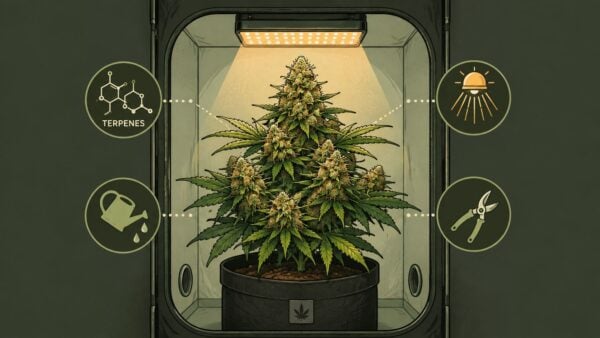
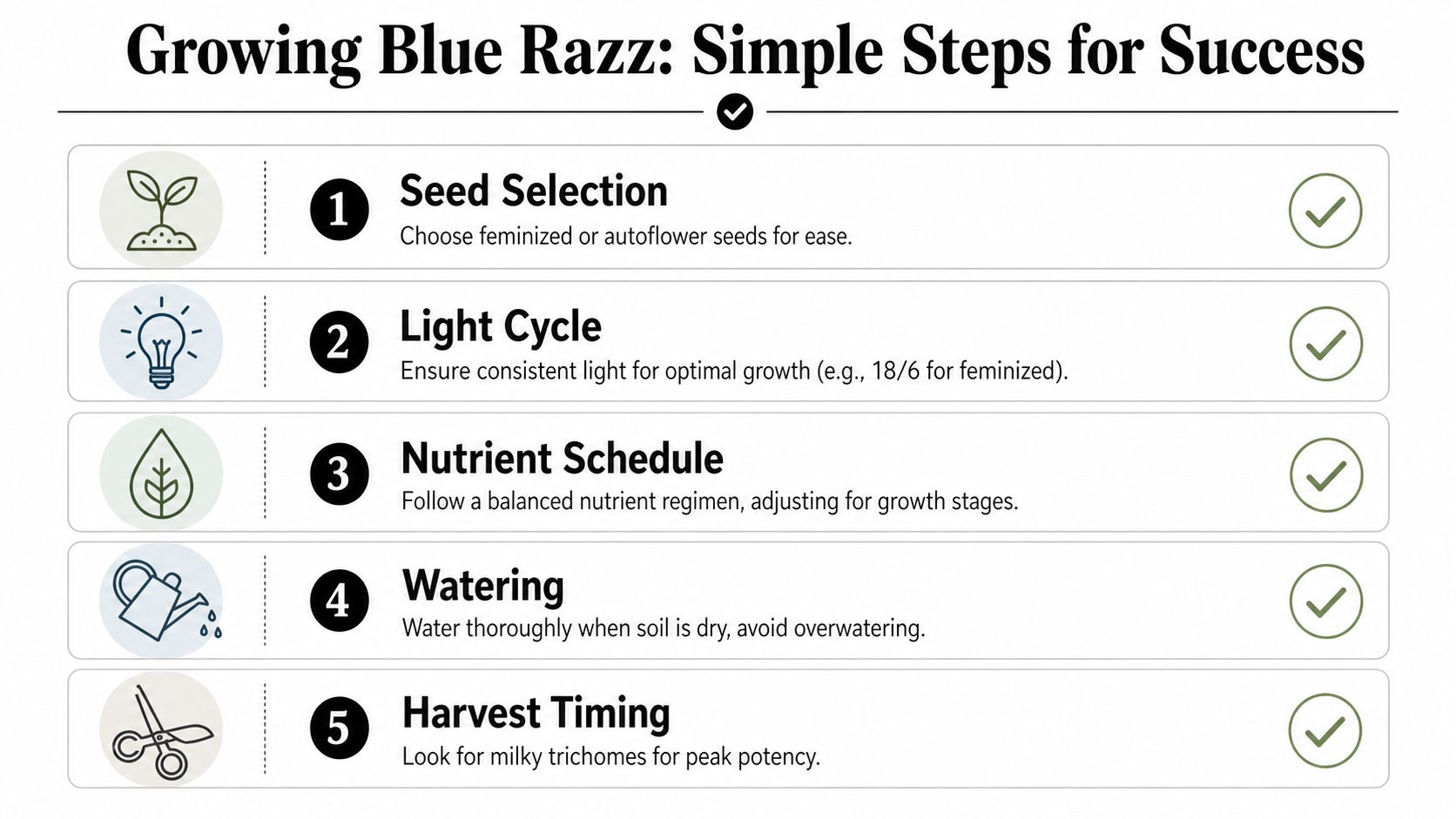
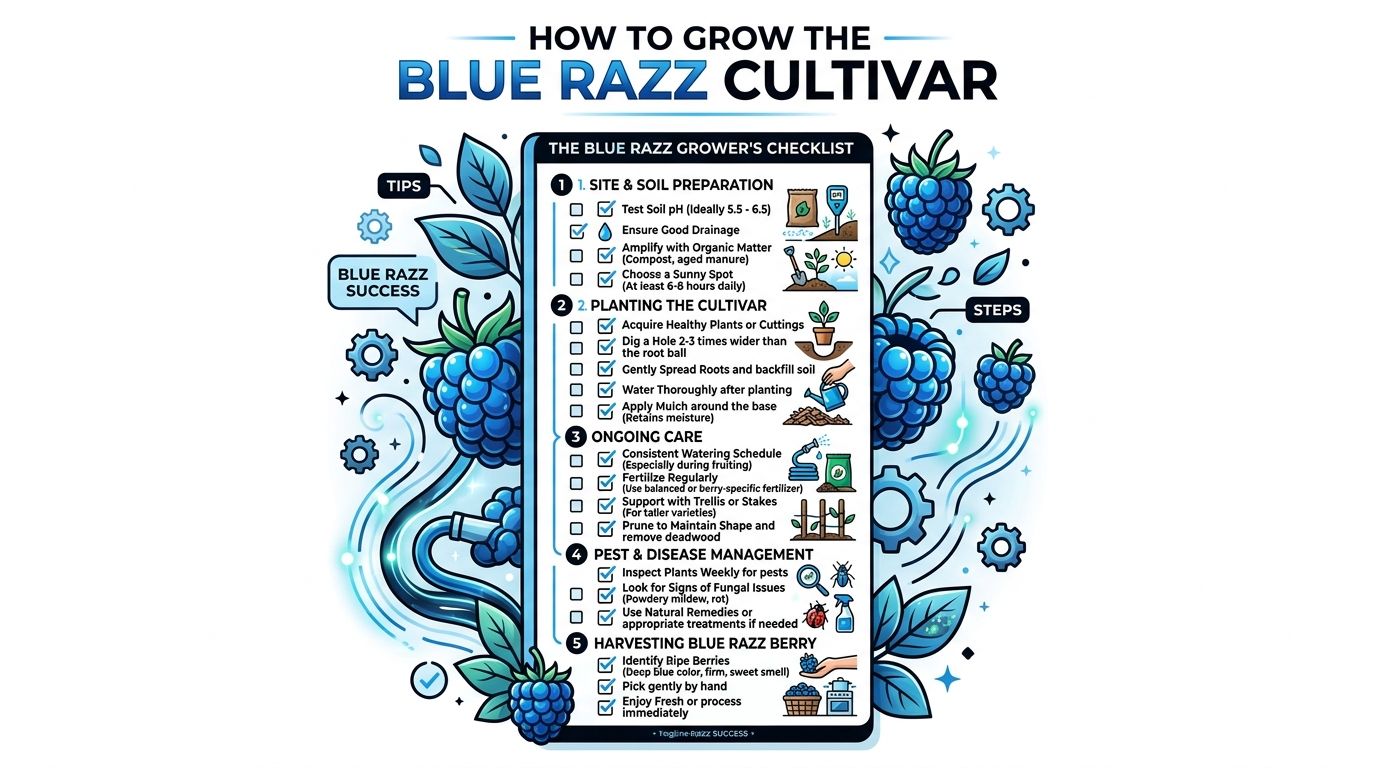
Here's a solid visual if you want a quick grow checklist before you start:
Flowering habits and day-to-day management
Blue Razz finish times vary because the genetics vary. Some cuts and seed lines move quickly, while others take longer to bulk and ripen fully. Breeder estimates are useful as a rough starting point, but they are not enough to call harvest on their own.
The better approach is simple. Track flower development, watch how the plant is drinking, and check resin maturity instead of chasing a calendar. If you need a sharper read on timing, learning how to read trichome development on cannabis flowers will save you from harvesting on smell alone.
Daily management stays pretty straightforward:
- Watering: Keep wet and dry cycles consistent. Soggy roots and dense foliage are a bad combination.
- Feeding: Push gently. Compact, fast-stacking plants can burn sooner than growers expect.
- Training: Use light shaping to expose bud sites and improve airflow.
- Environment: Hold temperature and humidity steady, especially late in flower when buds tighten up.
One shortcut solves a lot of problems here. If the center of the plant is too thick to see through, thin it before you change nutrients, lights, or anything else.
What usually works and what usually doesn't
Blue Razz responds well to growers who stay measured.
What works
- Buying seeds from breeders that show the parentage clearly
- Matching feminized or autoflower seeds to your time, space, and potency goal
- Moderate training early instead of heavy correction late
- Keeping the canopy open through mid and late flower
- Waiting for real ripeness instead of chopping on aroma
What doesn't
- Assuming every Blue Razz or Blue Raz listing grows the same
- Overfeeding a short plant just because it looks sturdy
- Letting interior growth turn into a humid knot of leaves
- Treating breeder flower times like a fixed promise
- Rushing a high-potency modern variant that still needs time to finish
This cultivar is forgiving in the right hands. It is not magic. Pick the right version first, keep the plant open, and stay patient at the end. That usually separates the berry-rich jars from the ones that only sounded good on the seed page.
Harvesting and Curing for Peak Quality
Blue Razz often wins or loses in the drying room.
This is also where the genetic mix-up matters. The older, lower-THC Blue Razz expressions usually shine on aroma and a gentler finish, so a rushed dry strips away the part people grew them for. A modern high-potency Blue Raz cut can still test strong after a sloppy post-harvest, but the jar will smoke harsher and taste flatter than it should.
Dry first, then jar with patience
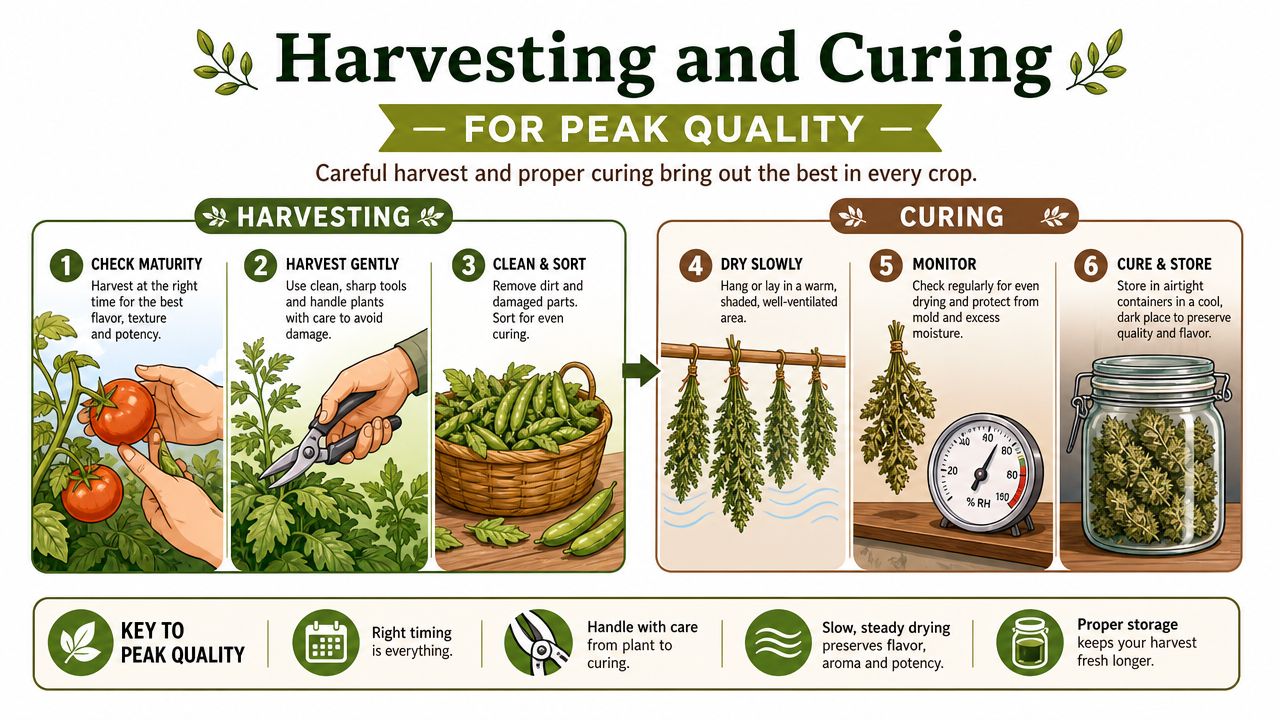
Harvest timing sets the ceiling. Drying and curing decide whether you reach it.
- Cut at real ripeness: Berry smell is not enough. Check calyx swell, pistil maturity, and resin heads. If you need a better read on timing, learn the basics of trichome development on cannabis flowers.
- Dry in a cool, controlled room: A slow dry protects terpenes better than warm, fast conditions. Keep airflow gentle. Fans should move air around the room, not blast the hanging plant.
- Trim with a light hand: Rough handling knocks off resin and beats up the flower. If the buds are dense, I prefer to remove the larger leaf first and finish the detail trim after drying.
- Jar only when the outside lies less than the center: Buds can feel dry on the surface while the inner moisture is still high. That is how growers end up with jars that smell grassy by day two.
- Burp more early, less later: Open jars regularly at the start, then taper off once moisture evens out and the aroma starts to sharpen.
Dense, berry-forward cultivars punish impatience. Blue Razz is one of them.
Why curing matters so much with Blue Razz
A proper cure improves texture, aroma, and burn. It also makes the differences between Blue Razz versions easier to notice. The softer original-style expressions show more of their fruit and less throat bite after a patient cure. The stronger modern Blue Raz types usually gain the same polish, but their punch can hide sloppy work for a while, which fools a lot of growers into thinking the cure did not matter.
In practice, I watch for three things. The jar smell should get cleaner, not louder and greener. The flower should grind evenly instead of clumping wet. The smoke should finish cleaner a week or two later than it did right after drying.
Good growing gets you healthy plants. Good curing gives you flower worth keeping.
If you spent the whole run sorting through Blue Razz seed confusion to get the right feminized or autoflower version, do not throw away that effort in the last ten days. Slow drying and a steady cure are what let the berry profile show up clearly, whether you chose an older, milder expression or one of the newer high-potency variants.
Common Questions About Blue Razz
Should I choose an autoflower or feminized Blue Razz seed
Pick autoflower if you want a simpler run with fewer moving parts. It's a strong option for balcony growers, small tents, or anyone who wants a straightforward home project.
Pick feminized if you want more control over timing, training, and plant shape. If you like topping, low-stress training, and dialing in an even canopy, feminized seeds give you more flexibility.
How do I avoid buying the wrong Blue Razz
Ignore strain name hype and read the breeder listing closely. If the parentage is vague, ask questions or move on.
Use this checklist:
- Look for lineage details: You want more than just the words Blue Razz.
- Check the breeder's description style: Specific parentage beats flashy flavor copy.
- Match the cultivar to your goal: Softer experience or stronger finish, decide first.
- Prefer clear seed format info: Feminized and autoflower listings should tell you what to expect in practical terms.
Is Blue Razz beginner friendly
Yes, generally. Its short, productive, indica-leaning growth habit makes it approachable for hobby growers, especially in compact home setups.
That doesn't mean it thrives on neglect. It still needs basic discipline with watering, airflow, and harvest timing. Beginner friendly is not the same as foolproof.
What mistakes hurt this cultivar most
The most common errors are simple:
- Overwatering: Short, bushy plants can stall when roots stay too wet.
- Poor canopy management: Dense interiors reduce airflow and make the plant harder to maintain.
- Overfeeding: Growers sometimes mistake compact growth for hunger.
- Buying by name alone: This is the Blue Razz mistake that starts all the others.
If your seed choice was sloppy, no feeding chart is going to rescue the grow.
How do I get the best berry flavor
Three things matter most:
- Start with the right genetics
- Keep the plant healthy through flower
- Cure it properly
A rushed dry is one of the fastest ways to flatten the profile. If you want that sweet blueberry and tart raspberry character to show up clearly, the post-harvest phase has to be handled with care.
Is Blue Razz a good choice for small grow spaces
Usually, yes. This cultivar family tends to stay on the shorter side, which makes it easier to manage in tents and other personal grow setups. That compact structure is a plus, but only if you keep the canopy from getting overcrowded.
What's the smartest way to compare Blue Razz options before buying
Treat it like any other serious seed purchase. Compare lineage, growth notes, seed type, and the breeder's level of transparency. If one listing gives you real cultivar information and another gives you only branding, take the detailed one every time.
If you're trying to narrow down the right fit for your setup, the simplest move is to compare feminized and autoflower options side by side instead of guessing from the strain name alone.
If you want a cleaner way to sort through Blue Razz options and other home-grow cultivars, check out Botanist Seeds. Their comparison tools make it easier to match genetics to your space, your experience level, and the kind of harvest you want.