Piatella Hash: A Grower’s Guide to the Hype
You've probably seen Piatella hash pop up on menus, in videos, or in a grow chat and had the same reaction a lot of hobbyists do: is this something new, or is it just hash with a better name?
That question matters more if you grow your own. If you're already freezing fresh material, washing resin, or chasing cleaner terp expression from a favorite cultivar, then Piatella isn't just a consumer trend. It's a useful way to think about what happens after harvest, after the wash, and after you've already done the hard part of growing quality flower.
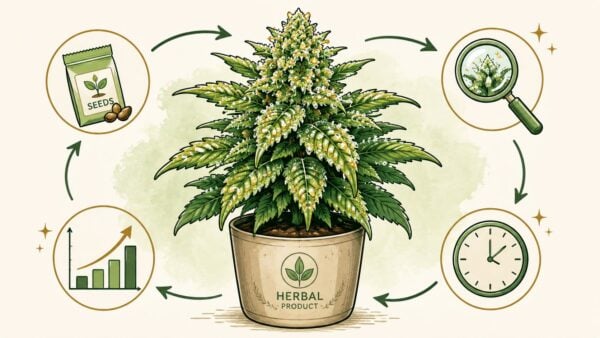
For home growers, that's the main attraction. Piatella hash sits at the point where cultivation, post-harvest handling, and patience all meet. It's aspirational, sure, but it's not magic. If you understand what it is, what it isn't, and which cultivars tend to give you the right kind of resin, the hype starts to make a lot more sense.
So What Is All This Piatella Hash Buzz About
A familiar scene goes like this. You grow a nice run, pull some sticky flower, maybe even wash a little fresh-frozen trim or lower buds, and then somebody online says the connoisseur move is Piatella. Suddenly regular bubble hash sounds basic, and you're left wondering if you missed a whole chapter.
That confusion is fair. A lot of people hear the term and assume it means a totally separate concentrate category. Others think it's just branding for any soft, premium hash. Both of those takes miss the point.
Why growers care about it
For a grower, Piatella hash is interesting because it rewards the same things good cultivation already rewards:
- Resin quality first: Dense trichome coverage, clean heads, and loud cultivar expression matter more than bag appeal alone.
- Careful harvest choices: Fresh-frozen material usually gives you the kind of aromatic starting point hash makers want.
- Post-harvest discipline: The person who rushes drying or storage usually loses what made the plant special in the first place.
If you've ever had one cultivar smell amazing on the plant but come out flat after processing, you already understand the appeal. Piatella is part of the bigger search for keeping more of that original plant character intact.
A lot of the buzz comes from growers realizing that elite hash doesn't start in the wash bag. It starts in the garden.
The real question behind the hype
The question isn't, “What is Piatella?” but rather, “Is it meaningfully different enough to matter?”
That's the useful question. Buyers want to know if it's worth the premium. Growers want to know if it's something they can realistically aim for. The answer sits somewhere in the middle. It isn't a new extraction chemistry. But it also isn't just random hash dressed up with a trendy label.
Defining Piatella What Makes It Different
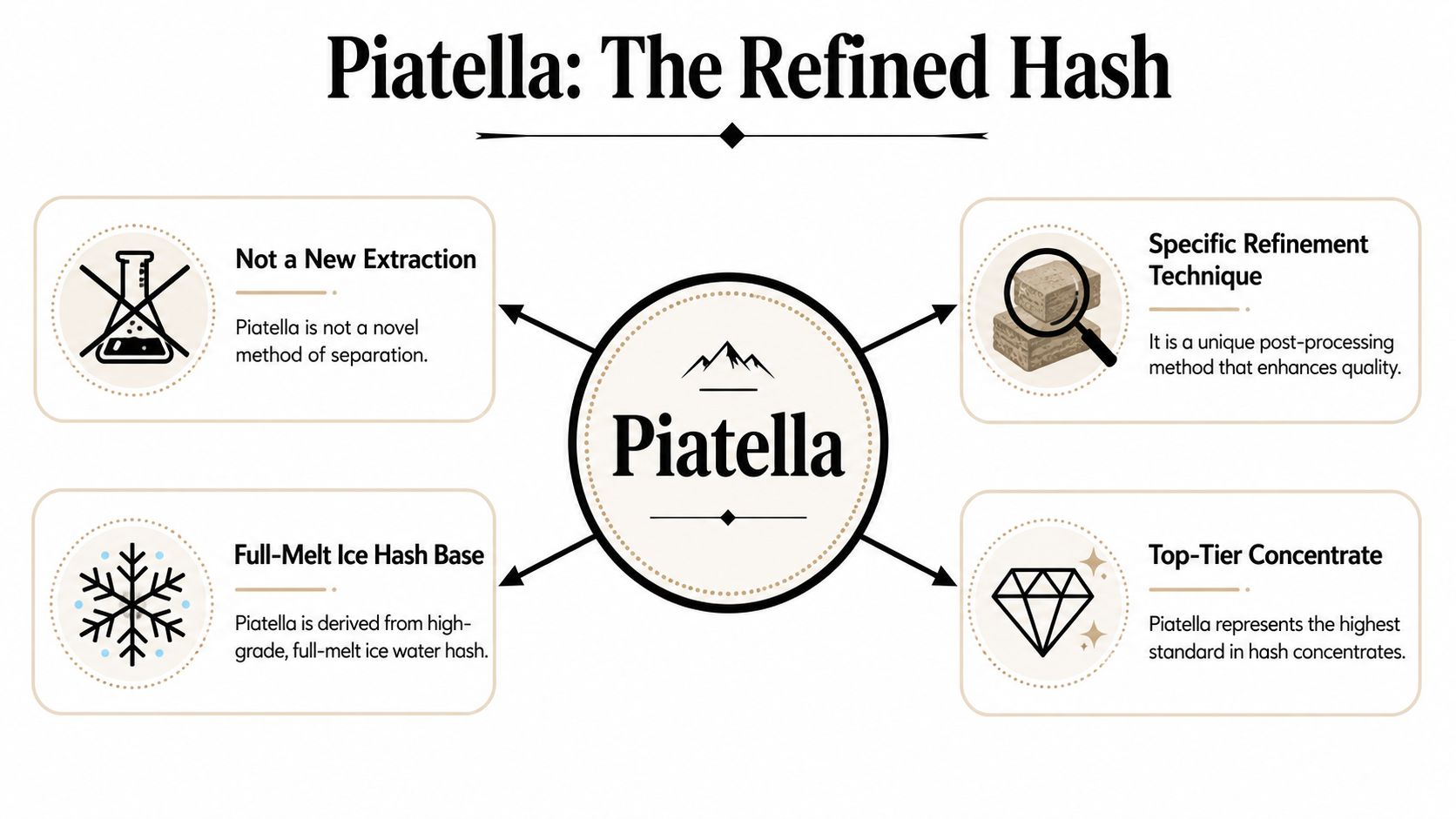
Piatella hash is a solventless, full-melt concentrate made from 5- to 6-star ice water hash, and the step that defines it is cold curing rather than solvent extraction, as described by WCC's overview of its Barcelona origin. That same source ties the method to Barcelona, Spain, and credits Zio at Uncle's Farm with developing it.
It's not a new extraction
Many find this confusing. Piatella isn't a different way of separating resin from plant material. The extraction part is still ice water hash. The resin is already collected before the thing people call Piatella really begins.
So if you've made bubble hash before, you already understand the foundation. The difference comes after that stage, when top-grade full-melt is handled in a very controlled way instead of being left as sandy hash or pressed into something else.
Cold curing is the key move
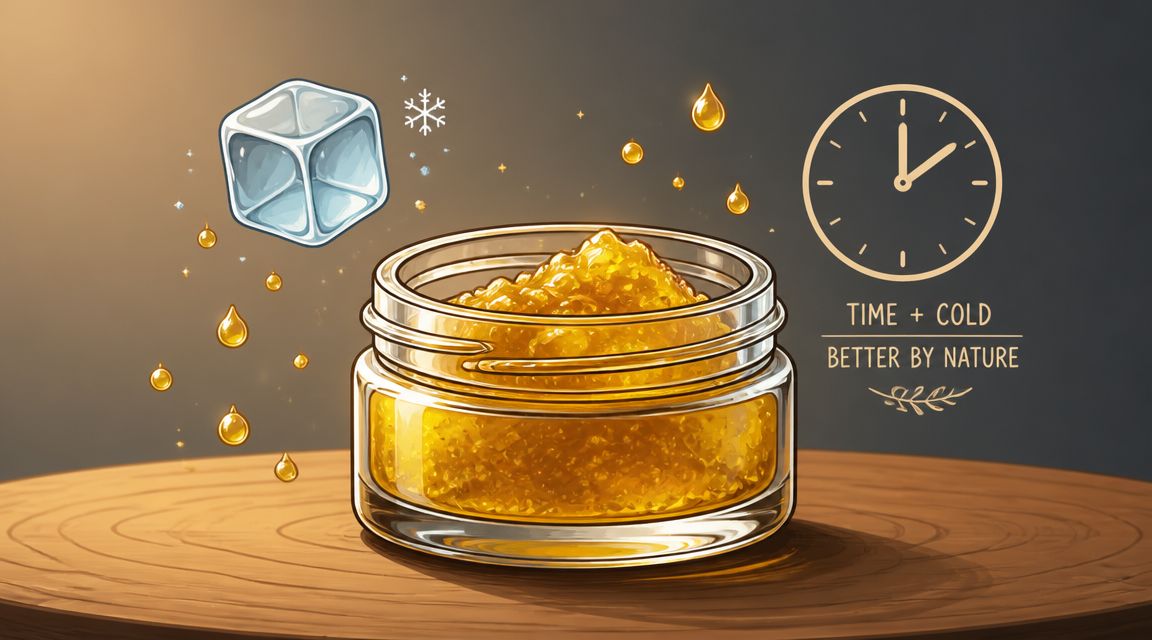
Think about cold curing the same way you'd think about aging a good food product. You aren't changing the source material into something unrelated. You're giving it the right environment to settle, mature, and change texture without cooking off the qualities you want to keep.
In plain language, cold curing is what turns brittle or sandy high-grade hash into that soft, buttery, workable texture people associate with Piatella.
Here's the simplest way to frame it:
- Same resin family: It still begins as elite ice water hash.
- Different refinement step: The main distinction is a low-temperature cure.
- Different end feel: Texture and handling change in a noticeable way.
- Different market position: It's usually treated as a premium concentrate rather than everyday hash.
Practical rule: If the starting hash isn't already excellent, cold curing won't rescue it. It only reveals what's already there.
Why the name creates confusion
Some people use “Piatella” very narrowly, meaning the Barcelona-origin method tied to Uncle's Farm. Others use it more loosely for cold-cured, full-melt bubble hash with that buttery texture. That split is part of why online explanations can feel muddy.
For a home grower, the useful takeaway is simple: treat Piatella as a specific refinement style for very high-grade full-melt hash, not as a shortcut and not as a synonym for every soft hash on the market.
The Sensory Experience Aroma Flavor and Vibe
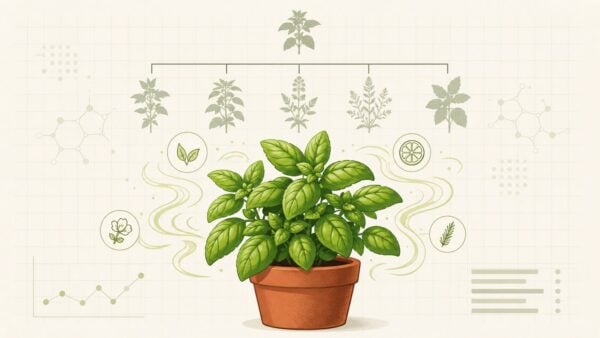
The easiest way to understand why people chase Piatella hash is to focus on what happens when you open the jar. Good material tends to come off louder and rounder than many people expect. Instead of a sharp one-note hit, the aroma often feels layered, with the cultivar's sweeter, funkier, fruitier, or gassier edges showing up in a more complete way.
That's what makes the process attractive to flavor-focused growers. You spend months selecting a cultivar for a specific nose, then try to preserve as much of that character as possible in the concentrate. If you care about how resin smells before you care about how it photographs, Piatella makes sense.
What the texture tells you
Part of the appeal is physical. Traditional hash can be crumbly, dry, or chalky. Piatella is known for a more buttery, workable consistency. That changes the whole interaction. It feels less like handling a compressed block and more like dealing with a soft, living resin mass.
That texture also shapes expectation. When people call a concentrate “top shelf,” they usually mean more than potency. They mean the whole package feels refined, from aroma to melt to handling.
Flavor tends to track the cultivar more clearly
Minimal processing is a big part of the story here. The more carefully the resin is handled, the more clearly the original cultivar tends to come through. A candy-forward cultivar can stay candy-forward. A fuel-heavy one can keep that dirtier, deeper edge. A floral profile can remain delicate instead of getting buried.
If you want to sharpen your nose for that side of the plant, Botanist Seeds has a helpful primer on cannabis terpenes and how they shape aroma.
- Fruit-heavy cultivars: These often come across bright, juicy, and expressive when the resin is handled well.
- Gas or chem cultivars: These can show a thicker, more savory edge that lingers.
- Creamy dessert profiles: These usually stand out when the resin has a soft, rich finish.
The vibe
The vibe people talk about is usually “clean” and “full” rather than complicated. Because it's a strong, full-melt concentrate, the experience often feels direct and concentrated. Connoisseurs tend to appreciate that purity, not because it changes what cannabis is, but because it lets the cultivar speak with less interference.
An Overview of the Piatella Production Process
A home grower usually gets interested in Piatella at the end of the chain. They see the soft texture, hear people talk about the cure, and assume the magic happens in the jar. The harder truth is that Piatella starts much earlier, often with cultivar choice, harvest timing, and how carefully the resin is handled from the first minute.
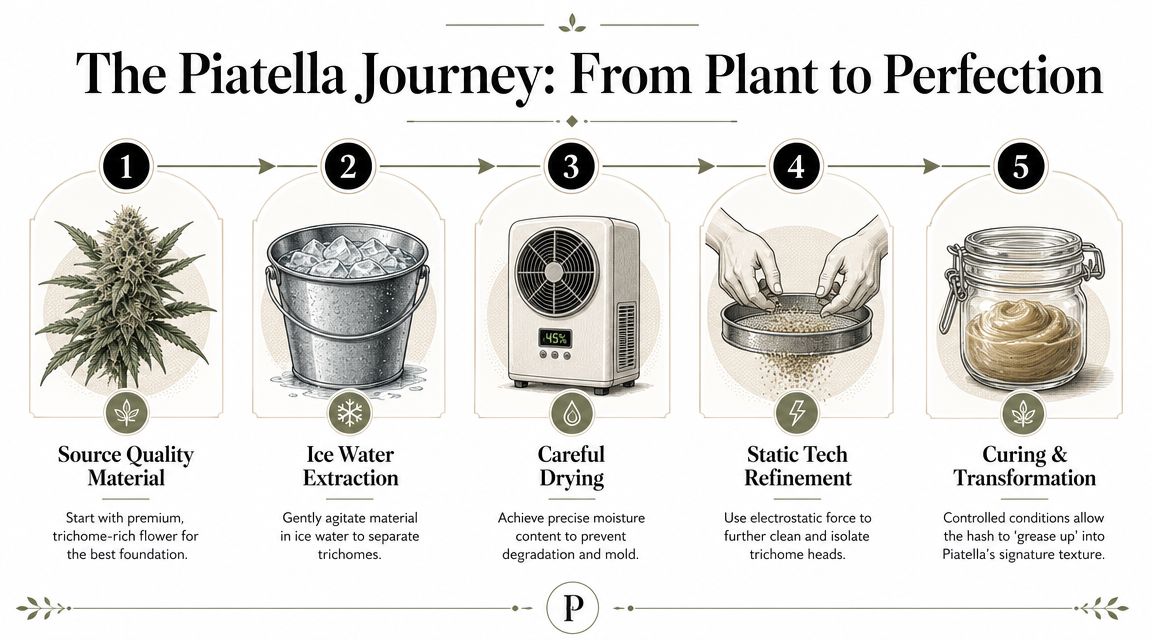
The process works like making great butter from milk. If the milk is weak, the butter will never be exceptional. Piatella follows the same logic. You begin with resin-rich flower, turn that into very clean ice water hash, dry it with care, and then give that hash a cold, sealed cure long enough to change its texture and maturity.
Start with resin that deserves the effort
Piatella is a finishing method for elite hash, not a rescue plan for average material. For the dedicated hobbyist, that matters because it connects the whole project back to the garden. The cultivars that make the most exciting starting point are the ones that produce greasy, aromatic trichomes and wash cleanly into high-grade full-melt hash.
Fresh-frozen material is often preferred because it preserves the plant closer to its just-harvested state. But fresh-frozen alone is not enough. If the cultivar does not dump quality heads, or if the harvest window is off, the cure cannot fix that later.
This is why seed choice matters more here than in a standard flower run. If your end goal is Piatella, you are really growing for resin behavior first and bag appeal second.
Washing and drying are where hobbyist projects often wobble
At this stage, you are still making excellent bubble hash. The priorities stay familiar. Keep everything cold. Handle the resin gently. Separate your best grades cleanly. Avoid contaminating the hash with excess plant material, because that contamination follows you all the way into the cure.
Drying deserves extra attention. Poorly dried hash can trap moisture where you do not want it, and that can flatten aroma, muddy texture, or create storage problems. A lot of home makers focus on the wash and rush the dry, which is a bit like baking good bread and pulling it from the oven before the center sets.
If you want a better feel for moisture control during post-harvest, this guide to using a dehumidifier when drying weed gives helpful context.
A short visual walkthrough helps make the sequence easier to picture:
Cold curing is the defining step
The final transformation comes from time, temperature, and protection from excess oxygen. CBDOO's explanation of the Piatella refinement technique describes a cold, sealed cure that gradually shifts the hash into the buttery, workable form people associate with true Piatella.
That part can confuse newer hash makers, because the change is subtle day to day. You are not blasting the resin with heat or pressing it into oil. You are letting a top-grade hash settle, homogenize, and develop under controlled conditions. Patience matters here more than gear.
For a home grower, the sequence looks like this:
- Choose hash-friendly cultivars: Start with genetics known for strong resin production and good wash potential.
- Harvest and preserve carefully: If you are going fresh-frozen, freeze promptly to hold onto the original resin character.
- Wash for cleanliness, not just yield: The goal is elite melt quality, not a big pile of average hash.
- Dry the collected hash thoroughly: Clean drying protects both texture and aroma later.
- Cure cold and sealed: Give the resin enough time to become cohesive, soft, and expressive.
Rush any of those steps and the result usually looks like good hash that stopped short of becoming great Piatella.
Piatella Compared to Other Solventless Concentrates
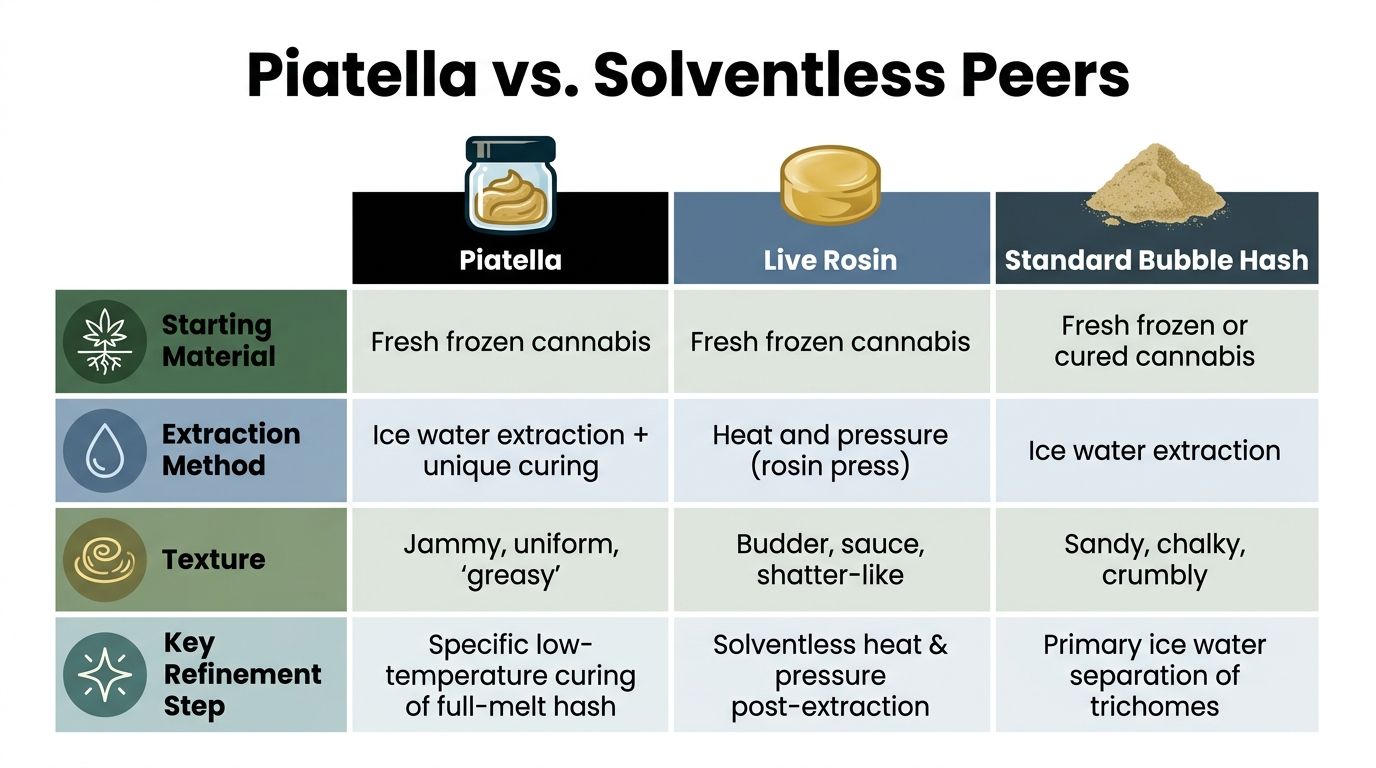
Most confusion clears up once you compare Piatella hash with the two solventless products growers already know well: full-melt bubble hash and live rosin. They share some family traits, but they don't behave the same.
Quick side by side
| Characteristic | Piatella Hash | Live Rosin | Bubble Hash (Full-Melt) |
|---|---|---|---|
| Starting point | Elite ice water hash | Usually hash or flower processed by press | Ice water separated trichomes |
| Defining move | Cold curing | Heat and pressure | Wash and separation |
| Typical feel | Buttery, workable, greasy | Can be badder, jammy, saucy, or sappy | Sandy, crumbly, or soft depending on grade |
| Main appeal | Texture plus preserved cultivar expression | Solventless oil with broad popularity | Direct trichome expression in hash form |
| Skill bottleneck | Quality hash and patient curing | Press technique and starting material | Washing, selection, and drying |
Piatella versus live rosin
This is the comparison often considered most important. Both are premium solventless products. Both can start with excellent fresh-frozen material. The split comes from what happens after extraction.
Rosin relies on heat and pressure. Piatella relies on time, cold storage, and controlled curing. So when someone asks whether Piatella is “better,” the honest answer is that they're different tools for highlighting resin.
- Choose Piatella if: You want a full-melt hash expression with buttery texture and no pressing step.
- Choose rosin if: You want a pressed solventless oil and prefer that style of consistency and handling.
- Choose full-melt bubble hash if: You like the resin in a more direct, less refined hash form.
Why the price stays high
Commercial descriptions place Piatella in a premium tier, often at $80 to $150 per gram, with THC commonly above 70%, according to Weedmaps' product overview for Piatella. That pricing lines up with the hard reality behind it. You need excellent starting resin, careful processing, and limited loss of quality along the way.
For home growers, the takeaway isn't “chase the price tag.” It's that the market values the combination of scarce input material, labor, and clean melt.
Premium hash usually isn't expensive because someone gave it a fancy name. It's expensive because very little flower becomes truly elite full-melt.
Where it sits in the solventless lineup
Piatella sits closer to a refinement philosophy than a whole new branch of concentrates. It's for people who want to keep the product in the hash lane rather than pressing it into rosin, while still pushing texture and aroma farther than standard bubble hash usually goes.
Growing Cultivars for World-Class Hash
You harvest a plant that looks great in jars, then wash it and get a disappointing result. That lesson hits a lot of home growers at least once. Piatella starts long before the cold cure. It starts with cultivars that make resin you want to collect.

What makes a cultivar worth washing
Flower quality and hash quality overlap, but they are not the same target. A plant can grow pretty buds, stack dense colas, and still give average returns in the wash. For a Piatella-style project, resin behavior matters more than showroom looks.
The simple test is this. Does the plant produce trichomes that separate cleanly, melt well, and still carry a clear aroma after handling? That is the home grower's filter.
Fresh-frozen material is usually the starting point people chase for this style, because it preserves the live resin character you want to carry all the way into the final hash. The hard part is choosing plants that are worth freezing in the first place. A good washer often feels obvious in the room. The flowers stay sticky. The aroma hangs in the air after the branch moves. The resin looks abundant, but also mature and greasy rather than dry and sandy.
What to watch for:
- Resin on the flower itself: Frosty trim is nice, but you want coverage on the calyxes and bracts where the best material is coming from.
- Aroma that stays distinct: If everything smells loud but vague, selection gets harder. Clear fruit, gas, cream, funk, or floral notes usually give you more to work with later.
- Trichomes that seem eager to release: Some cultivars wash like ripe fruit coming off the stem. Others hold on tight and make you work for mediocre output.
- Repeatable behavior across multiple plants: One standout plant is exciting. Two or three with the same resin habits is a much better sign for future runs.
Think in terms of phenotype and purpose
Often, home growers gain ground on larger producers. You can pay attention to details that are easy to miss in a big room. If your goal is Piatella, you are not just picking a strain name. You are hunting for the right expression of that cultivar.
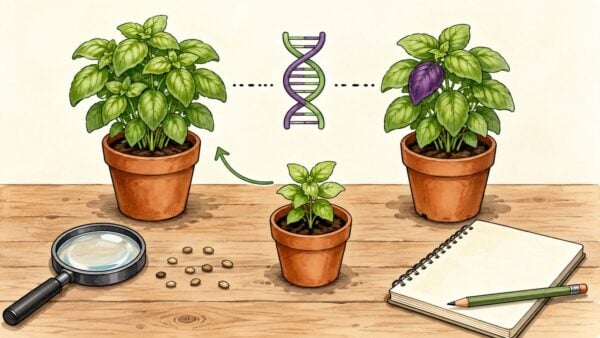
A phenotype works like different versions of the same recipe. Same seed pack, slightly different outcomes. One plant may lean toward yield, another toward structure, another toward greasy resin and a stronger terpene profile. If you want better hash, that last type deserves your attention.
A practical way to sharpen your selection is by understanding phenotype variation in cannabis. For solventless projects, the keeper is often the plant that makes you stop and rub your fingers together, not the one with the biggest top.
Practical picks for the hobbyist
Home growers do not need a giant menu of genetics. You need a shortlist that fits your space, your climate, and the kind of resin profile you enjoy.
- Fruity or tropical cultivars: Good for growers chasing brighter, more expressive aroma in the jar and in the hash.
- Gas-heavy cultivars: Often better if you want deeper savory notes, fuel, funk, and weight on the palate.
- Feminized seeds: Helpful if your goal is a tidy resin-focused run without spending time sorting males.
- Autoflowers: Useful for small test runs, quick turnaround, or learning which terpene directions seem promising before you commit a full photo-period cycle.
If you are choosing among Botanist Seeds genetics, use the catalog to narrow by growth habit first, then by resin and terpene direction. That seed-to-hash mindset matters. A cultivar that fits your tent, finishes reliably, and throws washable resin is far more useful than a famous name that struggles in your setup.
The practical takeaway is simple. Piatella is aspirational, but it is not out of reach for a dedicated hobbyist. Start with cultivars bred and selected for resin quality, keep notes during the run, and treat each wash like feedback. Your best hash plant may not be the one that photographs best. It is the one that turns your freezer stash into something worth curing slowly.
Frequently Asked Questions About Piatella
Can I make Piatella from dried flower
You can make hash from dried material, but Piatella is generally described as being built around top-tier full-melt hash, often from fresh-frozen flower. If your goal is that premium, buttery result people associate with the style, fresh-frozen is usually the standard people are aiming at.
Do I need special equipment
You don't need a giant lab setup, but you do need solid basics. At minimum, think in terms of a clean wash setup, filtration bags, a careful drying process, airtight storage, and stable cold conditions for curing. The hard part usually isn't buying gear. It's controlling the process and being selective with your starting material.
Is Piatella the same as cold-cured hash
That's where language gets messy. Some people use the terms almost interchangeably. Others reserve “Piatella” for a more specific Barcelona-linked method and product style. The safest way to think about it is this: Piatella refers to a very specific premium expression of cold-cured full-melt hash, not just any hash that spent time in the cold.
How should I store it
Keep it sealed, cool, and protected from air exposure. The whole point is to preserve aroma and texture, so stable storage matters. Warmth, oxygen, and repeated handling tend to move you in the wrong direction.
Is it realistic for a hobbyist
Yes, but only if you're realistic about what part is hardest. For most home growers, the limiting factor isn't the cure. It's producing resin good enough to deserve the cure. If you can grow loud cultivars, harvest carefully, and make clean full-melt, then Piatella becomes a real project instead of just a buzzword.
Is it worth chasing over rosin
That depends on what you enjoy. If you like the idea of keeping the product in a hash form and you care a lot about texture and cultivar expression, Piatella makes sense. If you prefer the handling and format of pressed solventless oil, rosin may fit you better. Neither choice fixes average starting material.
If you want to work backward from great hash to the right garden plan, Botanist Seeds makes it easier to compare cultivars by growth style, resin potential, and setup fit, so you can choose seeds with your end goal in mind instead of guessing at harvest time.