The Benefits of Growing and Using Sativas
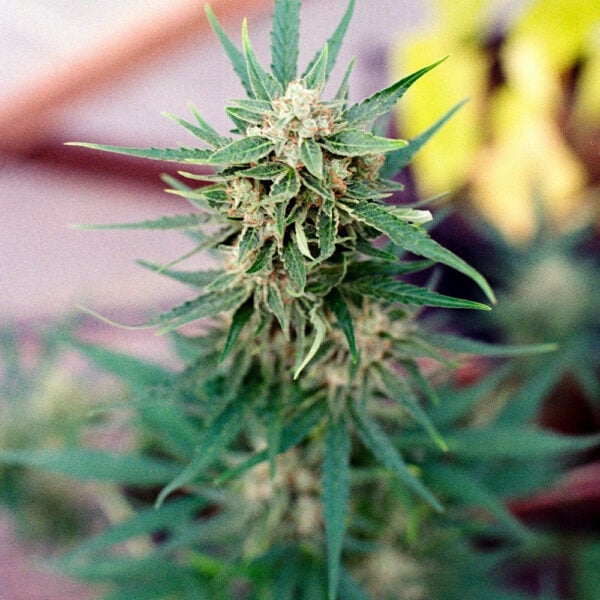
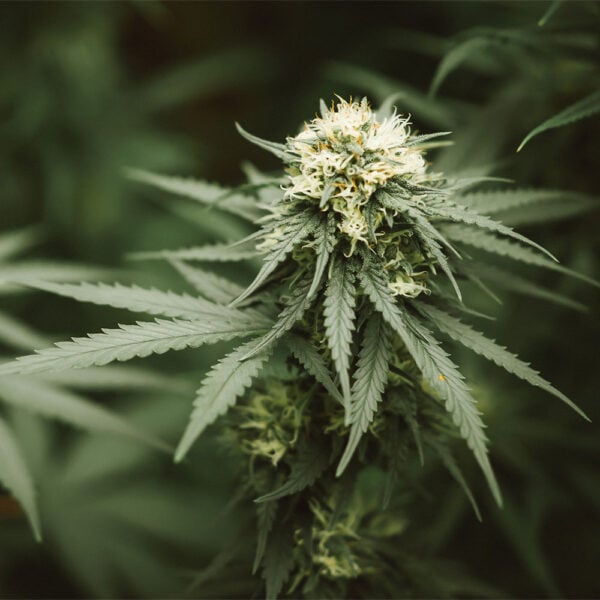
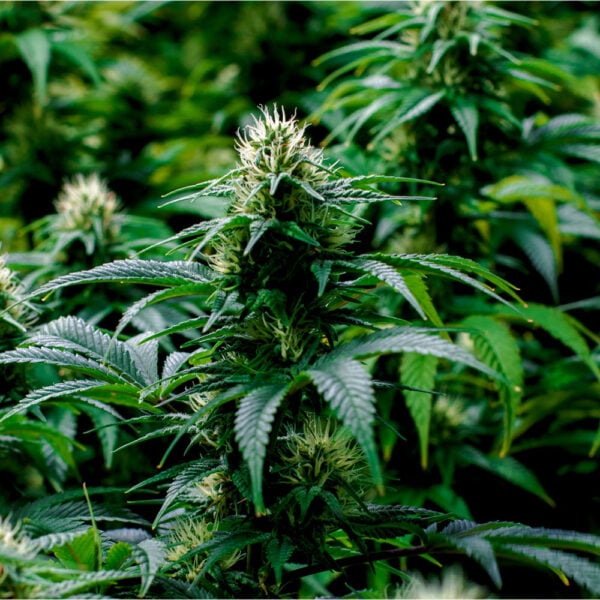
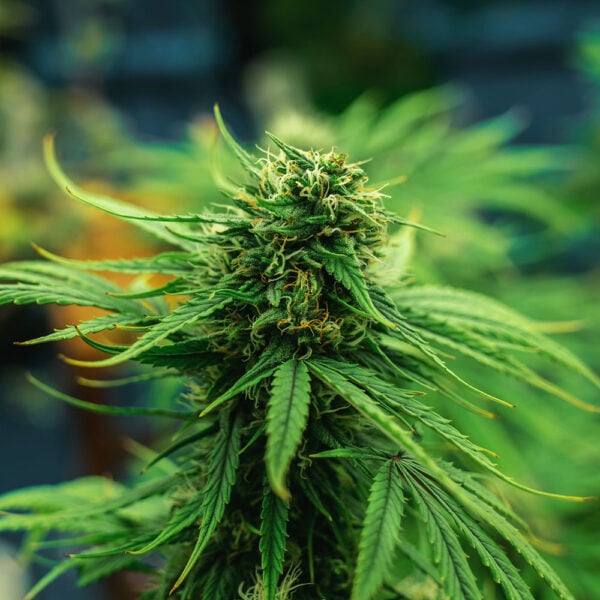
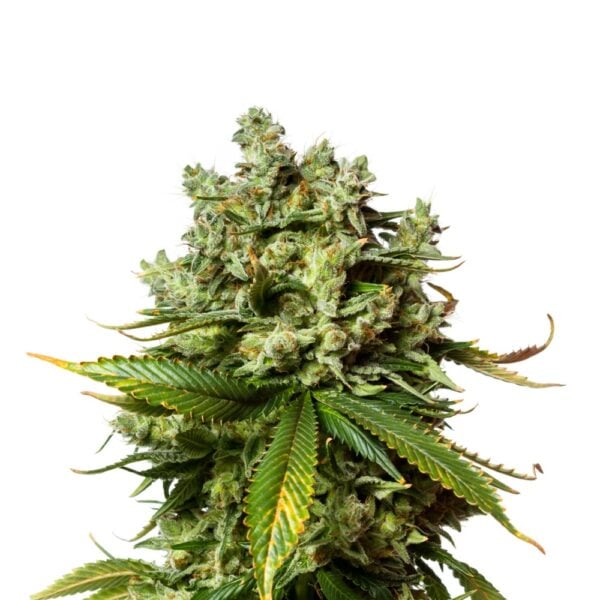
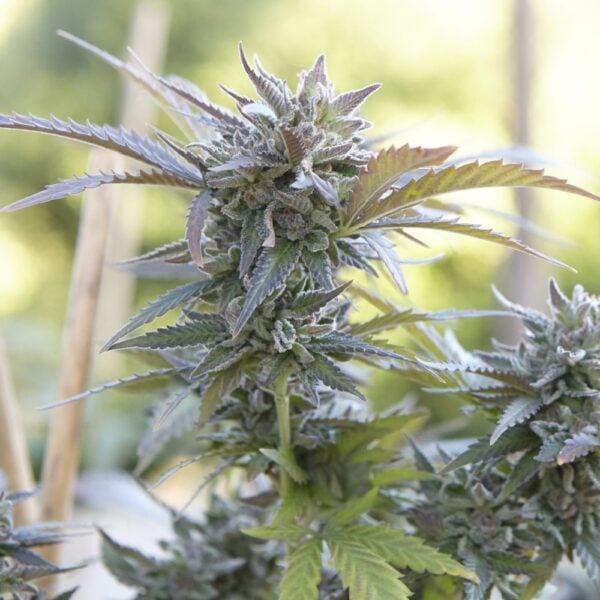
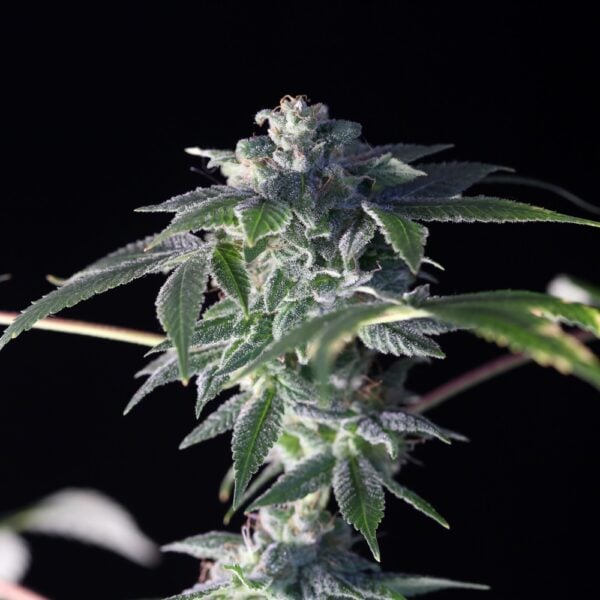
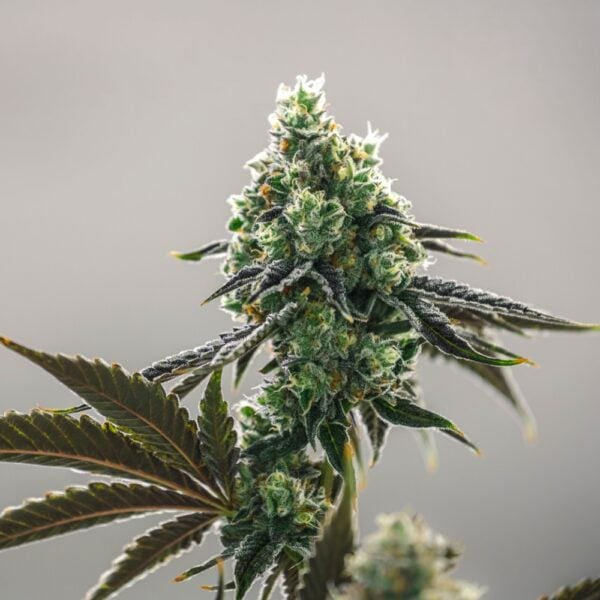
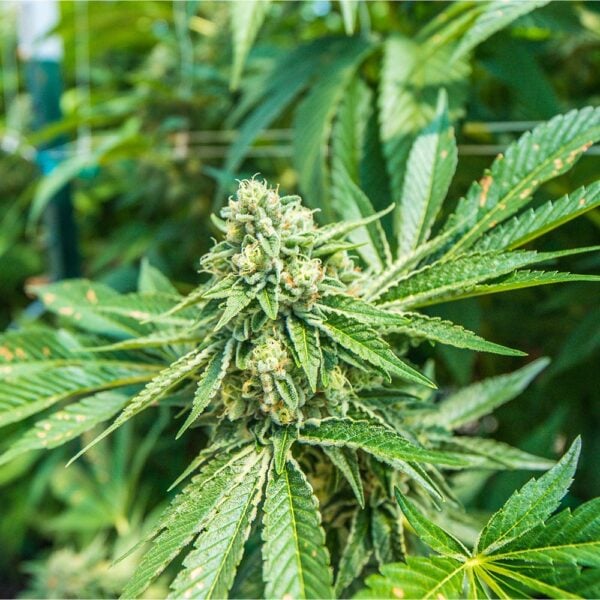
Sativas appeal to growers because they offer steady, vigorous growth with long branches, strong internodal spacing, and excellent light penetration through the canopy. Their structure makes them a good fit for training techniques like topping or SCROG, and many cultivars handle heat well, which helps in warm indoor rooms or outdoor gardens with long summers. Pure and Sativa-leaning cultivars also tend to resist pests a bit better and push out those tall, airy flowers that cure easily with proper airflow.
For users, Sativas are known for their bright, energetic profile that people reach for during daytime hours or creative sessions. Aromas often lean toward citrus, herbs, spice, or fuel, and the experience is typically clear and mentally active. Many prefer Sativas for tasks that call for focus or a lighter mood lift, since the effects usually stay away from the heavy, body-dominant feel associated with Indica lines. These traits, paired with their unique flavor profiles, are why Sativas continue to stand out across both growing and consumption.
Sativas vs. Indicas
Sativas and Indicas differ in several ways, but the key traits show up in how the plants grow, how they smell and taste, and how people tend to use them.
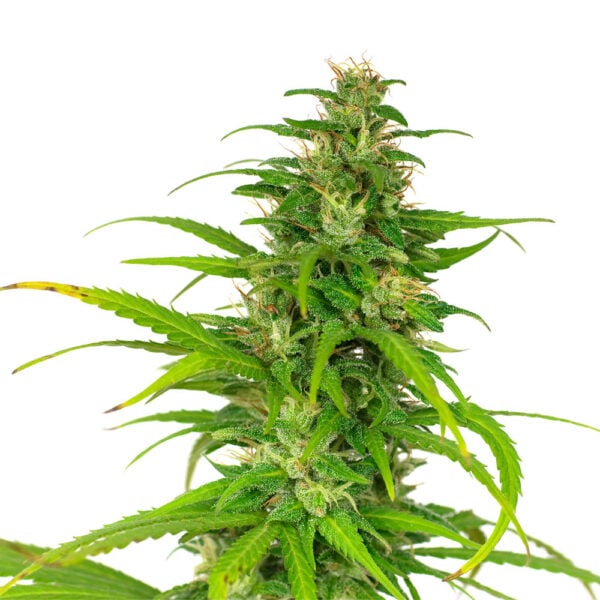
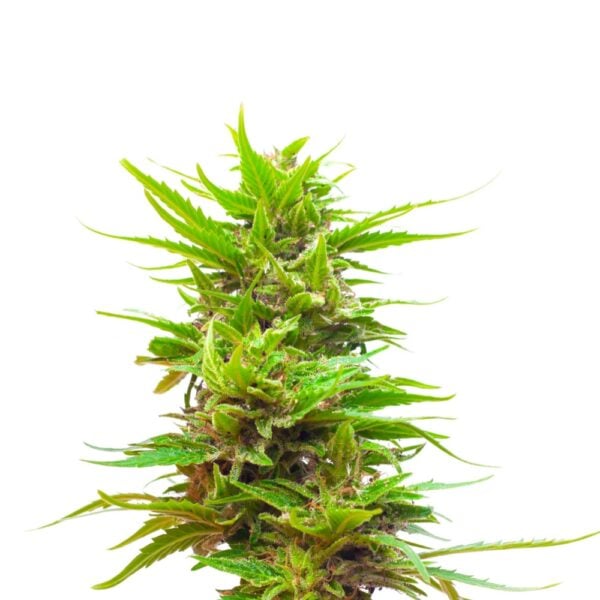
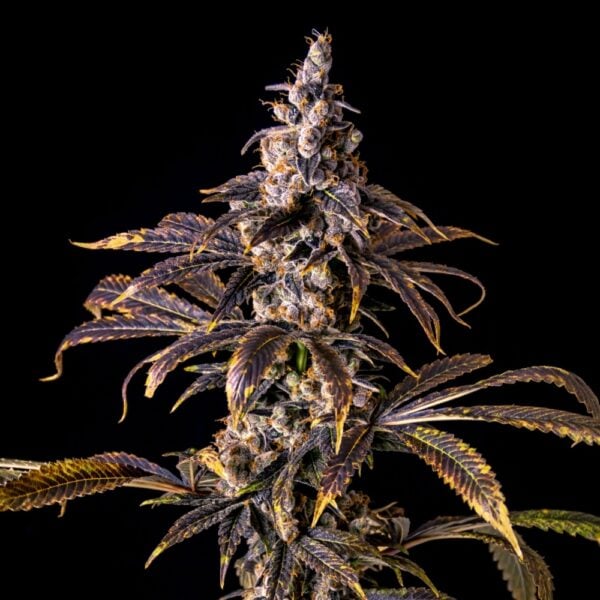
Sativas usually grow tall and narrow with longer flowering times and thinner leaves. They lean toward bright, citrusy, herbal, or peppery profiles and are commonly chosen for daytime use because they’re known for lighter, more uplifting effects. Indicas stay shorter and stockier, flower faster, push out denser buds, and often lean toward earthy, sweet, or skunky aromas. Their effects are commonly described as more body-focused and relaxing, which is why many growers and consumers reach for them later in the day.
In terms of cultivation, Sativas prefer more vertical room and warmer environments, while Indicas fit well in smaller indoor setups and handle cooler temps more easily. Hybrids blend traits from both sides, which is why most modern cultivars don’t fit neatly into one category anymore.
Can You Visually Tell the Difference Between a Sativa Seed And an Indica Seed?
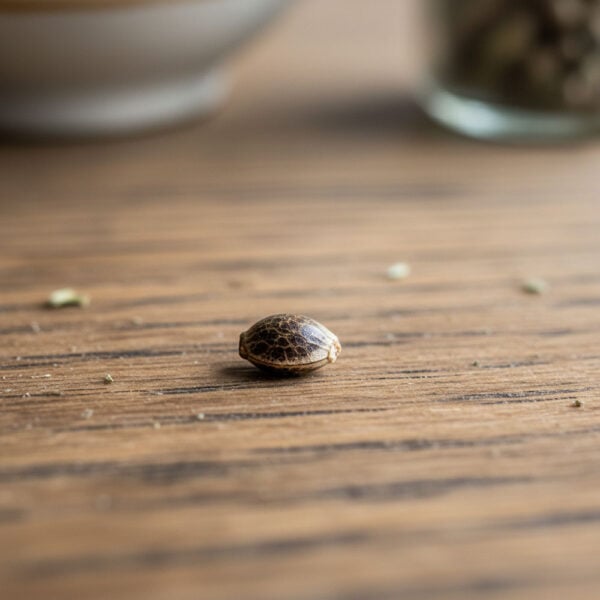
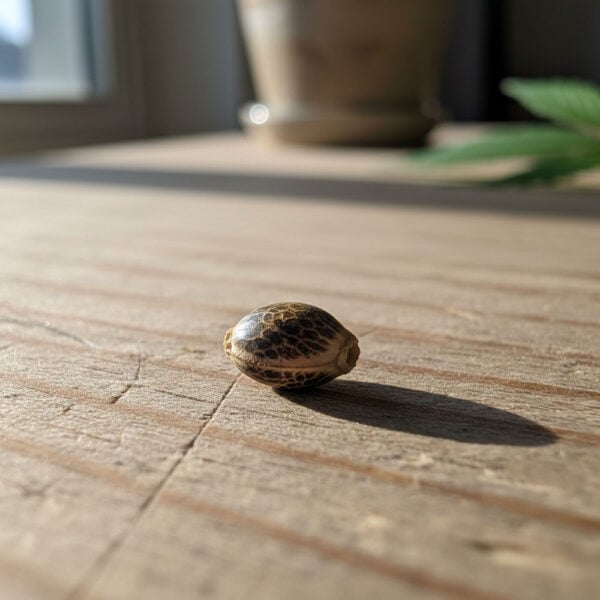
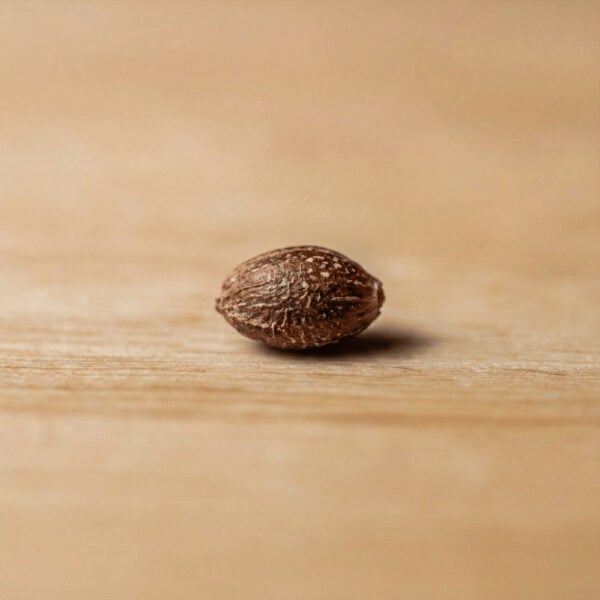
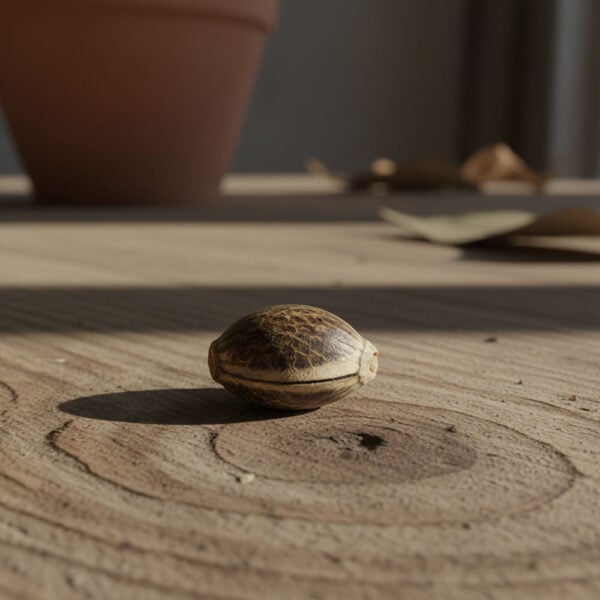
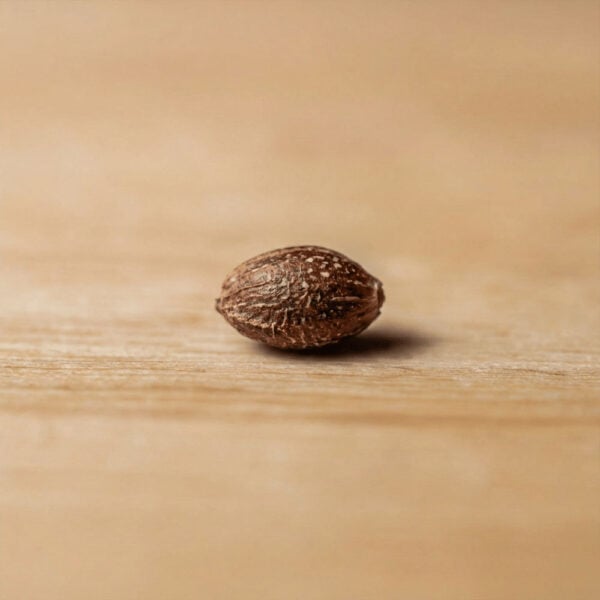
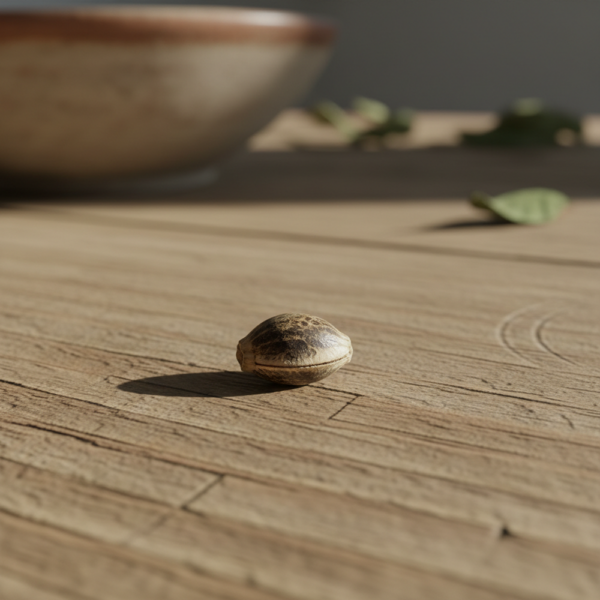
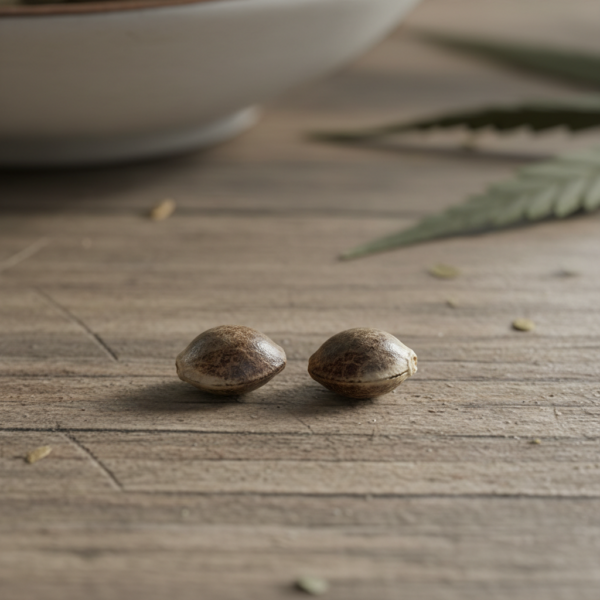
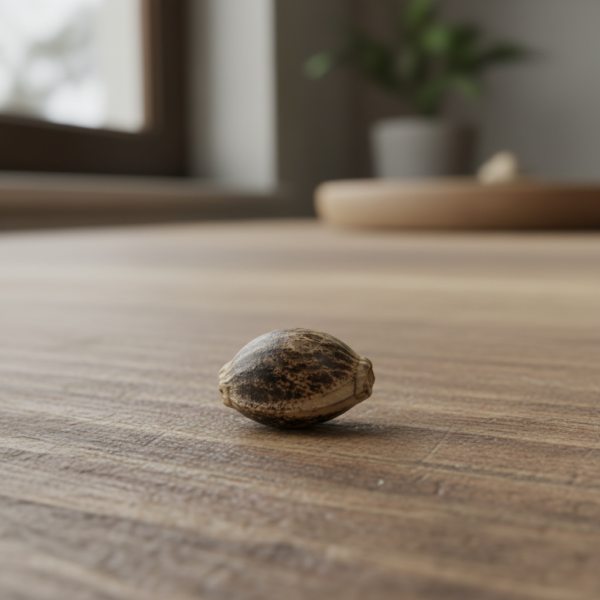
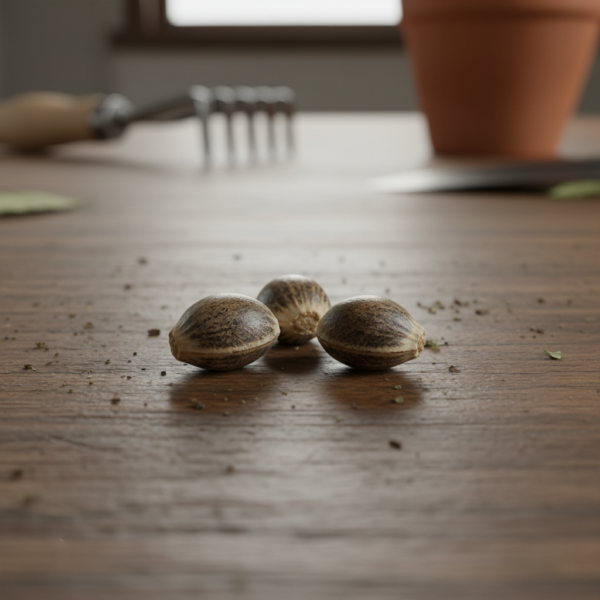
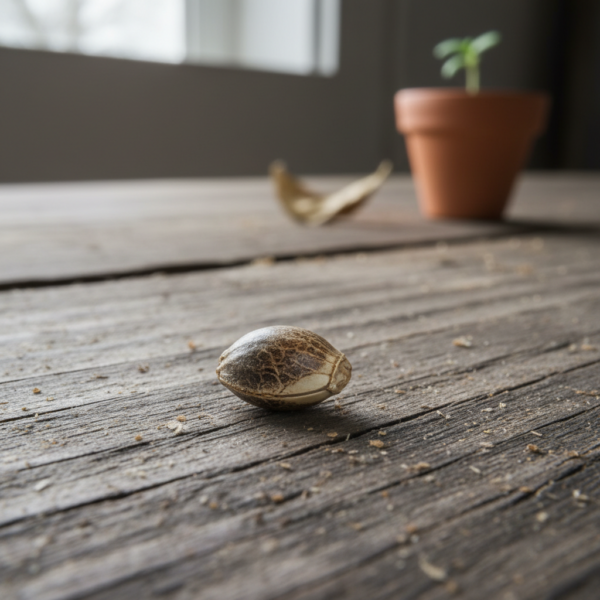
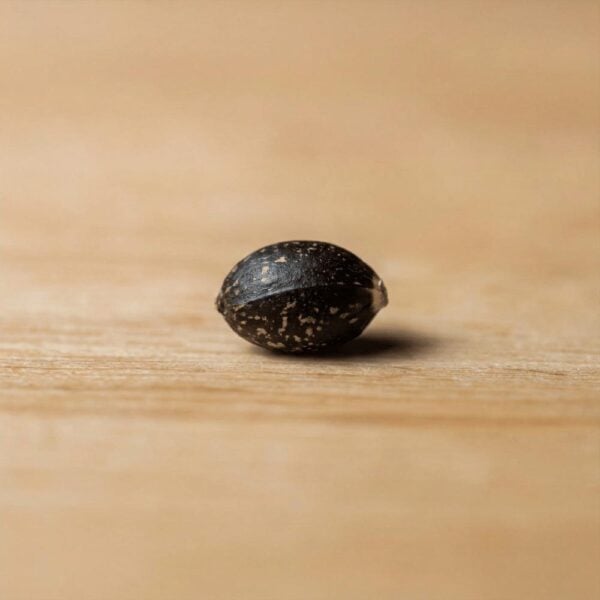
You really can’t spot the difference just by looking at the seeds themselves. Sativa and Indica seeds tend to share the same size range, mottled patterns, and hard outer shell, so any visual cues you might expect simply aren’t reliable. The differences only show up once the plant starts growing, with Sativas stretching taller and Indicas staying shorter and bushier.
What Are Sativa-Leaning Hybrids?
Sativa-leaning hybrids are cultivars that take most of their growth traits, aromas, and effects from the Sativa side of their lineage while still carrying a small percentage of Indica genetics for stability. They’re known for taller structure, quicker mental lift, and that familiar clear-headed buzz growers associate with classic Sativa lines, but with just enough Indica influence to help with resilience and consistency in the grow.
If you want strong Sativa expression, there are several hybrids that sit around the 90 percent mark. Silver Haze is a go-to for its sharp, energizing profile. Freakshow brings an unusual leaf structure and a lively effect. Chocolope leans into rich chocolate and coffee notes with a bright, uplifting feel. Trainwreck rounds out the list with long, fast growth and a stimulating headspace that stays true to its Sativa roots.
Our Best 100 Percent Pure Sativa Seeds
Pure Sativa seeds carry the classic traits that defined early cannabis cultivation: tall structure, long internodes, narrow leaves, and a bright, stimulating profile that growers still look for today. These cultivars haven’t been blended with Indica genetics, so what you get is the unfiltered version of old-school Sativa expression. If you’re aiming for that traditional experience, the following landrace icons stand out.
Sour Diesel
Sour Diesel isn’t always listed as a landrace, but it’s one of the most influential Sativa lines in modern breeding and comes from a lineage deeply rooted in older Sativa genetics. It’s known for its unmistakable fuel-forward aroma with sharp citrus and herbal notes underneath. The plant grows tall and fast with long, fluffy buds that tend to stretch during early flower. Growers like it for its strong vigor and its energetic, clear lift that stays true to its Sativa heritage. Indoors, the plant thrives with ample light and a bit of height management, while outdoor growers appreciate its resilience in warm, sunny climates.
Panama Red
A true classic, Panama Red traces back to Central American landrace stock that helped define the Sativa category for an entire generation. The plant grows lanky with bright red pistils and a longer flowering window, often needing a bit more patience but rewarding growers with striking color and a spicy, woody aroma. The effect leans toward an upbeat, almost nostalgic clarity that old-school cultivators still rave about. Outdoors, it shines in tropical or subtropical climates, but experienced indoor growers can bring out its signature traits with consistent warmth and strong lighting.
Durban Poison
Durban Poison is one of the best-known African landrace Sativas and a staple in pure Sativa collections. It’s admired for its sweet, anise-like scent layered with citrus and pine, along with a growth pattern that stays surprisingly manageable for a pure Sativa. The plant tends to stretch, but it also builds dense, frosty colas that finish faster than many other traditional Sativas. The effect is fast, focused, and uplifting, making it a popular daytime choice. Its natural hardiness makes it easy to grow in a wide range of environments, from warm outdoor gardens to controlled indoor setups where its structure can be shaped with simple training.
These cultivars offer the clearest look at what pure Sativa genetics can do: tall growth, bright aromatics, and an energetic, head-forward profile that has shaped generations of breeding.
Sativas With the Highest THC
Some Sativas are known for their ability to push THC levels into the upper range, offering a strong, fast-onset experience while keeping the classic bright Sativa character intact. These cultivars combine vigorous growth with dense resin production, making them popular among growers who want both yield and potency.
Sour Diesel
With lab results often landing between 25 and 30 percent THC, Sour Diesel has earned its reputation as one of the most potent Sativas available. Its sharp fuel aroma, fast cerebral lift, and impressive resin output make it a standout for growers who want a heavy hitter. The plant stretches early, fills out nicely under high-intensity lighting, and stays consistent across different environments once dialed in.
Hawaiian Haze
Hawaiian Haze also reaches into the 25 to 30 percent range and offers a tropical-forward profile with floral and pineapple notes. Growers appreciate its open structure and steady development through a longer flowering cycle. The effect leans clear and energetic, which keeps its reputation strong among Sativa fans looking for a potent yet smooth daytime cultivar.
Asian Fantasy
Asian Fantasy is harder to find, but it regularly tests around 24 percent THC and carries a sweet, floral aroma that pairs well with its quick mental lift. It grows tall with narrow leaves and benefits from strong lighting and airflow. The high THC content paired with its classic Sativa clarity gives it a dedicated following.
Silver Haze
Silver Haze also comes in around 24 percent THC, offering a sharp, spicy-sweet scent and a soaring head-focused experience. Its lineage traces back to Haze genetics, which explains both its potency and its vigorous stretch. Growers like its resilience, especially in indoor setups where it responds well to training aimed at controlling height.
These cultivars show how far modern Sativa genetics have come, offering high potency without losing the classic energetic character growers and users expect.