How Long Do Photoperiod Seeds Typically Take From Seed to Harvest?
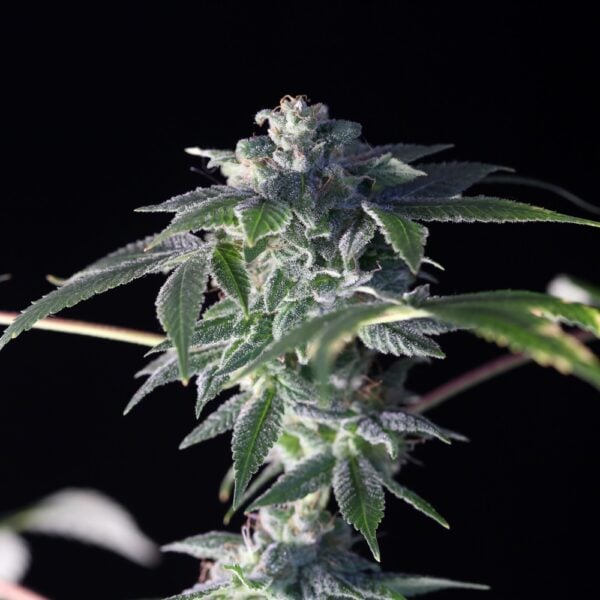
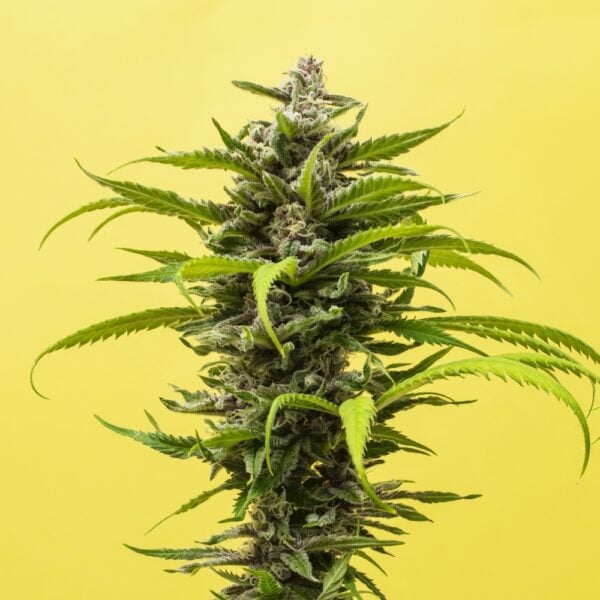
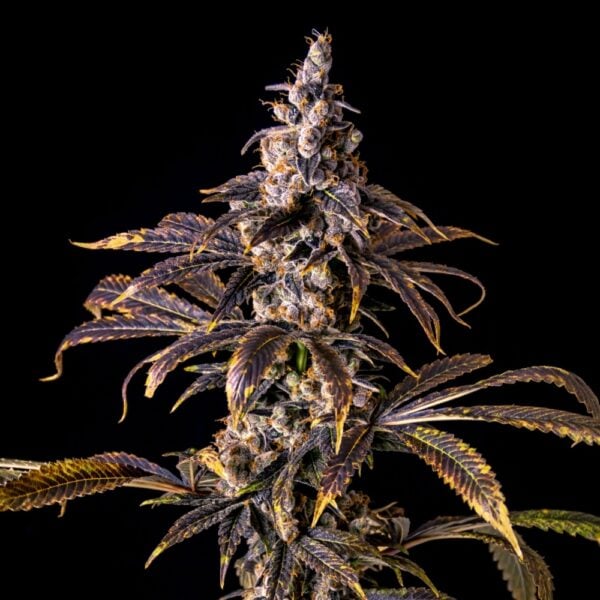
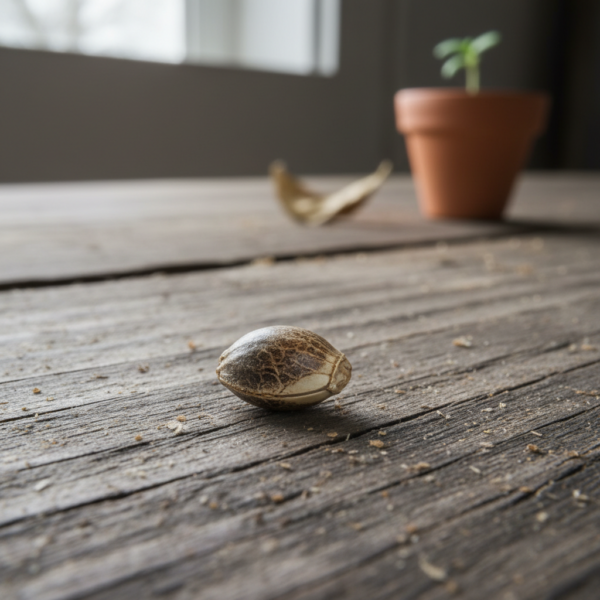
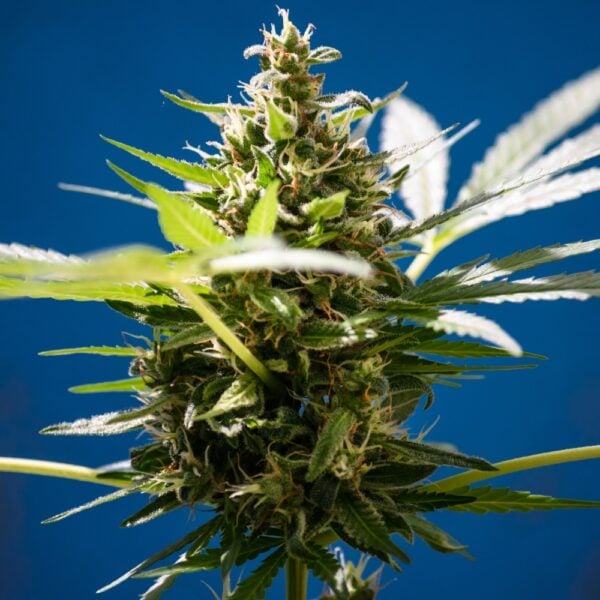
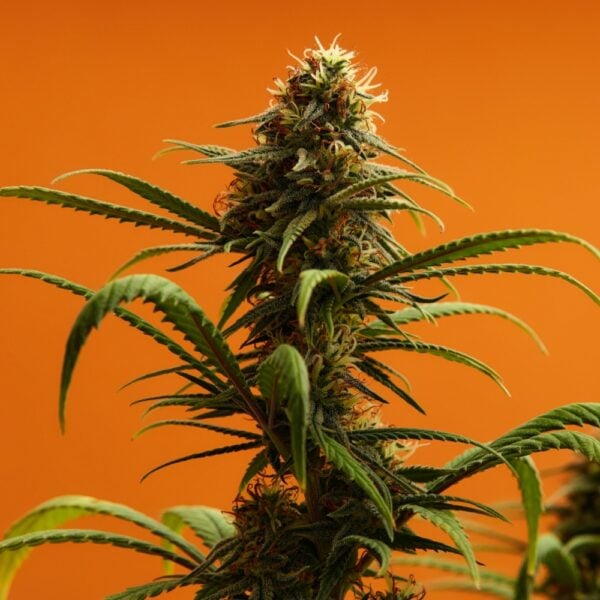
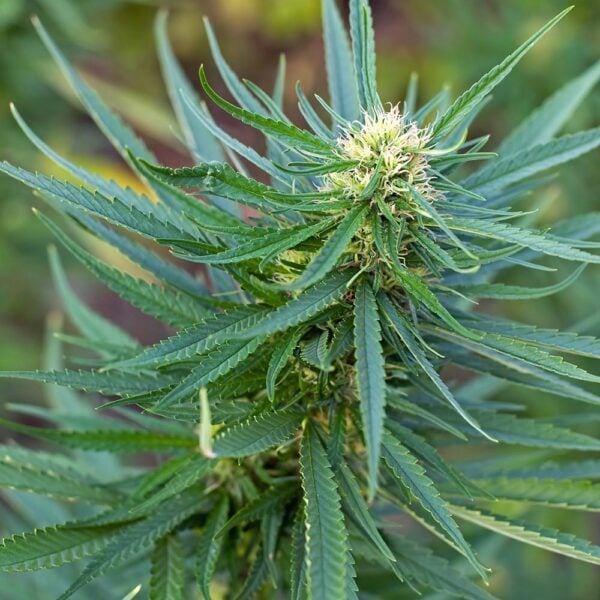
Most photoperiod cultivars take around 3 to 5 months from seed to harvest, depending on how long you keep them in veg. You are usually looking at 3 to 6 weeks for seedlings and veg, then another 8 to 10 weeks in flower once you flip the lights to a 12 12 schedule indoors or the days start to shorten outdoors.
If you let your plants veg longer, the total timeline stretches, but you get bigger plants and more potential bud sites. Keep your environment dialed, avoid major stress, and you can plan on a full cycle that fits neatly within a single indoor season or a standard outdoor grow from spring to fall.
Strains like Grapefruit Kush, Lemon Diesel, and Black Cherry all flower as soon as 45 days after germination, while other strains like Colombian Gold and Panama Red can take up to 85 days to flower.
How Does Photoperiodism Work?
Photoperiodism is the way cannabis plants read day and night length and use that info to move from veg growth into flower. Inside the leaves sit pigments called phytochromes that react to light in the day, then slowly reset in the dark, almost like an internal timer.
Short nights keep that timer from finishing, so the plant stays in growth mode. Long, unbroken nights let the timer run all the way down, which tells the plant it is time to bloom and set buds. Indoors, growers copy late summer by running a 12 12 light cycle, and outdoors the same switch hits naturally as days shrink toward the end of the season.
If you’re new to photoperiod strains, opt for seeds with easy growing difficulty, including Cali Kush, The Hog, or Black Cherry Soda.
What Are the Best Photoperiod Seed Strains for Indoor Cultivation?
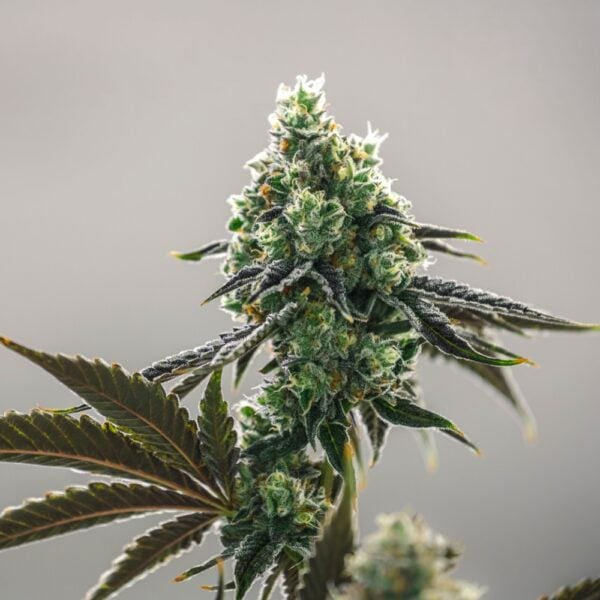
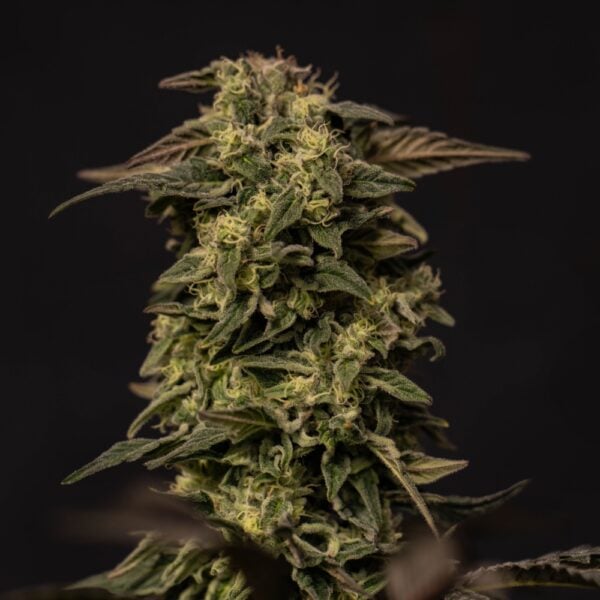
Indoor growers who want serious production tend to reach for heavy hitting photoperiod cultivars like Snoops Dream and King Kong. Snoops Dream can stack dense colas and hit around 30 to 38 ounces per plant in a dialed in room, and King Kong lives up to its name with big, chunky buds and indoor yields that climb over 30 ounces when it has enough light and space.
If you care about flavor as much as full jars, Double Dream brings a sweet berry and spice profile that makes every session feel a bit more special. It still throws generous harvests under good conditions, so you do not have to trade yield for taste when you build your indoor lineup around cultivars like these.
What Are the Benefits of Choosing Photoperiod Seeds Over Autoflower Seeds?
Flexible timelines and bigger plants
Photoperiod seeds let you decide how long each plant stays in veg, so you can keep things short for compact tents or stretch veg for big, bushy canopies. Longer veg often leads to stronger branching and more bud sites, which can translate to heavier harvests than most autoflower setups.
Great for training and canopy shaping
These cultivars respond really well to topping, low stress training, and screen of green setups, since they are not rushing into flower on a fixed timer. You get more time to shape the structure, heal from training, and fill your light footprint before flipping to a 12 12 cycle.
Easier to keep favorites through cloning
With photoperiod genetics you can keep a mother plant in veg indefinitely and cut fresh clones whenever you want a refill of a favorite cultivar. That repeatability helps indoor growers build a stable rotation instead of hunting for new seeds every time they want a similar experience.
Are There Any Drawbacks To Using Photoperiod Seeds Instead of Autoflowers?
Longer overall grow time
Photoperiod cultivars usually take more time from seed to harvest, since you control veg length and then still need a full flower cycle after the flip. Great if you want big plants, not as great if you are chasing the fastest possible turnaround.
Light schedule is less forgiving
Photoperiod plants depend on a strict light routine, especially in flower, so light leaks or timer mistakes can cause stress or throw nanners. Indoor growers need a truly dark lights off period and a reliable timer, which adds a bit more setup and discipline than most auto runs.
Not ideal for every space or schedule
If you have a tiny space, hot climate, or super limited time, autos can fit better since they stay smaller and finish on their own clock. Photoperiod seeds shine for control and training, but they ask for more patience, planning, and a bit more effort from the grower.
Luckily, there are some strains of photoperiod cultivars that grow to be short plants, such as Cali Kush or Laughing Buddha.
Are Photoperiod Seeds and Feminized Seeds The Same Thing?
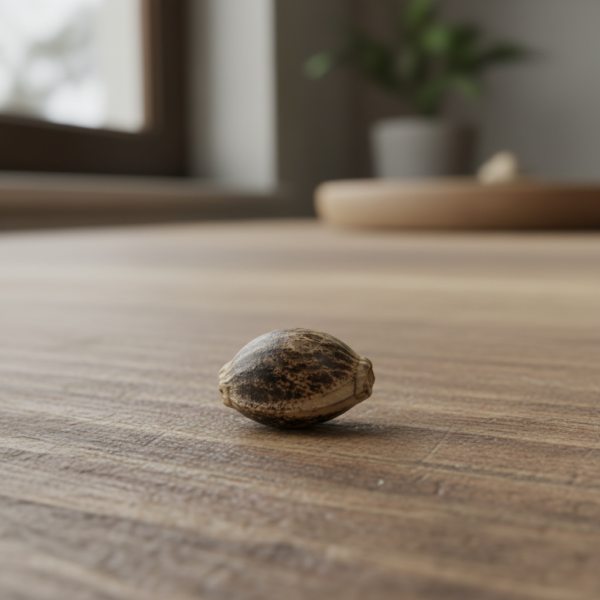
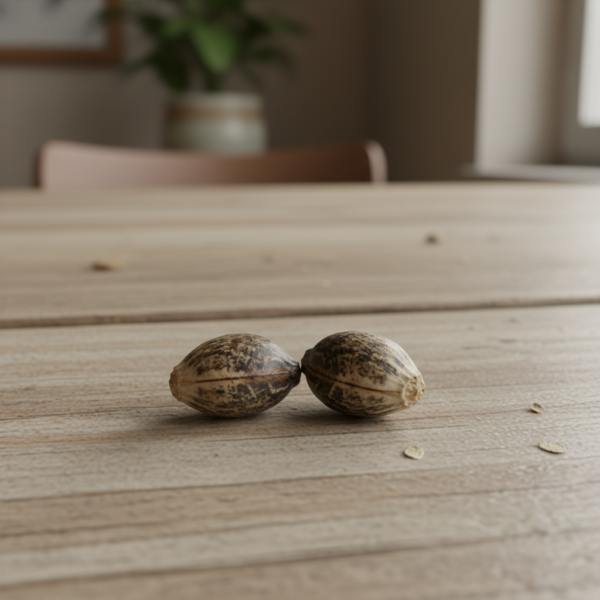
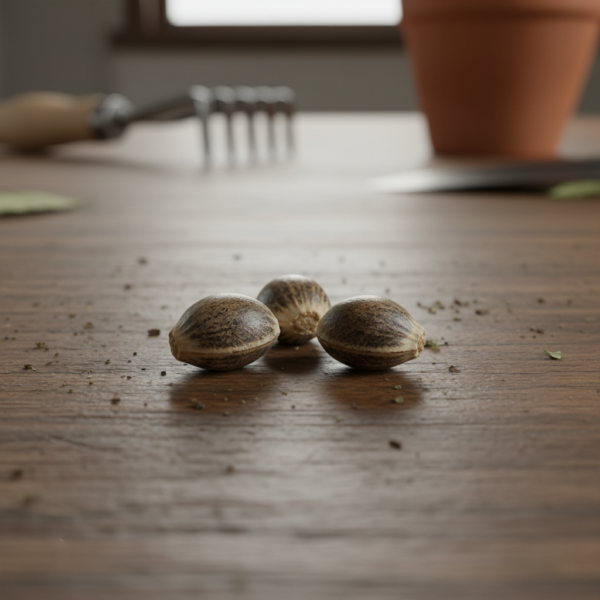
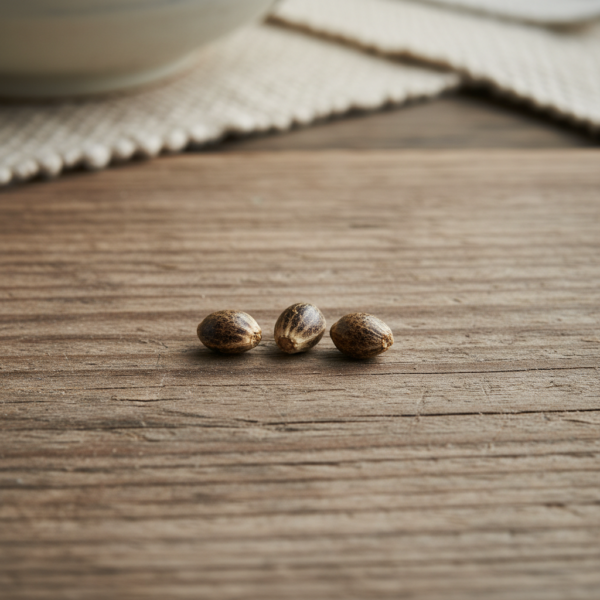
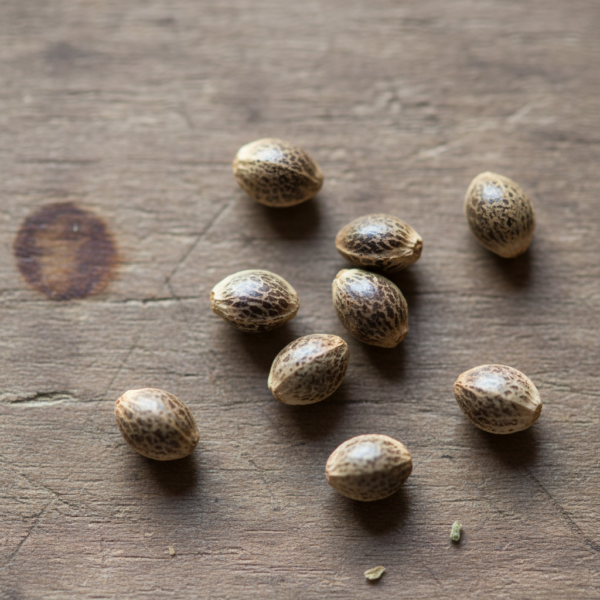
No, feminized seeds and photoperiod seeds are not quite the same thing, but they overlap a lot. Feminized seeds are bred so almost every seed grows into a female plant, which is what most growers want for sticky, resin-packed buds.
Photoperiod seeds are seeds from cultivars that start flowering when the light cycle shifts, like the classic 18 6 veg and 12 12 flower setup indoors or the natural shift from long summer days to shorter fall days outdoors.
You can have feminized photoperiod cultivars or feminized autoflower cultivars, so “feminized” talks about plant sex, and “photoperiod” talks about how the plant knows when to bloom.
Our seed bank carries many popular feminized photoperiod cultivars like Grapefruit Kush, Slurricane, and Neville’s Haze.